Discover what our valued clients have to say about Living with Lolo and why choosing us for your next Home Design Project is a wise decision. Watch and be inspired!
Home Remodeling & General Contracting – Areas Served
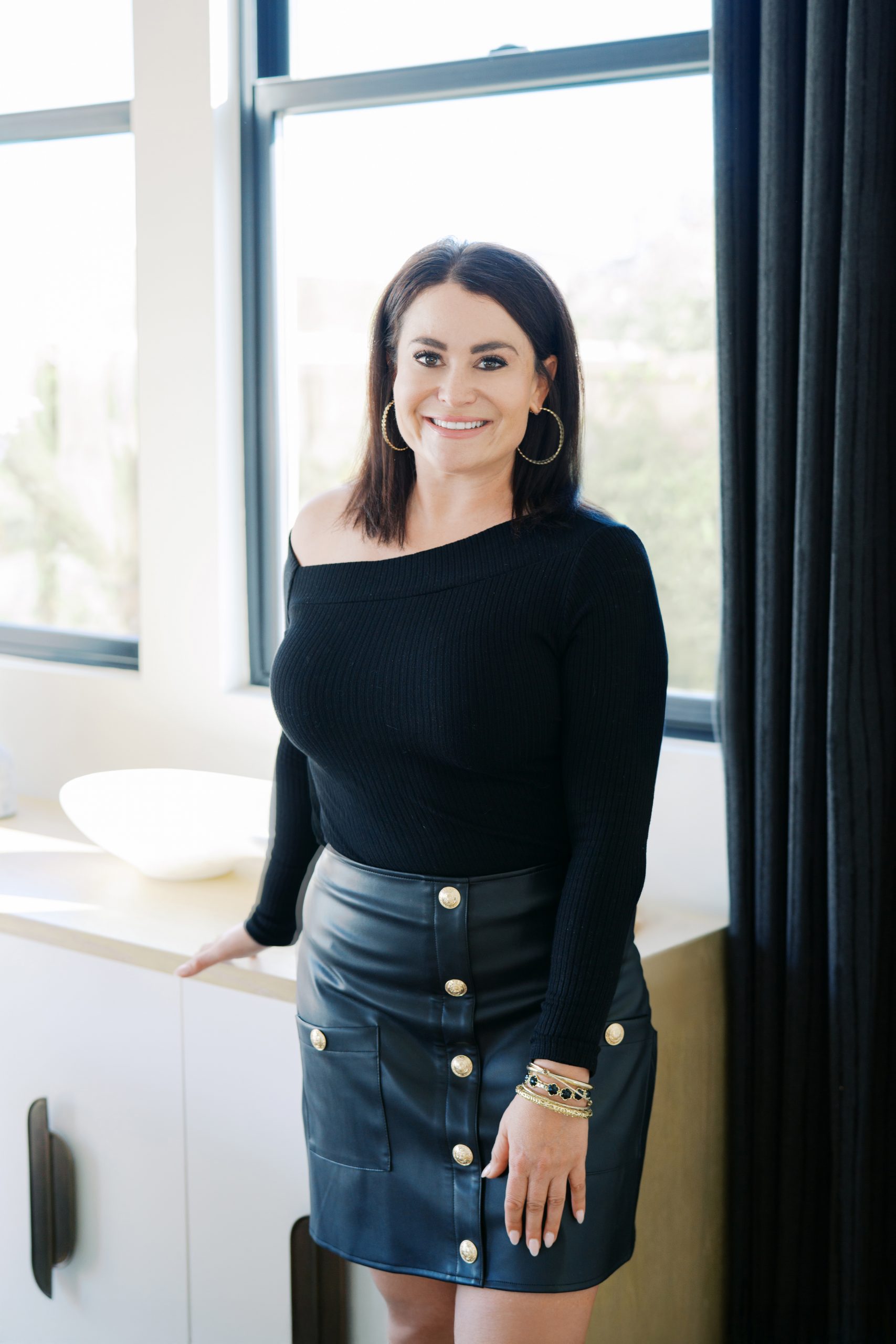
Lauren Lerner is the founder and principal designer of Living with Lolo, Scottsdale’s luxury interior design and licensed design-build firm. Named Phoenix Magazine Best Interior Design three consecutive years, Lauren leads projects from concept through construction for high-end homes in Scottsdale, Paradise Valley, and Phoenix.
Living with Lolo specializes in crafting spaces that exude a sense of greatness, perfectly aligned with your lifestyle and needs, while reflecting your unique personality. We possess an innate ability to grasp the unspoken desires of our clients and transform them into reality. Our expertise lies in curating functional, purposeful living spaces that cater to our clients’ individual aspirations. With meticulous attention to detail, we guide you in selecting the finest pieces and ensure seamless delivery with our white-glove service. Our designs not only provide comfort but also empower our clients to embrace their boldest, most courageous selves.
Home Remodeling & General Contracting – Areas Served
Lauren Lerner is the founder and principal designer of Living with Lolo, Scottsdale’s luxury interior design and licensed design-build firm. Named Phoenix Magazine Best Interior Design three consecutive years, Lauren leads projects from concept through construction for high-end homes in Scottsdale, Paradise Valley, and Phoenix.
We offer a unique service: A custom DIY Design. With this, we provide you with a thoughtfully curated design for your remodel. You can then collaborate with your preferred contractor to bring it to life. Our process is highly efficient, typically taking around 6 weeks to complete.
Once you sign a contract, we’ll promptly add you to our design calendar to get started. To ensure we create a design that truly reflects your vision, we’ll send you a comprehensive client questionnaire. As part of the package, we also include a virtual consultation.
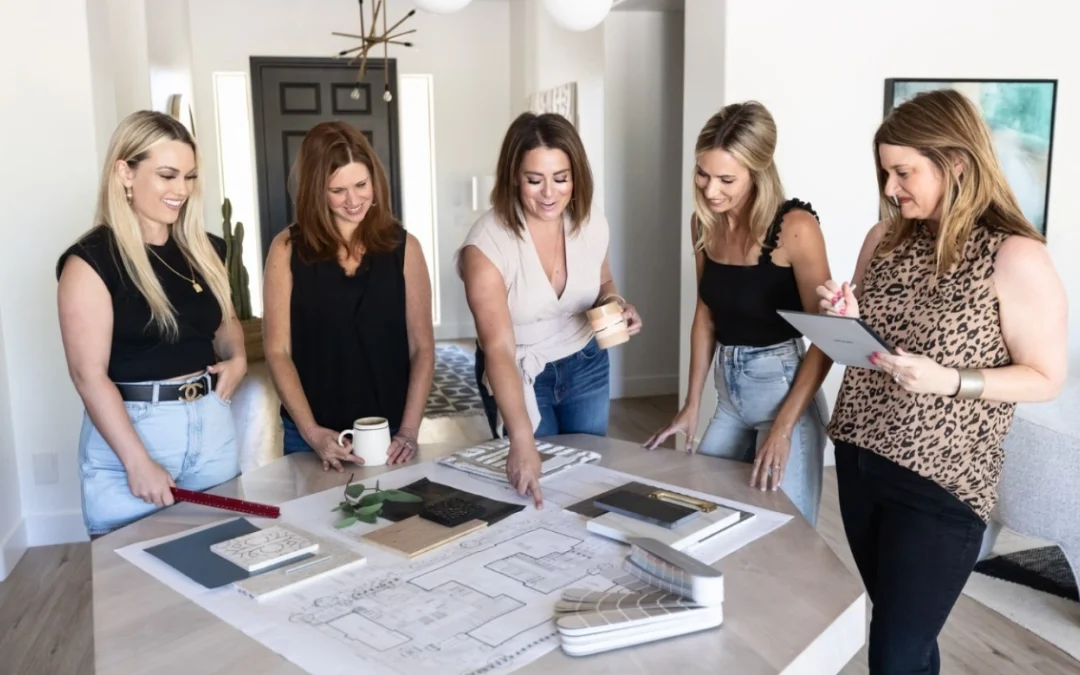
Our deliverables are designed to simplify your remodel journey. You’ll receive a detailed design board showcasing all the elements you’ve chosen for the project, along with convenient shoppable links for easy purchasing. Additionally, we’ll provide you with an elevation drawing that offers your contractors all the necessary information.
Ultimately, our aim with this DIY design plan is to streamline and enhance your remodeling experience. We’ve taken care of the selection and design process, leaving you with a comprehensive package and connecting you with our trusted vendors.
Home Remodeling & General Contracting – Areas Served
Lauren Lerner is the founder and principal designer of Living with Lolo, Scottsdale’s luxury interior design and licensed design-build firm. Named Phoenix Magazine Best Interior Design three consecutive years, Lauren leads projects from concept through construction for high-end homes in Scottsdale, Paradise Valley, and Phoenix.
1. Discovery Call: Let’s start with a 15-minute call to discuss your goals, vision, and answer any questions you have. No preparation needed, just bring yourself!
2. Virtual Home Consultation: Once we have an idea of your vision, we’ll dive into every detail of your space during a virtual consultation. We’ll walk through each area you want to be designed and gather all the necessary inputs. Plan for 1 hour for this call.
3. Detailed Design Concept: Next, we’ll present your custom design along with a curated list of recommended items from reliable vendors known for exceptional, timely products.
4. Order and Delivery: After you approve the items you like, we’ll take care of ordering and tracking everything for you. We’ll receive all the items at our warehouse to ensure a streamlined delivery process.
5. Professional Installation:Our team of expert designers and crew will come to your home and install everything, leaving it picture-perfect and ready for you to enjoy.
6. Seasonal Refreshes and Holiday Decor: We also offer ideas for seasonal refreshes and holiday decorations throughout the year, allowing you to continually update and revitalize your space.
At every step, we handle all the details to provide you with a seamless experience. Our goal is to create a home that not only reflects your boldness and authenticity but also offers a familiar and nurturing sanctuary.
Home Remodeling & General Contracting – Areas Served
Lauren Lerner is the founder and principal designer of Living with Lolo, Scottsdale’s luxury interior design and licensed design-build firm. Named Phoenix Magazine Best Interior Design three consecutive years, Lauren leads projects from concept through construction for high-end homes in Scottsdale, Paradise Valley, and Phoenix.
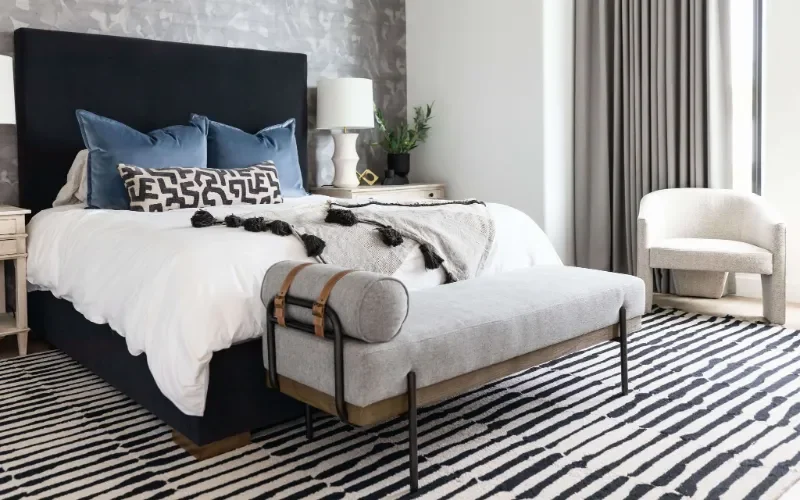
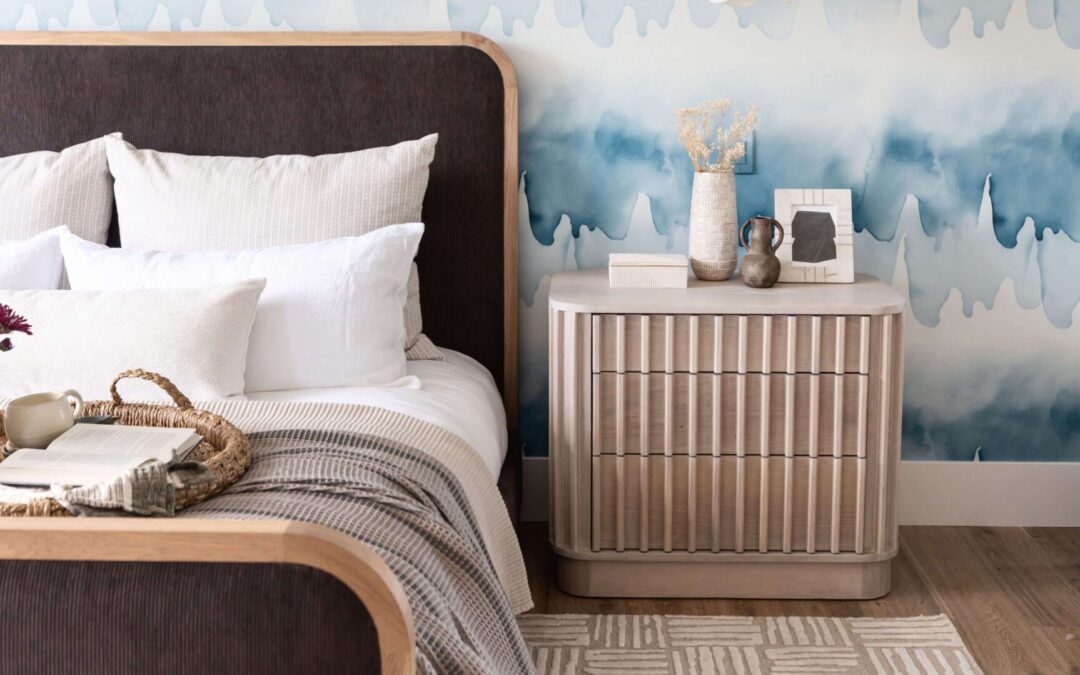
We adore incorporating wallpaper into our interior design to achieve fresh and captivating looks. For those seeking a touch of glamour, a washi concrete wallpaper can introduce texture and color without overwhelming with patterns. Alternatively, grasscloth wallpaper offers a simple yet impactful backdrop for any space. Additionally, we find delight in using patterned wallpaper, such as this midcentury-inspired design, which truly elevates our custom bed.
Home Remodeling & General Contracting – Areas Served
Lauren Lerner is the founder and principal designer of Living with Lolo, Scottsdale’s luxury interior design and licensed design-build firm. Named Phoenix Magazine Best Interior Design three consecutive years, Lauren leads projects from concept through construction for high-end homes in Scottsdale, Paradise Valley, and Phoenix.
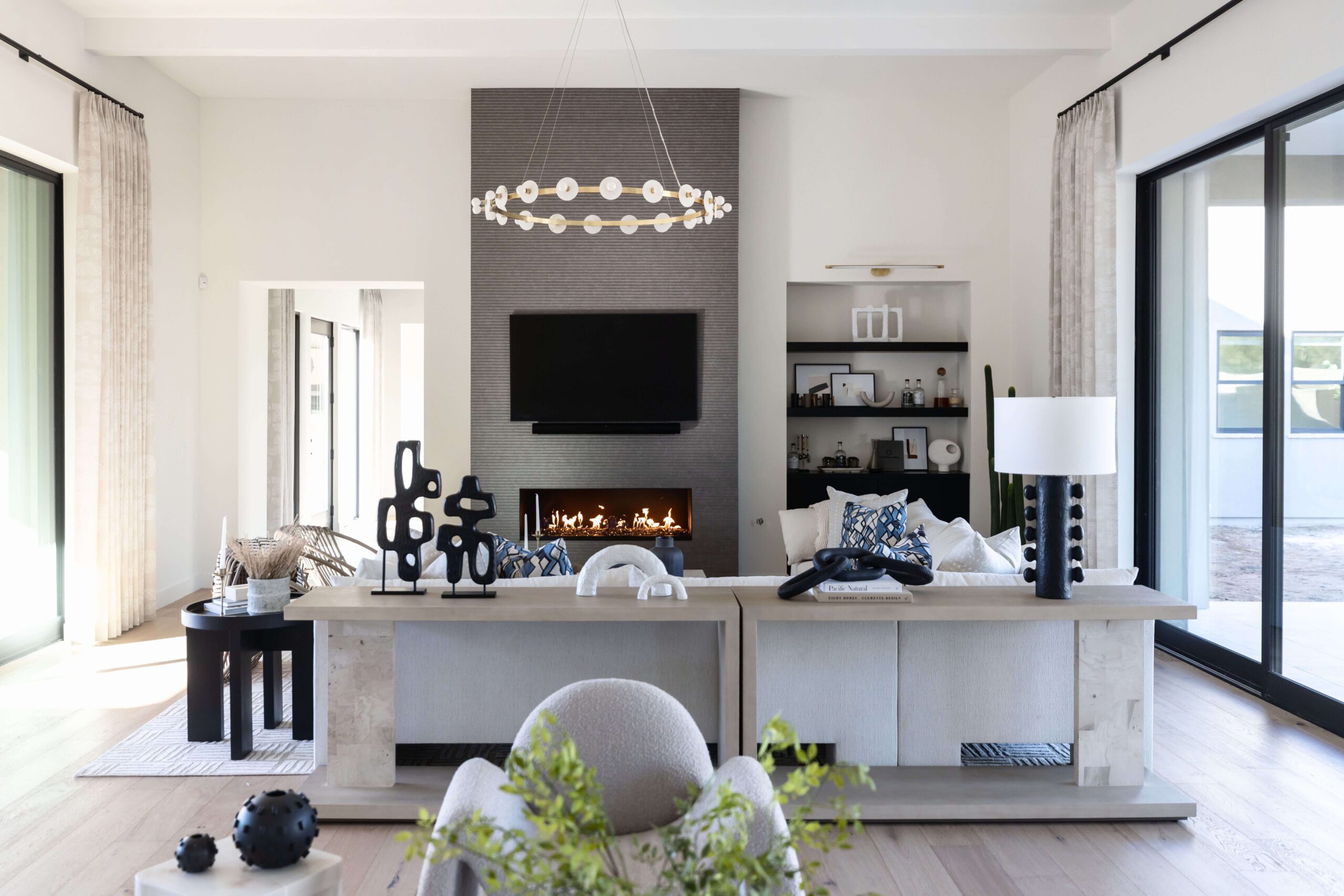
Our objective for the Paradise Valley design project was to create a stunning and modern second home that perfectly complemented our clients’ laid-back lifestyle. We began by focusing on the entryway, aiming to make it a true showstopper. To achieve this, we incorporated an exquisite alabaster crystal chandelier and painted the ceiling black to create a captivating contrast. Moving into the living room, we carefully selected a custom sectional and a cement console table, accentuating the space with beautiful statement pieces that invite comfort and warmth. In the primary bedroom, we implemented an eye-catching statement wall and adorned the ceiling with intricate details and paintwork. Lastly, we transformed the theater room into a cozy haven, ideal for a relaxing night in. This Paradise Valley home stands as a testament to exceptional design.
Home Remodeling & General Contracting – Areas Served
Lauren Lerner is the founder and principal designer of Living with Lolo, Scottsdale’s luxury interior design and licensed design-build firm. Named Phoenix Magazine Best Interior Design three consecutive years, Lauren leads projects from concept through construction for high-end homes in Scottsdale, Paradise Valley, and Phoenix.
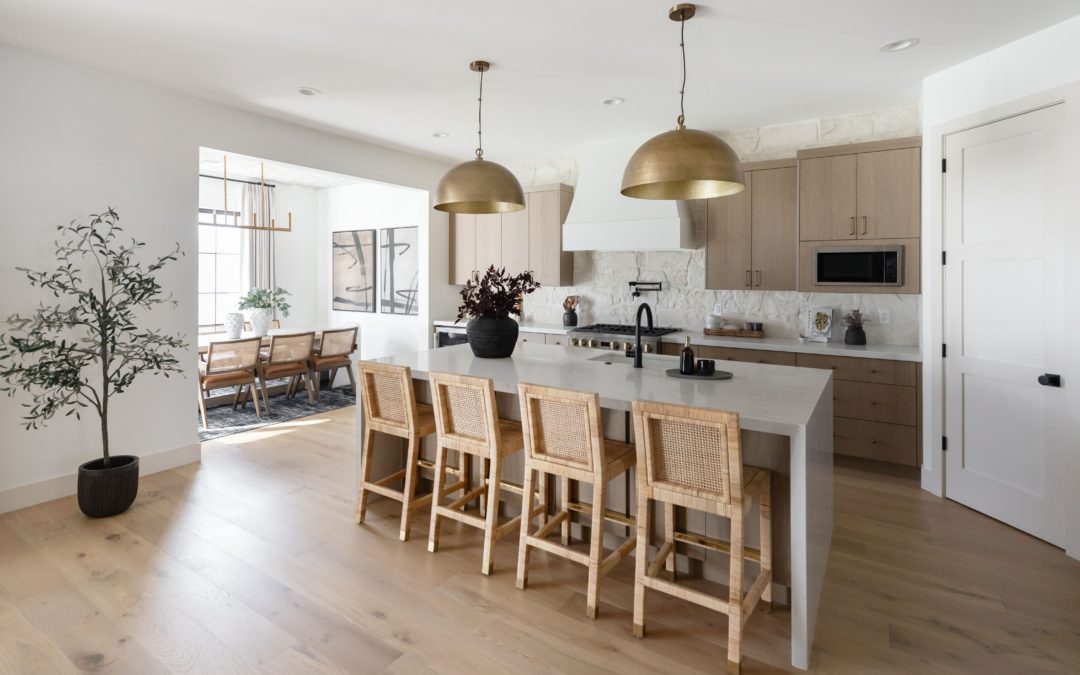
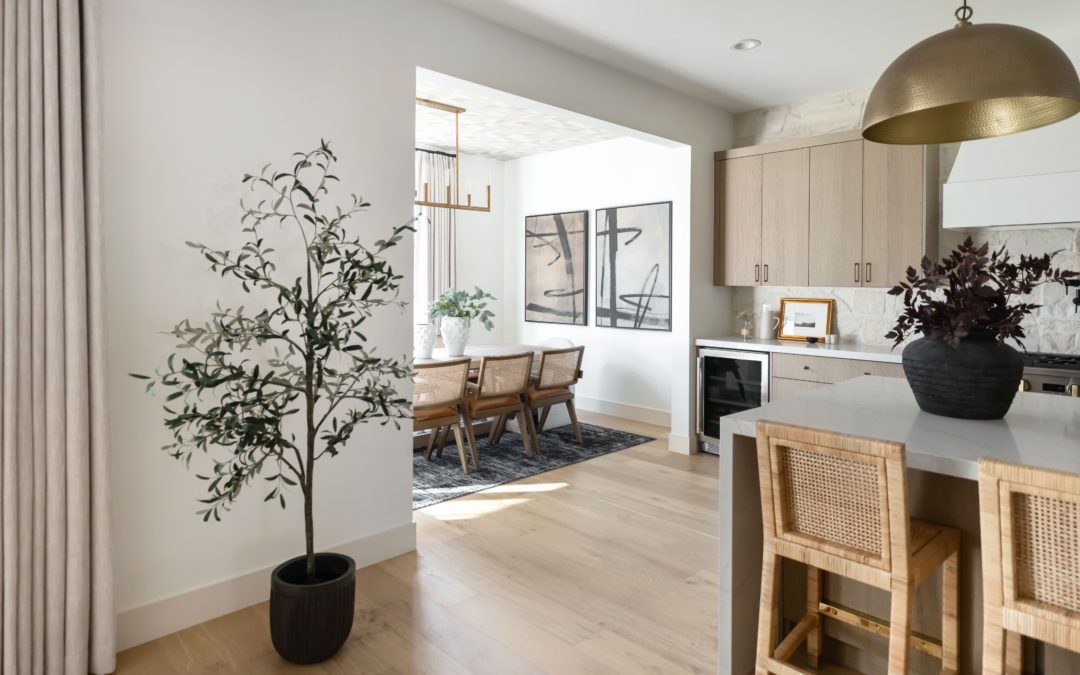
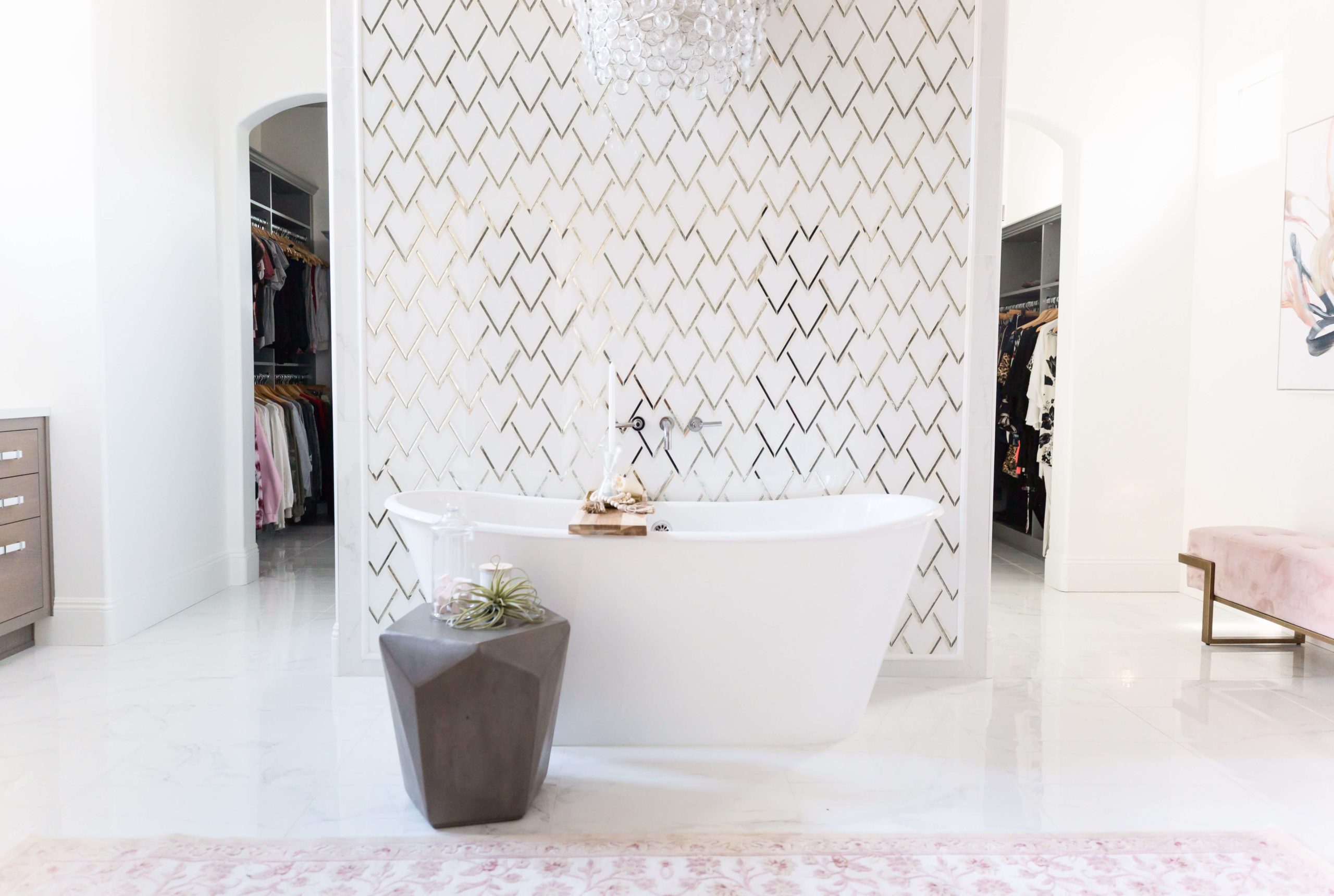
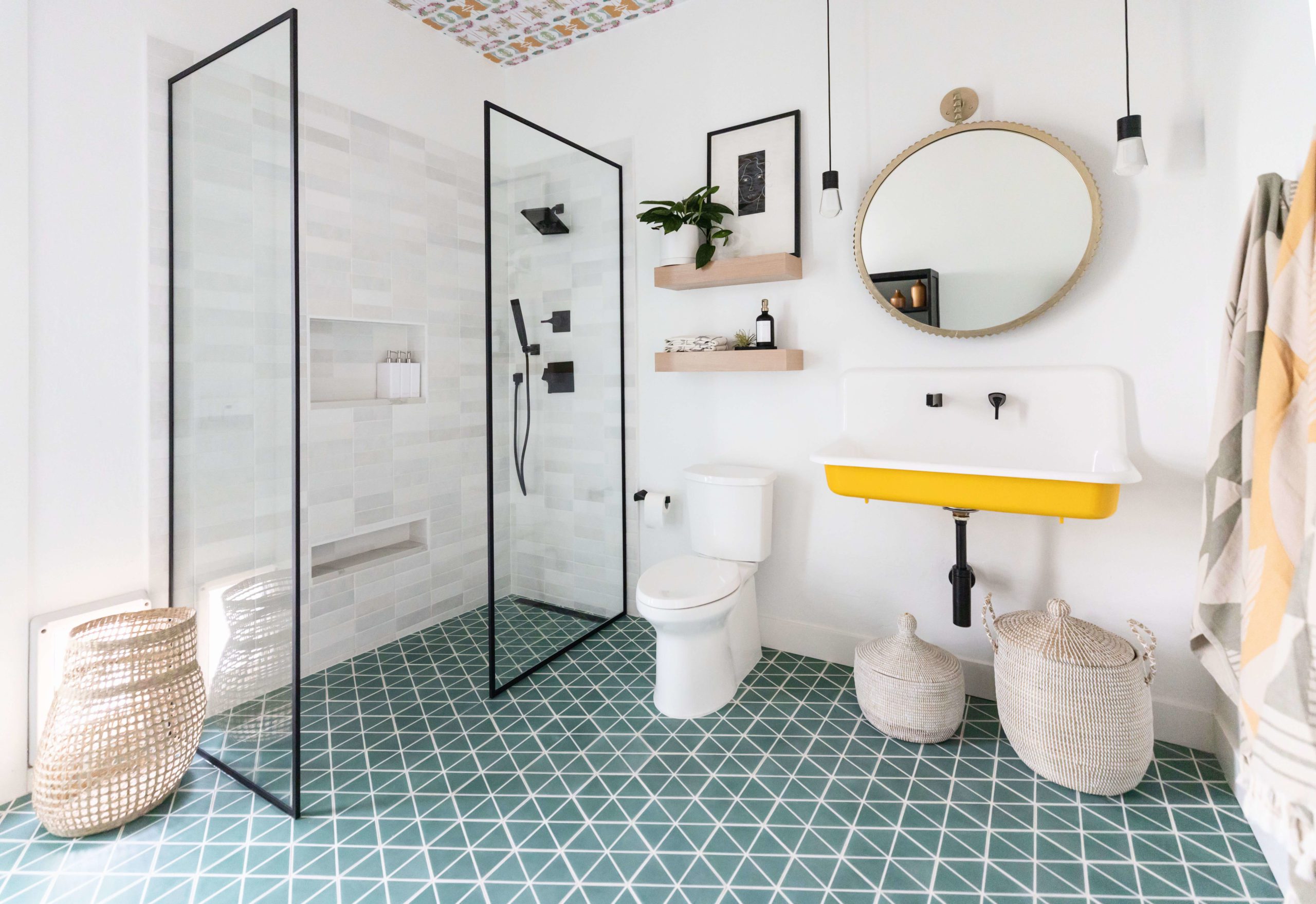
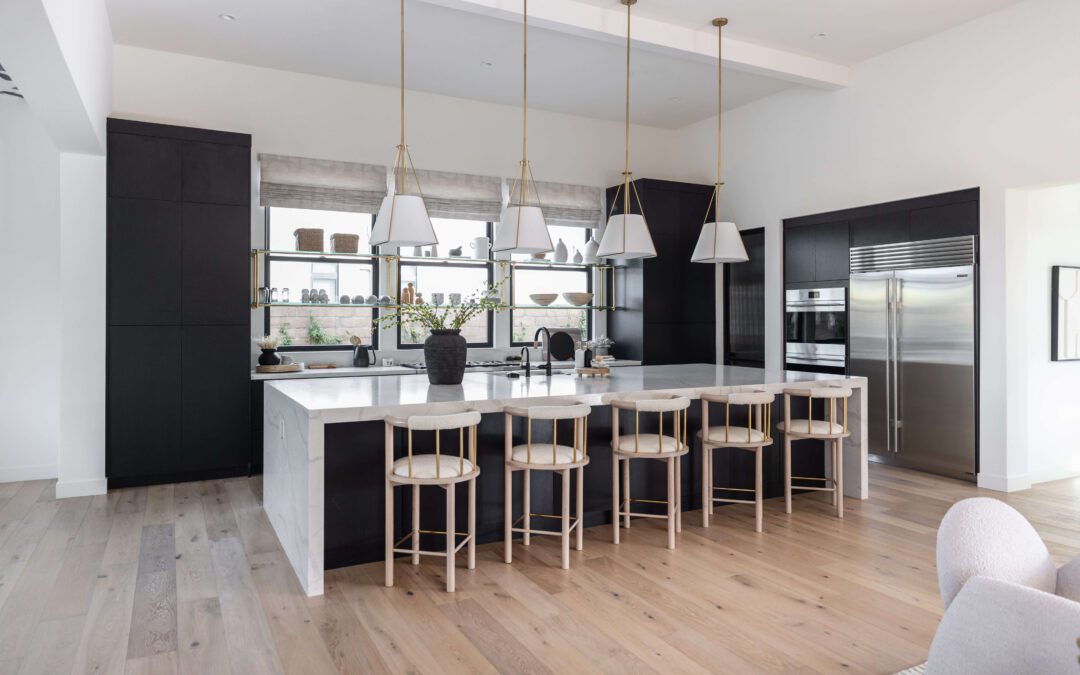
We completely transformed our client’s Chandler home through a comprehensive renovation, resulting in spaces that exude uniqueness and distinction. Starting with the front room, our goal was to create an inviting and comfortable space for our clients and their guests. The dining room was designedto be functional for hosting and also double as a workspace for remote work, achieved by incorporating a beautiful piece of furniture that discreetly hides work items. In the kitchen, we renovated to create a spacious island perfect for entertaining, complemented by carefully selected light fixtures that infuse personality into the space. This newly renovated kitchen gracefully transitions into the newly furnished family room. Continuing down the hall, you’ll find a vibrant teen space and bath, with the fifth wall tastefully adorned with wallpaper to add a unique design element. Lastly, the master bedroom and bath were meticulously designed, featuring textured wallpaper and a custom-colored tub that creates an indulgent and opulent space for our clients to relax and unwind.
We are excited to announce that we have been completing projects throughout the Phoenix-Metro area and are available to help with your next interior design project, home remodel, or general contracting needs. Below is a list of areas we regularly service.
Home Remodeling & General Contracting – Areas Served
Lauren Lerner is the founder and principal designer of Living with Lolo, Scottsdale’s luxury interior design and licensed design-build firm. Named Phoenix Magazine Best Interior Design three consecutive years, Lauren leads projects from concept through construction for high-end homes in Scottsdale, Paradise Valley, and Phoenix.
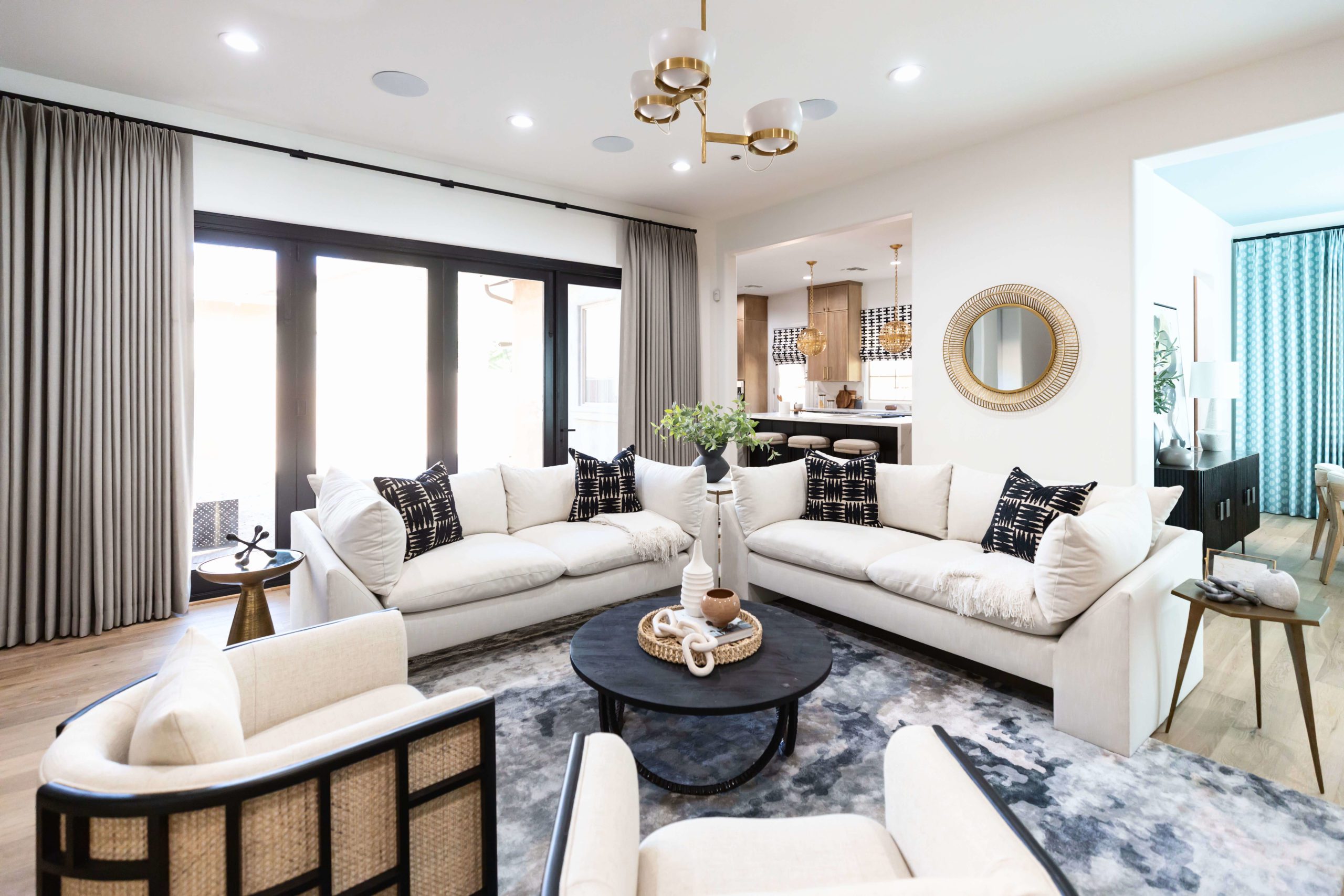
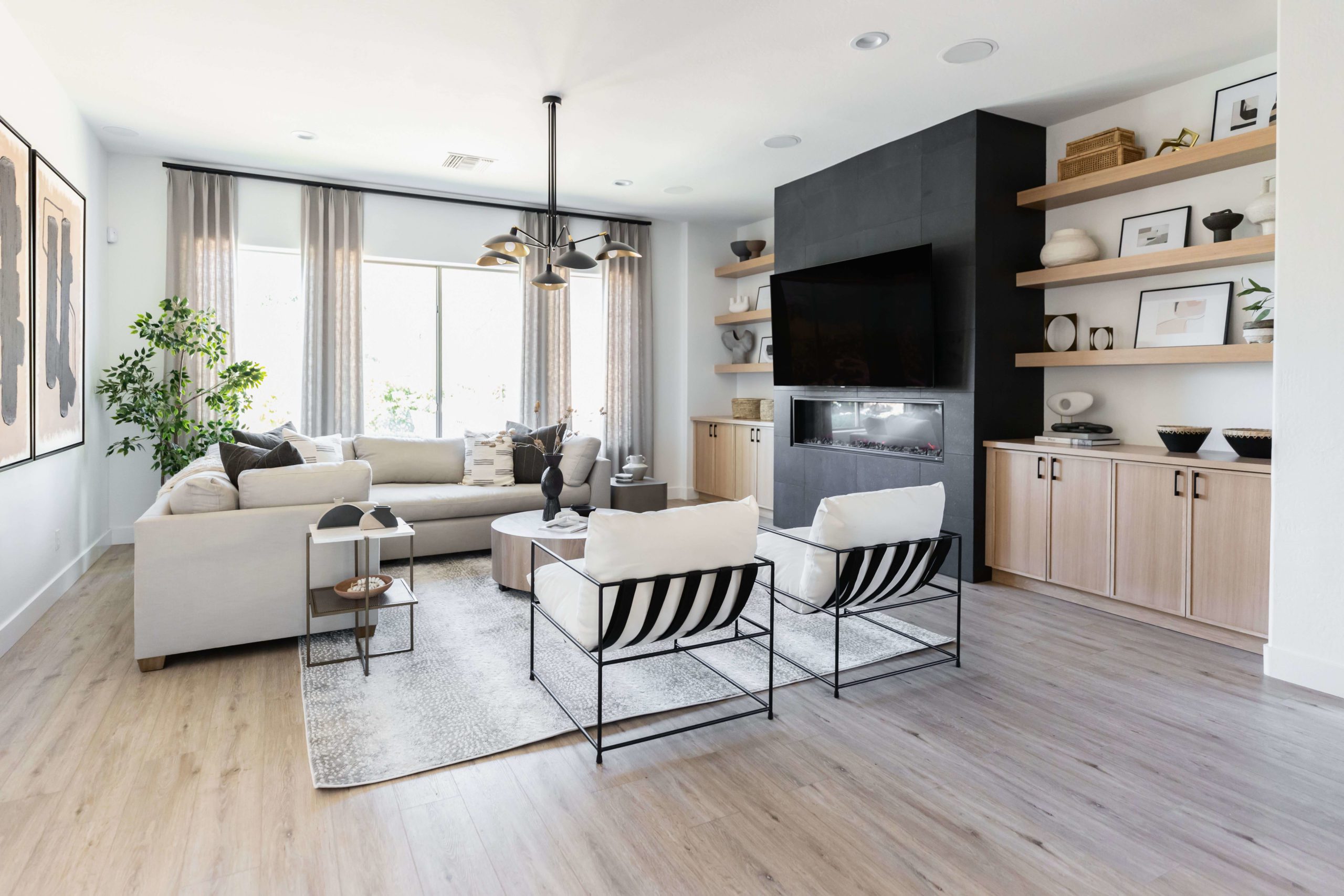
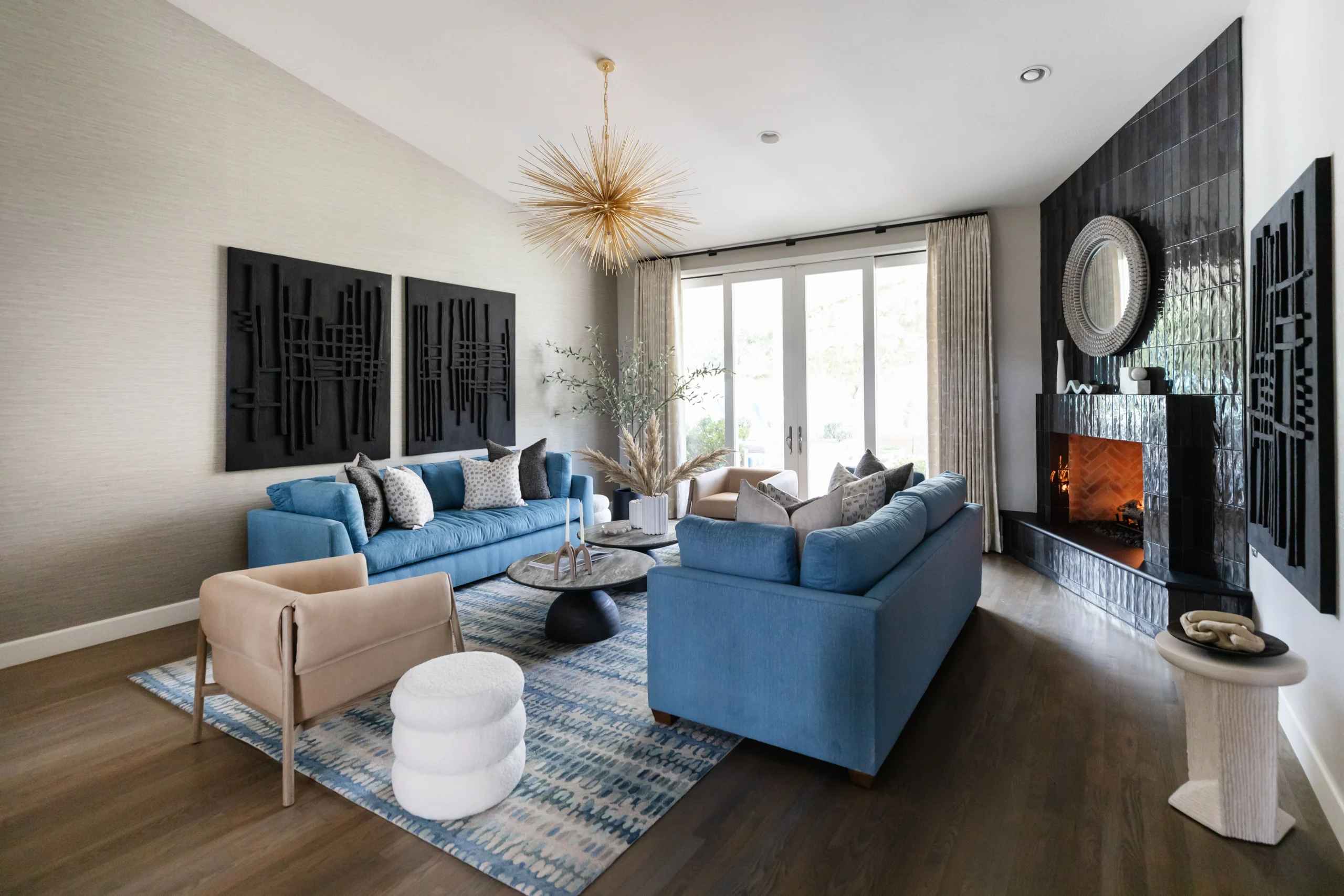
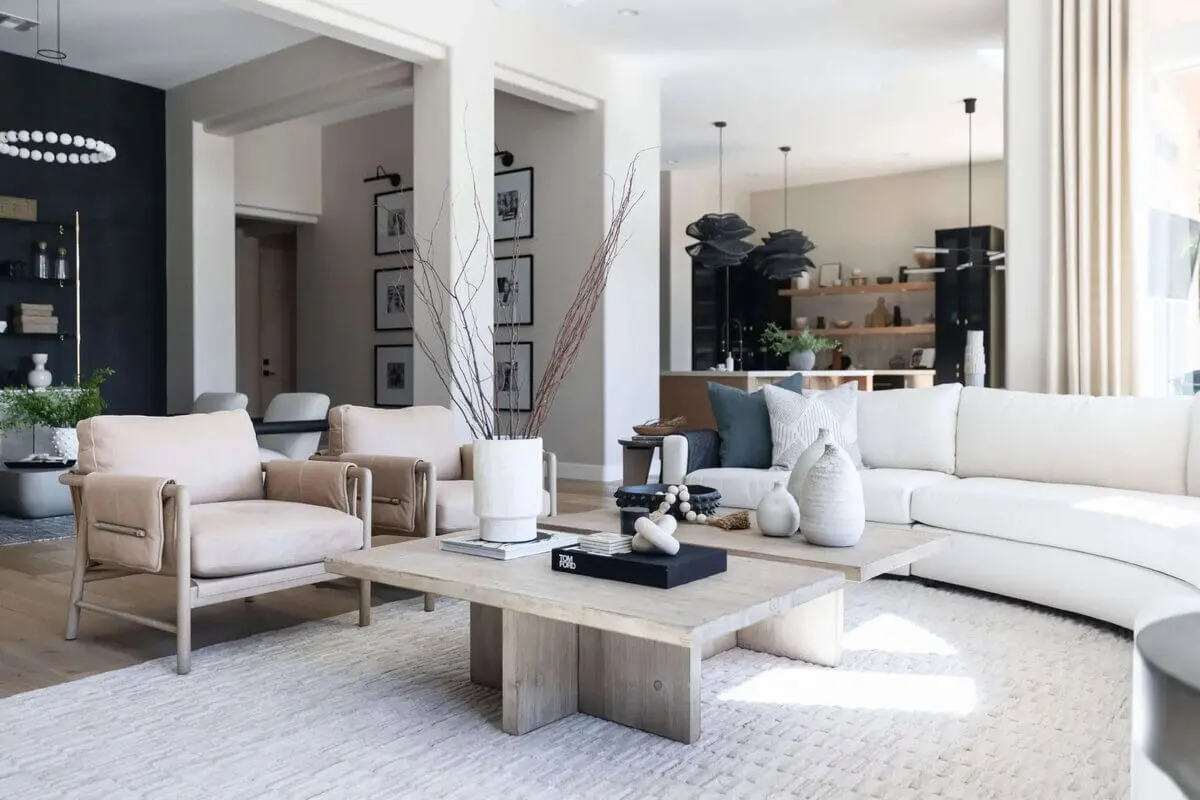
Innovative Design: Interior Design Ideas for Modern Living Rooms
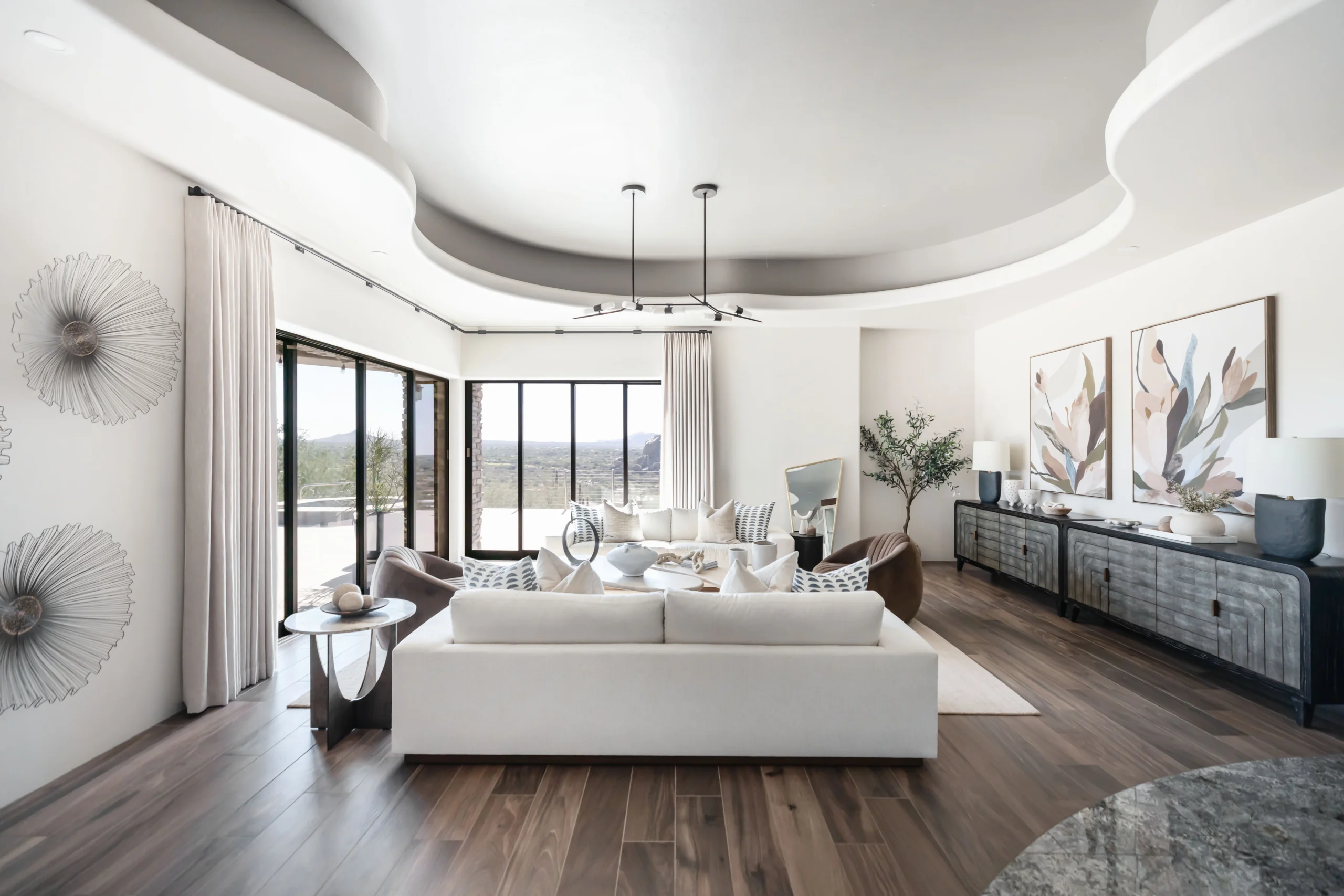
Are you ready to breathe new life into your living room? At Living With Lolo, we understand the importance of a well-designed living space. Join us as we explore a variety of living room interior design that cater to different styles, sizes, and budgets.
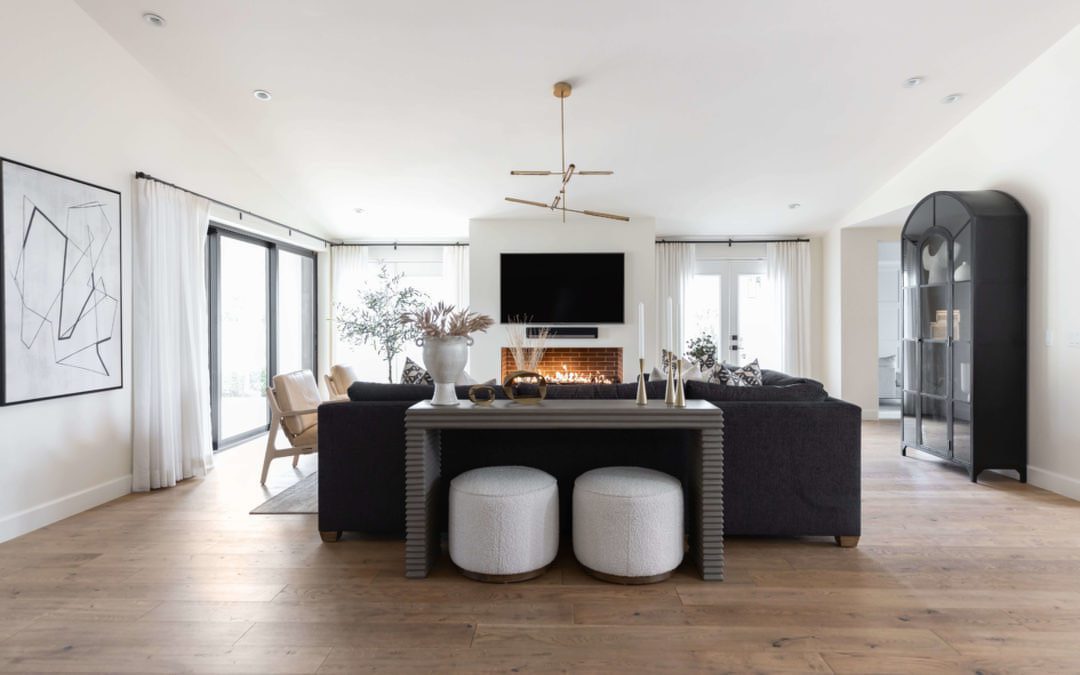
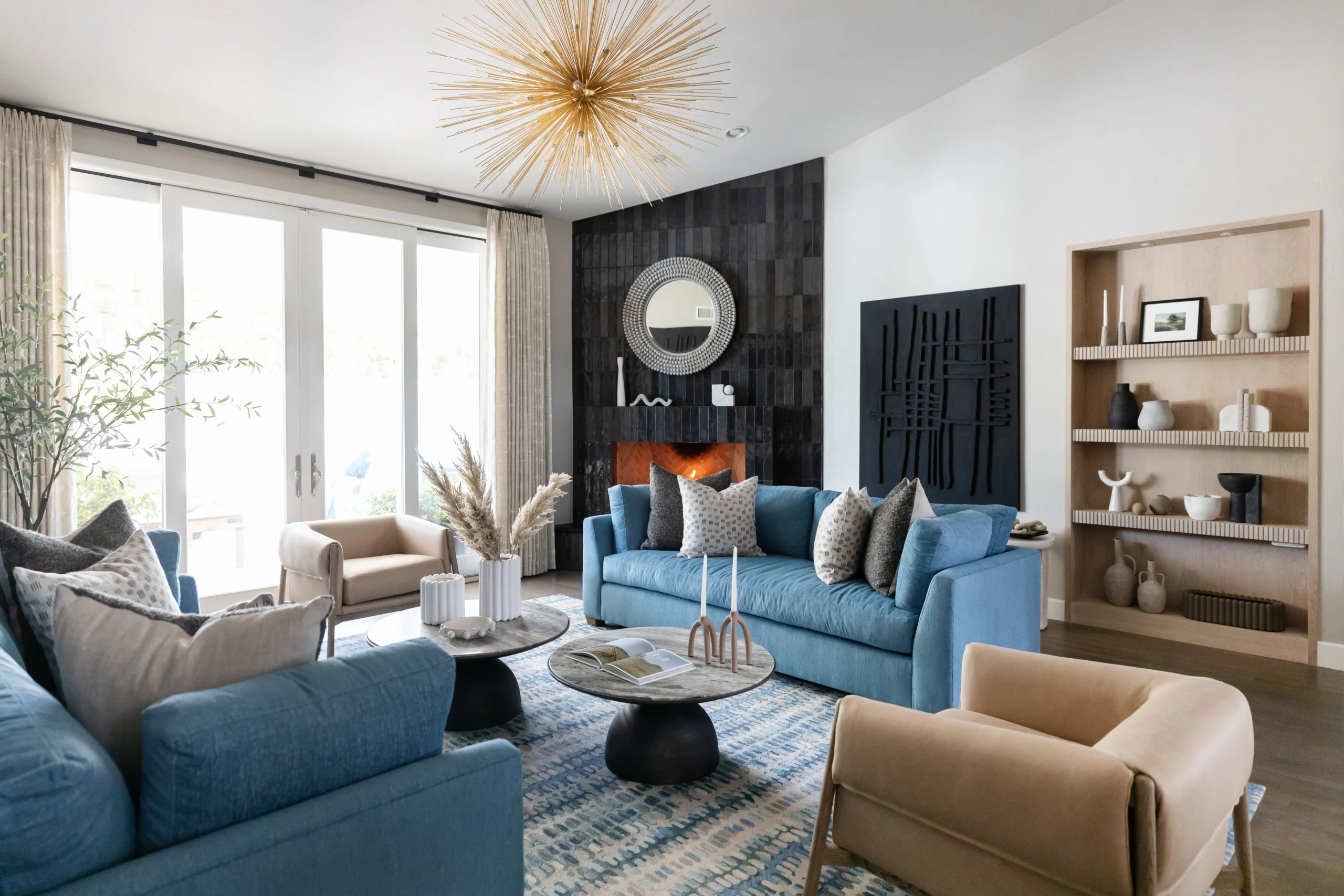
Step into the future with innovative Interior design ideas for modern living rooms. Discover sleek furniture, minimalistic decor, and smart layouts that embrace contemporary living. Elevate your space with cutting-edge design that harmonizes functionality and style.
Cozy and Chic: Implementing Interior Design Ideas in Small Living Spaces
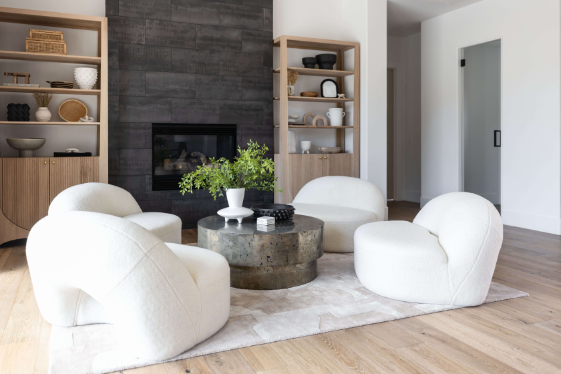
Limited space doesn’t mean compromising on style. Learn how to make the most of small living areas with cozy and chic interior design ideas. From strategic furniture placement to space-saving decor, transform your compact living room into a welcoming retreat.
Colorful Vibes: Adding Personality with Bold Interior Design Ideas
Inject personality into your living room with bold and vibrant interior design ideas. Explore the use of colors, patterns, and eclectic decor to create a lively and energetic atmosphere. Let your living room reflect your unique style with a burst of colorful vibes.
Timeless Elegance: Classic Interior Design Ideas for Living Rooms
Some styles never go out of fashion. Dive into the world of timeless elegance with classic interior design ideas for living rooms. Embrace sophisticated furniture, rich textures, and a color palette that stands the test of time, creating a space of enduring beauty.
Budget-Friendly Brilliance: Affordable Interior Design Ideas for Living Spaces
Transform your living room without breaking the bank. Discover budget-friendly interior design ideas that bring brilliance to your space on a budget. From DIY projects to affordable decor options, achieve a stylish living room without compromising your financial plan.
Curious about how Living With Lolo can assist with your Interior Design? Visit us for expert advice, personalized solutions, and a range of options to suit your style preferences and budget.
In conclusion, your living room is a canvas waiting to be adorned with creativity and style. Living With Lolo is your guide to unlocking a world of Interior Design Ideas for Living Rooms. Visit us today to learn more about our services and embark on the journey to elevate your living space!
Lauren Lerner is the founder and principal designer of Living with Lolo, Scottsdale’s luxury interior design and licensed design-build firm. Named Phoenix Magazine Best Interior Design three consecutive years, Lauren leads projects from concept through construction for high-end homes in Scottsdale, Paradise Valley, and Phoenix.
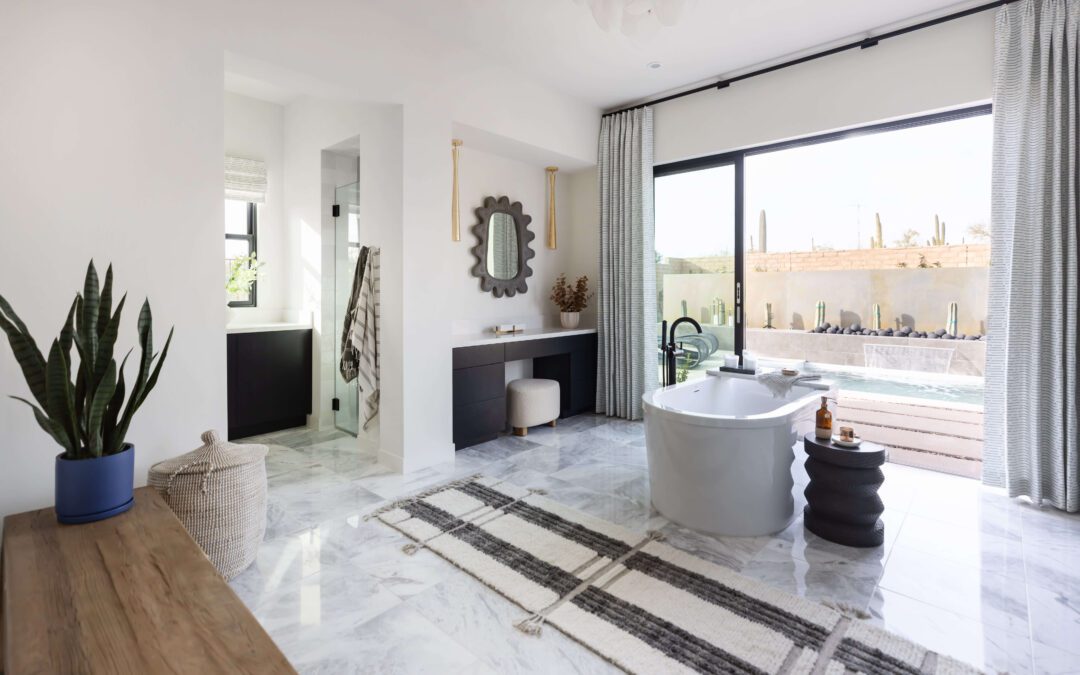
Bathroom Redesign Ideas To Inspire Your Next Project
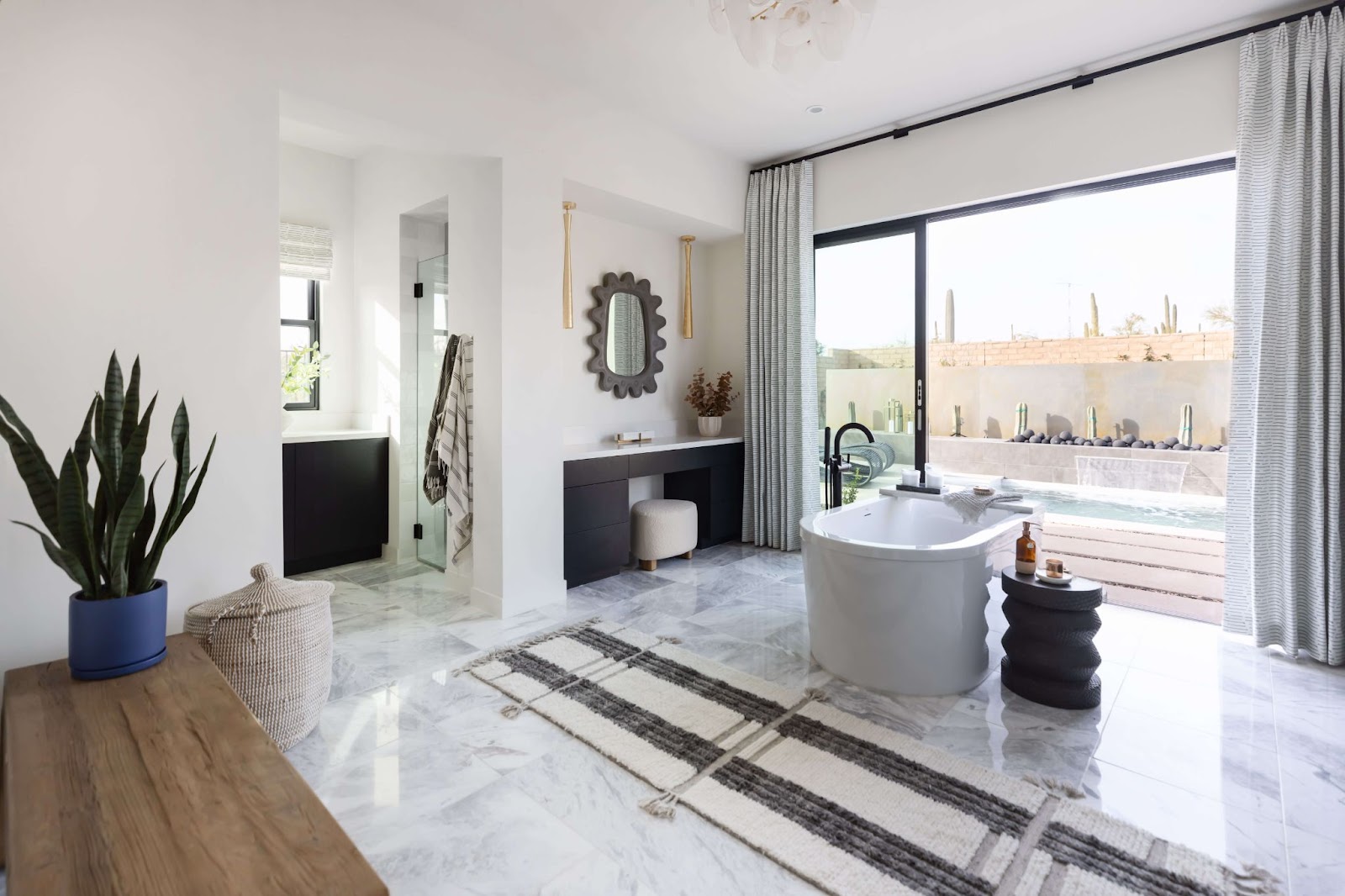
Ready for a bathroom redesign that merges the essences of sophistication and comfort? You’re in the right place. At Living With Lolo, we believe every corner of your home should be crafted to embody your personality, and your bathroom is no exception. Join our top luxury interior design firm as we take a journey into the realm of bathroom redesign anddelight you with a few ideas to elevate your space!
Bathroom Redesign Idea #1: Find Ways To Incorporate Pops Of Color
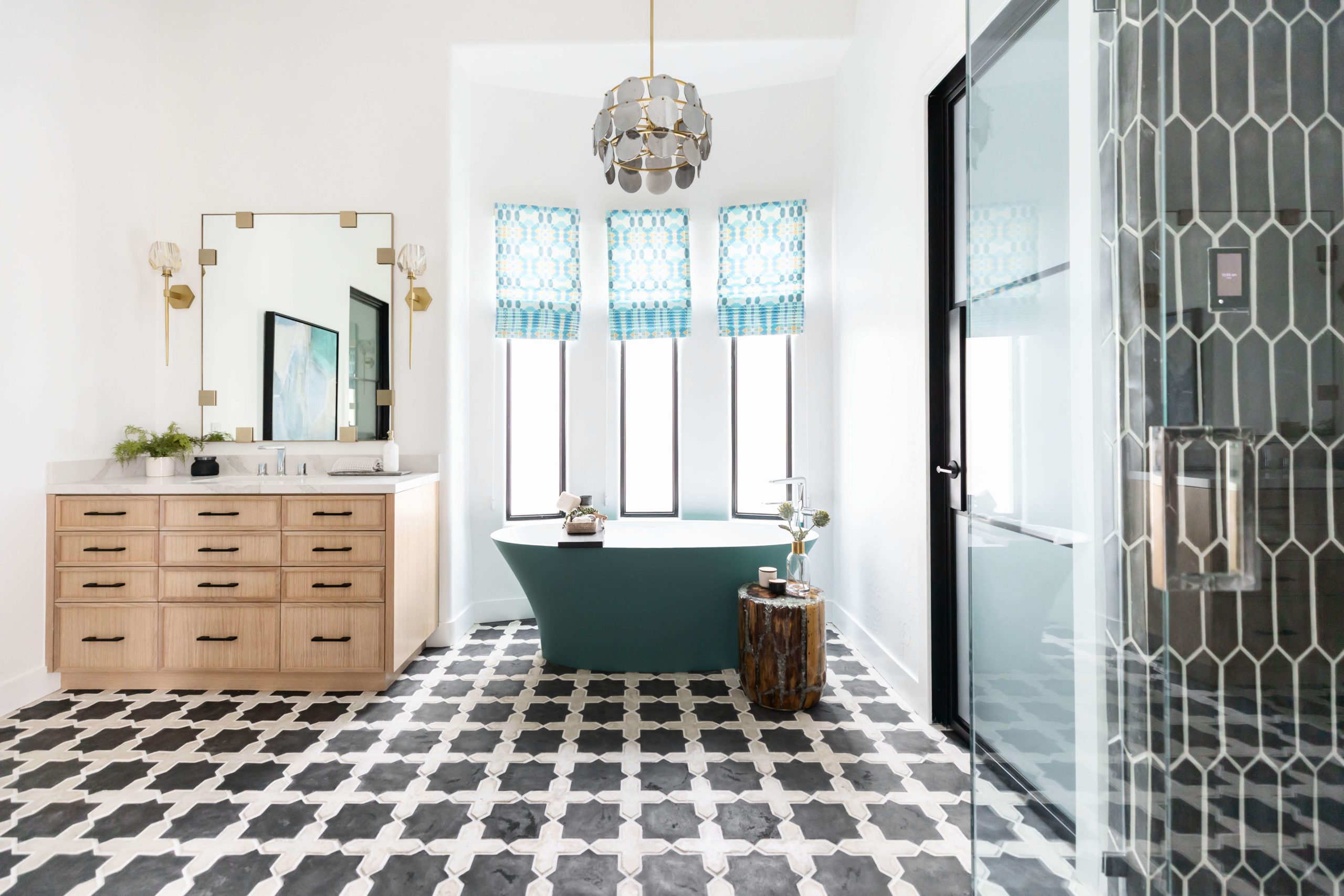
When it comes to bathroom redesign, one of the most effective ways to breathe new life into the space is by incorporating pops of color. A well thought out color scheme can transform a dull and uninspiring bathroom into a vibrant and inviting space. While you design your bathroom, it’s important to recognize the importance of deciding on a color scheme and how to add pops of color that make the design eye-catching.
The first thing on the agenda for your bathroom redesign should be a thoughtful color scheme. Whether you aim for soft, calming tones or bold, playful hues, sticking to a consistent color scheme has the power to create a cohesive story within your bathroom. However, don’t let this stop you from adding touches of vibrance in creative ways. Time and time again, we’ve preached about finding innovative ways to do this. Our secret weapon for adding color contrast in a bathroom redesign is utilizing tiles, hardware, or decor like shower curtains, rugs, and art. Another bathroom redesign tip: incorporate colorful or bold pendant lighting to add texture or color variation.
Bathroom Redesign Idea #2: Upgrade Your Amenities To Enhance Luxury
What good is a bathroom redesign without luxury in mind? Picture this: your bathroom has a definitive color scheme and decor that keeps it captivating, yet cohesive. Now, it’s time to start thinking about what upgrades are most fitting. Your bathroom should be a sacred space for starting your day and getting un-ready, so picking out the luxe details that are tailored specially for you and your routine is a top priority.
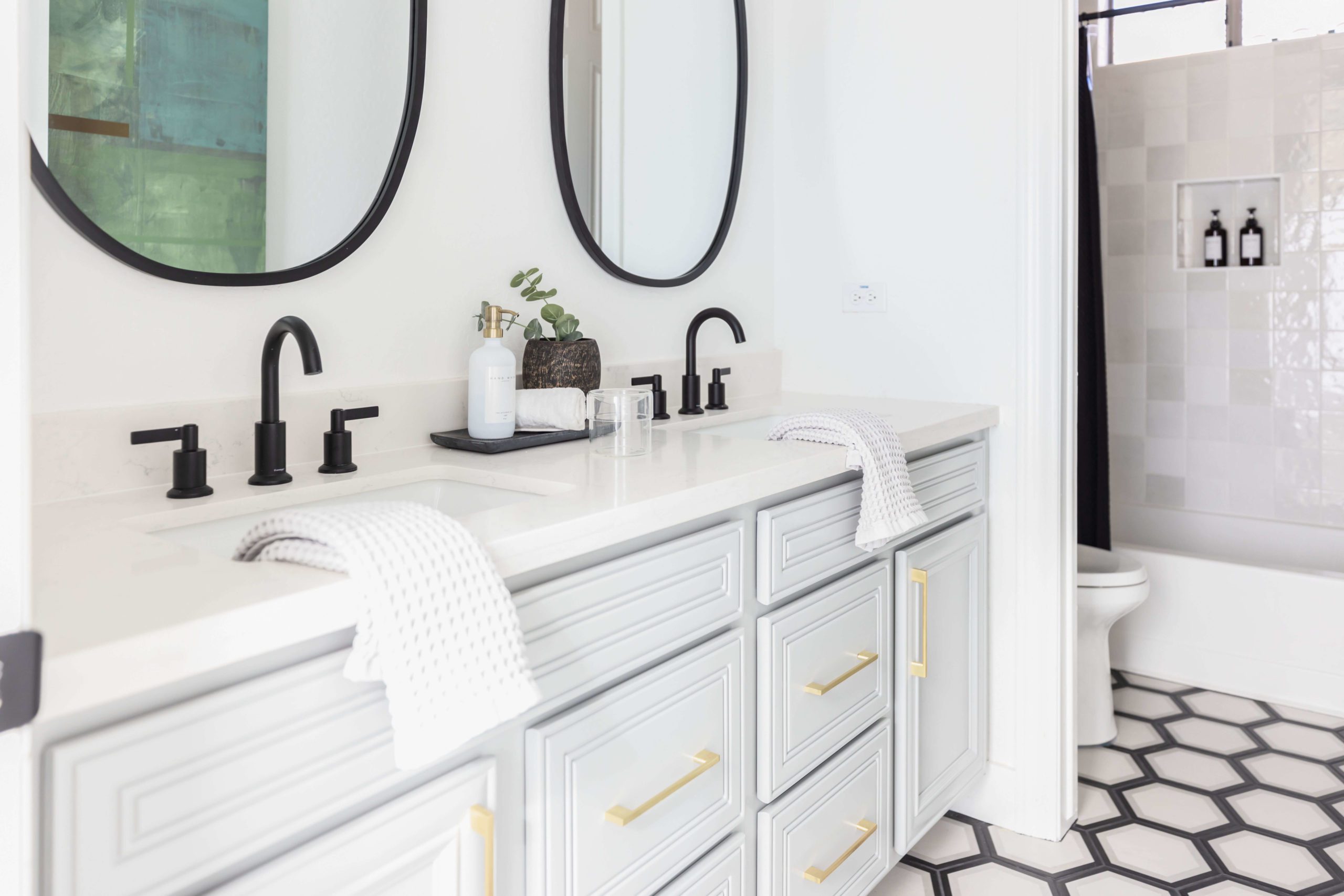
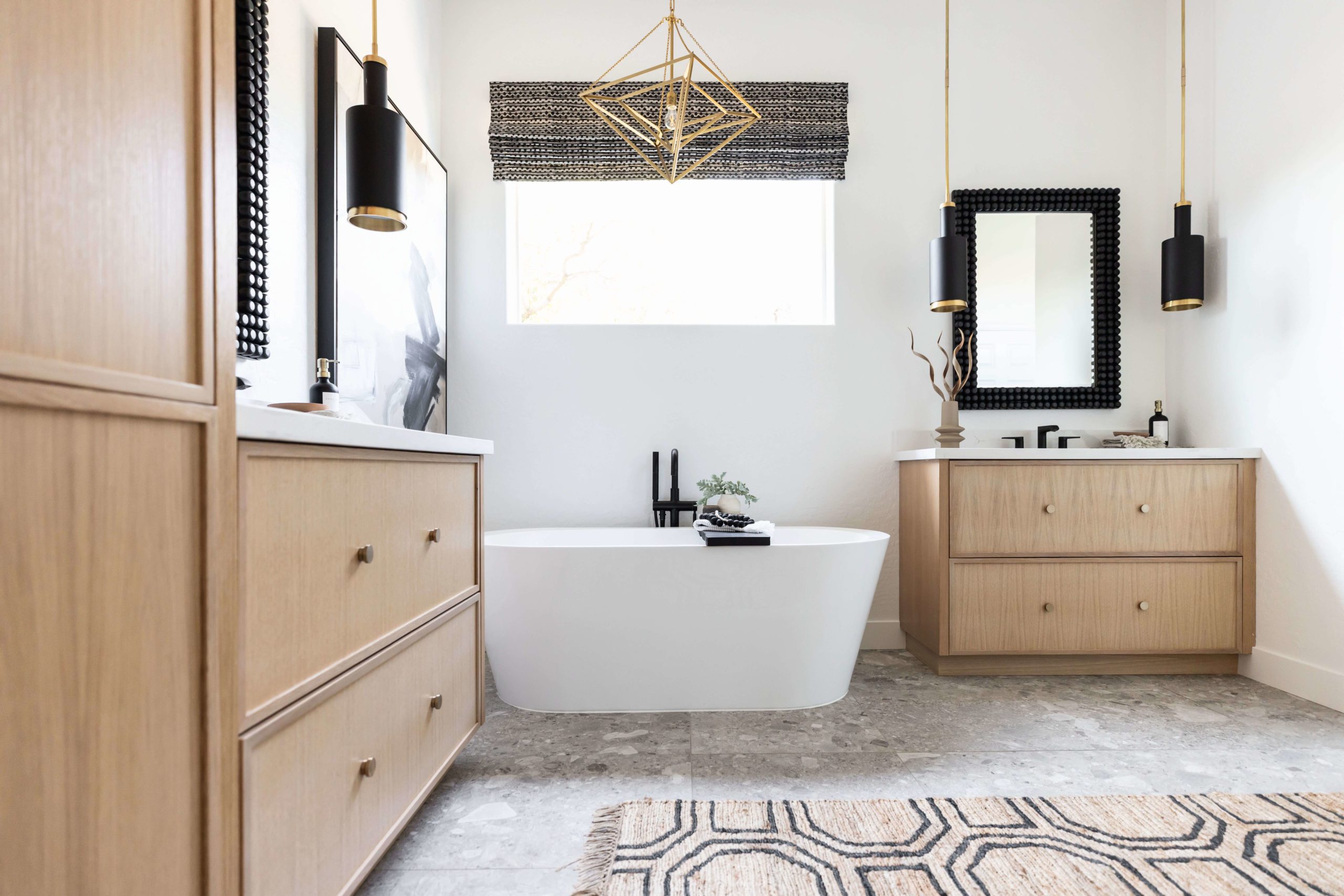
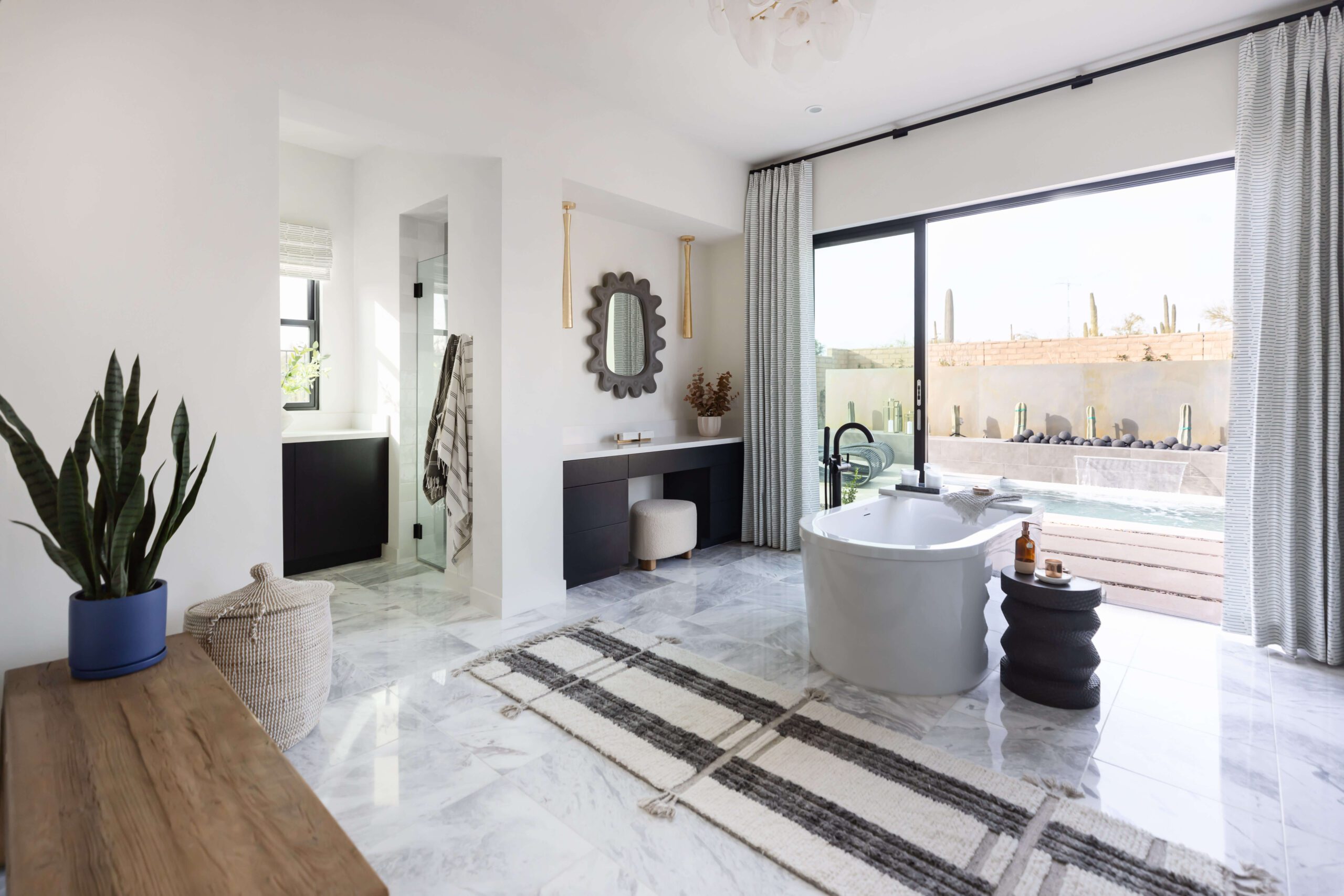
It’s the little luxuries that can take your bathroom redesign to new heights. In our Monte Lindo Project, for example, we incorporated His and Her vanities to ensure the couple had plenty of space while maintaining chic and glamour. From selecting the right vanity to installing dimmable lighting, a waterfall shower head, or heated flooring, adding personalized amenities to your bathroom redesign adds luxury to your everyday routine.
Bathroom Redesign Idea #3: Make Your Storage Solutions Clever and Chic
In a bathroom redesign, an often overlooked yet crucial aspect is storage. When creating a stylish space that is free of clutter, it’s essential to get innovative with ways to seamlessly integrate storage solutions into your design. There are dozens of avenues to explore when it comes to storage solutions, but it can get tricky when you try to maintain a chic design.
At Living With Lolo, we’ve become professionals in the art of concealed storage through built-in niches or vanities and mirrors with hidden storage. When working on a bathroom redesign from scratch, working shelving into the blueprint can be a lifesaver. If that isn’t an option, finding vanities and mirrors that stray from your average static fixture helps keep your space trim and tidy. Another great solution for storage in your bathroom redesign is finding cabinets that are functional and fitting. You can find cabinets in a variety of styles that can further enhance your bathroom redesign while helping you organize your home!
We hope that this blog has inspired your bathroom redesign project! If you’re searching for a more tailored interior design experience, we’re here to help. At Living with Lolo, our expertise lies in crafting homes with personalization and dedication in every detail. Our team is committed to understanding your needs, preferences, and budget while creating a design that suits your unique style.
We hope that this blog has inspired your bathroom redesign project! If you’re searching for a more tailored interior design experience, we’re here to help. At Living with Lolo, our expertise lies in crafting homes with personalization and dedication in every detail. Our team is committed to understanding your needs, preferences, and budget while creating a design that suits your unique style.
Contact us today to schedule a consultation and browse our Portfolio for more inspiration. Let’s make your new home interior design dreams come true together!
Lauren Lerner is the founder and principal designer of Living with Lolo, Scottsdale’s luxury interior design and licensed design-build firm. Named Phoenix Magazine Best Interior Design three consecutive years, Lauren leads projects from concept through construction for high-end homes in Scottsdale, Paradise Valley, and Phoenix.
Bathroom Redesign Ideas To Inspire Your Next Project
Ready for a bathroom redesign that merges the essences of sophistication and comfort? You’re in the right place. At Living With Lolo, we believe every corner of your home should be crafted to embody your personality, and your bathroom is no exception. Join our top luxury interior design firm as we take a journey into the realm of bathroom redesign anddelight you with a few ideas to elevate your space!
Idea #1: Find Ways To Incorporate Pops Of Color
When it comes to bathroom redesign, one of the most effective ways to breathe new life into the space is by incorporating pops of color. A well thought out color scheme can transform a dull and uninspiring bathroom into a vibrant and inviting space. While you design your bathroom, it’s important to recognize the importance of deciding on a color scheme and how to add pops of color that make the design eye-catching.
The first thing on the agenda for your bathroom redesign should be a thoughtful color scheme. Whether you aim for soft, calming tones or bold, playful hues, sticking to a consistent color scheme has the power to create a cohesive story within your bathroom. However, don’t let this stop you from adding touches of vibrance in creative ways. Time and time again, we’ve preached about finding innovative ways to do this. Our secret weapon for adding color contrast in a bathroom redesign is utilizing tiles, hardware, or decor like shower curtains, rugs, and art. Another bathroom redesign tip: incorporate colorful or bold pendant lighting to add texture or color variation.
Idea #2: Upgrade Your Amenities To Enhance Luxury
What good is a bathroom redesign without luxury in mind? Picture this: your bathroom has a definitive color scheme and decor that keeps it captivating, yet cohesive. Now, it’s time to start thinking about what upgrades are most fitting. Your bathroom should be a sacred space for starting your day and getting un-ready, so picking out the luxe details that are tailored specially for you and your routine is a top priority.
It’s the little luxuries that can take your bathroom redesign to new heights. In our Monte Lindo Project, for example, we incorporated His and Her vanities to ensure the couple had plenty of space while maintaining chic and glamour. From selecting the right vanity to installing dimmable lighting, a waterfall shower head, or heated flooring, adding personalized amenities to your bathroom redesign adds luxury to your everyday routine.
Idea #3: Make Your Storage Solutions Clever and Chic in Your Bathroom Redesign
In a bathroom redesign, an often overlooked yet crucial aspect is storage. When creating a stylish space that is free of clutter, it’s essential to get innovative with ways to seamlessly integrate storage solutions into your design. There are dozens of avenues to explore when it comes to storage solutions, but it can get tricky when you try to maintain a chic design.
Idea #4: Work With A Professional To Maximize Space
At Living With Lolo, we’ve become professionals in the art of concealed storage through built-in niches or vanities and mirrors with hidden storage. When working on a bathroom redesign from scratch, working shelving into the blueprint can be a lifesaver. If that isn’t an option, finding vanities and mirrors that stray from your average static fixture helps keep your space trim and tidy. Another great solution for storage in your bathroom redesign is finding cabinets that are functional and fitting. You can find cabinets in a variety of styles that can further enhance your bathroom redesign while helping you organize your home!
We hope that this blog has inspired your bathroom redesign project! If you’re searching for a more tailored interior design experience, we’re here to help. At Living with Lolo, our expertise lies in crafting homes with personalization and dedication in every detail. In conclusion, our team is committed to understanding your needs, preferences, and budget while creating a design that suits your unique style.
Contact us today to schedule a consultation and browse our Portfolio for more inspiration. Let’s make your new home interior design dreams come true together!
Lauren Lerner is the founder and principal designer of Living with Lolo, Scottsdale’s luxury interior design and licensed design-build firm. Named Phoenix Magazine Best Interior Design three consecutive years, Lauren leads projects from concept through construction for high-end homes in Scottsdale, Paradise Valley, and Phoenix.
Sleek Minimalist Spaces Need Unique Modern Interior Design Ideas
Great modern interior design ideas incorporate simplicity and functionality. Embrace the elegance of sleek minimalist spaces where less is more. At Living With Lolo, we specialize in transforming cluttered rooms into stylish, uncluttered havens. Explore our portfolio for inspiration on how to achieve a clean, sophisticated look in your home.
High-Tech Home Innovations
Stay ahead of the curve with high-tech home innovations that redefine modern living. From smart lighting systems to state-of-the-art security solutions, our experts can integrate cutting-edge technology seamlessly into your interior design. Experience the convenience of a fully automated home while maintaining a sleek and contemporary aesthetic.
Nature-Inspired Interiors Can Be Incorporated Into Modern Interior Deisgn Ideas
Bring the outdoors in with nature-inspired interiors. We have lots of ideas that often incorporate natural elements such as wood, stone, and indoor plants into your indoor spaces. We create a calming atmosphere in your home with earthy tones, organic textures, and abundant greenery. Our team can help you strike the perfect balance between modernity and nature, enhancing your space with a touch of tranquility.
Statement Art and Bold Colors
Make a statement with bold colors and captivating art pieces. Modern interior design ideas that allow for expression through vibrant hues and eye-catching art is always a good idea. Whether you prefer a pop of color in your furniture or a gallery wall adorned with contemporary art, we can guide you in selecting the perfect elements to infuse energy and personality into your space.
Open Concept Living
Embrace the spaciousness of open concept living, a hallmark of modern interior design. Knock down walls and create seamless transitions between rooms to enhance the flow of natural light and promote a sense of unity within your home. Our experts can help you optimize your space, ensuring a cohesive and visually appealing layout that aligns with modern design principles.
Modern Interior Design Ideas Should Work With Your Lifestyle
Modern interior design is not just a style; it’s a lifestyle. It’s about creating a space that reflects your personality, values, and aspirations. Let Living With Lolo be your partner in crafting a home that fells like modern living. Explore our website for more inspiring ideas and what our services can provide. With our passion for innovation and commitment to excellence, we can transform your space into a modern masterpiece. Start your modern interior design journey today and experience the ultimate in contemporary living.
Lauren Lerner is the founder and principal designer of Living with Lolo, Scottsdale’s luxury interior design and licensed design-build firm. Named Phoenix Magazine Best Interior Design three consecutive years, Lauren leads projects from concept through construction for high-end homes in Scottsdale, Paradise Valley, and Phoenix.
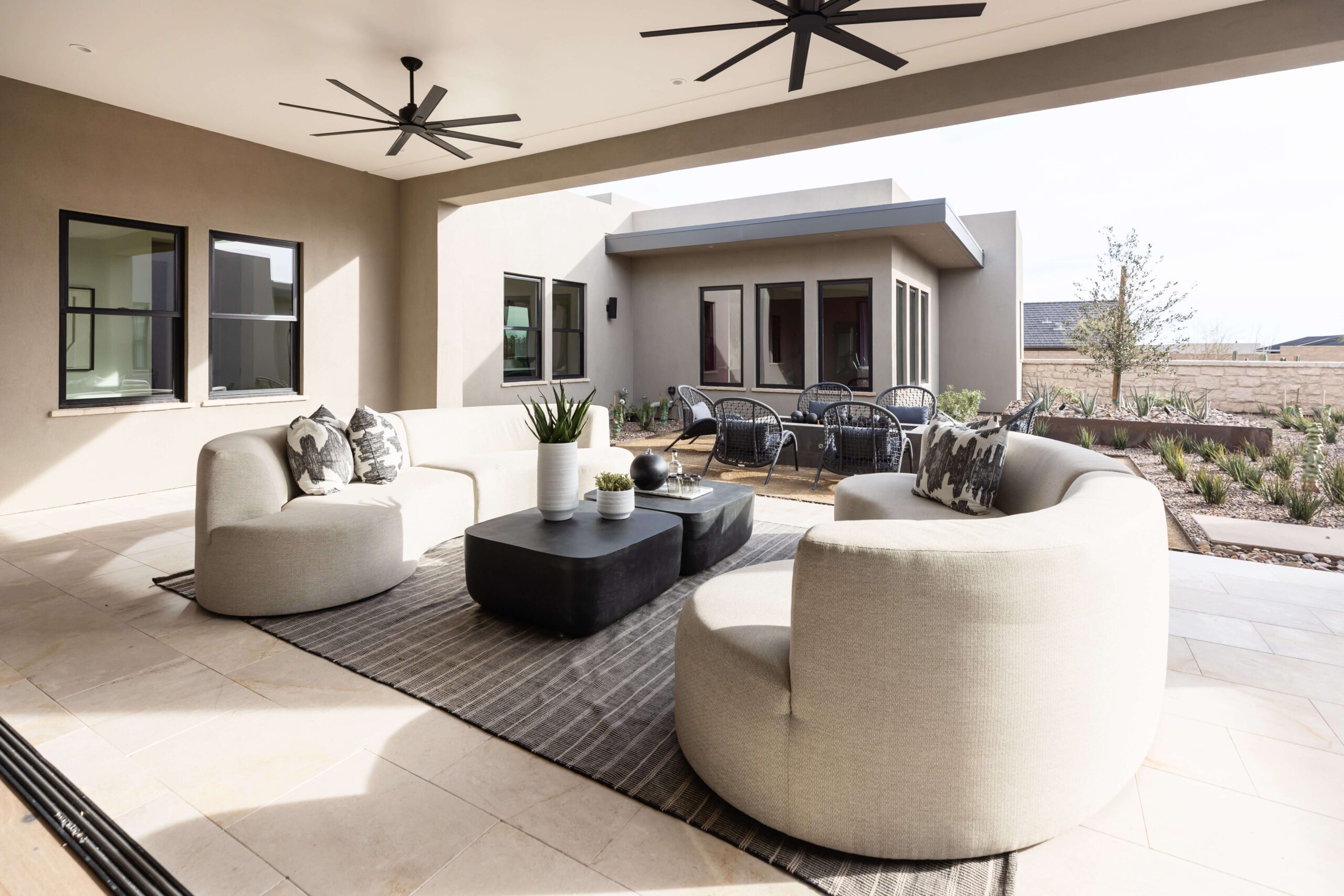
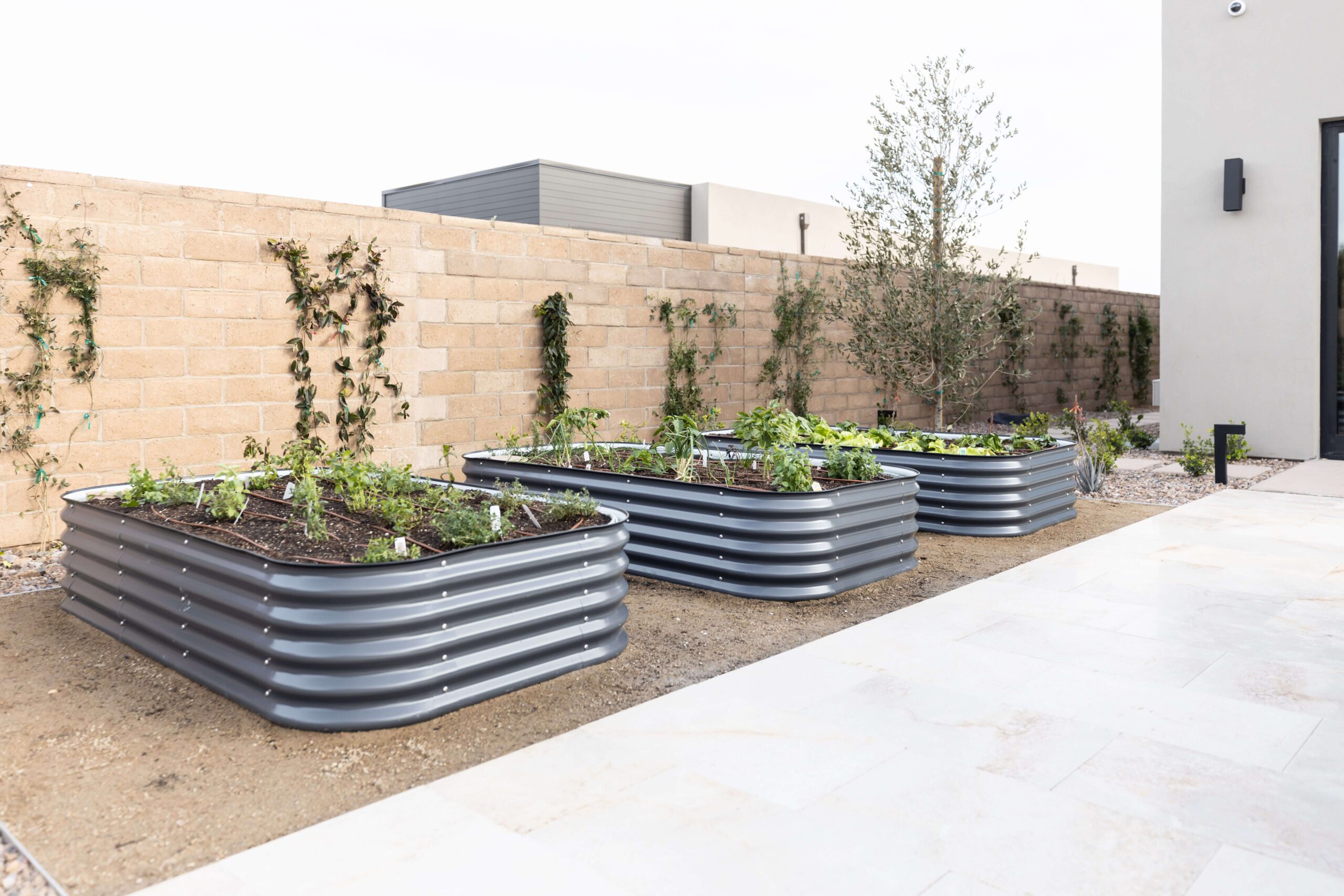
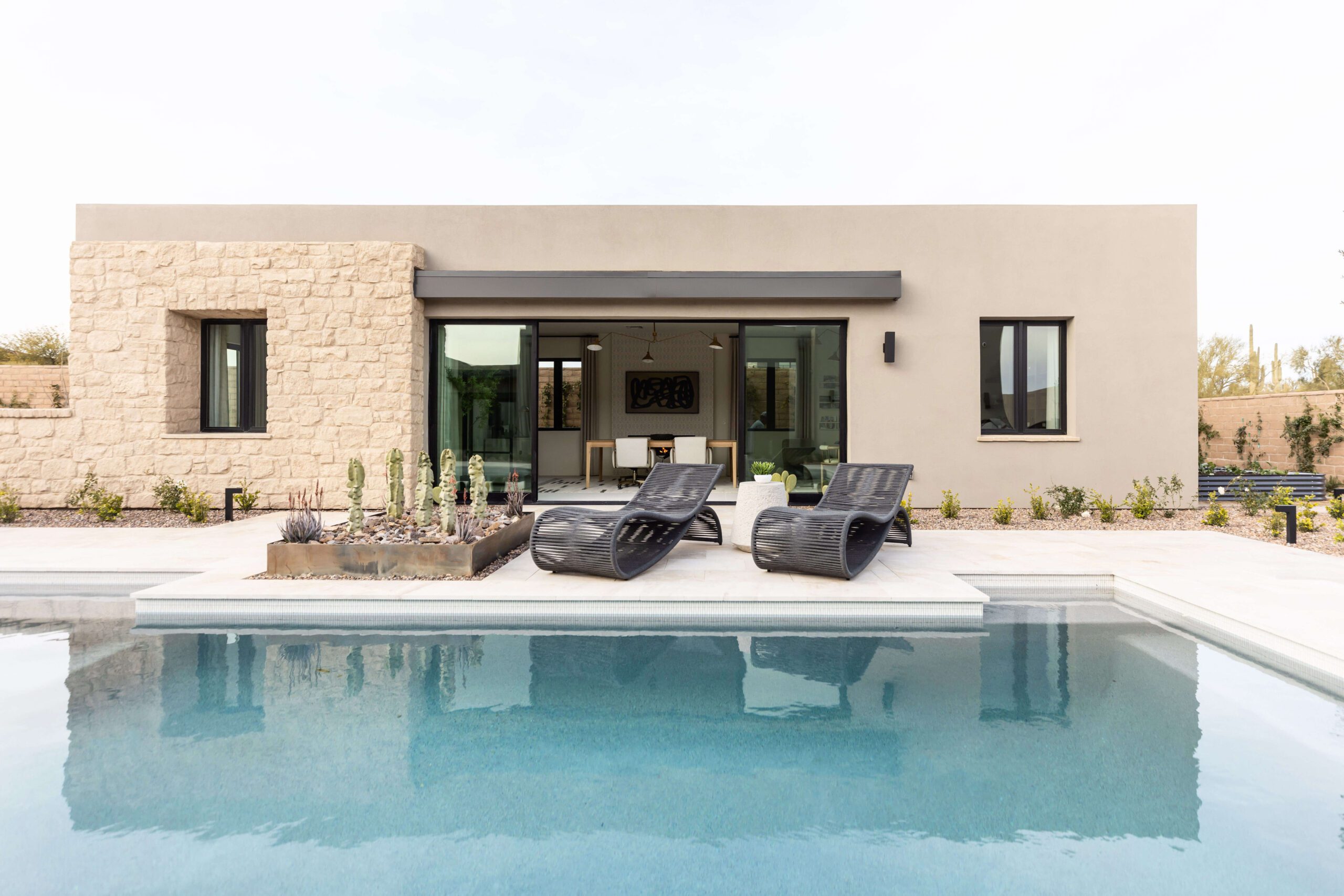
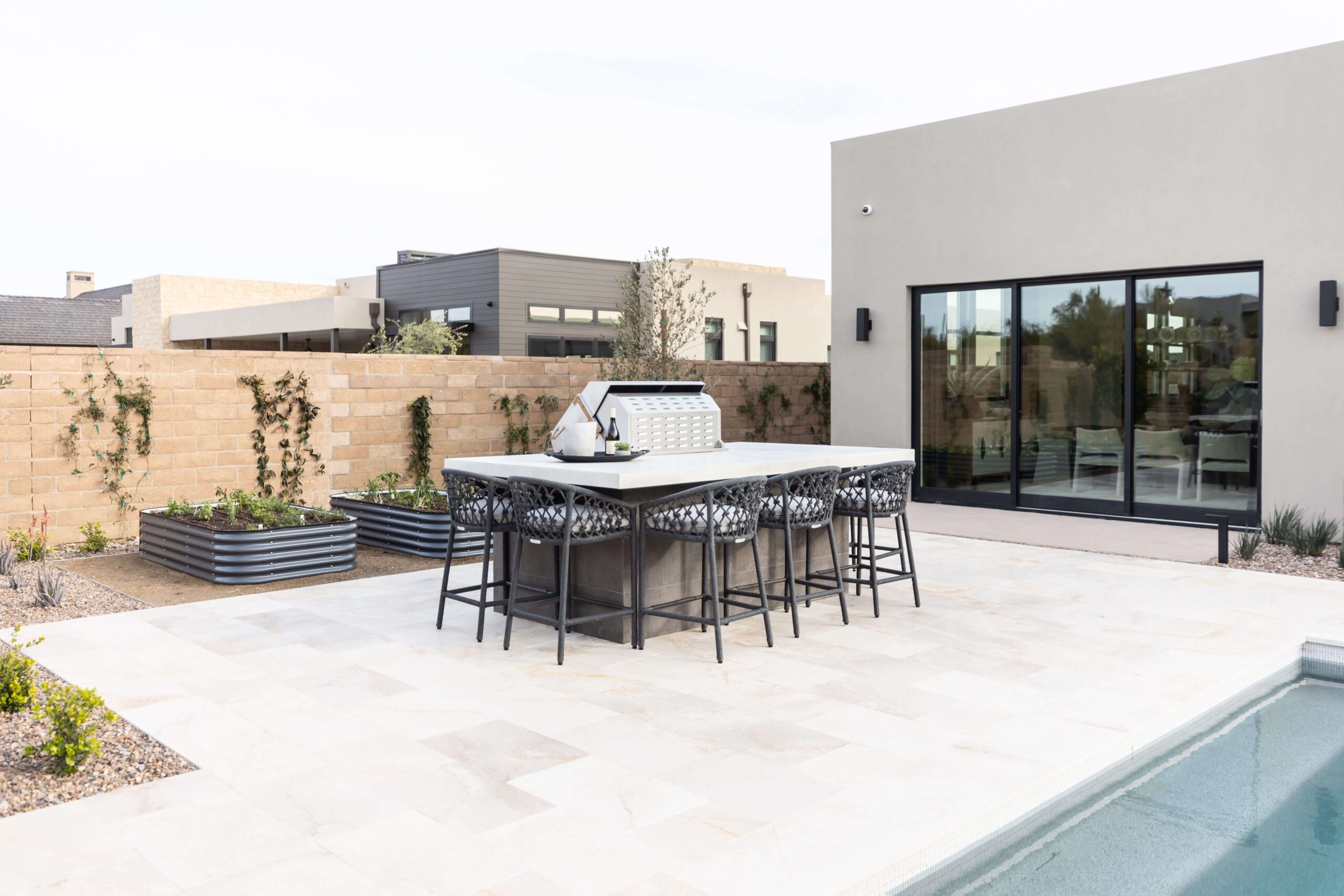
Is your backyard in need of a makeover? At Living With Lolo, we specialize in turning outdoor spaces into stunning havens of relaxation and entertainment. Discover a world of creative backyard design ideas that will transform your ordinary yard into an extraordinary retreat.
Cozy Outdoor Living Spaces
Imagine unwinding after a long day in a beautifully designed outdoor living area. Our backyard design ideas encompass cozy seating arrangements, chic patio furniture, and ambient lighting to create the perfect environment. Whether you prefer a rustic charm or modern elegance, our team can tailor the design to match your taste and lifestyle.
Lush Gardens and Greenery
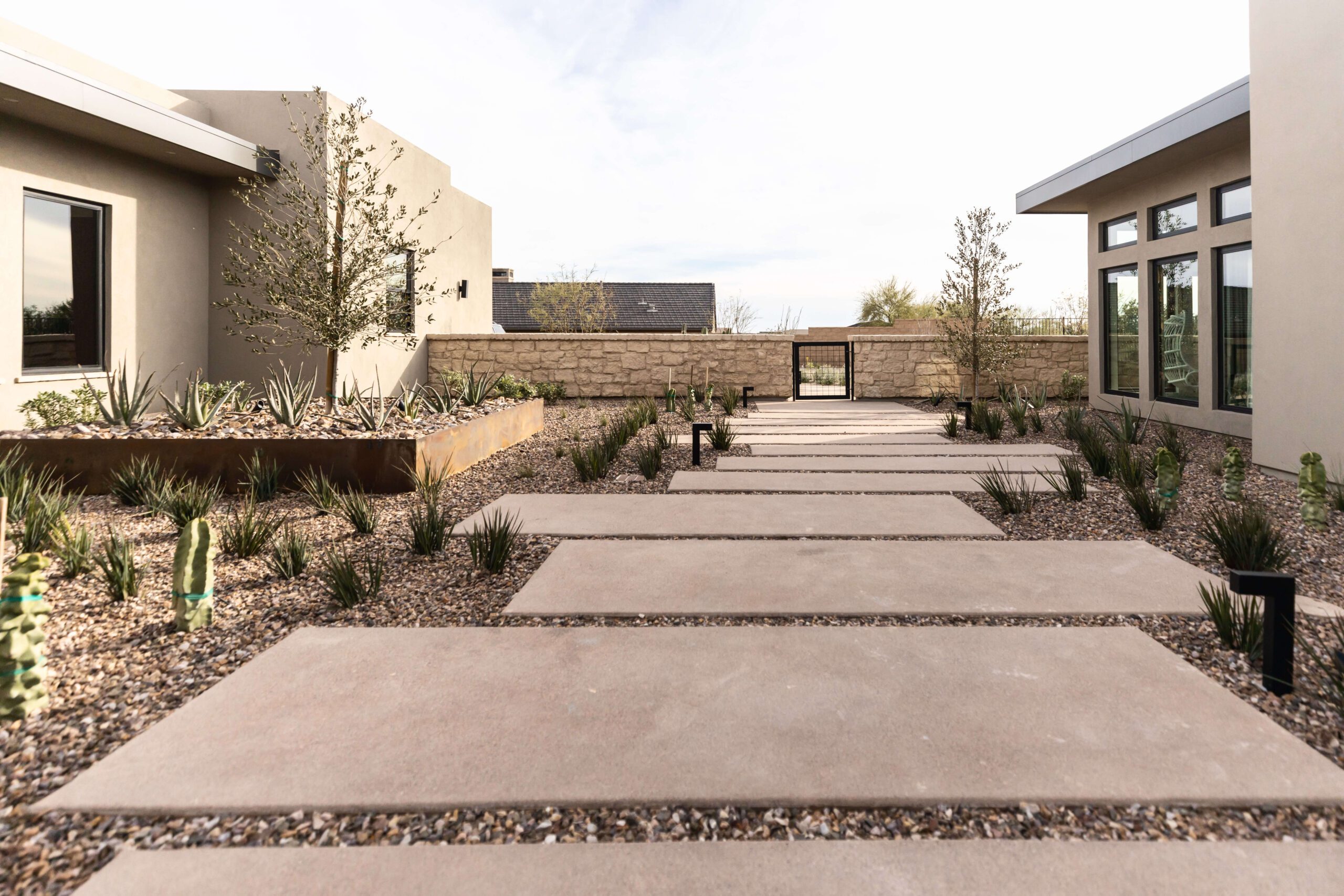
Embrace the beauty of nature with lush gardens and greenery in your backyard. Our landscape architects specialize in creating vibrant, sustainable gardens tailored to your climate and preferences. From vibrant flower beds to low-maintenance succulent arrangements, we can transform your backyard into a blooming paradise.
Poolside Oasis
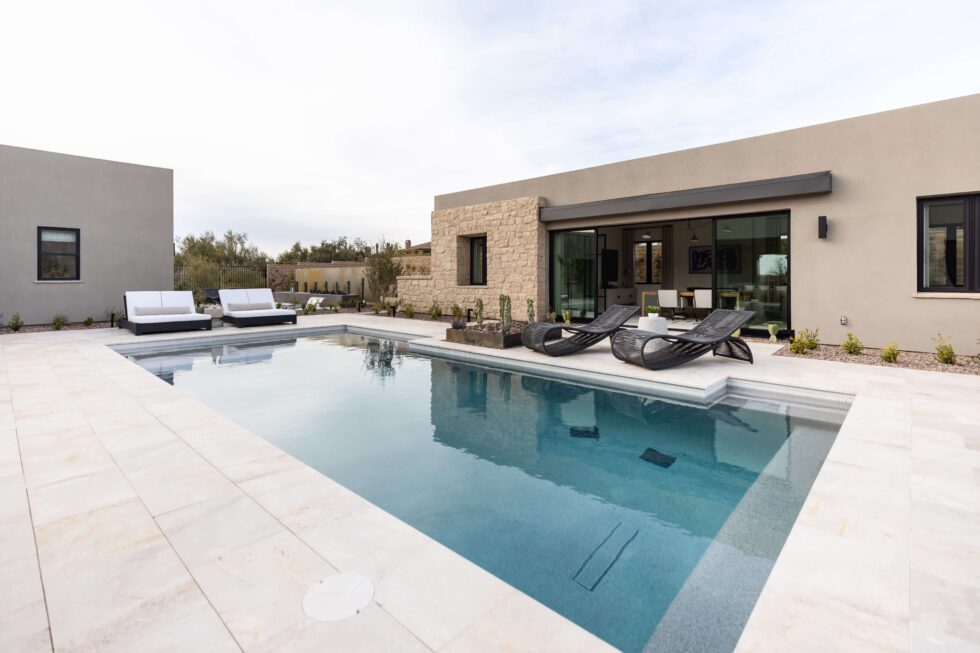
Dreaming of a poolside oasis in your backyard? Our experts at Living With Lolo can design a customized pool area that blends seamlessly with your outdoor space. Dive into luxury with elegant poolside loungers, refreshing water features, and exquisite landscaping, creating a serene oasis right in your backyard.
Outdoor Kitchen and Dining
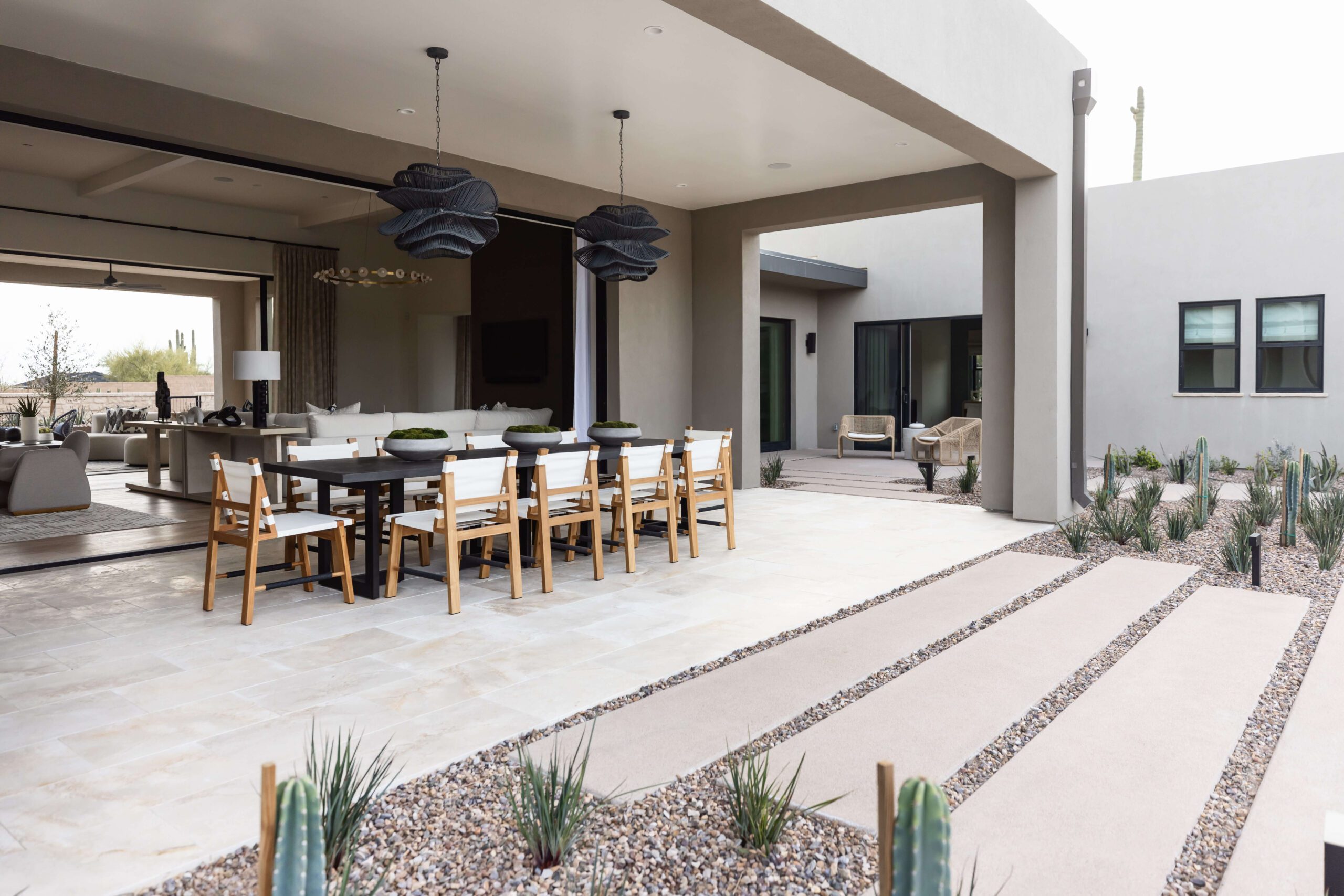
Entertain your guests in style with a functional outdoor kitchen and dining area. Our backyard design ideas include gourmet outdoor kitchen design equipped with state-of-the-art appliances, cozy dining spaces, and stylish barbecues. Whether you’re hosting a casual brunch or a festive dinner party, your backyard will be the talk of the town.
Your backyard is an extension of your home, a space where you can escape the hustle and bustle of everyday life. Let Living With Lolo turn your backyard dreams into reality. Explore our website for all our servicesand more inspiring backyard design ideas. With our passion for creativity and attention to detail, we can transform your outdoor space into a sanctuary you’ll never want to leave. Start your backyard transformation journey today and experience the ultimate in outdoor living.
Lauren Lerner is the founder and principal designer of Living with Lolo, Scottsdale’s luxury interior design and licensed design-build firm. Named Phoenix Magazine Best Interior Design three consecutive years, Lauren leads projects from concept through construction for high-end homes in Scottsdale, Paradise Valley, and Phoenix.