
Defining the style
What Is Wabi Sabi Interior Design?
Wabi sabi is a Japanese aesthetic philosophy centered on the beauty of imperfection, transience, and simplicity. In interior design, it translates to spaces that feel calm and grounded, rooms where natural materials age gracefully, where the occasional rough edge is intentional, and where the absence of excess is a design choice, not an oversight.
In Arizona, wabi sabi resonates naturally. The desert landscape already speaks this language: weathered stone, the rough texture of saguaro wood, sun-bleached linen, clay pots with uneven glazes. We approach wabi sabi interiors in Scottsdale and Paradise Valley by drawing on what is already here, natural light, desert tones, organic forms, rather than importing a look that does not belong.
Wabi sabi is not Modern Southwest's warm patina, not Modern Mediterranean's ornament, and not Transitional's furnished polish. It is the fewest objects a room can hold and still feel complete, worn just enough to feel true.
Wood, stone, clay, and linen, chosen to age rather than resist time.
Uneven glazes and visible grain treated as a feature, not a flaw.
Soft neutrals pulled from the desert rather than a paint deck.
Fewer objects, chosen with more care, and room enough to notice them.
Hand-thrown pottery and handwoven textiles with a visible human hand.
Daylight tracked through the day to reveal texture instead of flattening it.
How we apply it
The Building Blocks of a Wabi Sabi Home
Every material, finish, and furnishing decision is made with the full room in mind. Here is how we bring this style to life room by room.
Natural Elements
We incorporate natural elements like wood, stone, plants, and paper to create spaces that harmonize with the environment. These materials often showcase their natural textures and colors, forging a profound connection between the interior and the world outside.
Simplicity and Minimalism
Simplicity is at the heart of wabi sabi. Our designs follow a minimalist approach, where less is more. Spaces are decluttered, allowing each element to breathe and be appreciated. These spaces encourage mindfulness and a sense of tranquility through uncluttered simplicity.
Subdued Colors
We use subdued color palettes, with soft, muted, and earthy tones prevailing. These colors create a sense of calm and serenity, inviting contemplation and reflection. Natural light is harnessed to highlight the colors and textures of the materials, enhancing the overall ambiance.
Handcrafted and Artisanal
Our designs incorporate handcrafted and artisanal pieces, such as hand-thrown pottery and handwoven textiles. Our favorite accessories to style with are cherished for their uniqueness and the human touch they bring to your space, celebrating the beauty of craftsmanship.
Weathered and Aged Finishes
Matte plaster, unlacquered brass, and raw wood are left to develop patina rather than sealed against it. A wabi sabi home looks better in year five than it did on move-in day, because the materials were chosen to age well in the first place.
Curved, Organic Forms
Arched doorways, rounded plaster walls, and soft-edged furniture replace hard angles wherever the architecture allows. The curves are structural, not decorative, echoing the worn, organic lines of the desert itself.
Why it works here
Wabi Sabi Is the Desert's Own Design Language
Our Wabi Sabi Adobe project, a full home remodel and furnishings package in Scottsdale, took a home built with heavy Mediterranean detailing and gutted it down to curved forms, matte finishes, and natural materials chosen to age well over time. Read more about how we run a project from first call to final install in our process.
Living with Lolo's wabi sabi interior design clients in Scottsdale and Paradise Valley share a few traits. They have refined taste and are drawn to quiet, honest spaces over trend-driven ones. They want a home built from natural materials that improve with age, and they want a single team they can trust to manage every detail from concept through installation without having to oversee every trade themselves.
Most interior designers hand the project to a contractor once drawings are complete. At Living with Lolo, the designer and the contractor are the same team. Lauren Lerner holds both an interior design credential and Arizona General Contractor license ROC #347577, which means one contract, one team, and one point of accountability from concept through final installation.
For wabi sabi interiors in Scottsdale and Paradise Valley, this matters. Natural materials require careful sourcing and skilled installation. Structural changes to open a room to natural light require a licensed GC. Handcrafted and artisan pieces need a design eye to integrate correctly. Living with Lolo handles all of it under one roof, which is why homeowners across the Valley call us the Scottsdale interior design firm they trust with more than just the pretty parts.
Lauren Lerner leads each project personally. As both a licensed interior designer and a licensed Arizona general contractor (ROC #347577), Lauren brings the creative vision and the construction management together under one roof. Named Phoenix Magazine Best Interior Design three consecutive years (2024, 2025, and 2026), Living with Lolo is one of the most recognized luxury interior design firms in Scottsdale.
The most beautiful room in a wabi sabi home is the one that looks like it has always been there, worn just enough to feel true.
How we work
From First Conversation to Finished Home
Award-winning design and licensed general contracting under one roof. One contract, one point of contact, zero finger-pointing.
Discovery
A discovery call and virtual home consultation to understand your lifestyle, goals, and the bones of your home.
Design Presentation
A complete design concept: space plan, material palette, furniture selections, finish specifications, and 3D renderings.
Procurement and Construction
We handle all purchasing, permitting, and construction management as a licensed Arizona General Contractor (ROC #347577).
White-Glove Installation
You return to a fully installed home. Every piece of furniture, art, and accessory is placed exactly as designed.
Recent work
Wabi Sabi Projects in Scottsdale
Every project is designed from scratch. No templates, no repeat concepts. See more of our work.
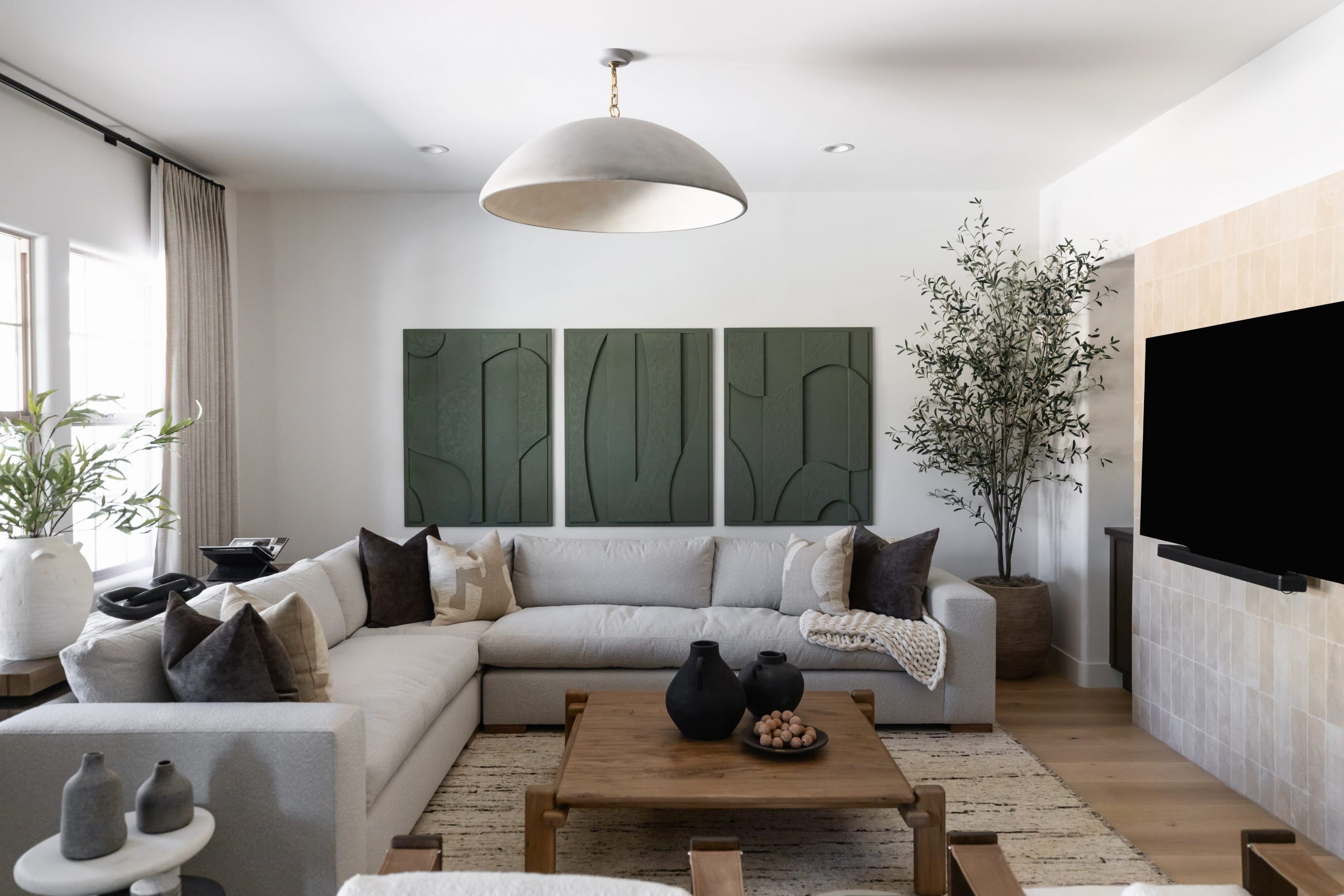
WABI SABI ADOBE - SCOTTSDALE
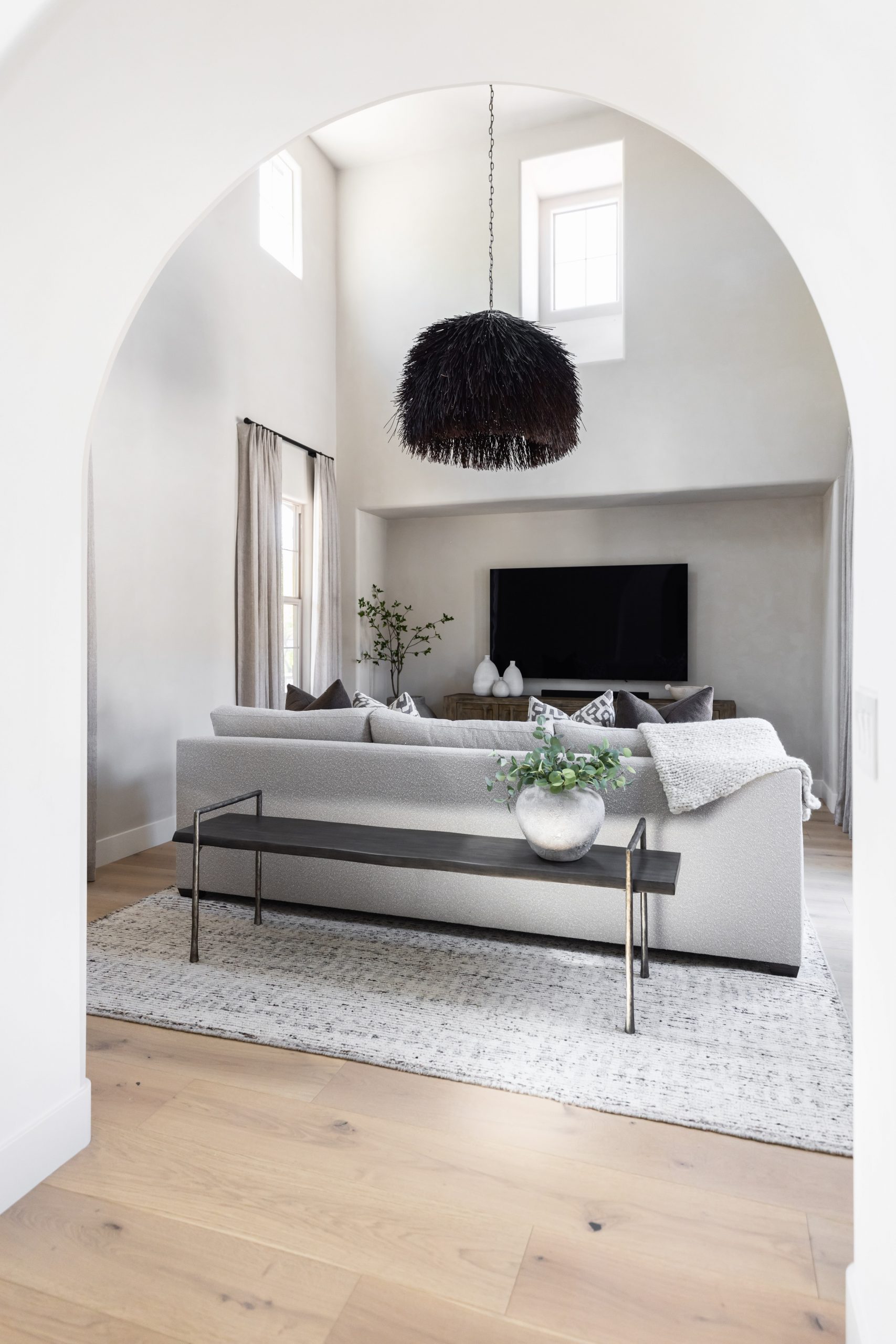
WABI SABI ADOBE - SCOTTSDALE
Let's begin
Ready to Design Your Wabi Sabi Home?
Serving Scottsdale, Paradise Valley, Arcadia, Desert Mountain, Silverleaf, Gainey Ranch, and the surrounding Phoenix metro area.
Schedule a discovery call →Common Questions
Frequently Asked Questions About Wabi Sabi Design
What is wabi sabi interior design?
Wabi sabi is a Japanese philosophy that finds beauty in imperfection, simplicity, and the natural passage of time. In interior design, it means spaces built with natural materials, muted tones, handcrafted objects, and a deliberate absence of visual clutter.
Is wabi sabi a good fit for Arizona homes?
It is a natural fit. The desert already operates on wabi sabi principles, worn stone, organic textures, the way light changes throughout the day. We adapt the style to the Scottsdale and Paradise Valley context, drawing on local materials and the region's connection to the natural landscape.
How is wabi sabi different from minimalism?
Minimalism is about reduction and precision. Wabi sabi is about authenticity and texture. A wabi sabi room may have fewer pieces than a traditional interior, but those pieces have visible grain, patina, or irregularity, they feel lived in and honest rather than sterile.
What does a wabi sabi interior design project with Living with Lolo involve?
We start with a consultation to understand how you live in your space and what draws you to the style. From there we develop a design that incorporates natural materials, thoughtful editing, and sourcing of handcrafted and artisanal pieces. We offer full-service design, purchasing, and installation.
How much does a wabi sabi interior design project cost in Scottsdale?
A wabi sabi interior design project in Scottsdale typically falls in the same range as any full-service luxury project, roughly $250 to $600 or more per square foot for a full remodel, with furnishings-only engagements quoted separately based on scope. Wabi sabi does not raise the base cost of a room on its own, but sourcing hand-thrown pottery, natural stone with visible variation, and skilled plaster or millwork installation can push the number toward the higher end of that range. Lauren Lerner scopes each project individually after an initial consultation, so the way to get an accurate number for your home is to book a discovery call.
What materials are typically used in a wabi sabi space?
Wabi sabi spaces are typically built from wood, natural stone, clay, linen, and hand-thrown pottery, materials left to show their natural texture, grain, and irregularity rather than polished into uniformity. In a Living with Lolo wabi sabi project, that might mean raw-edge wood tables, matte plaster walls, unlacquered brass fixtures, and handwoven textiles sourced from local and international artisans. The goal is a home that looks and feels more genuine with age, not less.

Lauren Lerner
Principal Designer, Living with Lolo
Lauren Lerner is a luxury interior designer based in Scottsdale, AZ and the founder of Living with Lolo. Her work has been featured in Architectural Digest, House Beautiful, Vogue, Martha Stewart Living, The Wall Street Journal, and GQ. She specializes in high-end residential design across Scottsdale, Paradise Valley, Arcadia, and the greater Phoenix metro area.