Book a Free Consultation
How Interior Design Improves Daily Life

How Interior Design Improves Daily Life


Your home is an expression of your mood and an image of your wellness. With careful planning, interior spaces can clear away stress and create a feeling of calm in the middle of the chaos of daily life. This guide explores how careful interior design choices can transform your home into a sanctuary of peace, with practical tips on the psychology of space, minimalism, nature, and personal design.

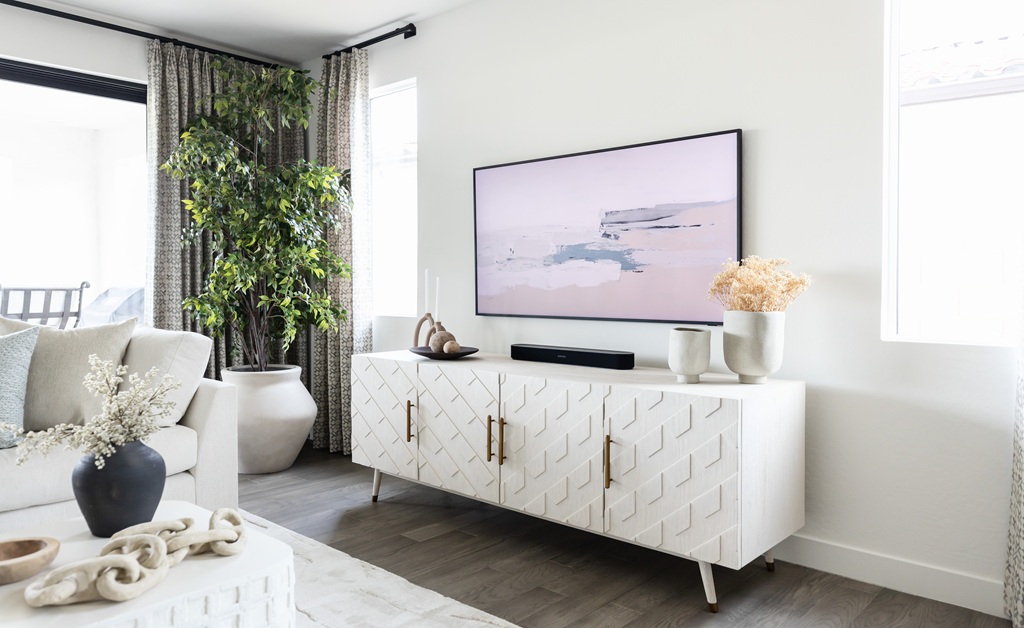
 Bright living room with modern decor

The Psychology of Space: How Colors, Light, and Layout Influence Mood 

Design isn’t all about style—it’s psychology. The wall paint color, the light that streams in, and the space layout can influence a great deal of your mood in the space. Calming, muted colors like pastels or terra-cotta hues will soothe you, and clashing, discordant colors will overstimulate the mind. 

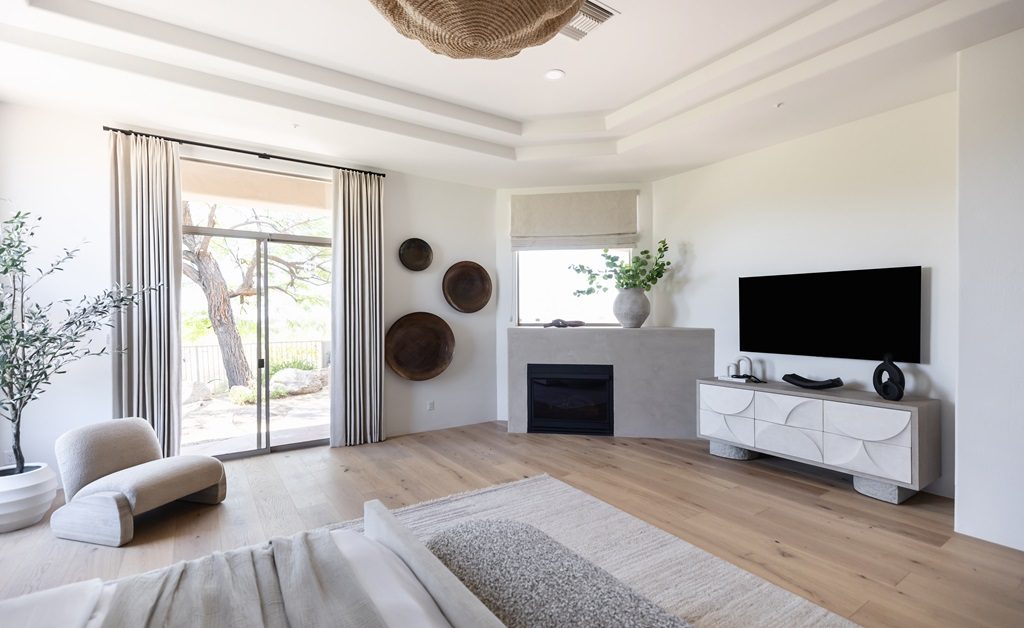
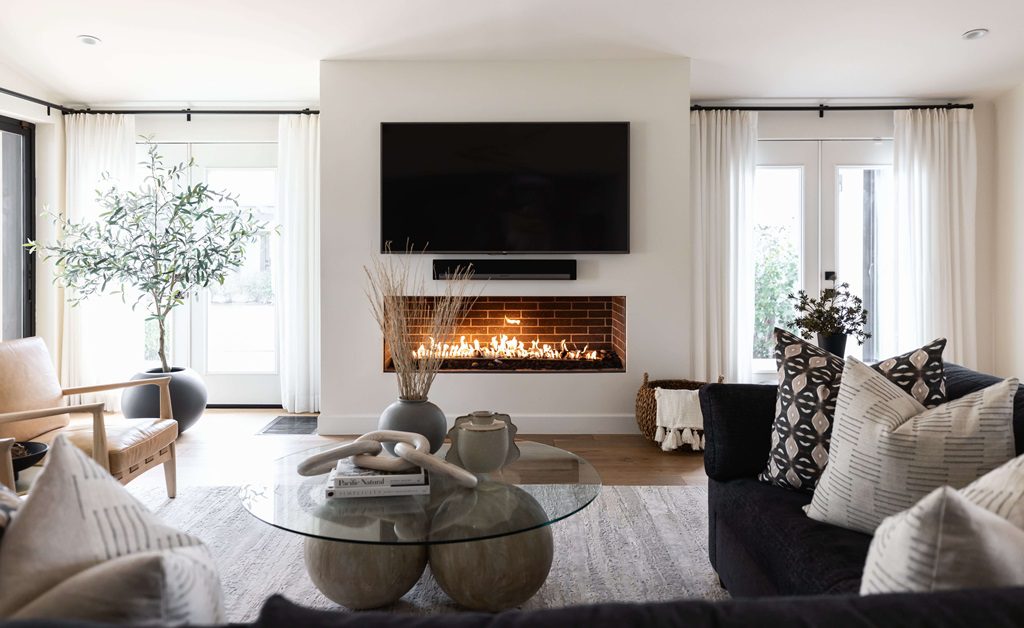
     Modern chaise lounge by fireplace

    Natural light is another area in which an interior designer in Scottsdale will concentrate. Natural light has been found to enhance mood and quality of sleeping, both of which are directly correlated with the amount of stress you experience. Sheer drapes, use of mirrors, or open floor plans can provide ultimate sunlight and project an illusion of spaciousness inside the room. 

    The same holds for furniture arrangements. Crowded, haphazard positioning can burden you, but open and balanced positioning allows for freedom of movement and the sense of mastery.

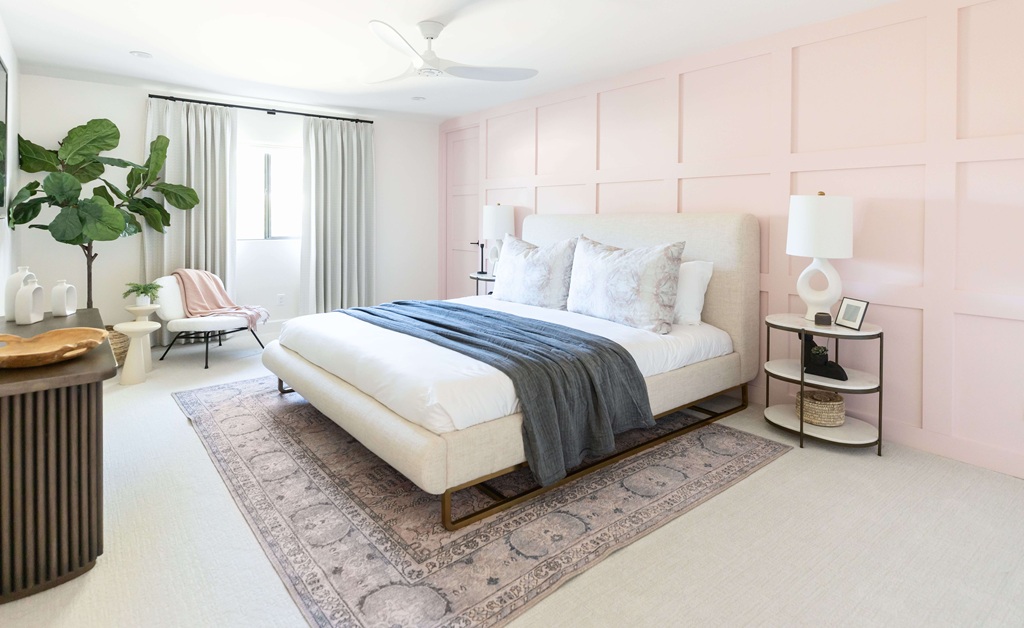
       Elegant light pink bedroom with blue throw

      Decluttering for Clarity: How Minimalism Affects Mental Health 

      Mental disorganization is often a product of physical disorganization. If your space isn’t tidy, then your head follows suit. The design philosophies inherent in minimalism—”less is more” as an attitude that leads individuals to live with fewer things—can actually stop stress dead in its tracks. 

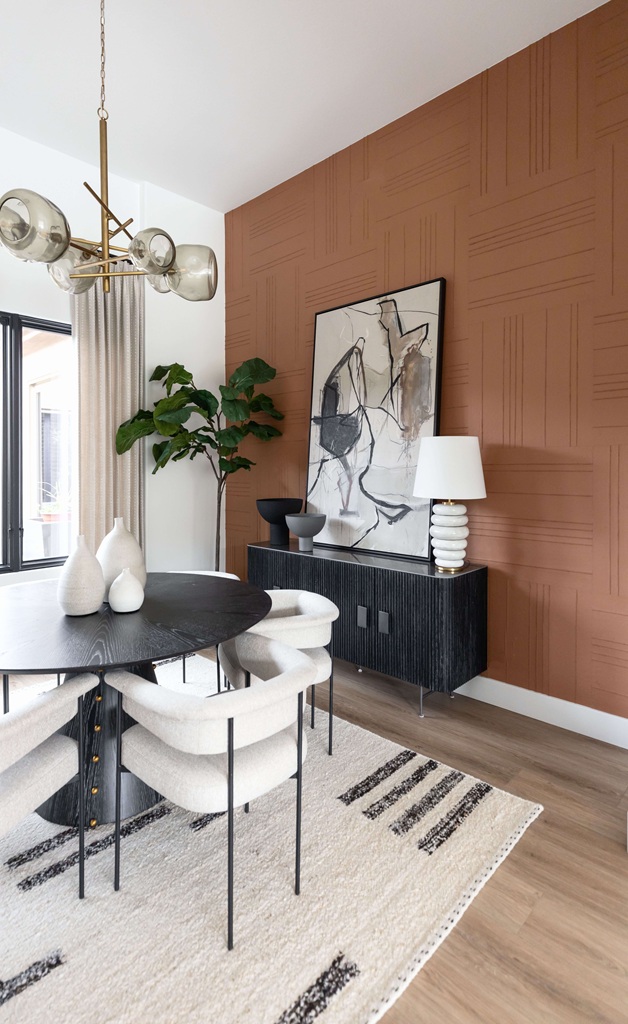
       Modern dining room with terracotta accent wall

      Minimalism keeps the extraneous to a bare minimum and centers on function to create a clear, uncluttered space. Design such as multi-function storage, pared-down furniture, and single-hued color helps reduce decision overload and is a visual calming experience. Walking into a room in which objects are assigned purposes helps one feel light and centered. 

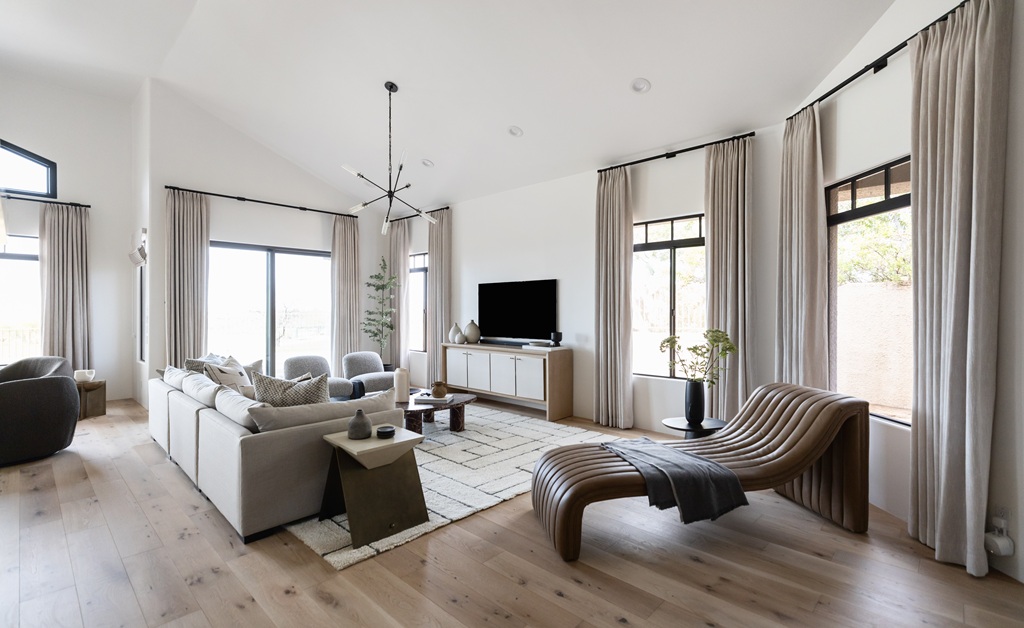
       Bright living room with modern furniture and lounge chair

      Nature and Peacefulness: Incorporating Biophilic Design

      Nature and peacefulness go hand in hand, so it’s no wonder that biophilic design, introducing natural materials into interior space, is gaining steam. This strategy takes advantage of our instinctive love affair with nature, and comfort is ushered in by its presence inside. 

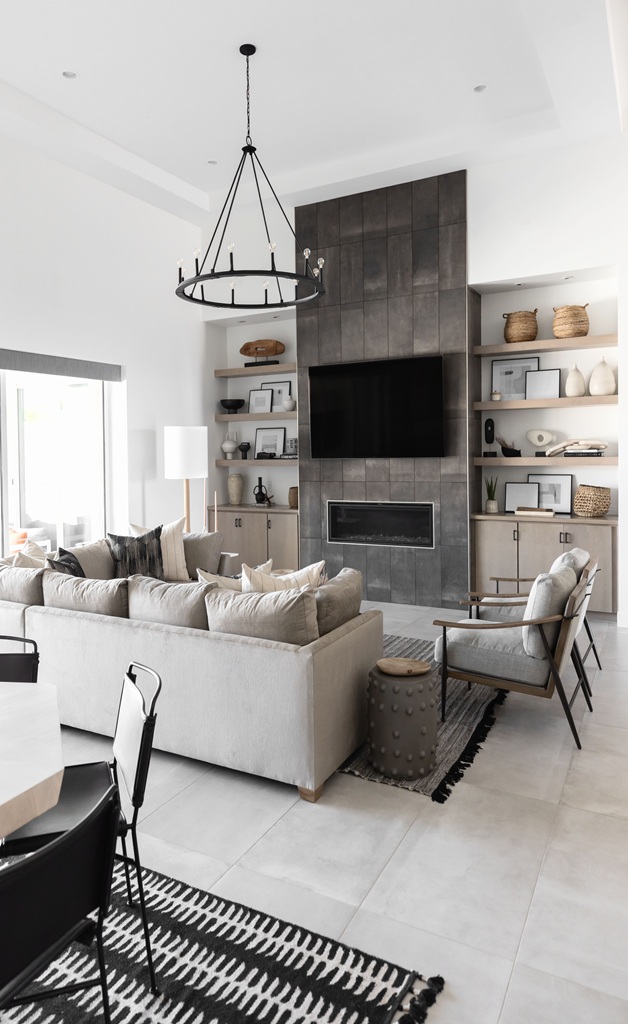
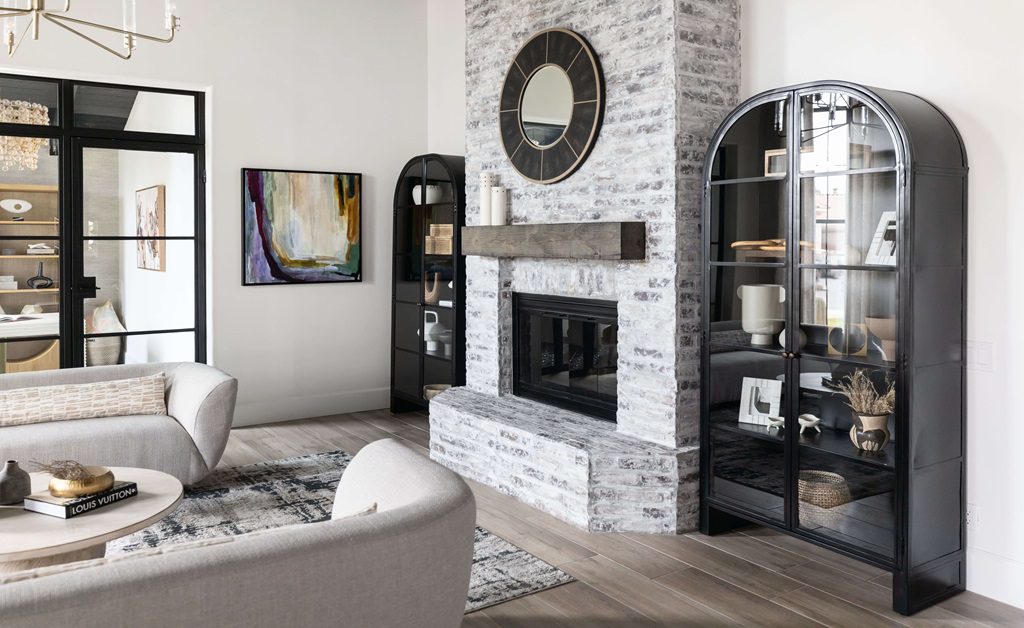
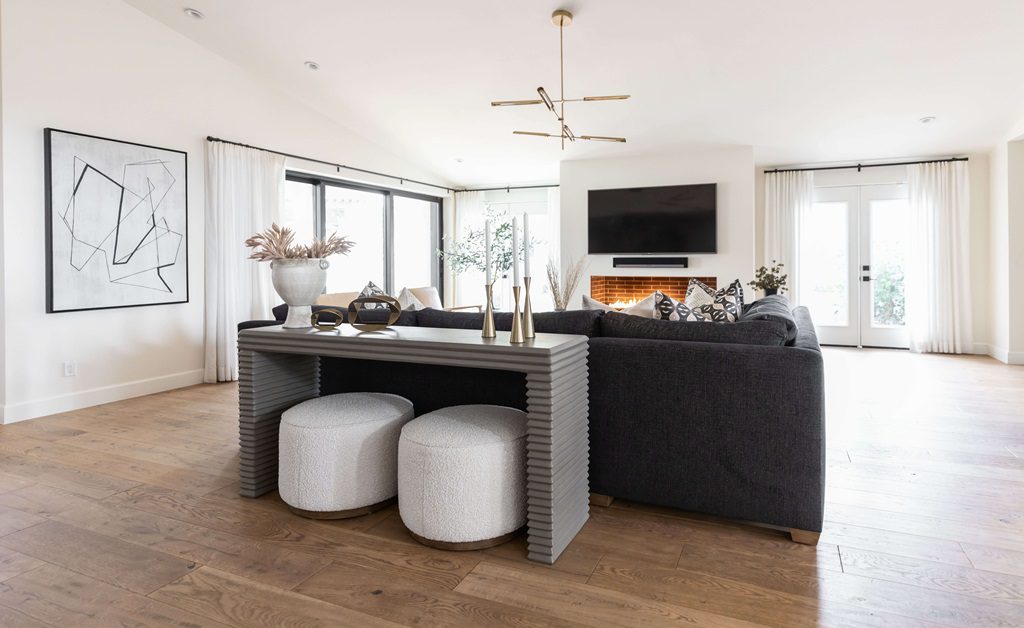
       Modern living room with gray fireplace and chandelier

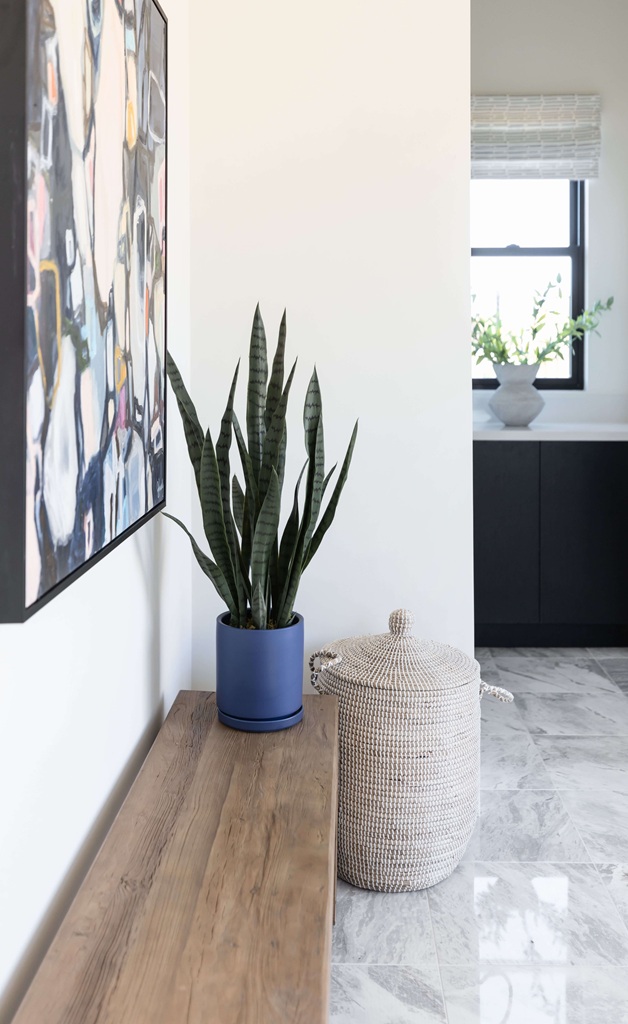
      Houseplants are an easy place to begin. Perhaps it’s a low-maintenance air-purifying snake plant or pothos, but plants infuse life into any room while clearing the air. Natural textures like wood, stone, or bamboo paired with water accents or earth tones are rich in sensation and visual tranquility. 

      Even reproducing paintings of nature or adding windows to gaze out is effective in creating this type of environment, bringing with it a sense of relaxation and calmness.

       Cozy sitting area with beige chairs and fireplace

      Creating a Personalized Retreat: Crafting Spaces to Accommodate Your Needs 

      Relaxation and stress don’t hit all of us the same—and neither do they hit our homes. The key to creating a personalized retreat is to discover what makes you relax and then craft your house around it. 

      Maybe it’s a reading nook with your favorite reading chair, soft lights, and a stack of books. Maybe it’s a meditation space with soothing candles and plush pillows. 

      Textures and scents also enter into the picture while designing your retreat. Velvety, cashmere-like textures are soothing, and aromatherapy with essential oils can relieve tension. The idea is to make your space intimate to you. When you become attached to your space, it is a source of energy and a retreat where you relax, tailored to you.


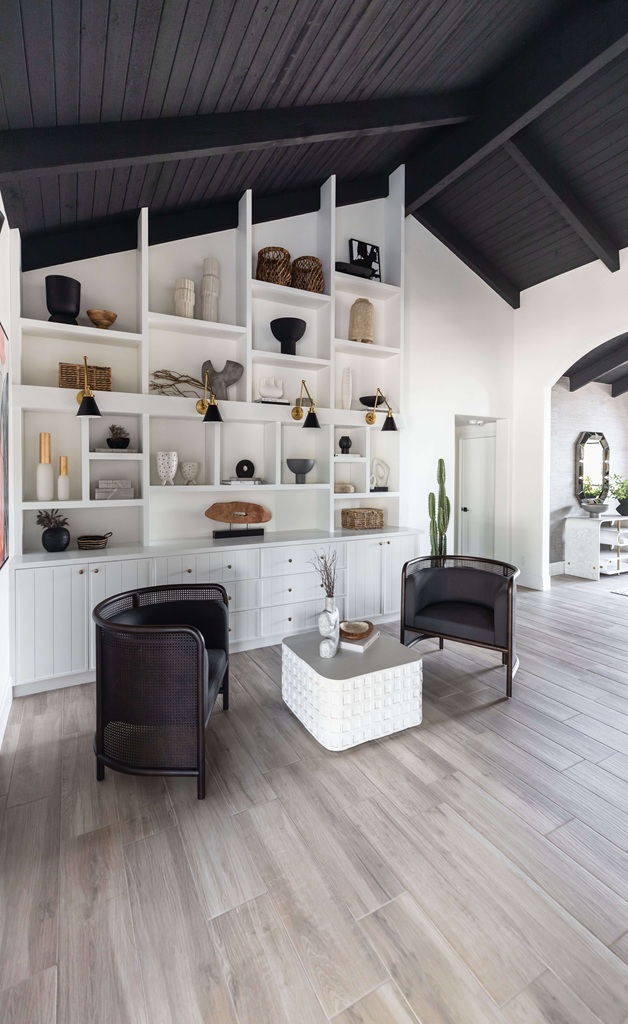
       Modern seating area with dark wood ceiling beams

      Turn Your Home into a Stress-Free Refuge 

      Smart interior design is a great partner in the war against stress and the production of well-being. Start small—paint one room in calming colors, put in some houseplants, or furnish your living room so that the area is more accessible and maps out the traffic route. 

      With knowledge of the force of space, light, and nature and applying it in your favor, you might just be able to create a comfortable haven for yourself. 

      See More Ideas: Sleep Better with These 8 Interior Design Improvements Tips

      How Interior Design Helps Reduce Stress

      How Interior Design Helps Reduce Stress


      Interior design is not simply decorating a gorgeous room—it’s creating places that make our lives better, work better, and feel incredible. Effective design really does impact your daily life, making things simpler, improving our moods, and increasing the value of your home. Discovering the benefits of custom interior design will transform your space and how you view it. The impact of interior design on our everyday life is far-reaching, proving that great design isn’t just about aesthetics—it’s about functionality and well-being.

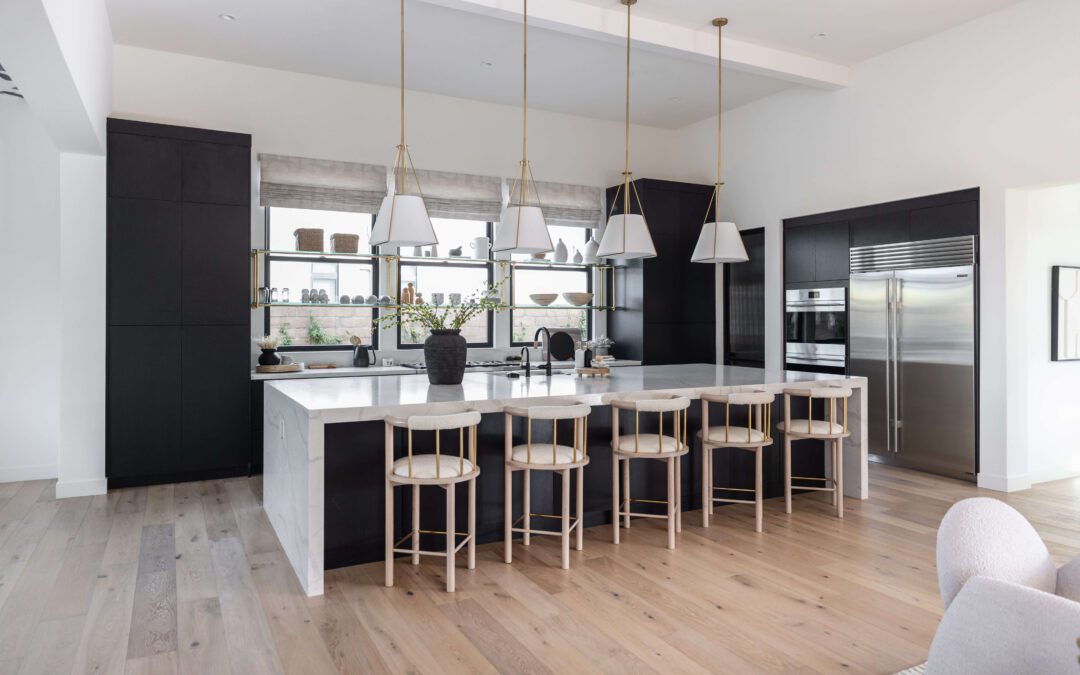
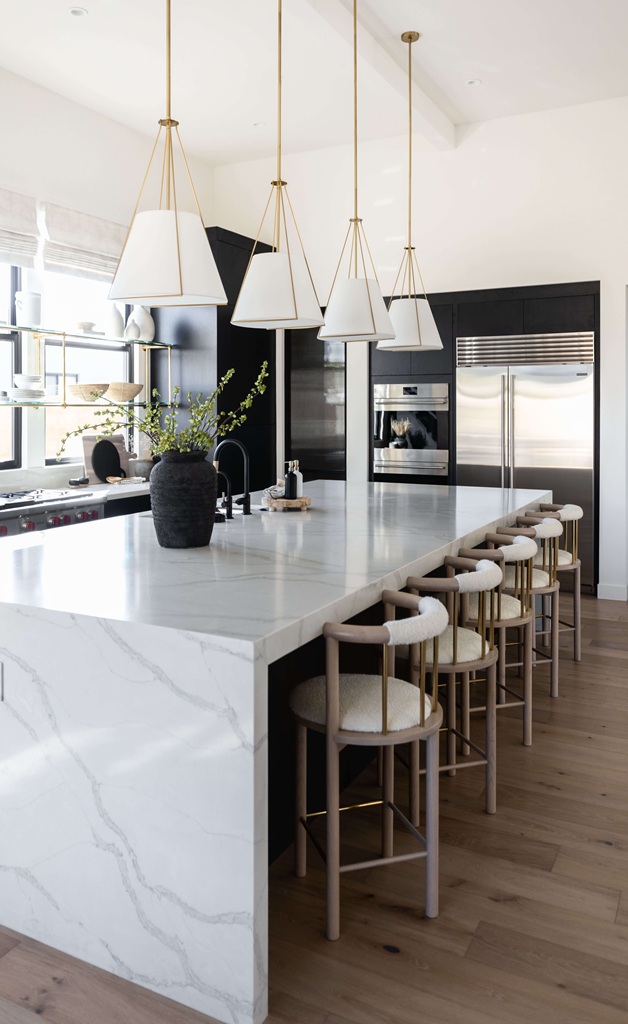
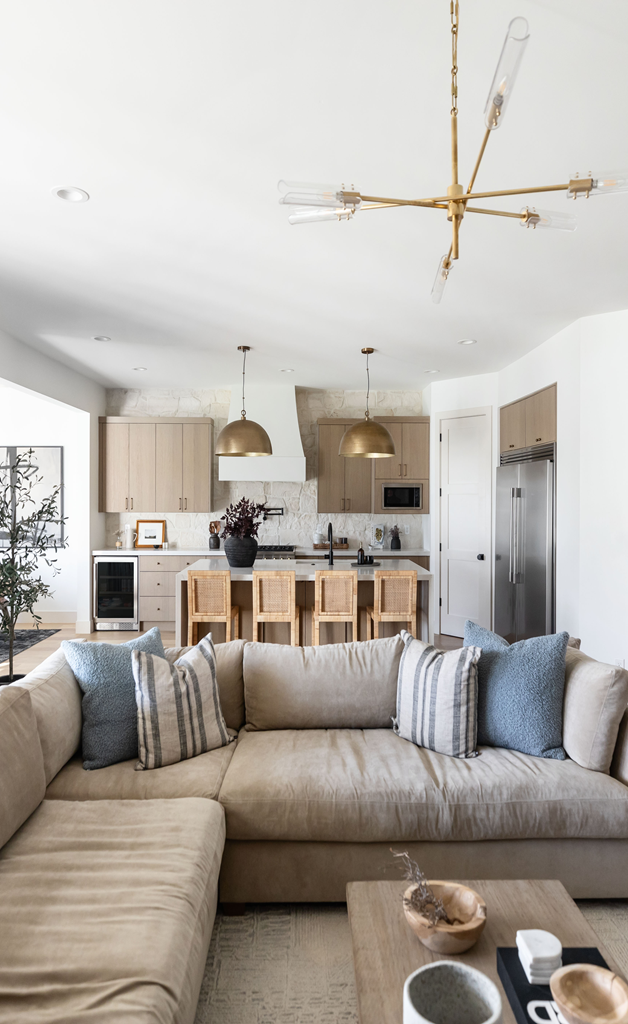
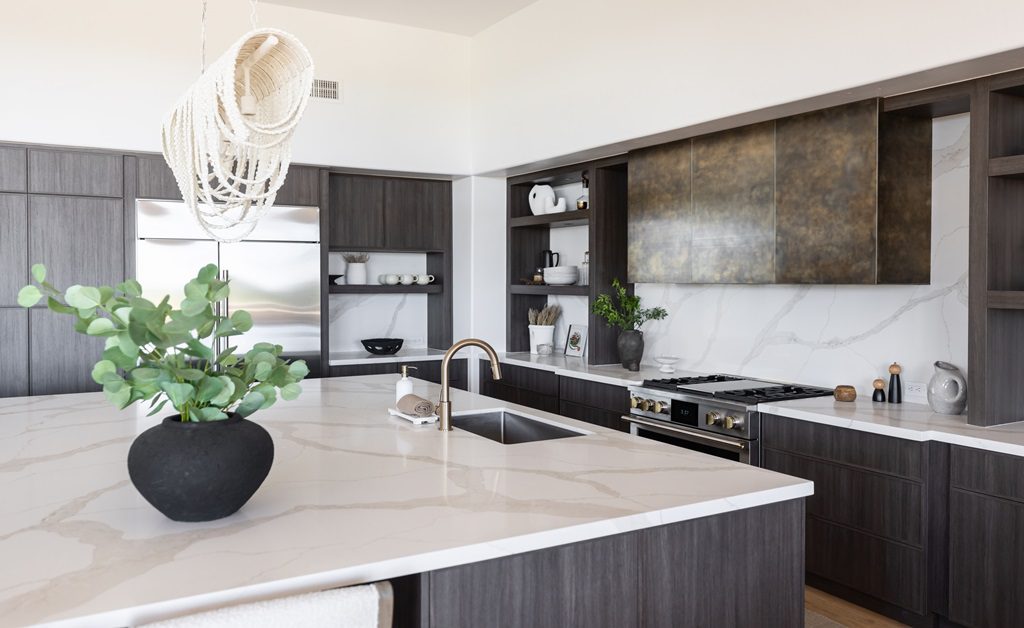
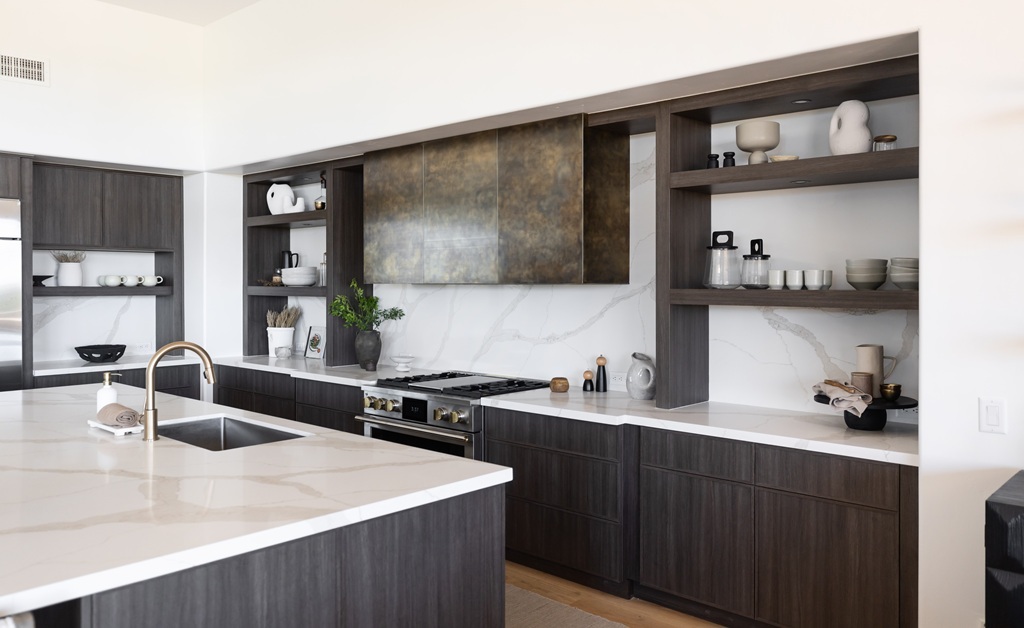
      luxury kitchen island design scottsdale

      Improved Functionality 

      Good interior design begins with functionality. Good design makes every square inch of your house functional and easily integrates itself into your lifestyle. For instance, intelligent storage can reduce clutter, making your living areas tranquil and organized. A well-zoned open-plan area can facilitate several activities—cooking, working, or relaxing—to take place without obstructing each other, making the space more usable. If you’re considering improving your home’s functionality, working with a remodeling contractor in Scottsdale can help bring your vision to life.

        custom living room table settings scottsdale

        Space design also comes down to furniture planning. Bury the old comfort vs. appearance ethic; modern interior design couples them in excellent harmony. Well-placed sectionals in the living room coax socializing and lounging, and ergonomically placed workstations and office chairs in home offices coax working. Clever design achieves balance of use and livability so that the room really works for its users.

        Kitchen Modern Design

        Improved Mood and Well-Being 

        The environments we inhabit have a direct impact on our health and mood. Interior design in every respect, color, lighting, and space planning, is a part of how interior design impacts your life. Light blues or greens, for instance, can help with feeling less stressed and relaxed. Conversely, very intense colors like ruby red or mustard yellow can stimulate and revitalize a room and make it more vibrant.

        custom designed sofa in living area of phoenix home

        Lighting also matters. Beams of natural light can brighten the atmosphere of a space, encourage good sleep, and increase productivity. Multi-level lighting systems that blend task, accent, and ambient light work because you can turn it into various moods depending on the function. Even placing plants inside your interiors is a form of biophilic design, which soothe the senses and allow humans to feel a connection with nature.

        Discovering how interior design impacts daily life becomes clear when you consider how these elements—color, light, and natural materials—shape how we feel and function in our homes. Wellness design speaks to how all of these factors play off one another in shaping our life on a daily basis. It is not so much about flash—it is extremely human-centered.


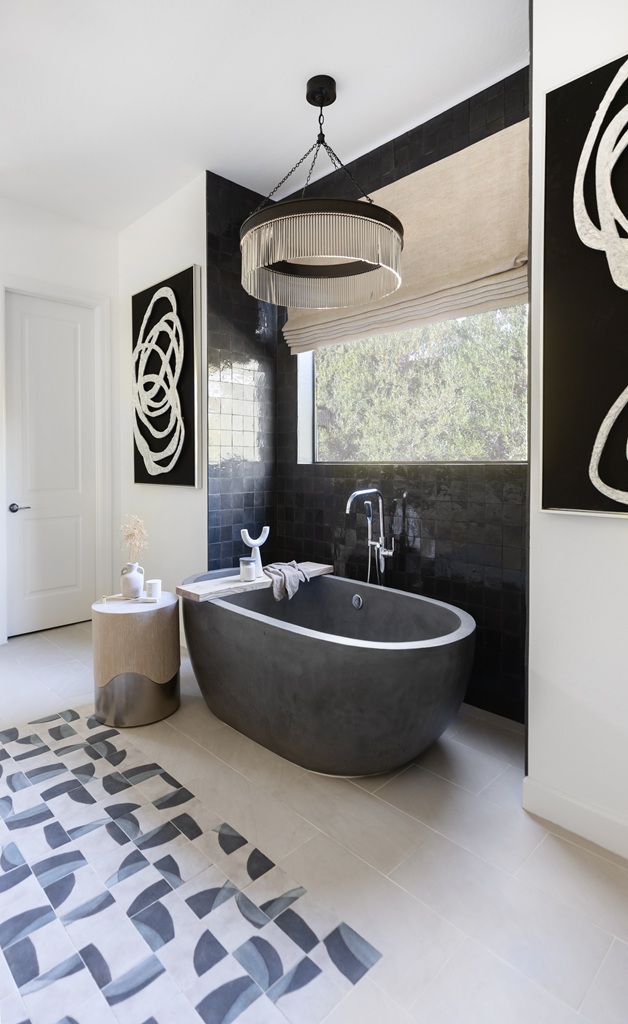
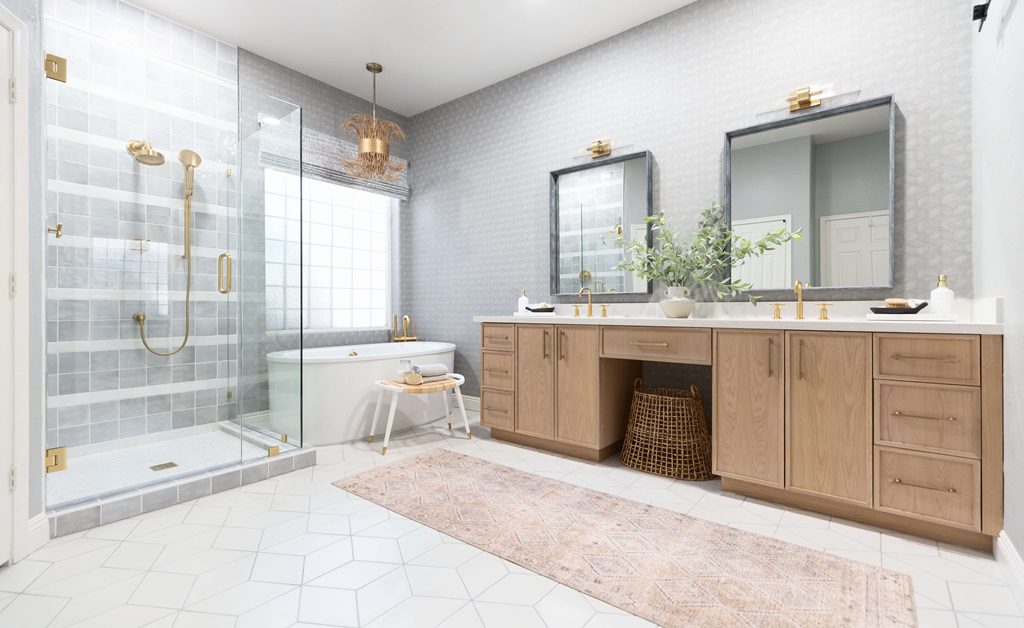
         modern bathroom chandelier scottsdale

        Increased Home Value 

        Aside from functionality and emotional value, good interior design is a great means of adding value to your property. Well-balanced, well-designed interior looks in properties will also be most likely to command premium prices from the market. Aesthetics such as modern kitchens, spa bathrooms, or open-plan living spaces are not only trendy but timeless in their capacity to appeal to buyers.


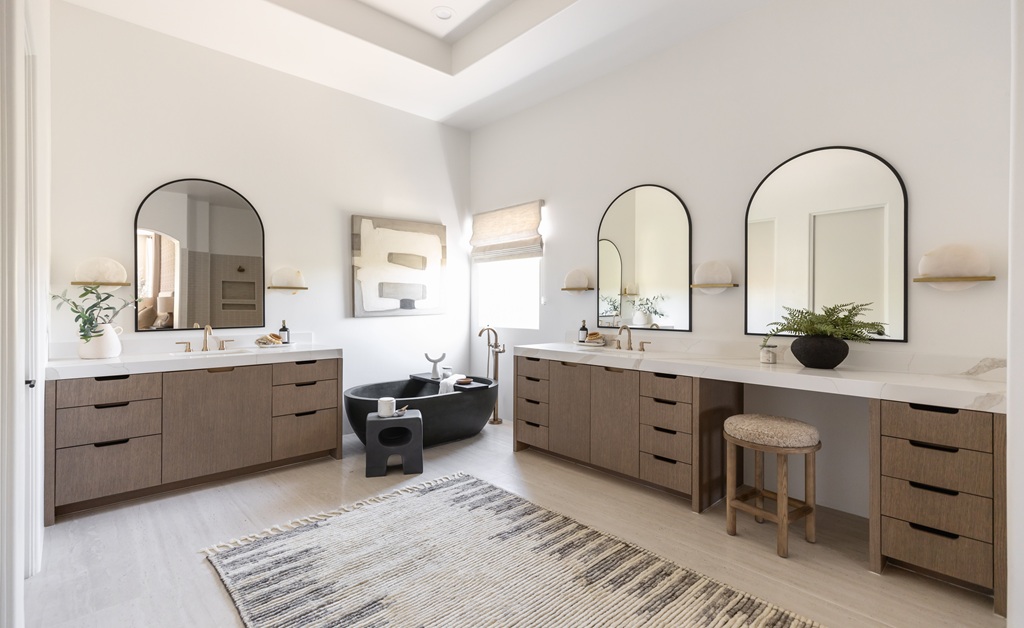
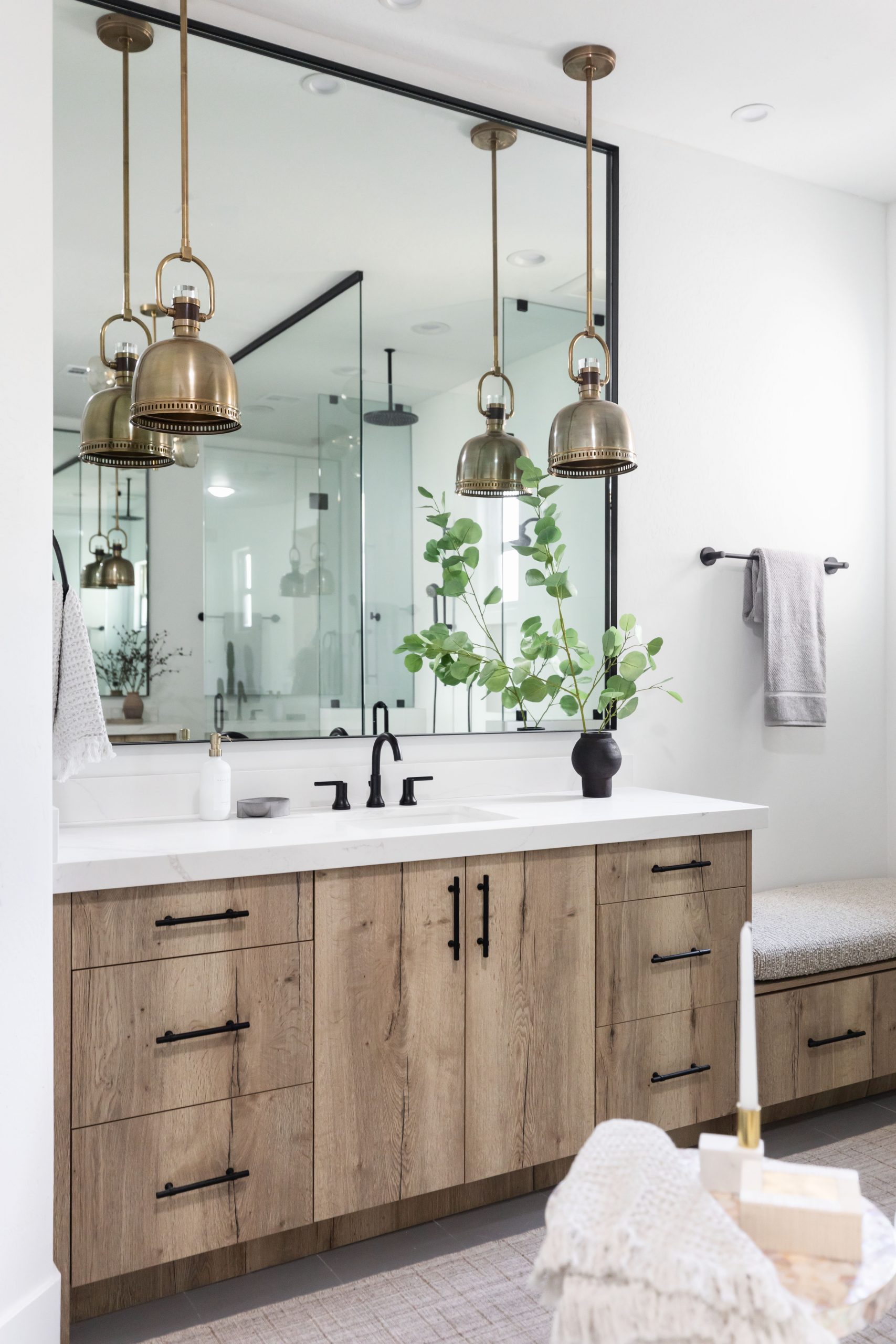
         Spacious bathroom with double sinks

        Good design elements offer return on investment in a variety of ways. Consider, for instance, a friendly and neutral color scheme, which can make a home welcoming and feel larger to more people, a plus at resale time. Fine materials and finishes like quartz countertops, hardwood floors, or custom cabinetry convey longevity and have a luxury quality. Even minor adjustments such as replacing light fixtures or hardware can change the appearance of a room and render it irresistible to buyers.

        The impact of interior design goes beyond appearances—it’s an investment in your home and your life.


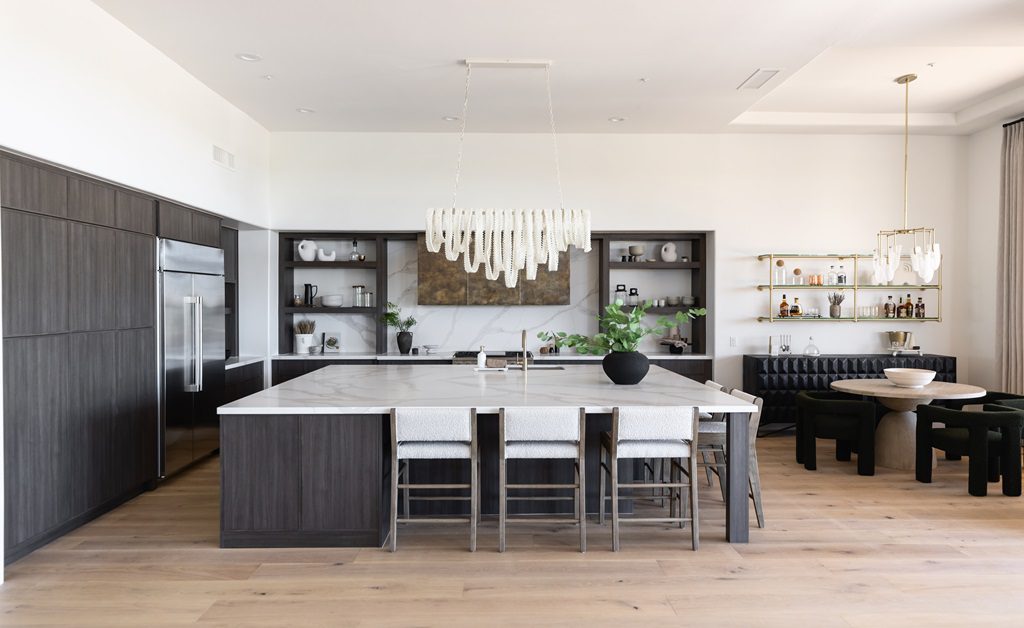
         Modern kitchen with dark cabinets

        Invest in Your Home, Invest in Yourself 

        Interior design is far more than aesthetics—it’s a way to create a balanced, functional, and inspiring life. Functional rooms simplify your everyday life, and well-crafted design details foster your emotional well-being. In the process, fine design can truly enhance your property’s financial value.

        If you’ve been on the fence about investing in interior design, now is the perfect time. Because when you refresh your home, you refresh your life.

        Read More: How Does Interior Design Affect Mood?

        How Home Design Contributes to a Healthy Lifestyle

        How Home Design Contributes to a Healthy Lifestyle


        Your home significantly impacts your holistic health. It’s not just a habitat; its design and arrangement can profoundly sway your mental, physical, and emotional health. From natural light exposure to your choice of furnishings and decor, every detail can either improve or undermine your wellness. Discover how a well-designed home can pave the way for a healthier you. A home needs to be healthy to truly support your well-being.

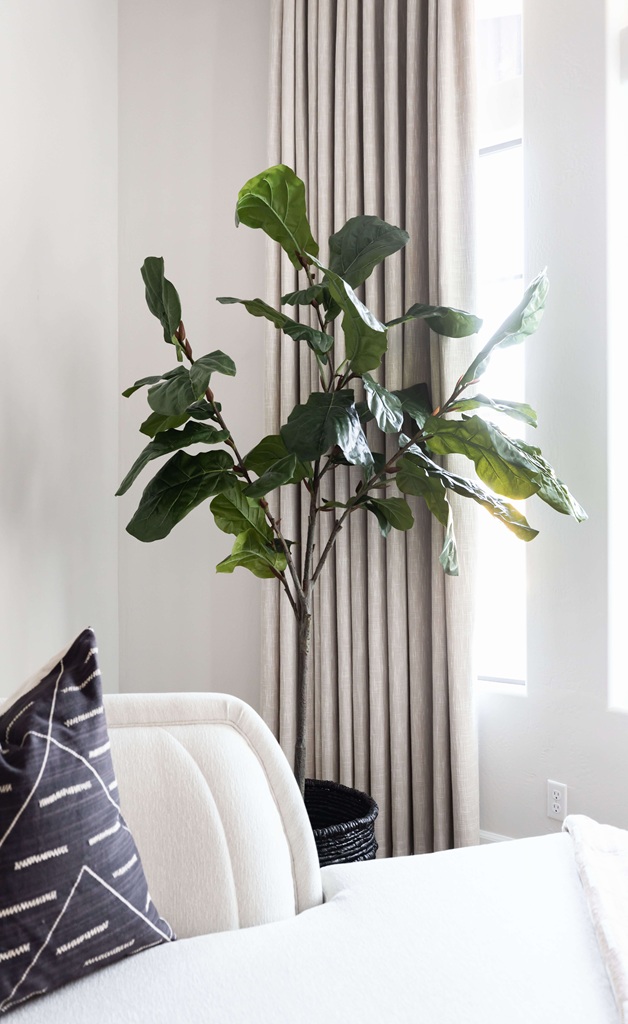
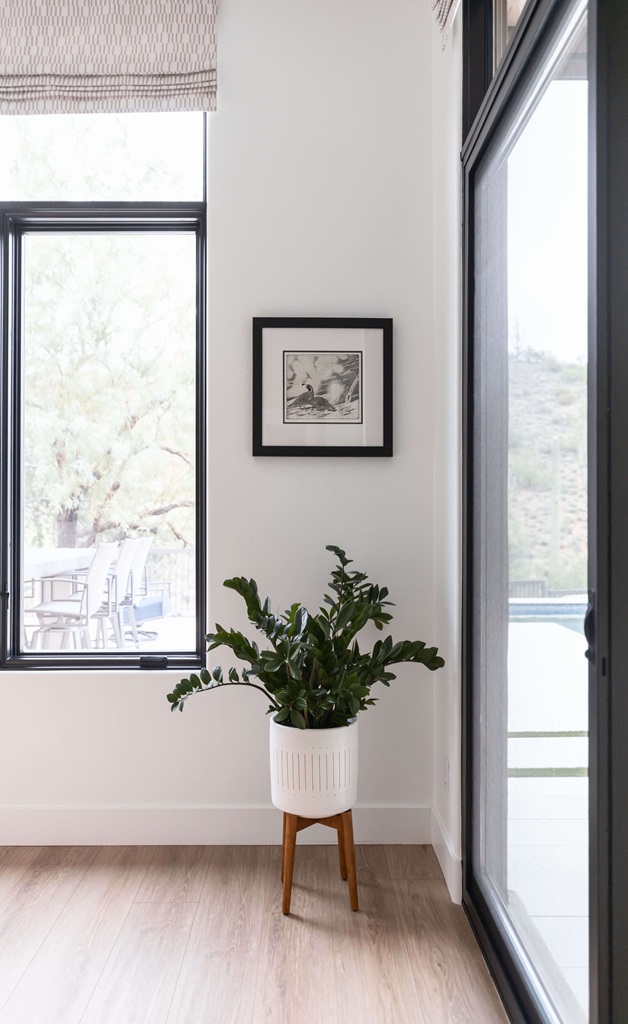
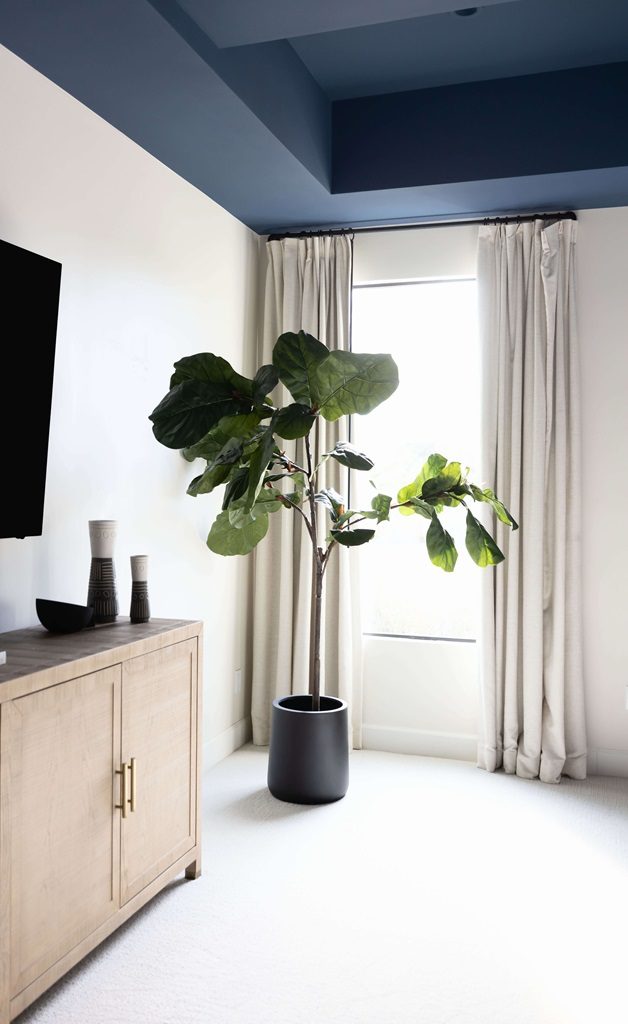
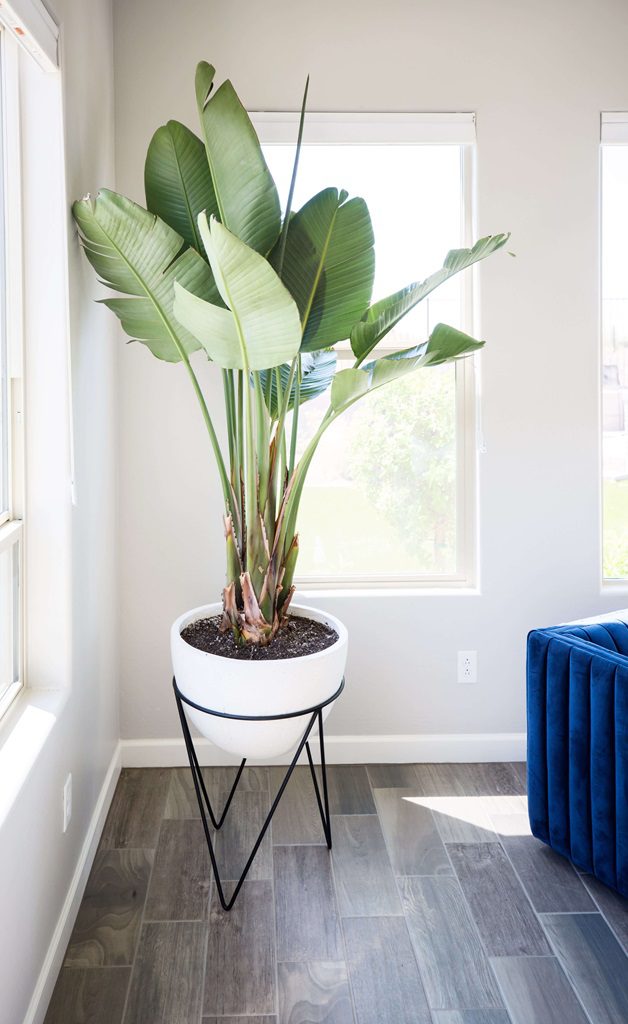
         Indoor tropical plant in white pot with black stand

        The Power of Sunlight 

        The health-wise benefits of sunlight in the home are undeniable. Natural light exposure has a direct correlation with enhanced moods, superior sleep rhythm, and even heightened productivity. Broad windows, carefully positioned openings and skylights permit plenty of sunlight to pour into your living quarters, providing you vital vitamin D and fostering well-being. 

        If sunlight is scarce, consider daylight-like LED lighting for a similar effect. This aspect of wellness interior design ensures your home supports your health effectively.

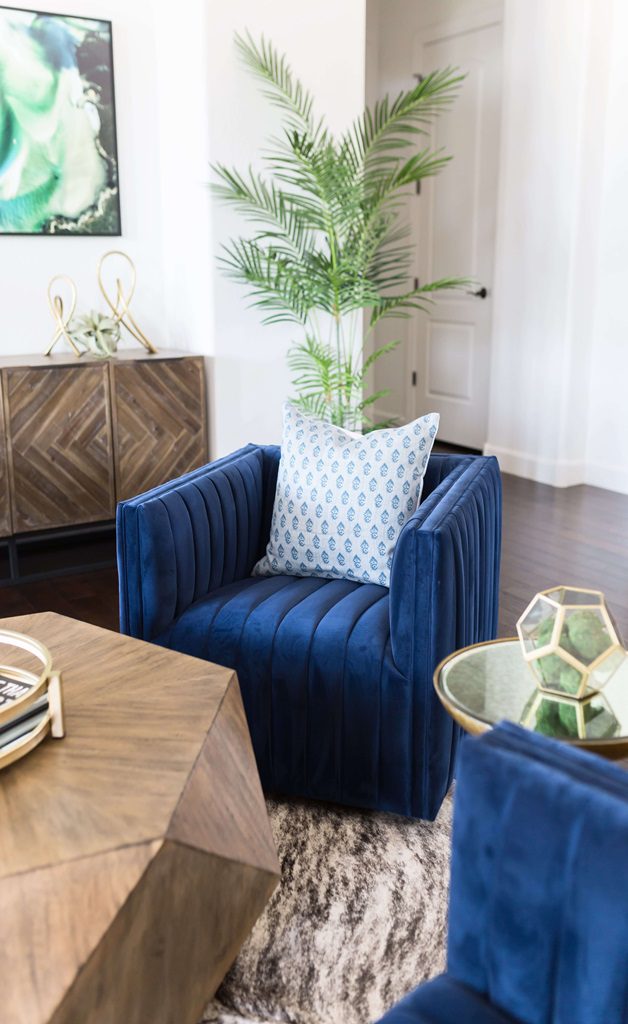
           Plush blue velvet armchair with patterned pillow

          Indoor Air Quality and Ventilation 

          The foundation of a health-oriented home lies in good air quality. Impaired airflow and indoor pollutants such as dust or mold can impact your respiratory health and overall energy levels. Open layouts, cross ventilation and HVAC systems with top-notch air filters ensure that your home enjoys fresh air circulation. 

          Additionally, adding indoor plants like ferns or peace lilies purify the air and enhance the aesthetics of your space. For those considering renovations, remodeling contractors in Scottsdale, AZ, can assist with creating healthier spaces tailored to your needs.

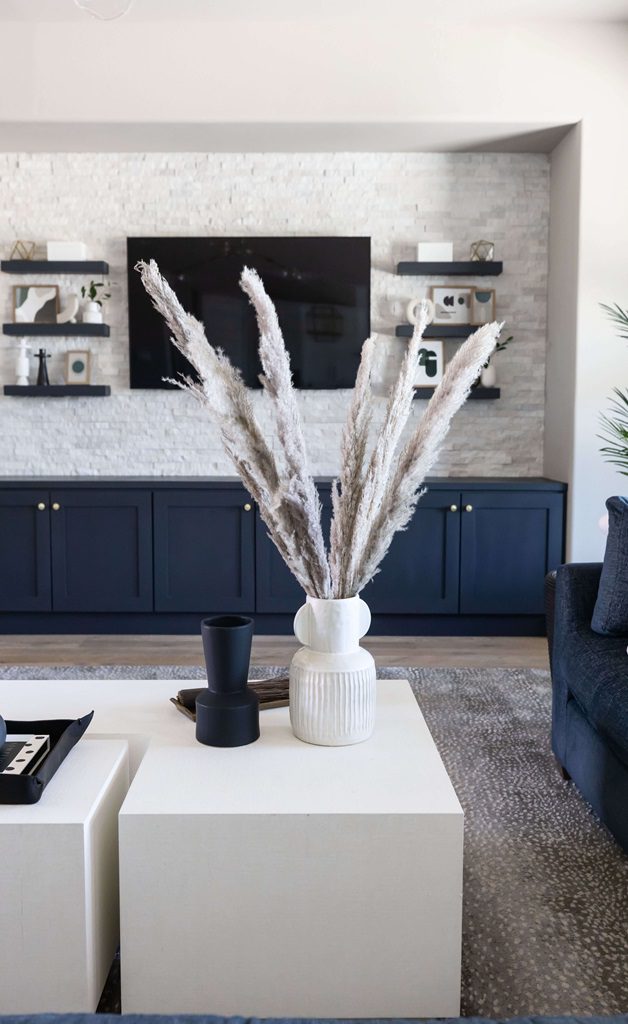
           White vase with pampas grass on a white table

          Design and Space Management 

          The organization of your living space directly influences your physical health. Furniture and layouts prioritizing ergonomics minimize the strain on your body, especially in spaces where you tend to spend more time, such as your workspace at home. Height-adjustable desks, comfortable chairs, and organized, uncluttered setups help maintain good posture and fluid movement. Well-planned spaces can also boost mental focus, facilitating relaxation and concentration. This is a perfect example of interior design for wellness in action.

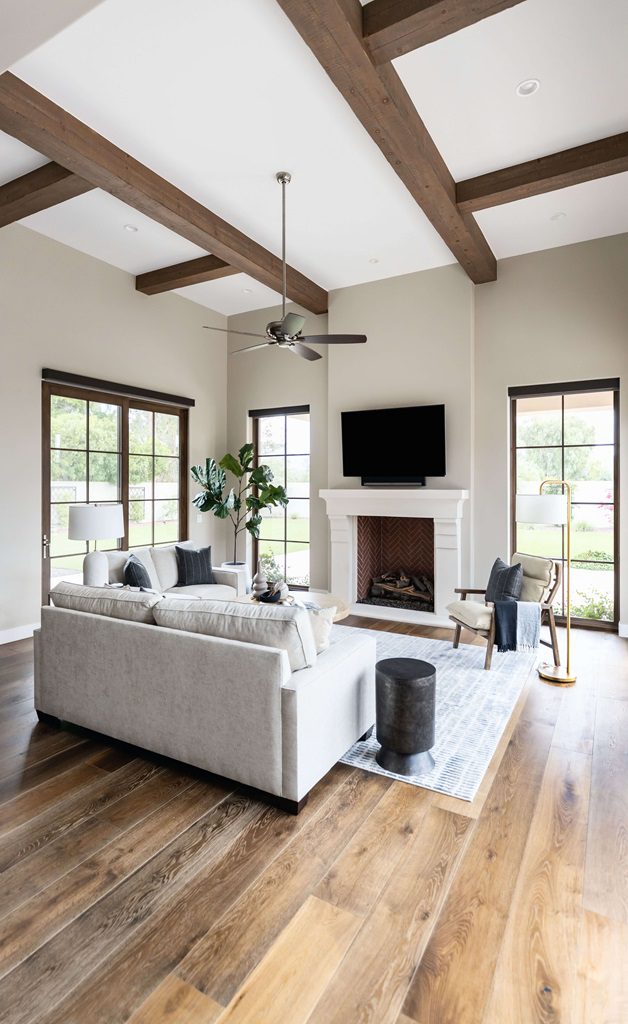
           Bright living room with wooden beams and fireplace

          Infusing Personal Narratives and Storytelling

          Integration of Nature Indoors 

          Incorporating outdoor elements indoors can dramatically affect your mental and emotional health. Indoor flora, organic wood features, and water structures create a tranquil setting that links you with the natural world. Research indicates that including greenery in your home decreases stress and nurtures a sense of tranquility. Even minor additions, such as a green wall or a collection of potted herbs in your kitchen, can bring about significant changes. These healthy interior solutions are simple but impactful in promoting a peaceful atmosphere.


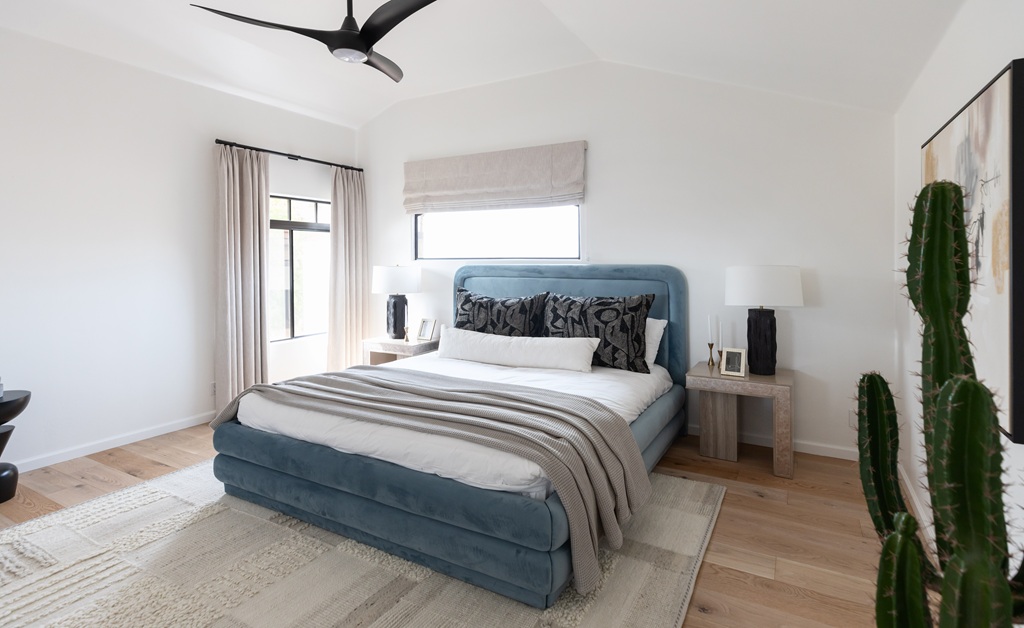
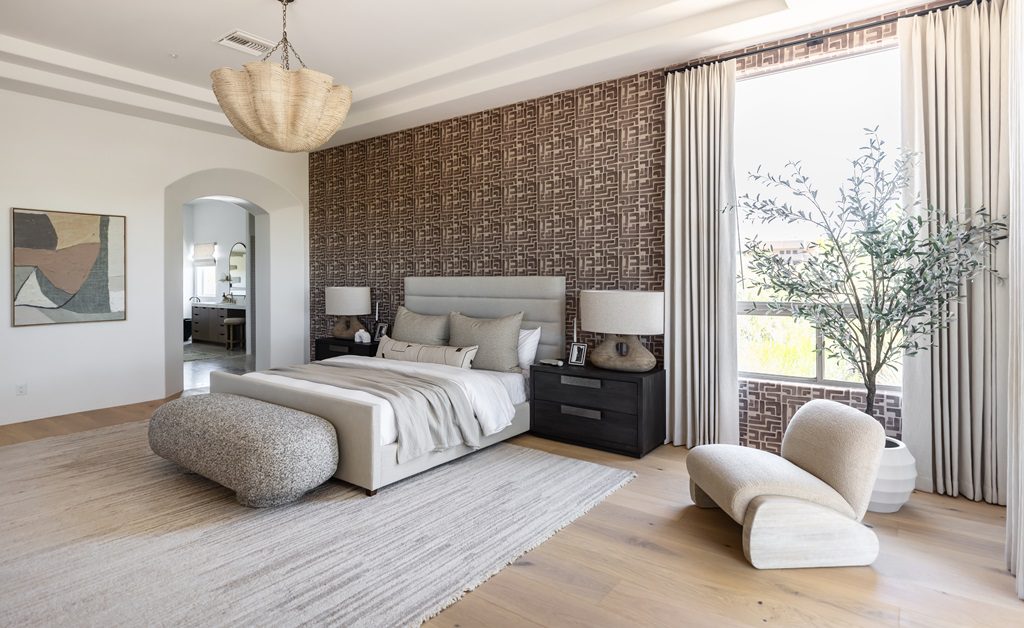
           Modern bedroom with blue bed and abstract wall

          Eco-Friendly and Non-Hazardous Materials 

          The materials you select for your home design are critical. Toxic chemicals in paints, flooring or furniture can emit dangerous compounds into your living environment, jeopardizing your health over time. Choose non-toxic, low-VOC paints, sustainable timber and organic fabrics for a purer, eco-conscious home. These decisions not only make your home healthier, but also benefit the larger environment, creating a sense of purpose and responsibility. This approach illustrates how home design promotes a healthy lifestyle by aligning your choices with your well-being.

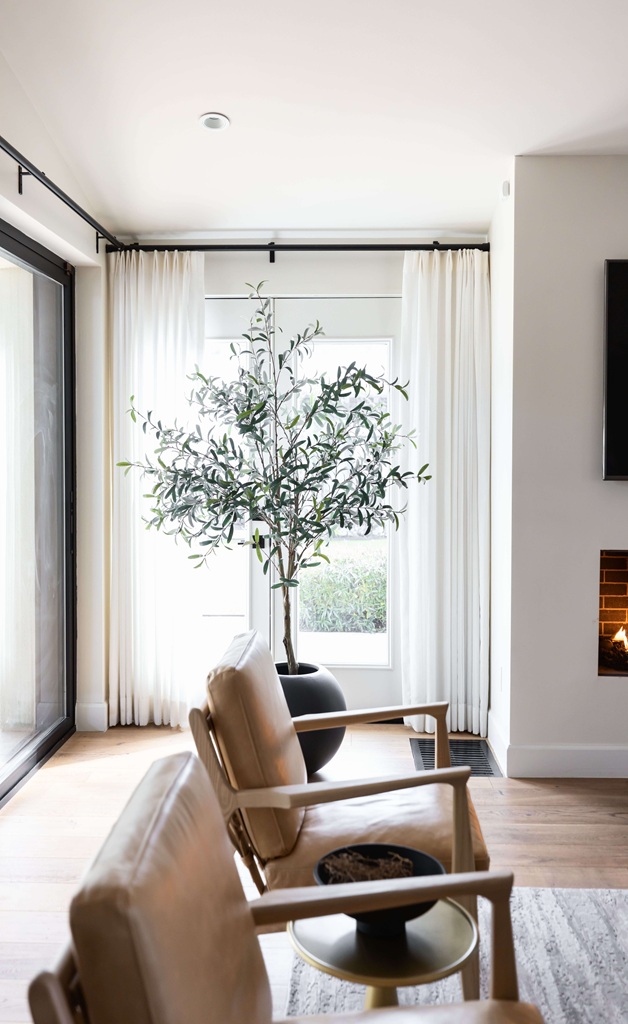
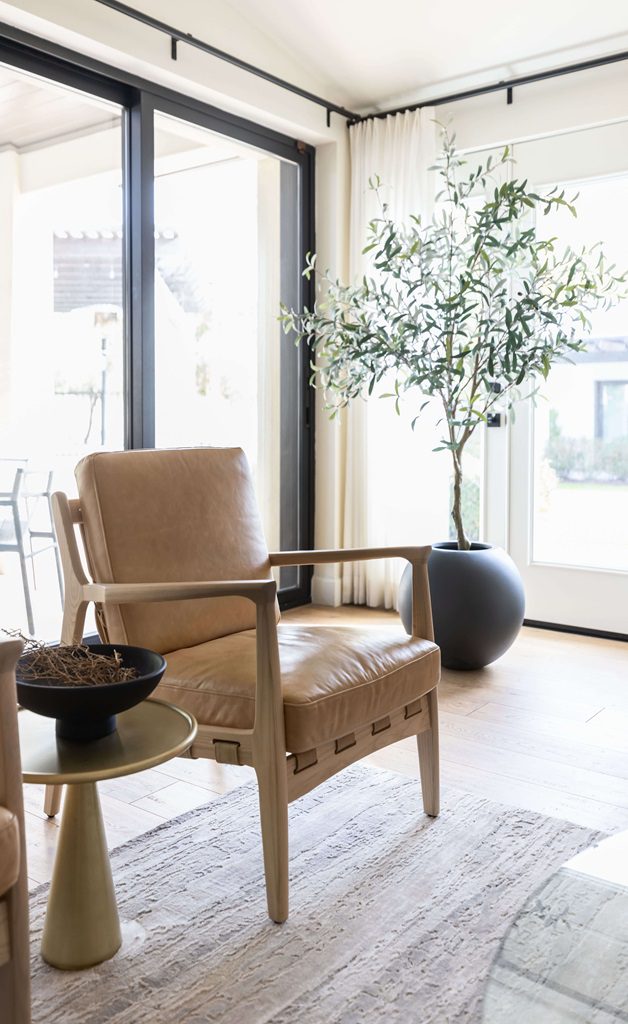
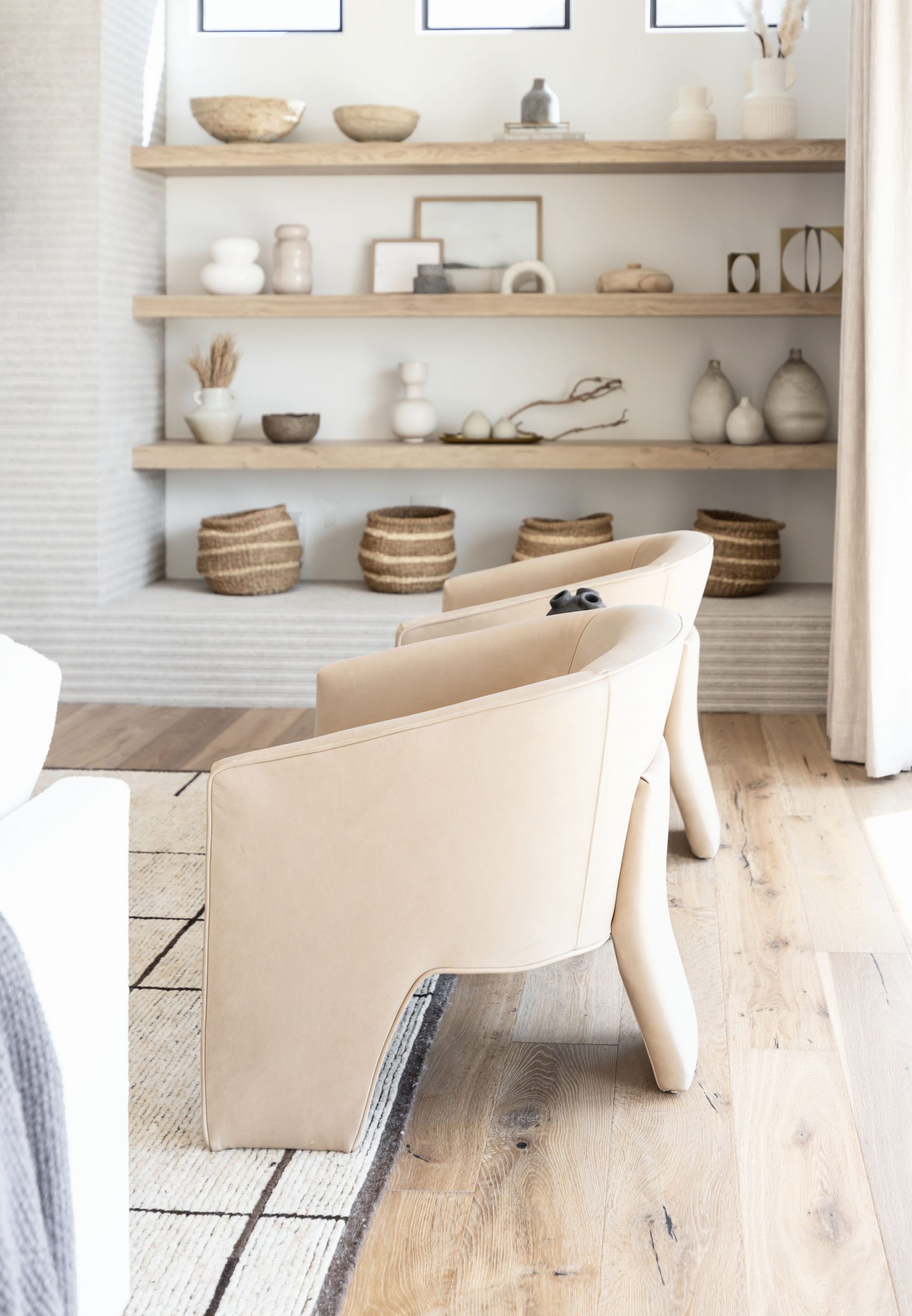
           Tan leather armchair beside a small gold table

          Summary

          Every facet of home design presents a chance to foster a space that nurtures your health. By prioritizing natural light, fresh air, ergonomic structures and sustainable materials, you can transform your home from a cozy abode to a sanctuary that enhances your health and contentment. Begin making conscious design decisions today, and witness your home revolutionize your lifestyle.

          Learn More: Incorporating Mental Health Awareness Colors Into Home Design

          How Can Interior Design Impact Your Wellbeing

          How Can Interior Design Impact Your Wellbeing


          Your home stands for more than just a dwelling place; it serves as a haven where you refuel, contemplate, and rejuvenate. But have you ever thought about interior design for health and wellbeing, about your mental and physical health? Mindfully selected interiors can do more than simply look appealing—they have the power to enhance your overall health. The careful selection of colors and the arrangement of ergonomic furniture are just some of the ways the art and science of interior design can fundamentally alter your feelings in your own environment.

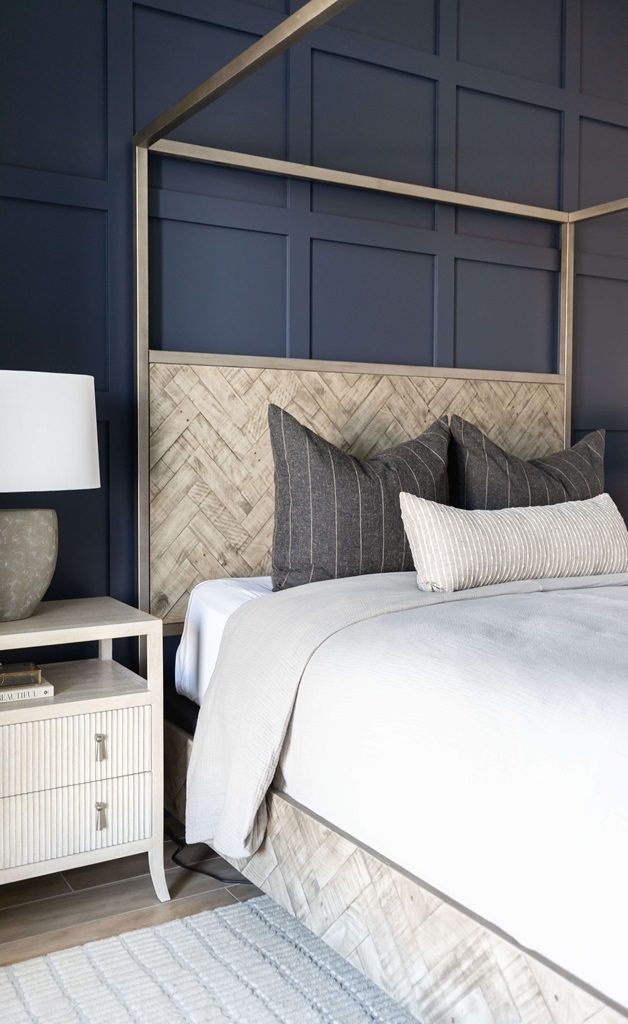
           Modern bedroom with canopy bed and blue paneled wall

          The Psychology of Space 

          The effects of colors, lighting, and design layout on our mood, stress levels, and work output are profound. For instance, warmer shades like yellow and orange could evoke feelings of positivity and vitality, while cooler hues like blue and green often create a soothing environment. This is why a calming blue in a bedroom can be comforting after a grueling day, or an exciting splash of yellow in your kitchen can be motivating as you whip up your morning brew. 

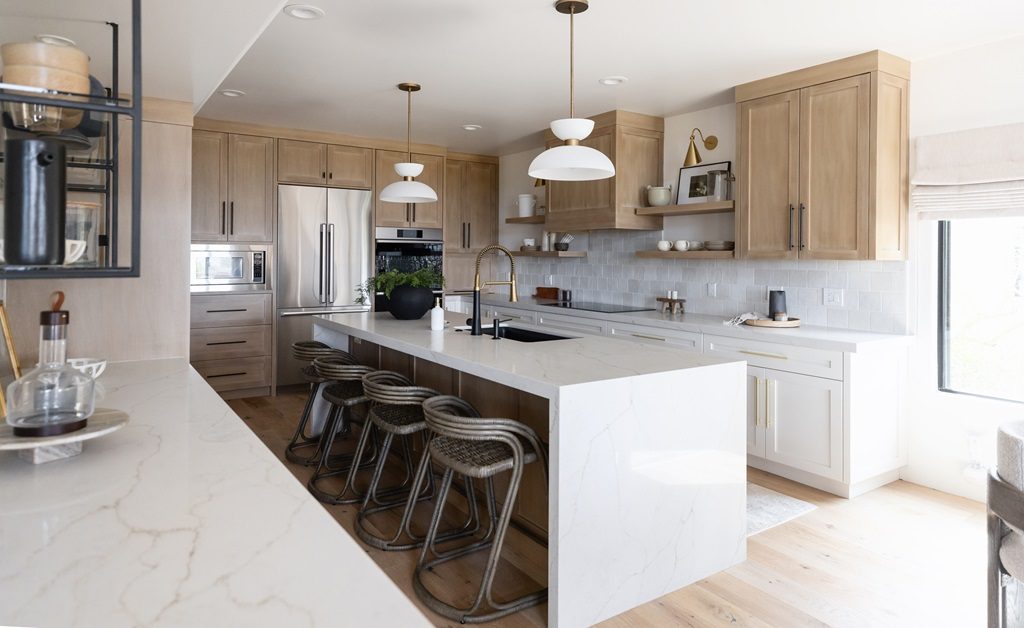
             Modern kitchen with light wood cabinets and island

            Lighting, also, plays a pivotal role in establishing the mood. Natural light is especially beneficial—it’s known to elevate serotonin levels and synchronize circadian rhythms, making areas appear more welcoming while fostering better sleep cycles. On the flip side, poorly lit spaces can decrease energy and lead to reduced productivity. Similar effects can be seen with your layout—a clutter-free, open floor plan can enable stress-free navigation in your home and promote mental sharpness. 

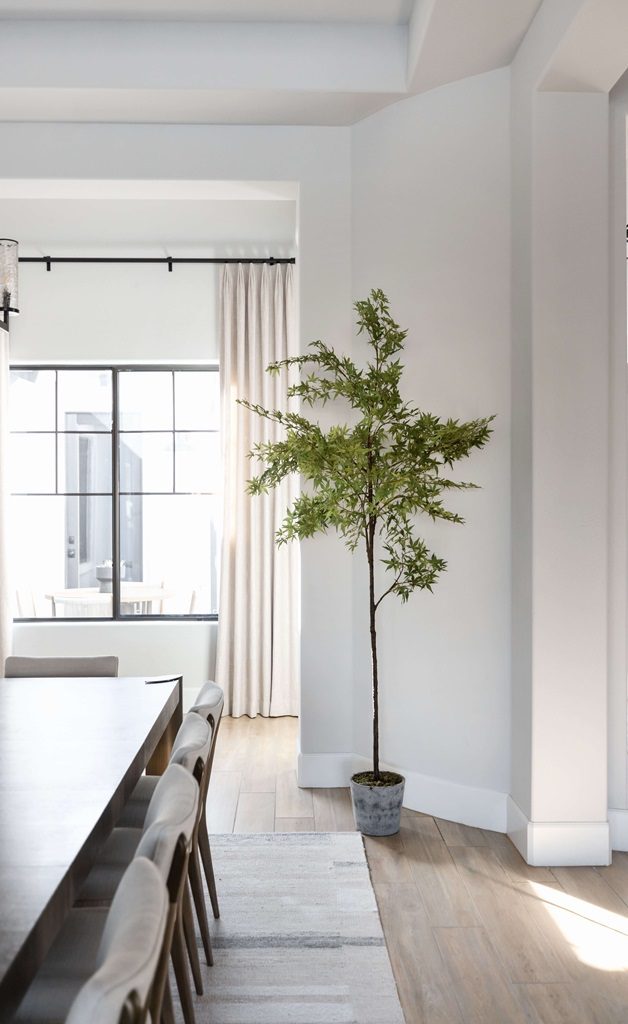
             Dining table with chairs and potted plant corner

            When each design choice caters to your psychological needs, your home turns into a space that lifts rather than burdens. Whether you’re considering a kitchen renovation in Scottsdale or a living room refresh, the impact of interior design goes far beyond aesthetics—it’s about creating a home that prioritizes your wellbeing.

            Designing for Physical Health 

            In addition to aesthetic charm, interior design profoundly influences physical health. Begin with your furniture—ergonomically constructed pieces can help decrease body strain and enhance posture, especially if you often work from home and your office and living room have merged. A suitably adjusted chair can prevent chronic issues like backaches, and the correct desk setup can minimize eye stress and repetitive strain injuries. 

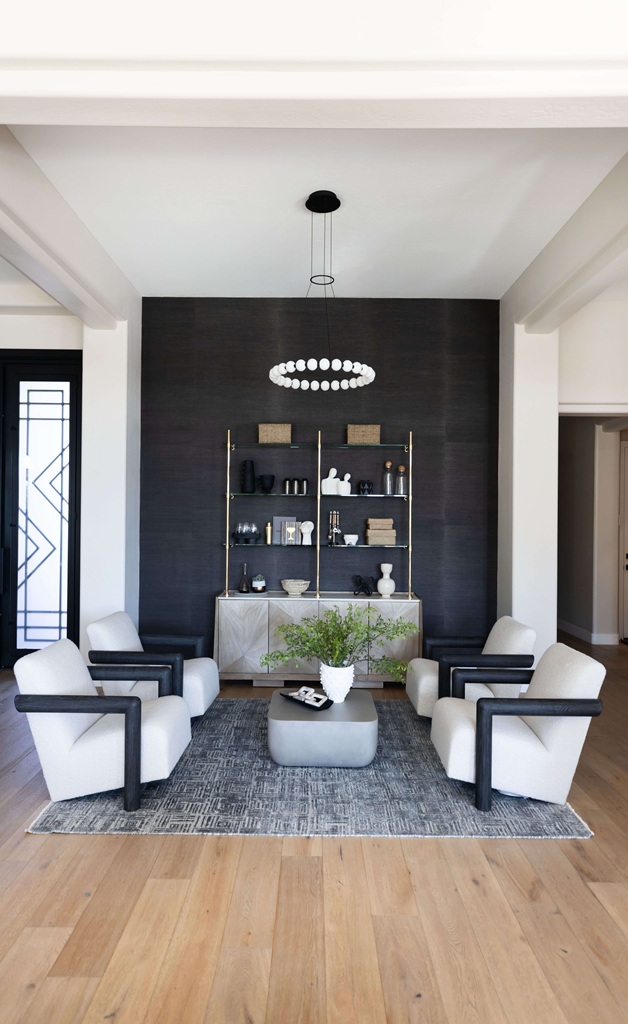
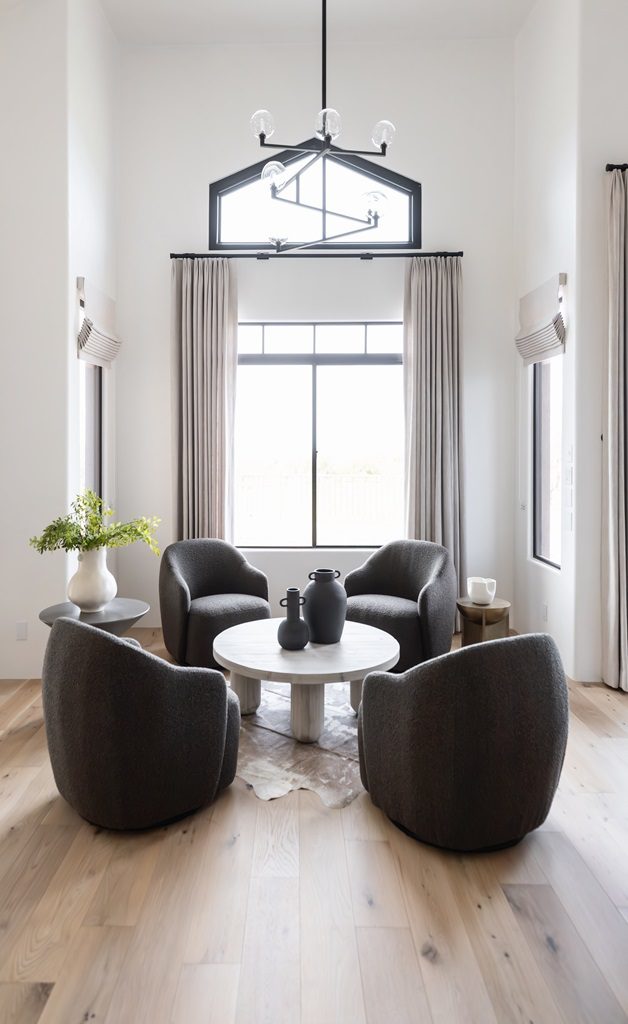
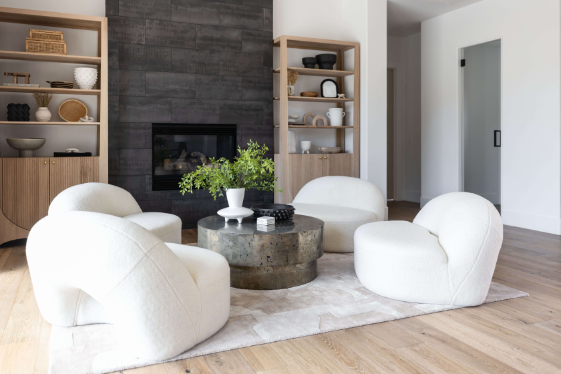
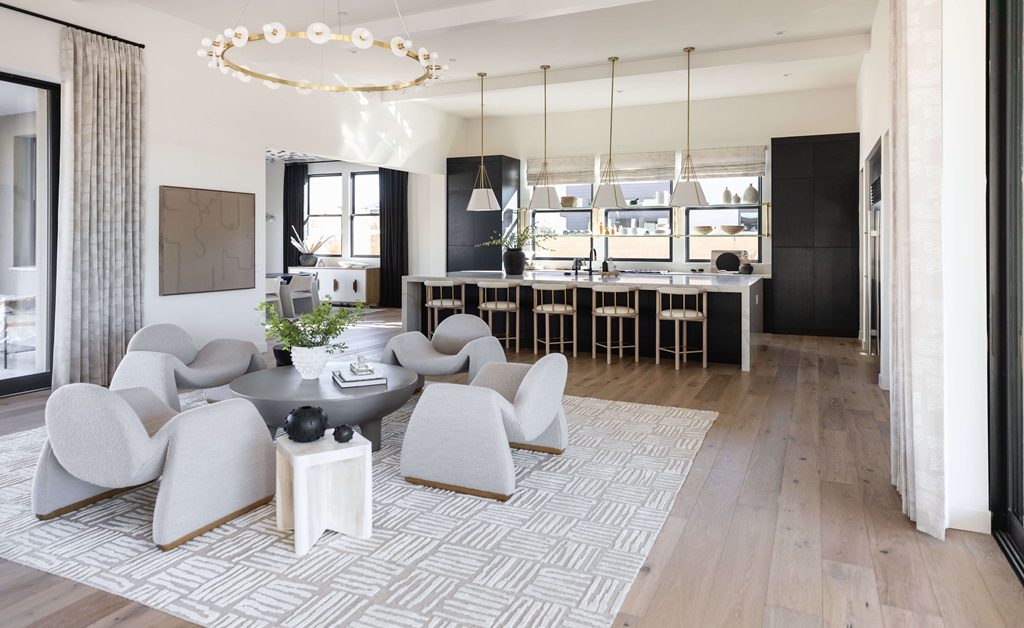
             Modern sitting area with four gray armchairs

            Air quality is another aspect to weigh. Design selections like incorporating greenery indoors or opting for ventilation-friendly materials can boost indoor air circulation, reduce allergens, and create a healthier home environment. Natural elements like wooden or stone accents can not only elevate air quality, but also institute an organic, soothing ambiance that echoes your relationship with nature. 


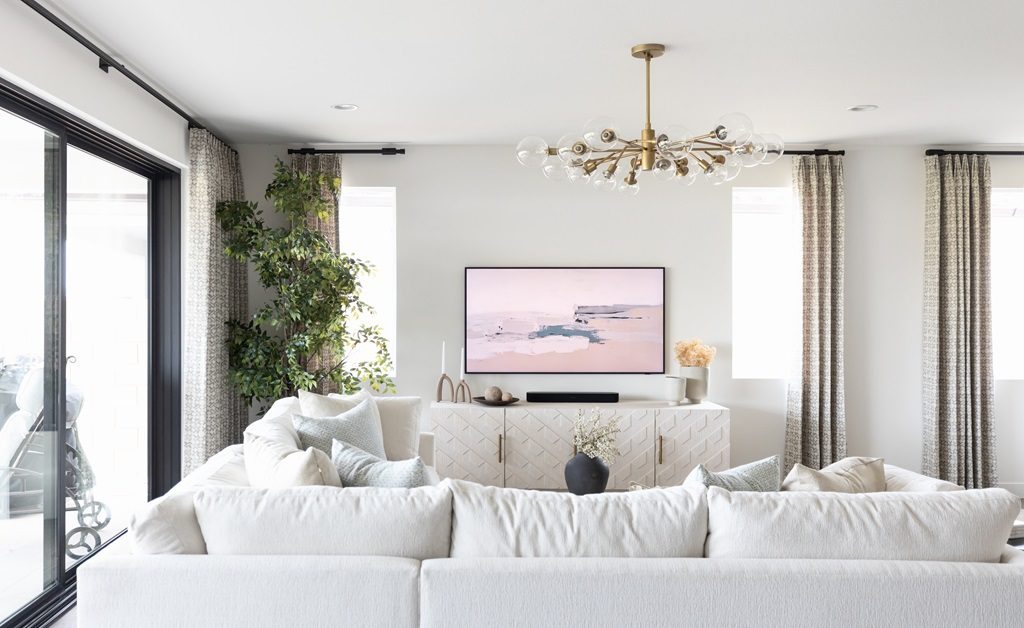
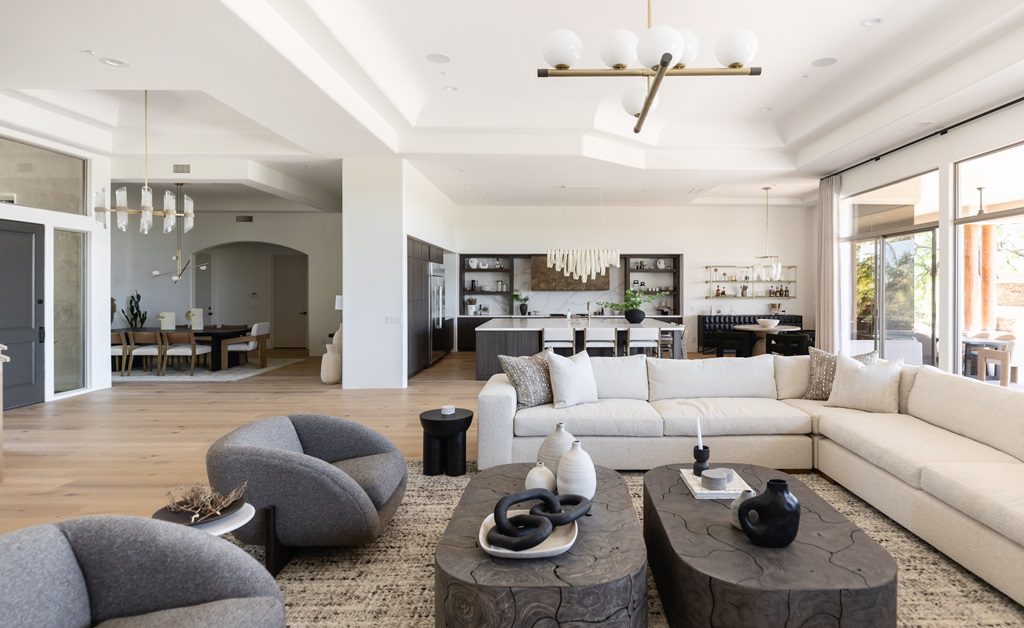
             Bright living room with white sofa and modern decor

            Finally, never overlook the influence of nature in design. Large glass windows, indoor foliage, or even the choice of natural textures can bring the outdoors inside and enhance your sense of tranquility—often referred to as “biophilic design.” These small changes are integral to design for wellbeing, ensuring that your space promotes physical and mental harmony.

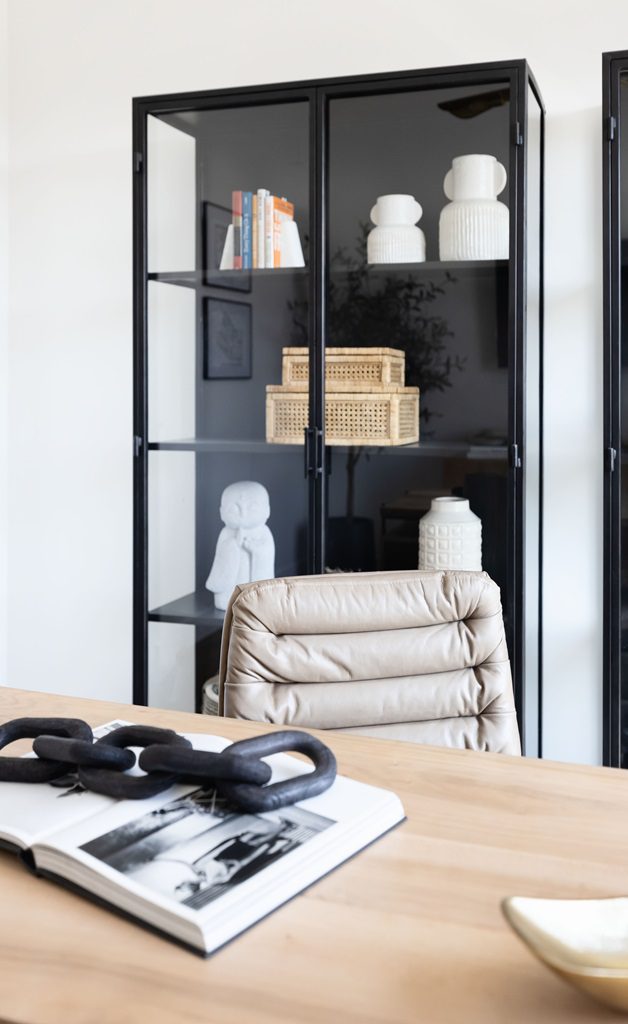
             Modern office chair in front of black cabinet

            Re-Imagining Your Living Space for Wellness 

            Thoughtful interior design is more than an indulgence—it’s a crucial aspect of optimizing your living experience. By synchronizing psychological needs with physical health, your house can become a nurturing space that genuinely backs your holistic wellbeing. Whether it’s letting more sunlight into dim corners or incorporating nature indoors, interior design for wellness is an investment in your mental and physical health. 

            Review your current space and evaluate how your design decisions impact your mood and health. Keep in mind, perfection isn’t the objective; it’s building a home that caters to your unique wellness requirements—a sanctuary in which you can truly flourish.

            Keep Exploring: 7 Interior Designing Tips for Better Mental Health & Wellbeing

            4 Ways Interior Design Can Improve Your Sleep

            4 Ways Interior Design Can Improve Your Sleep


            Your sleep environment plays an incredible role in your overall sleep quality. The choices you make in bedroom design extend beyond comfy bedding or room-darkening curtains. In fact, these choices can remarkably affect your sleep. Remember, interior design is not just about visual appeal; it’s about creating a space that’s conducive to a good night’s rest.

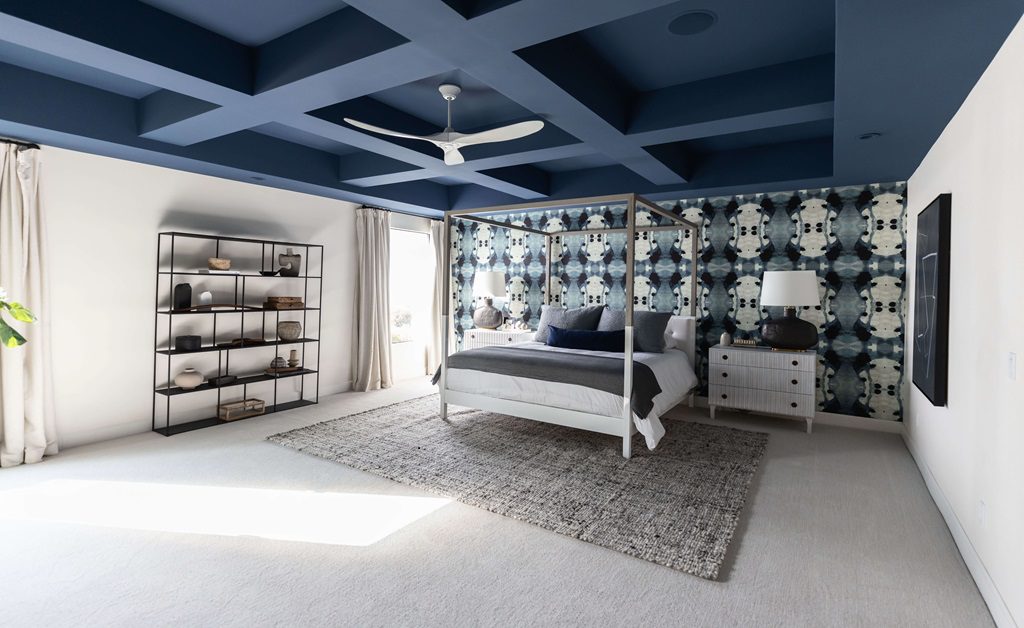
             Bedroom with blue ceiling and patterned wall

            The Ideal Sleep Environment: Setting Up Your Space 

            Firstly, your bedroom should be your haven – a place purely intended for rest and relaxation. Say no to clutter, aggressive lighting, or the multifunctional use of your room. Keep workstations, gym equipment, and other distractions out of your sleep area. Your design decisions should encourage tranquility, so lean towards simplicity and practicality. 

            Proper ventilation and the maintenance of a cozy temperature, approximately 65°F or 18°C, are crucial. Adding air-cleaning plants can additionally enhance air quality and give the room a refreshing feel, thus aiding better sleep.

            Lighting also plays a part; avoid overly bright overhead lights and switch to dimmable lights or warm, bedside lamps. Investing in blackout blinds or thick curtains can help you control the room’s darkness better, ensuring undisturbed sleep. This focus on interior decoration for a bedroom​ can make a major difference in the comfort and functionality of your space. 

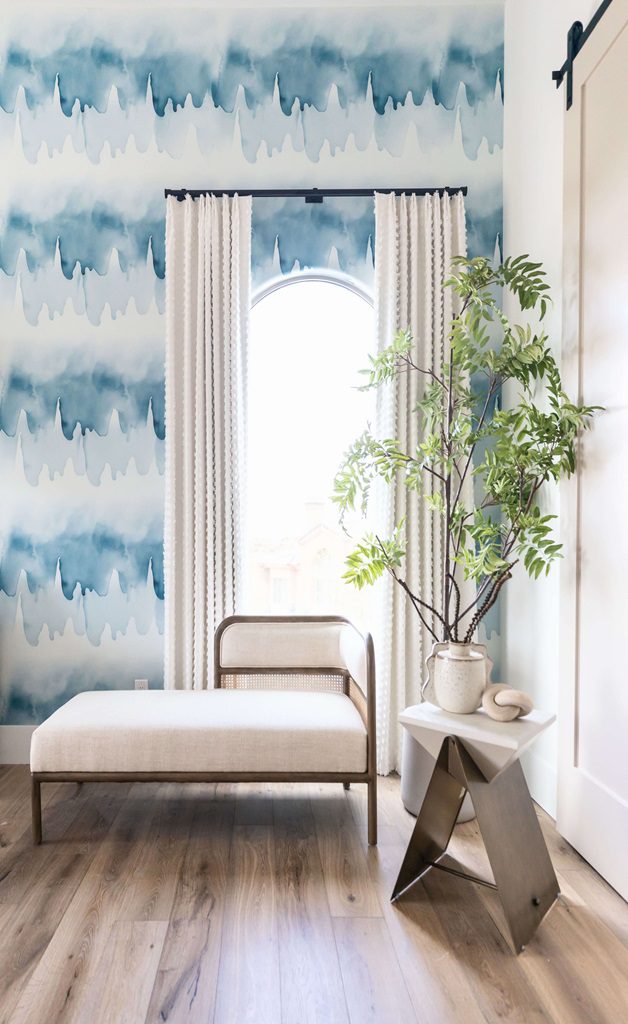
               Chair and side table with blue wallpaper

              Choosing the Right Color Palette: The Impact of Color

              Color has a psychological effect on our mood and energy levels, thus it’s a critical factor for your sleep space. Vibrant, strong colors like red or orange might stimulate rather than help you relax. Instead, go for soothing shades such as light blues, sage greens, or neutral colors. 

              These colors elicit feelings of peace and relaxation, setting a restful atmosphere to unwind after a hectic day. If you’re inclined towards a monochromatic color scheme, different shades of softer tones—like a mix of pastel lavender with whites—add interest and keep the tone peaceful. 

              Even accent colors count. You can add a subtle dose of muted colors using decor, but avoid over-stimulation—a bright yellow pillow might draw attention but could disrupt the overall soothing vibe. This highlights how interior design helps in better sleep by carefully selecting colors that support rest.

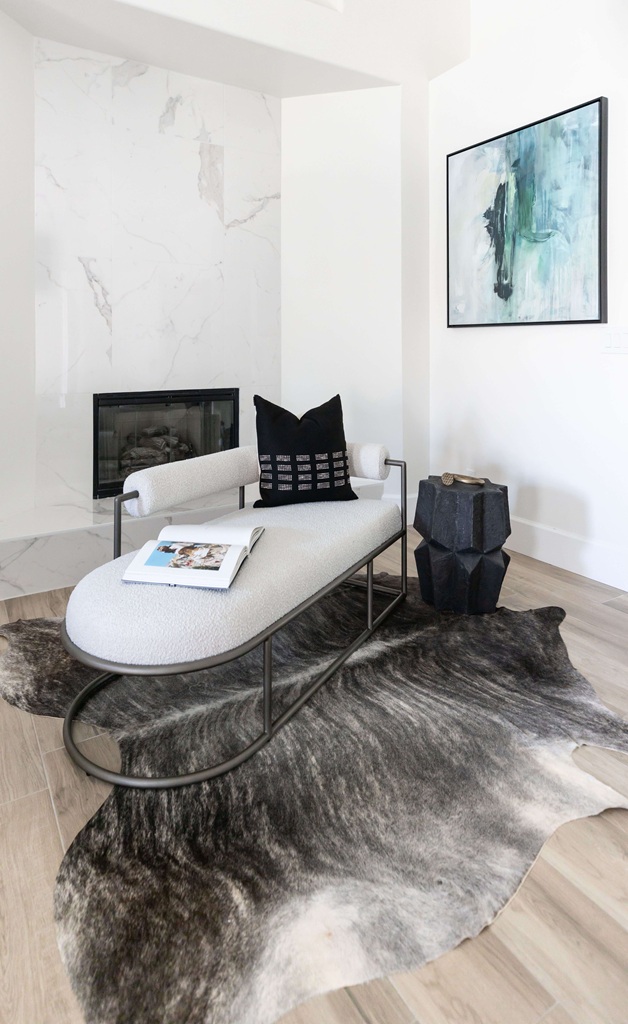
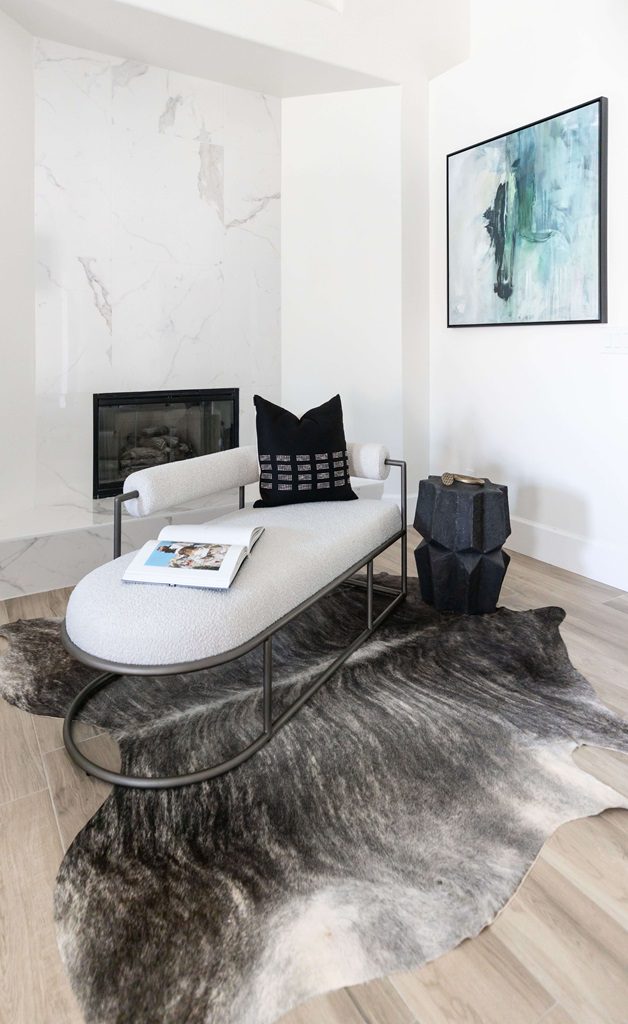
               Modern chaise lounge with black pillow and rug

              Comfort and Relaxation: Furniture and Layout 

              A thoughtfully planned furniture layout is critical for a peaceful space. Position your bed against a solid wall, away from entrances or windows, which can elicit a feeling of safety. Leave enough space to freely move around the bed and avoid crowding furniture into tight spots, as this can feel confining. 

              Opt for ergonomically-designed, supportive furniture. Your mattress and pillows are essential; choose designs that fit your sleep preferences. Bedside tables and soft lighting within reach can add to the room’s functionality and support wind-down routines before sleep. 

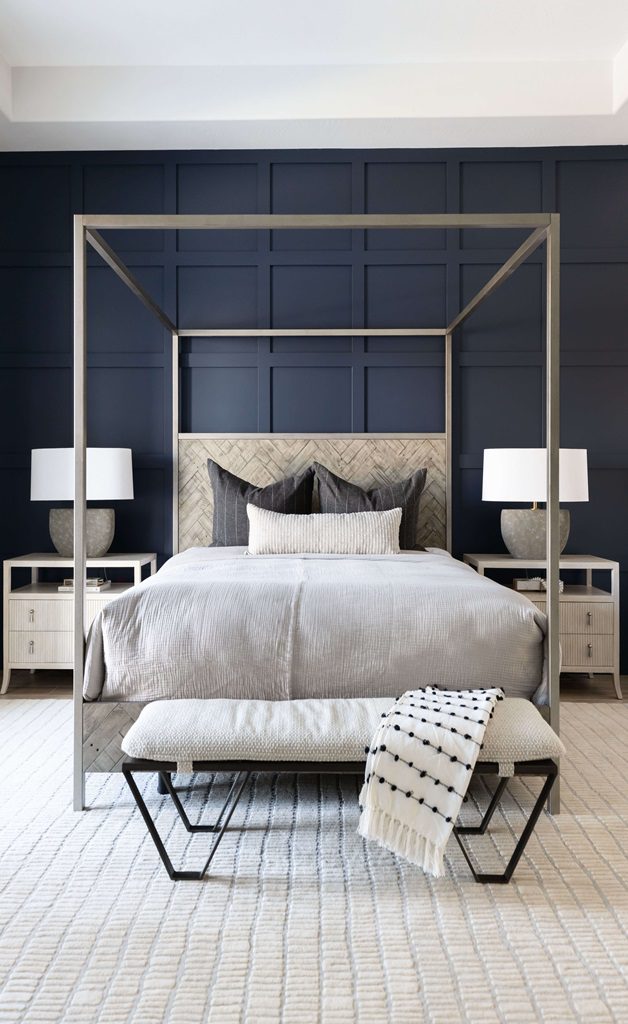
               Modern canopy bed with navy accent wall

              If you have enough room, consider adding relaxing features like a reading chair or a small bench at the foot of the bed, as long as they fit into the room’s dimensions and flow. Embracing minimalism maintains a clutter-free space and ensures every item has a purpose. These principles are central to effective sleeping room interior design, which prioritizes both practicality and comfort.


              Sleep-Friendly Fabrics: Textiles and Materials 

              The textures and materials chosen for your bedroom can significantly affect your sleep. Begin with your bedding—invest in breathable fabrics like organic cotton or bamboo, as these promote ventilation and wick away moisture, ensuring your body temperature stays regulated all night. 


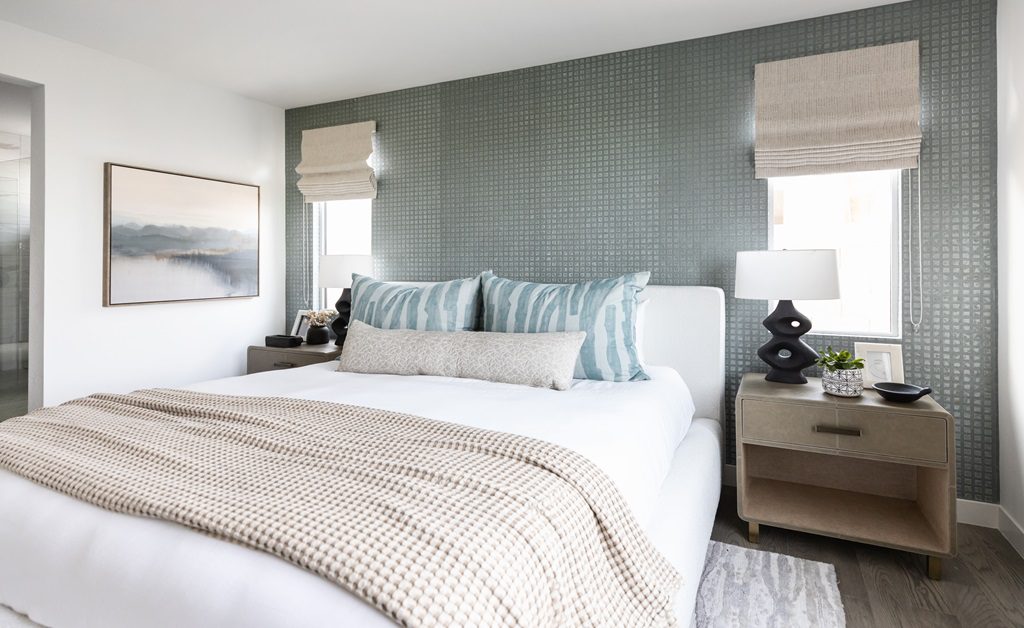
               Cozy bed with patterned wallpaper and side tables

              Enhance your bed with comfy, plush blankets or duvets. Choose materials that are pleasing to touch, but steer clear of fabrics that trap too much heat or feel rough against the skin. For rugs and curtains, consider hypoallergenic natural fibers like wool or linen, adding a cozy, warm touch to the room. 

              Don’t overlook window treatments. Thick, insulating curtains can block out light and external noise. Adhere to muted tones or patterns that blend with the overall color scheme while adding a hint of decorative style. If you’re considering a complete renovation, you might seek the expertise of remodeling companies in Paradise Valley to ensure your space meets both aesthetic and functional needs.

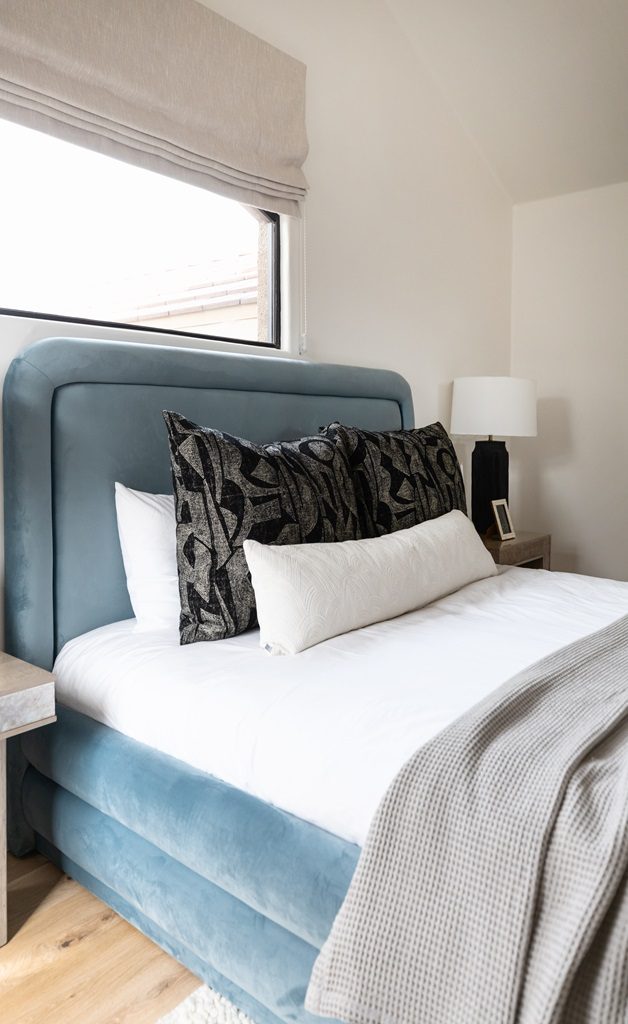
               Blue velvet bed with patterned black pillows

              Sleep Quality Enhanced by Design 

              Designing your bedroom for improved sleep goes beyond just having an attractive room—it’s about creating a rejuvenating space that aligns with your natural sleep patterns. Every design element, from choosing tranquil colors to arranging the furniture strategically and selecting appropriate fabrics, contributes to enhancing your sleep quality. Effective interior design for better sleep can mean the difference between restless nights and waking up feeling refreshed, ready to seize the day.

              Explore More: How to Design Your Dream Bedroom

              Interior Design & Mental Health: 5 Ways Home Can Boost Happiness

              Interior Design & Mental Health: 5 Ways Home Can Boost Happiness


              Spaces we reside in are more than just walls and fixtures; they profoundly shape our emotions. As such, the role of interior design and mental health is becoming more recognized. Mindfully curated home decor can engender feelings of relaxation, creativity, and joy. 

               Cozy living room with fireplace and white chairs

              Mental Health and its Design Connection 

              Your surroundings significantly influence your mental state. Research proves that natural light alleviates stress, a mess leads to anxiety, and balanced design enhances mood and concentration. By being mindful of your home decor, you foster a space that not only supports your mental health but also your emotional well-being. Even minor tweaks have a huge impact. 

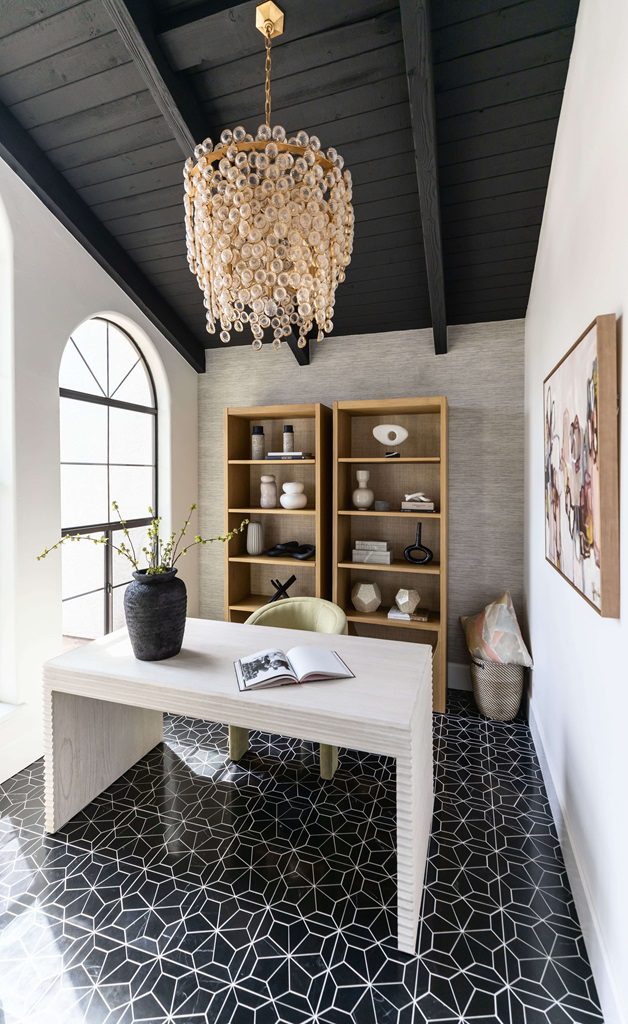
                 Elegant office with black ceiling and chandelier

                Instilling Peace with Mindful Design Choices

                In a bid to create a tranquil home, focus on gentle, neutral colors like whites, beige, and subdued blues or greens. These colors relax the mind and create a feeling of restfulness. Equally, lighting has a crucial role. Opt for warm, dimmable light that imitates the natural daylight, which aids in reducing strain. 

                What’s more, getting rid of clutter is pivotal. Messy spaces cause a messy mind, so it’s crucial to prioritize organization and storage solutions to maintain a clean home. Keep in mind that your home should not be a showroom, but instead a tranquil refuge that represents a manageable and inviting space. Bringing in mental health designs can help integrate these principles seamlessly. 

                 Living room with blue ceiling and green plant

                Spaces That Stimulate Creativity and Motivation

                Everyone needs a space that sparks inspiration. It could be a home office, crafting zone, or reading alcove. Allocating a section of your home for creative activities can significantly boost your productivity and mental health. Seek to design a setup filled with natural light, body-friendly furniture, and elements that echo your personality, like meaningful artworks or decor. 

                Also contemplate the arrangement of your furniture. Position your desk or workspace facing a window to inspire your mind, while tactically planned layouts can instigate motivation to accomplish your tasks. Many homeowners trust a general contractor in Paradise Valley, AZ, to bring these creative designs to life. 

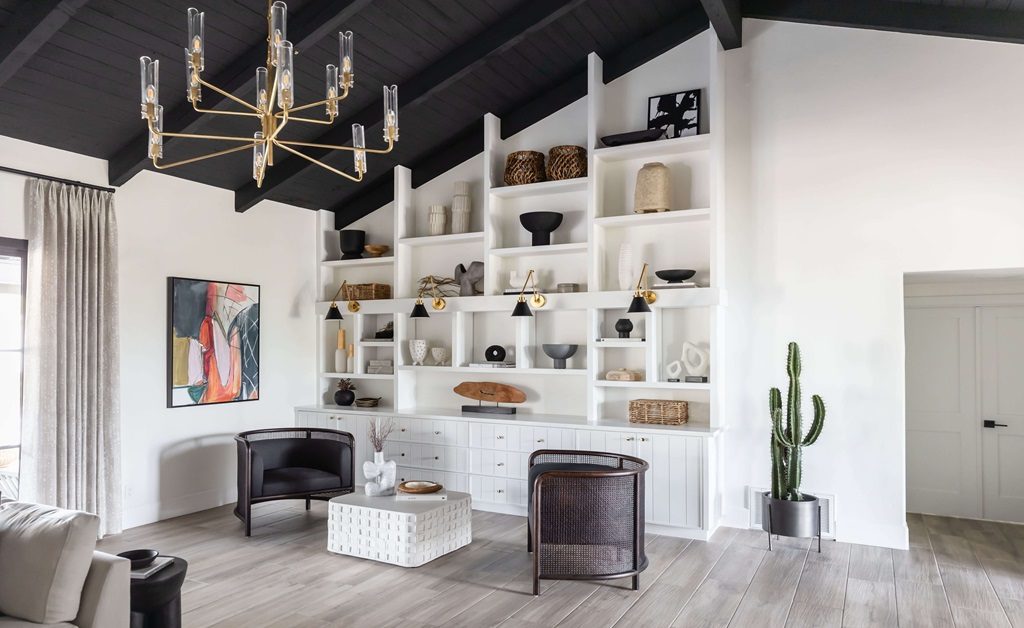
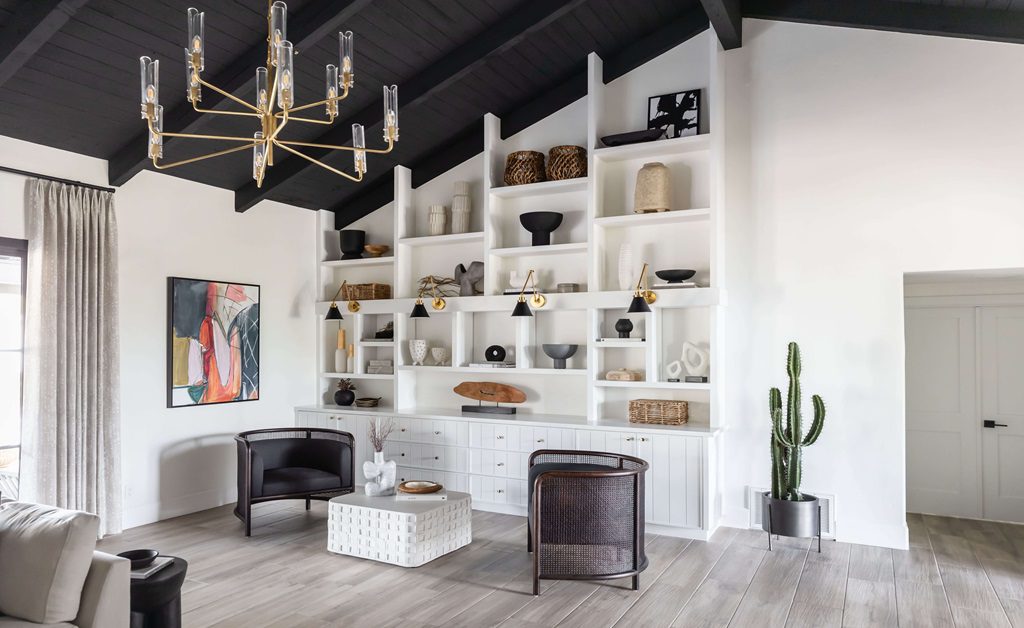
                 Modern living room with black ceiling and cactus plant

                Promoting Well-Being via Comfort Spaces

                Comfort is vital to well-being, and cozy environments can turn your home into an ultimate haven. Smooth textures—like fluffy mats, oversized cushions, and warm throws—contribute to sensory comfort and help you unwind. Warm, earthy hues like terracotta, olive green, and muted browns evoke a sense of safety and stability. 

                Investing in superior furniture that boosts relaxation is also worth considering. A cushy sofa, a well-placed armchair, or a comfy mattress can greatly boost your overall wellness. These elements make your home a place you eagerly return to, after dealing with real-world challenges. Think about mental health in interior design, and you’ll truly elevate your space


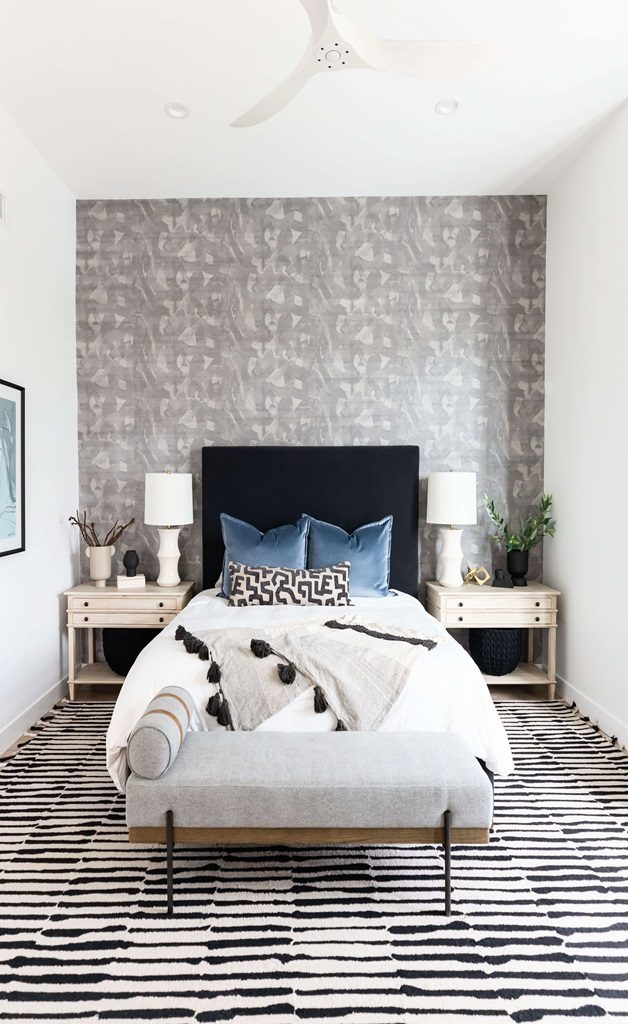
                 Modern bedroom with black headboard and patterned rug

                The Influence of Nature in Home Decor

                Nature serves as a strong stress-reliever, and incorporating it into your home can greatly uplift your spirits. Incorporate houseplants to clean the air and liven up your spaces. If tending to plants seems daunting, start with low-care options like succulents or snake plants. 

                Natural materials like wooden furniture, stony surfaces, or woven fabrics instill an organic warmth and balance. If possible, design areas that merge the indoors with the outdoors, like a bedroom leading to a terrace or a window seat with a garden view. These elements align beautifully with principles of mental health design while adding a breath of fresh air to your living spaces. 

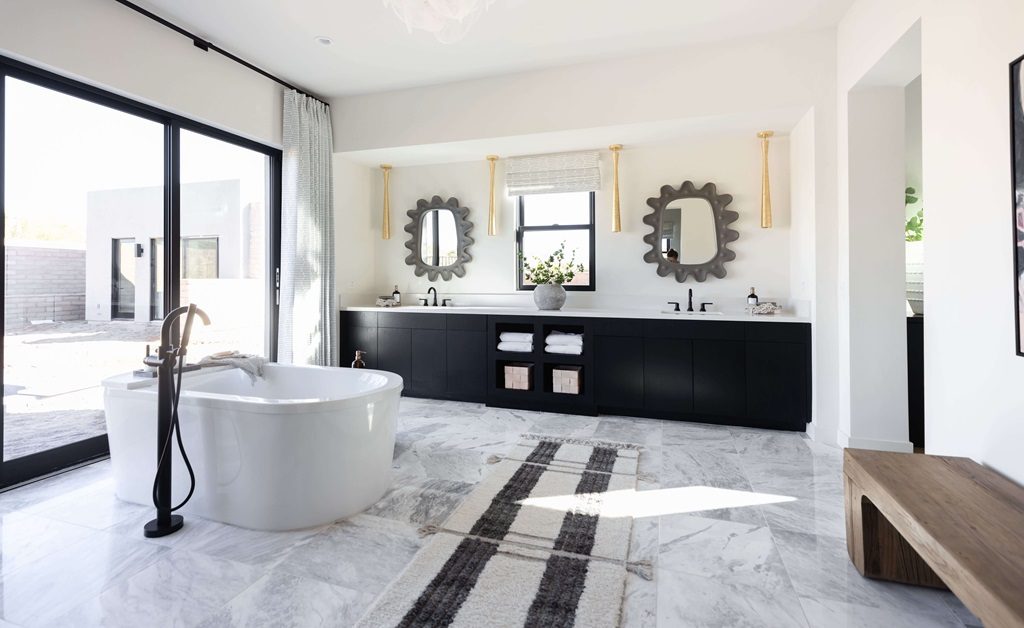
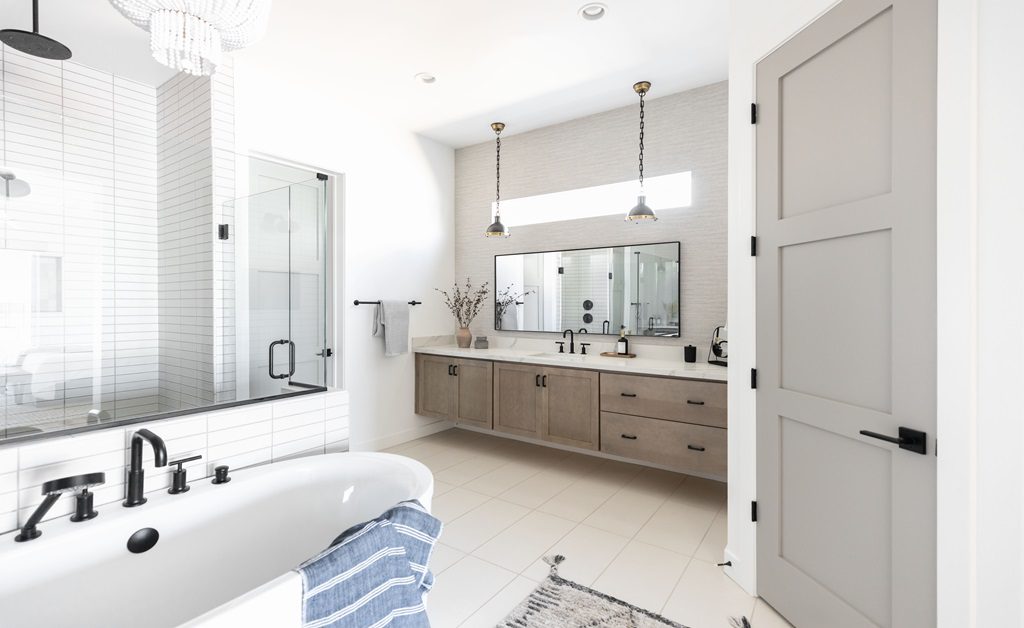
                 Bright bathroom with freestanding tub and black vanity

                Minimalism and Mental Health 

                Embracing minimalism doesn’t involve stripping your space to the bone, rather, it’s about establishing equilibrium and removing surplus for a clearer mind. Minimalist spaces emphasize usefulness and spaciousness, reducing visual stress and promoting tranquility. Maintain only the elements that truly make you happy, and discard the redundant clutter. 

                Minimalism further deepens your attachment to the most vital parts of your home. By genuinely appreciating everything you keep, you foster an ambiance that feels deliberate and uniquely yours. This approach supports mental health in interior design, creating a calming and functional environment. 


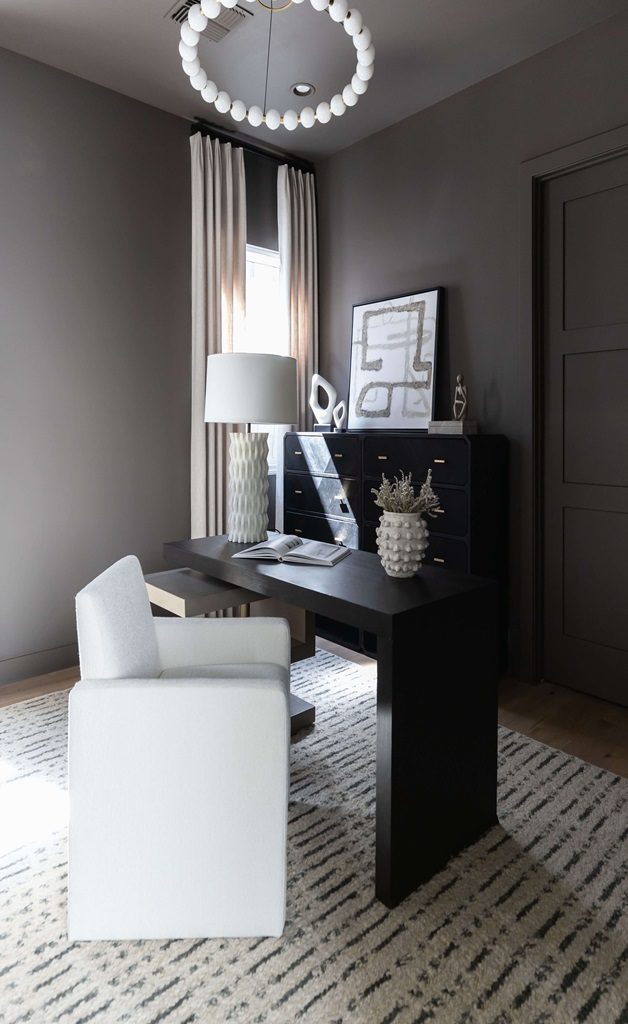
                 Modern office with black desk and white chair

                Revamping Your Home for a Better You 

                Your home serves as more than just your living space—it’s your comfort zone, your source of creativity, and your tranquil escape. By concentrating on thoughtful decor elements like calming shades, comfortable furniture, and natural constituents, you can create an environment that enhances your joy and mental health. Begin with small alterations, try out different changes, and in time, your home could become the sanctuary you’ve always wanted.

                Learn More: 7 Interior Designing Tips for Better Mental Health & Wellbeing

                How Your Home’s Design Can Improve Your Health

                How Your Home’s Design Can Improve Your Health


                Your home isn’t just where you binge-watch your favorite shows—it’s your secret weapon for better health, happiness, and productivity. The right setup can either have your wellness soaring or leave you feeling like a wilted houseplant. With a little effort and creativity, you can turn your living space into a powerhouse for good vibes and well-being.

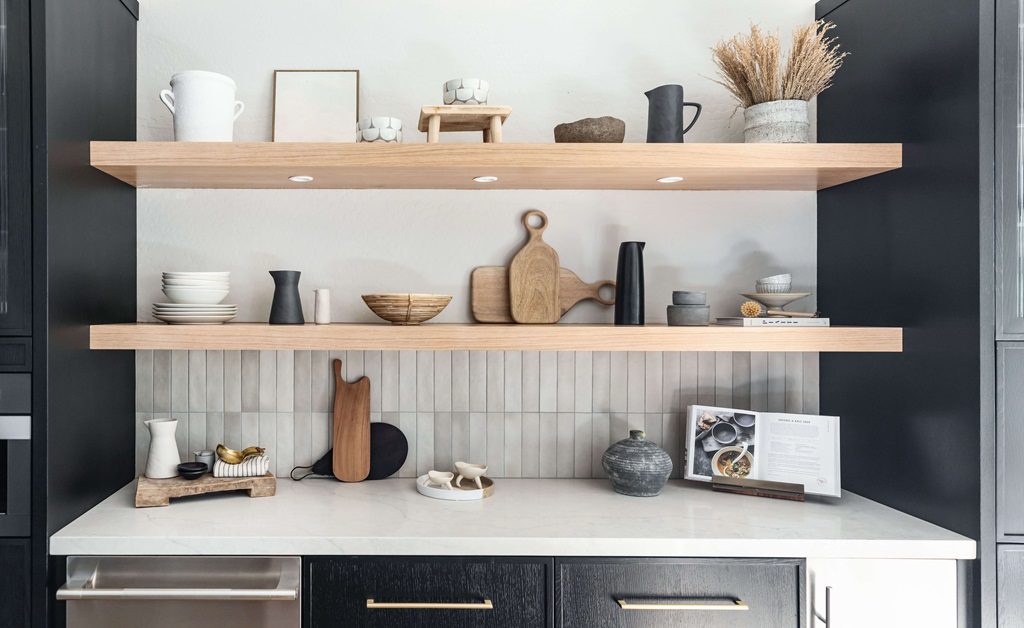
                 Modern kitchen shelves with decor and dishes

                Exploring the Connection Between Health and Home Planning

                Air and Light Quality 

                The air you breathe and the light you are subjected to have critical roles in your health. Insufficient ventilation and sub-par air quality can intensify respiratory issues, while inadequate lighting can impact your mood, vigor levels, and sleep pattern. 

                On the other hand, homes filled with natural light and equipped with the right air filtration systems foster overall health by minimizing possible pollutants and enhancing indoor air quality. Interior designers in Scottsdale, AZ, often emphasize the importance of natural light and proper ventilation when creating homes that prioritize interior design and health.

                   Blue upholstered bed with nightstands

                  Natural Materials 

                  The materials employed in your home’s design can also influence your health. Go natural or go coughing—timber, cork, and stone don’t just look good; they’re easy on the environment and your lungs. Unlike some artificial materials that sneakily release nasties like formaldehyde (looking at you, cheap flooring), these eco-friendly heroes keep your air clean and your conscience clearer. This is a key consideration in understanding how a well-designed home affects your health.

                  Layout and Flow 

                  The spatial configuration of your home also impacts your mental and physical health. An impractical home layout can lead to congestion due to clutter and unused space, heightening stress levels and causing annoyance. A layout that encourages easy movement creates peaceful and functional living surroundings. This demonstrates how a well-designed home impacts your health by reducing stress and enhancing functionality.

                   Modern living room with beige sofas

                  Color and Texture 

                  Color psychology isn’t just theoretical—it has practical implications. Soft, neutral shades like beige or pale blues can induce a feeling of tranquility and relaxation, whereas vibrant colors like red can invigorate but may also lead to over-stimulation over time. Combining sensible color selections with textures like inviting rugs or sleek wooden furniture provides a comforting environment while lowering anxiety.

                  Technology Incorporation 

                  Smart home tech can further improve your health. Devices like air cleaners, circadian illumination systems, and automatic blinds are a few advancements that can enhance air quality, manage light exposure, and regulate sleep. When utilized prudently, technology can enhance other design details to establish a harmonious ecosystem in your home. Such innovations are vital aspects of interior design for health, blending style with functionality.

                   Spacious living room with white sectional

                  Helpful Steps for Designing a Health-Conscious Home

                  Enhance Air Quality 

                  Boost your home’s air quality by purchasing superior ventilation systems or air cleaners. Make sure your home is well-aired throughout the day to clear airborne contaminants and allergens. For an additional measure, choose filters that trap fine dust particles or injurious chemicals to guarantee purer air.

                  Maximize Natural Light 

                  Residences soaked in natural light don’t just look appealing—they also uplift mood and regulate your body’s internal clock. Choose options like expansive windows, glass doors, or skylights to fill your home with sunshine. At the same time, cut down on artificial light exposure at night by fixing blackout curtains and adjustable lighting.


                   Modern kitchen with light wood cabinets

                  Include Indoor Plants

                  Plants act as natural air cleaners and mood enhancers. Spider plants, peace lilies, and snake plants are particularly efficient at removing harmful pollutants while contributing a hint of greenery to your home’s aesthetic. Taking care of plants can also decrease stress and induce feelings of fulfillment, demonstrating how a well-designed home affects your health in a tangible way.

                  Declutter and Organize

                  Untidiness is a covert stressor that’s often ignored. A cluttered and disorganized space can lead to anxiety, making it difficult to concentrate and unwind. Regularly declutter and assign a unique spot for every item. Use smart storage options like multipurpose furniture or wall-mounted shelves to keep your surroundings neat and harmonious.

                  Adopt Non-Toxic Materials

                  Watch out for the sneaky chemicals lurking in your furniture, paint, and decor. Swap that high-VOC paint for its low-VOC cousin, roll out a natural fiber rug, and say no to furniture that’s been dunked in questionable treatments. Even small switches, like upgrading to organic bedding and towels, can make a big difference. 

                  Your home isn’t just four walls and a roof—it’s basically your wellness wingman, shaping your vibe and your wellbeing!

                  Read More: How Home Design Contributes to a Healthy Lifestyle

                  What Does a General Contractor Do? Key Roles Explained

                  What Does a General Contractor Do? Key Roles Explained

                  What the Data Shows About General Contractor Costs in Scottsdale

                  A general contractor manages the construction phase of your renovation: hiring and scheduling subcontractors, pulling permits, maintaining the budget and timeline, and serving as the single point of accountability from demo to final walkthrough.
                  For context: Zillow data puts the average Paradise Valley home value at $3.45 million as of early 2026, up 13.5% year over year. Work done without permits or by an unlicensed contractor creates disclosure obligations and title complications that directly affect your ability to sell or refinance in a market at that price point.

                  The journey to complete a home renovation or build your dream house can quickly become an intricate maze of tasks. From coordinating various vendors to ensuring the timely completion of every detail, the process can escalate to unexpected complexity. Thankfully, the presence of a general contractor in Paradise Valley, AZ, can transform your overwhelming route into a smooth pathway. 

                  The heartbeat of any construction project, a general contractor, guarantees seamless progress and adherence to timelines. But what does a general contractor do, and why are they critical to the fruition of your project? This concise guide unveils their pivotal roles, illustrating how hiring one can be the antidote to your construction headaches and a savior of time and money.

                  The general contractors

                  What Does a General Contractor Do?

                  At the core of any construction project, large or miniscule, sits the general contractor. This crucial role serves as a conductor orchestrating the symphony of the construction process, ensuring the harmony from inception to completion. They coordinate, strategize, and oversee all facets, acting as a bridge between you—the homeowner—and the plethora of subcontractors involved in the project. Envision them as the captain of a ship, charting the course and ensuring each crew member is aware of their duties. Understanding this general contractor work description is essential when planning your project.

                    Hiring a General Contractor is Essential

                    General contractors hold the reins of an array of tasks. These range from securing the necessary permits to ensuring adherence with local building codes. They are invaluable treasure chests of experience, proficient in navigating the labyrinth of design, materials acquisition, construction scheduling, and unforeseen hurdles. A delay in materials delivery threatening to disrupt the timeline? It’s the general contractor’s call to find a swift solution and keep the wheels turning. They effortlessly juggle administrative tasks like budgeting and invoicing, relieving you of these burdens.

                    Furthermore, general contractors hire and manage subcontractors such as electricians, plumbers, and carpenters. With an eagle’s eye for detail, they ensure each subcontractor brings their A-game and that their work seamlessly integrates into the larger project blueprint. This oversight safeguards your project from costly errors, ensuring professionalism is stamped on every aspect. What do general contractors do? Their ability to juggle complex tasks while maintaining quality provides a clear answer.

                    newly-remodeled-arizona-kitchen-with-modern-feel

                    Why Hiring a General Contractor is Essential

                    The idea of managing your construction project may initially seem alluring, especially with the prospect of keeping your wallet happy. However, the actuality of successfully coordinating numerous shifting components can be a daunting beast. Several reasons underscore a general contractor’s expertise as a precious reservoir, particularly when you consider their building contractor responsibilities.


                    General Contractor

                    First and foremost, they are time savers. Whether it’s sourcing dependable subcontractors or arranging inspections, general contractors streamline the process, eliminating inefficiencies or delays that might plague your attempts. Their established relationships with vendors and subcontractors give them the upper hand in securing preferable deals and prioritizing your project.

                    Secondly, general contractors are protectors of your budget. They can thwart unnecessary expenditure, manage unforeseen changes and ensure that all tasks respect your financial constraints. Their rich experience translates to effective resource allocation and anticipation of potential pitfalls before they turn into costly disasters.

                    The Architect of Peace of Mind


                    Lastly, a general contractor is a purveyor of peace of mind. Covering a myriad of intricate details, including legal and safety requisites, a contractor ensures compliance with every regulation, alleviating any concerns about potential legal or liability issues. Rest easy knowing that a professional is steering the ship towards the successful completion of your dream home or renovation project, sticking to both the timeline and budget. 

                    Simply put, what can a general contractor do? They can remove the stress and ensure your vision comes to life without compromise.


                    your dream home

                    The Architect of Peace of Mind

                    A general contractor is a skillful juggler, adept at balancing roles as a manager, negotiator, problem-solver and quality controller. They not only steer your construction project to the finish line but also shield your investment and simplify a potentially convoluted process. Their contractor duties and responsibilities encompass every aspect of the project, giving you the freedom to focus on the big picture.


                    professional general contractor

                    By engaging a professional general contractor, you ensure each detail is treated with dedicated expertise and diligence, allowing you to savor the fruit of your project instead of fretting over its execution. Regardless of the scale of your upcoming project, teaming up with a seasoned general contractor is a savvy decision for any homeowner aiming to transform their vision into concrete reality.

                    Read More:  Can a General Contractor Do Plumbing​ Work?

                    Frequently Asked Questions

                    What does a general contractor do on a home renovation?

                    A general contractor manages the full construction scope: pulling permits, hiring and coordinating licensed subcontractors, maintaining the schedule, and ensuring the work meets code. On a complex renovation, the GC is the person accountable for everything that happens on site from demolition through final inspection.

                    Do I need a general contractor for a kitchen or bathroom remodel?

                    In Arizona, any renovation that involves moving plumbing, relocating electrical, making structural changes, or adding square footage requires a licensed general contractor to pull permits and oversee the work. A designer cannot legally perform this function. Verify license status at roc.az.gov before signing any contract.

                    How do I verify a contractor is licensed in Arizona?

                    Check the Arizona Registrar of Contractors at roc.az.gov. Search by company name or license number. A valid listing confirms the license is active, shows what type of work is covered, and flags any complaints or disciplinary actions. Living with Lolo holds ROC #347577.

                    What is the difference between a general contractor and a subcontractor?

                    A general contractor manages the full project and is the licensed party accountable for permits and code compliance. Subcontractors such as plumbers, electricians, and tile setters are specialists hired by the GC to perform specific scopes. On a well-run project, the homeowner deals primarily with the GC, not individual subs.

                    The Beginner Home Remodel Checklist: Step-by-Step Guide

                    The Beginner Home Remodel Checklist: Step-by-Step Guide

                    What the Data Shows About Home Remodel Costs

                    Before starting a home remodel, you need four things in place: a defined scope of work, a realistic budget with a 15 to 20 percent contingency, a licensed contractor with verified project history, and a timeline that accounts for permitting and material lead times.
                    For context: Zillow data puts the average Paradise Valley home value at $3.45 million as of early 2026. In a market at that price point, renovation investment needs to match the home's value to maintain resale position. A 10 to 15 percent contingency on top of your confirmed budget is standard practice for any project involving construction.

                    Embarking on your first home remodeling project is an exciting time. Nonetheless, lacking a comprehensive guide, this journey can soon turn daunting. This is when a meticulously planned home remodeling checklist is invaluable. By intentionally progressing through each phase, you can streamline the process, dodge expensive blunders, and realize the home makeover you’ve envisioned.

                    Set Clear Objectives and a Budget 

                    Any fruitful remodeling venture’s inception lies in laying down your goals. What’s the motivation behind your makeover? Are you revamping a kitchen to improve usability, or renovating a bathroom to escalate property value? Bear these factors in mind as they will steer every decision you make. 

                    After your objectives are finalized, it’s time to decide your budget. Refurbishing projects can easily veer off course without a defined financial limit. Incorporate a provision for unforeseen expenditures—around 10% to 20% of your overall budget—to be ready for unexpected hitches, such as infrastructural issues or enhancements to conform to contemporary building norms. A well-laid house remodel checklist can keep these factors in check. 

                    interior designers

                    Get Your Inspiration 

                    Before liaising with contractors or procuring materials, devote time to exploring ideas for your space. Platforms like Pinterest, Instagram, and home improvement blogs are superb resources for getting inspiration. Visit showrooms, view remodeling videos, and jot down finishes, layouts, and designs that resonate with your vision. This investigation phase will inform your decisions and provide an idea of the investment needed for your desired result. 

                    Consider assembling a mood board or a digital directory to gather your top picks. Having visual examples will simplify communication with professionals at later stages. Whether you’re envisioning custom home remodeling in Scottsdale or a small interior update, inspiration is key. 

                      best home remodeling

                      Engage the Appropriate Professionals 

                      While some novices might be swayed to undertake the remodel themselves, larger projects require seasoned professionals to circumvent potential stumbling blocks. Start with investigating licensed and insured contractors, architects, or interior designers who specialize in the area you wish to refurbish. Seek recommendations, peruse reviews, and make sure to interview several contenders before engaging. 

                      Make sure you request estimates and proposals from remodeling contractors. Rather than simply choosing the lowest bid, evaluate factors like timeline, communication, and scope of services. The chosen professional team will not just realize your vision but also ensure a smoother process from beginning to end. Use a checklist for remodeling a home to ensure you haven’t missed any details when vetting professionals. 

                      Home Remodel

                      Draft a Schedule and Timeline 

                      Once your team is assembled, collaborate to devise a detailed timeline. A pragmatic schedule covers every stage, like design, ordering, and installation, with milestones along the way. Remember that unforeseen situations like weather or material shortages can cause delays. Discuss these possibilities with your team beforehand to manage expectations and minimize disruptions. 

                      Transparent communication is essential during this phase. Regular interactions or updates with your contractors can keep the project on course and allow you to tackle any issues or concerns promptly. While a home remodel checklist is important, you also need to lean on the expertise of the pros.

                      remodeling a kitchen

                      Select Materials and Finishes Strategically 

                      This is usually a complex part of the remodel process—picking the materials, colors, and designs that will characterize your fresh space. From flooring and countertops to paint shades and fixtures, these decisions will make your vision a reality. Thankfully, remodeling contractors will listen to your needs and find materials that meet them. 

                      If you’re uncertain about what suits your space best, consult with your interior designer or contractor for advice. Keep samples of fabrics, tiles, and other materials at hand to ensure perfect coordination. This step is vital for a complete home remodel checklist, as it ensures the final finishes align with your overall vision. 


                      Home for Renovation

                      Navigate Permits and Regulations 

                      Before construction starts, consult your local government to identify the permits required for your remodel. Depending on your refurbishment’s extent, you may need permits for electrical work, plumbing modifications, additions, or structural changes. Neglecting to obtain the necessary permits can result in penalties or problems when selling your home later. 

                      Your contractor or project manager may help with obtaining permits, but it’s ultimately you who must ensure all regulations are adhered to. Double-check requirements and timelines to prevent delays. This is a crucial step for your home remodel checklist to guarantee a seamless process. 

                      home for the remodel

                      Prepare Your Home for Renovation 

                      The final step before initiating work is prepping your home for the remodel. Start by decluttering the areas to be renovated. Stow away valuable items, cover your furniture to shield it from dust, and arrange alternative living spaces if needed. For instance, if you’re remodeling a kitchen, establish a makeshift cooking area elsewhere in the house. 

                      By following this detailed checklist for remodeling a home, you can ensure that your renovation project runs smoothly from start to finish.

                      Communicate with your family, neighbors, and other stakeholders about the expected timeline and potential disruptions, like noise or parking arrangements. Proactively planning for these inconveniences can curtail stress during the renovation process.

                      See More: Maximize Your Home Remodel Investment In Arizona

                      Frequently Asked Questions

                      What is the first step in planning a home remodel in Scottsdale?

                      Define your scope before you do anything else. List every room you plan to touch, what you want to change in each, and whether any walls are moving, plumbing is relocating, or structural changes are involved. Scope clarity is what makes budget estimates accurate and prevents the most common source of cost overruns: undefined work expanding mid-project.

                      How much should I budget for a home remodel in Scottsdale?

                      It depends entirely on scope. A cosmetic refresh with new countertops, paint, and fixtures runs $30,000 to $75,000. A full kitchen remodel runs $75,000 to $250,000 depending on finish level. A whole-home renovation across 5,000 square feet can exceed $1 million. Set your budget based on scope, then add 10 to 15 percent as a construction contingency.

                      Do I need permits for a home remodel in Scottsdale?

                      Yes, for any work involving electrical upgrades, plumbing changes, gas line work, structural modifications, or additions. The City of Scottsdale requires permits for these scopes, and only a licensed general contractor can legally pull them. Work completed without required permits creates disclosure obligations and complications at resale.

                      How long does a home remodel take in Scottsdale?

                      A focused room-level remodel typically runs 8 to 16 weeks from demo to final install. A whole-home renovation runs 6 to 18 months depending on structural complexity and custom fabrication lead times. The single biggest schedule driver is how early materials and finishes are selected and ordered before demolition begins.

                      Top Interior Design Tips for Mediterranean-Style Homes

                      Top Interior Design Tips for Mediterranean-Style Homes


                      Imagine yourself in a serene coastal villa, surrounded by warm ocher walls, rustic wooden beams, and the soft glow of a wrought iron chandelier. Mediterranean-style homes exude an irresistible allure, reminiscing the time-honored attraction of coastal regions like Italy, Spain, and Greece. Whether you’re considering a home renovation or want to embed Mediterranean elegance into your existing space, understanding its key design elements is the first step.

                      Primary Bath

                      The Mediterranean Aesthetic

                      The essence of the Mediterranean interior design style is deeply ingrained in the diverse cultures and organic elements of the Mediterranean basin. Elegantly blending rustic charm with functional minimalism, this style creates homes that are welcoming and naturally alluring. Common architectural features like stucco or stone exteriors, terracotta roof tiles, and arched passageways lend these homes a distinctive appeal. 

                        The interior design revolves around comfort and homely charm. Vibrant colors like terracotta, ocher, and deep sea blues, accompanied by natural elements like wood, wrought iron, and stone, shape the style’s character. This timeless design scheme harmoniously unifies functionality and tranquil aesthetics, making it a favored choice for homeowners craving a sanctuary-like environment.

                        Family room

                        Key Design Components of Mediterranean Homes

                        Mediterranean homes are a tapestry of textures, materials, and palettes. To truly recreate this style, homeowners need to interweave its foundational elements.

                        Palette Reflecting Earth and Sea 

                        The interior colors of Mediterranean homes mirror the surrounding landscape — warm, earthy colors like terracotta and sand intermixed with cooler shades of cobalt blue and olive green. These colors not only soothe the senses but also enhance spaces with depth and contrast. For a contemporary flair, neutral backgrounds in ivory or cream can accentuate bold colors in decor and furniture. If you’re searching for ideas, consult the best interior decorator near you to bring these palettes to life.


                        home interior designs

                        Enduring Appeal of Natural Materials 

                        The choice of materials in Mediterranean homes is pivotal. Hardwood floors, exposed wooden rafters, and natural stone instill a tactile and grounded aesthetic. Decorative terracotta tiles exude warmth and texture, while wrought iron elements like stair banisters, chandeliers, and mirroring add a rustic yet sophisticated finesse. These materials are key in achieving authentic Mediterranean-style home interior designs.
                         

                        Top Interior Design Tips

                        Textures Enriched with Depth and Character 

                        The layered textures in Mediterranean homes elicit a lively yet snug ambiance. Stucco or plastered walls with imperfect finishes exude old-world charm. Soft textiles like linen, cotton, or jute in cushions, throws, or rugs introduce warmth, creating a balanced and inviting feel. 

                        Crafting a Mediterranean paradise at home is not as daunting as you might think. With a thoughtful selection of elements, you can create your space with coastal warmth and rustic sophistication.


                        style in your current home

                        Classic Furniture with Functionality 

                        Selecting the right furniture can make or break the Mediterranean charm. Choose pieces with fluid lines and sturdy wood finishes, like oak or walnut sideboards or dining tables. Neutral upholstery with understated patterns can enhance the natural material palette. Vintage or antique items add a sense of history and authenticity. If you’re coming up with interior design for Mediterranean-style homes, these choices are essential in creating the perfect look.
                         

                        Top Interior Design Tips for Mediterranean-Style Homes

                        Bold Ceramics and Textiles as Accents 

                        Details distinguish Mediterranean interiors. Hand-painted ceramic vases, plates, or tiles make captivating accent pieces. Patterned cushions, woven baskets, or area rugs infuse color and intricate detailing. A statement piece like a wrought iron chandelier or a marble-top coffee table can elevate the aesthetic. These touches are hallmarks of Mediterranean style interior design

                        Dream Space

                        Greenery: A Breath of Life 

                        Mediterranean homes have a close bond with nature, making indoor greenery essential. Potted olive trees or lush Mediterranean herbs like rosemary and lavender can add life to your space. Succulents in terracotta pots or sprawling greenery on trellises can enhance the rustic, organic atmosphere. 

                        best interior decorator

                        Craft Your Dream Space 

                        Mediterranean-style homes adeptly merge natural elements, rich textures, and inviting warmth to shape spaces that are as functional as they are appealing. Whether you’re preparing for a full remodel or simply desiring touches of Mediterranean style in your current home, it’s about striking the perfect balance – pairing earthy tones with bold accents, blending traditional materials with personal tastes. By incorporating these design principles, you can capture the timeless charm of the Mediterranean, right in the heart of your everyday living.

                        Discover More: How to Plan a Room Layout – Interior Design Tips

                        Interior Colors Used in Open Concept Luxury Home Design

                        Interior Colors Used in Open Concept Luxury Home Design


                        In the world of luxury homes, open concept designs have risen to prominence. They offer a seamless integration of spaces, demolishing traditional partitions to create vast, inviting expanses. These designs represent the epitome of functionality elegantly meeting aesthetics. The triumph of open concept designs often rests on a crucial yet often overlooked aspect: the interior colors used in open concept luxury homes.

                        Astutely chosen colors are potent tools that can harmonize spaces, introduce depth, and summon an air of sophistication. Today, we unveil the secret to crafting the optimal palette for your open concept luxury home.

                        Interior design

                        Mastering the Art of Interior Color Selection

                        Colors play a pivotal role in preserving harmony in open layouts. With the absence of physical boundaries, colors shoulder the onus of separating zones while maintaining visual coherence. The first step to achieving this equilibrium involves selecting a foundational color that strikes the right chord for the entire environment.

                        In luxurious living spaces, neutral shades such as muted, soft grays and creams often serve as dependable starting points. They offer timeless elegance and immense flexibility when choosing luxury home interior paint colors.

                        interior designer


                        When deliberating over color options, it is essential to pay heed to natural light. Open layouts frequently boast large glass expanses, filling the surroundings with shifting light patterns throughout the day. This can significantly influence color perception. Hence, it is imperative to evaluate your potential color choices under varied lighting conditions to ensure they hold their allure.

                        Mastering the Art of Interior Color Selection

                        The dimension and scale of the space are also crucial considerations when it comes to color decisions. Lighter hues can amplify the spaciousness, while darker shades can ground specific areas, such as intimate corners or dining spaces. A skilled Paradise Valley interior designer might suggest keeping these dynamics in mind for the best results.

                        Additionally, the transition of colors should be subtle and fluid. Each shade should gently merge into the next, preventing stark contrasts. Utilizing analogous colors—those adjacent on the color wheel—can aid in creating softer transitions while introducing depth and intrigue. This approach can work wonders for open floor plan color schemes.

                          luxury home

                          Luxury Color Trends

                          An apt color palette can improve the allure of any open concept design in a luxury home. Currently, the world of top-tier interiors is infatuated with warm neutrals. Shades of sandstone, beige, and cream fashion inviting yet graceful spaces. These hues harmonize perfectly with natural elements like wood and marble, enhancing the inherent luxury that many homeowners desire.

                          Modern designs are also embracing cool, grayed blues and greens. These shades offer a subtle burst of color without overpowering the overall aesthetics. They exude a sense of serenity and freshness, making them perfect for maintaining balance in expansive, interconnected areas.


                          Open Concept Luxury Home Design


                          For those with a penchant for making bold statements, jewel tones such as sapphire blue, emerald green, and deep gold are finding increased acceptance. These shades not only inject personality but also demarcate individual spaces while preserving a unified design ethos. Jewel tones are often a stunning option for enhancing the interior of luxury homes.

                          Luxury Home Design

                          Crafting Your Ideal Space Through Color

                          The art of choosing the right interior colors for an open concept luxury home blends personal taste with practical considerations. Whether you lean towards neutral elegance or vibrant accents, a meticulously planned color palette will seamlessly connect expansive open spaces into a harmonious and luxurious sanctuary.

                          Read More : Incorporating Mental Health Awareness Colors Into Home Design

                          Modern Kitchen Island Lighting Ideas: Enhance Your Style

                          Modern Kitchen Island Lighting Ideas: Enhance Your Style


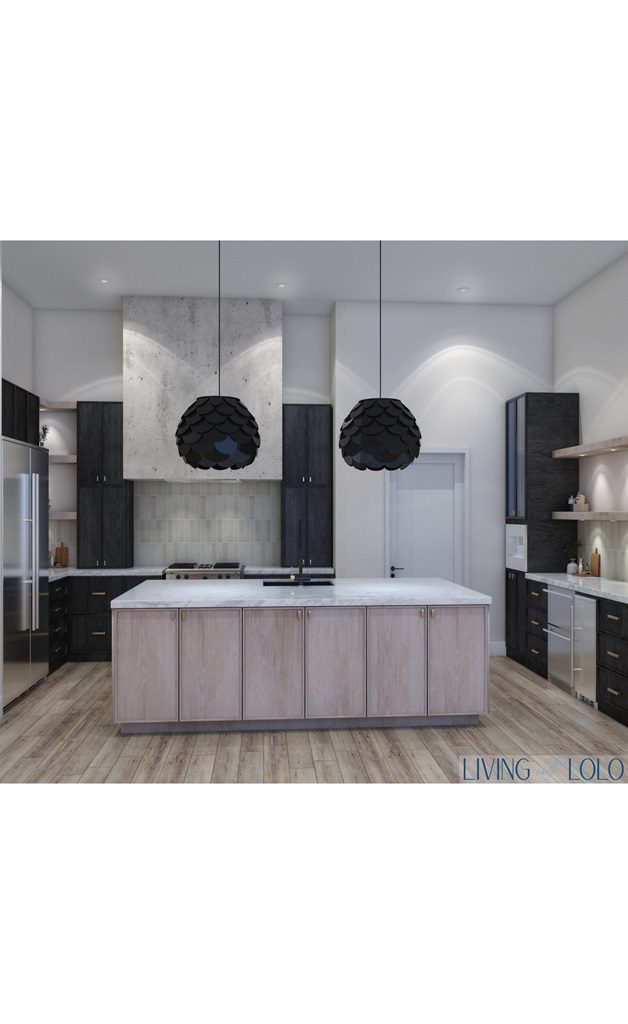
                          Lighting; it’s more than practicality. It’s one of the key tastemakers in home designing, orchestrating the mood, functionality, and overall aesthetic of your domestic spaces. Nowhere is the power of lighting more transformative than in the ceaselessly bustling hub of your home – the kitchen. Specifically, targeted at your kitchen island, the right modern kitchen island lights carry the prowess to enliven the centerpiece of the room, curate spaces with definitive boundaries, and breathe life into your decor.

                          Modern Lighting

                          Pendant Lights

                          Unpretentious yet refined, pendant lights have earned their place as a favorite lighting choice for kitchen islands. Suspended charmingly from the ceiling, kitchen island lights that are modern serve a dual purpose – practicality twinned with ornamental statements. Modern variations encapsulate streamlined glass shades, minimalist shapes, and industrial-style fixtures flaunting exposed bulbs.

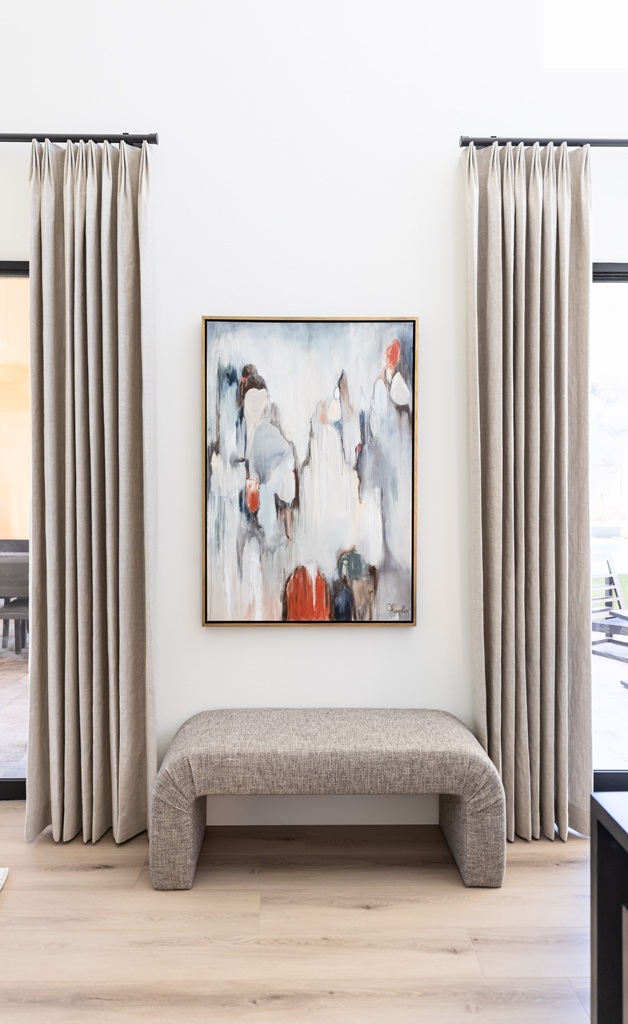
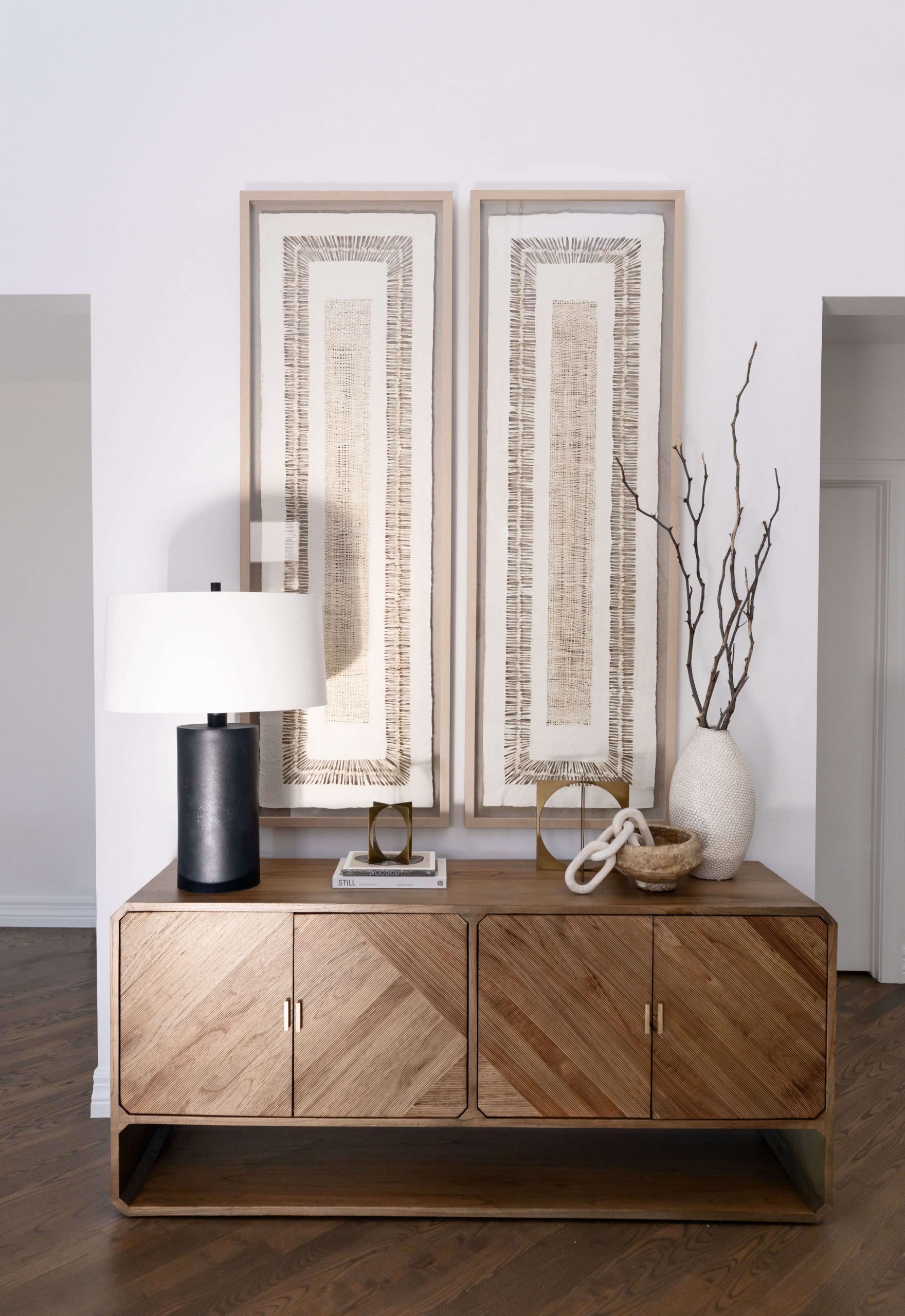
                            Modern Entry Art

                            Why Pendant Lights?

                            • Multidimensional Flexibility: With a myriad of sizes, forms, and materials, they effortlessly align with any decor.
                            • Precision-Focused Lighting: Especially effective for highlighting targeted spaces over the island.
                            • Dramatic Design Potential: Cluster multiple lights for a bold statement or go for an oversized single piece for simplicity.

                            Top Tip: Adjustable-height pendants blend practicality with sophistication.

                            kitchen-pendants-lighting-luxury-interior-space-in-phoenix

                            Chandeliers: Crafting an Aura of Elegance

                            Who decided chandeliers were confined to dining halls? Infuse a dose of opulence into your kitchen by positioning a chandelier over your island. Modern interpretations of chandeliers fuse elegance with functionality, marked by clean lines and inventive configurations.

                            Modern Kitchen Island Lighting Ideas

                            Why Chandeliers?

                            • Style Amplifier: Establishes a focal point and injects a lavish feel into your kitchen decor.
                            • Ambient Spread: Distributes light evenly, delivering warmth and depth.
                            • Conversation Magnet: An ideal choice for open-layout kitchens to leave a memorable impression.

                            Pro Tip: Opt for dimmable chandeliers for the luxury of adjustable mood lighting.


                            Modern Kitchen Lighting Ideas Enhance Your Style

                            Track Lighting: Marrying Flexibility with Functionality

                              Opting for versatility? Track lighting steps up as a strong contender. Showcasing multiple adjustable lights mounted on a single track, you can steer the light precisely where required.


                              Modern Kitchen  Ideas Enhance Your Style

                              Why Track Lighting?

                                • Customizable Focus: Individual lights can illuminate workstations, dining areas, or decor pieces.
                                • Minimalist Appeal: Blends into contemporary kitchens without dominating the space.
                                • Budget-Friendly: A streamlined, no-nonsense solution.

                                Hint: Energy-efficient LED track lights cut down on electricity bills while illuminating your space.


                                Kitchen Island Lighting Ideas Enhance Your Style

                                Under Cabinet Lighting: Bridging Aesthetics and Functionality

                                Although typically confined under cabinets, these lights can gracefully accent island lighting while adding functionality. They ensure a well-lit countertop and cooking space, even for those after-hour munchies.


                                Modern Kitchen Island Lighting Ideas Enhance Style

                                Why Under Cabinet Lighting?

                                    • Subtle Radiance: Imparts a soft, ambient glow without overpowering the space.
                                    • High Functionality: An asset for task lighting during food preparation or cleaning.
                                    • Seamless Design: Hidden fixtures maintain a clean, polished kitchen atmosphere.

                                Bonus Idea: Incorporate smart lighting with color temperature flexibility to switch between warm and cool tones.


                                Modern Kitchen Island Lighting Ideas Enhance Your Style

                                Infuse Your Kitchen with Stylish Illumination

                                Appropriate kitchen island lighting not only amplifies the functionality of your kitchen but also magnifies its aesthetic appeal. Whether it’s pendant lights, chandeliers, track lighting, or under-cabinet solutions, there’s a perfect option waiting for every modern homeowner. Explore modern kitchen island lighting ideas as part of your Scottsdale kitchen remodeling project to enhance your space. With modern lights for kitchen island, you’ll feel proud of this key room when anybody visits! 

                                See More: Kitchen Renovation Costs | How much will it cost to design your dream Kitchen