Book a Free Consultation
How Much Value Does Remodeling a Kitchen Add to Your Property?

How Much Value Does Remodeling a Kitchen Add to Your Property?

The question of kitchen remodel ROI comes up in almost every initial client conversation I have in Scottsdale. Homeowners want to know whether the investment will come back to them when they sell, and that is a completely reasonable question when you are considering spending $150,000 or $400,000 on a single room. The honest answer is: it depends significantly on quality of execution and on how the kitchen compares to buyer expectations at your specific price point. In the luxury segment of the Scottsdale and Paradise Valley market, a kitchen that is outdated relative to what buyers expect is not a neutral factor. It is a meaningful liability.
I have completed kitchen renovations across the Phoenix metro at a wide range of investment levels, and the pattern I have seen consistently is that a well-executed renovation returns strong value, and a poorly executed renovation returns much less than expected. The kitchen is the room that sophisticated buyers evaluate most carefully. They know what it costs to redo it if they have to, and they price that cost directly into their offer.

How Buyers at the Luxury Price Point Evaluate Kitchens

Buyers purchasing homes at $2 million and above in Scottsdale, Paradise Valley, and Arcadia are not looking for a kitchen with potential. They are looking for a kitchen that needs nothing. This is a buyer profile that has lived in well-designed spaces, has seen a lot of kitchens, and has real opinions about what constitutes quality. They will notice whether the cabinet construction is solid or whether it is a lower-tier product with a high-end finish applied. They will notice whether the appliance package reflects current standards. They will notice whether the layout actually works for the way people cook and entertain.
At this price point, the cost of a kitchen that does not meet expectations is borne by the seller in the form of reduced offer prices or extended time on market. Real estate agents in this market are direct about this. A listing with a dated kitchen in a $2.5M home will be priced down and will sit longer. The renovation cost that feels large when you are planning it is often smaller than the discount a buyer extracts for not renovating.
Below the luxury tier, the ROI calculation is different. At lower price points, an over-invested kitchen can price a home above its comparables in ways that limit the return. But in the luxury segment specifically, the floor for kitchen quality is high and a renovation that meets or exceeds that floor is priced accordingly.

What Makes a Kitchen Actually Return Its Investment

Not all kitchen renovations return equally. The ones that perform best share a few characteristics: the layout is genuinely functional for entertaining, the appliance package reflects current standards, the materials are durable and high-quality rather than just visually impressive, and the design has enough longevity to not read as dated within a few years of completion.
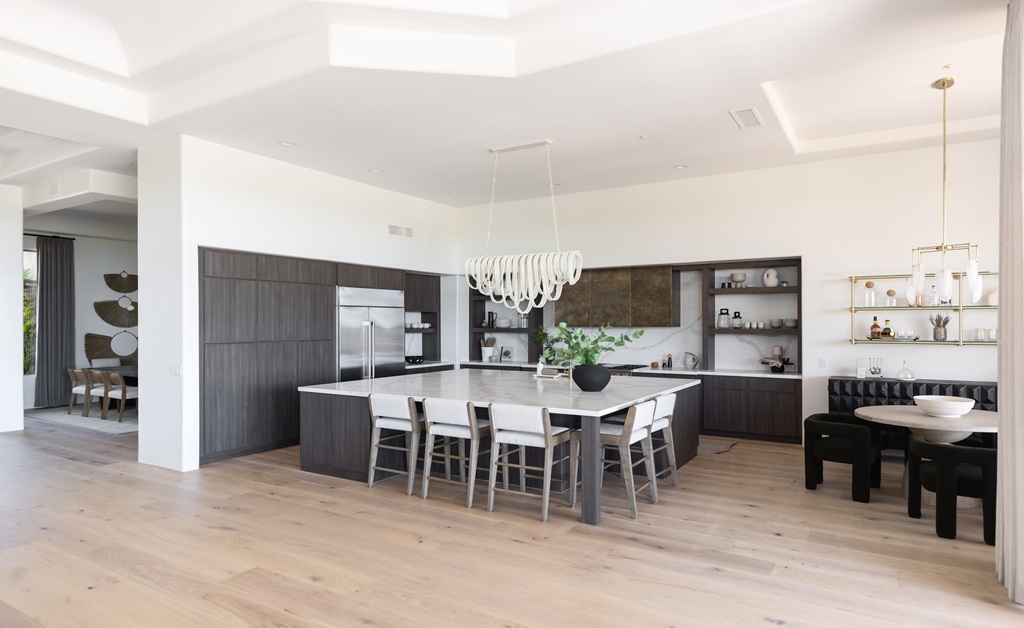
Layout is the factor most often underweighted. A kitchen that photographs beautifully but has poor workflow, insufficient counter space, or awkward traffic patterns will not satisfy buyers who cook or entertain regularly. In Scottsdale's indoor-outdoor culture, the kitchen-to-outdoor-living connection is particularly important. A kitchen that opens cleanly to an outdoor kitchen and living area, or that has strong sightlines to a pool or landscape view, adds value that a purely interior-focused kitchen does not.
Appliance selection matters more than clients sometimes expect. In the luxury market, buyers recognize Miele, Wolf, Sub-Zero, La Cornue, and Gaggenau. They also recognize when a kitchen has been finished with aspirational aesthetics and budget appliances. The appliance package signals to buyers whether the renovation was done by someone who understood the market or by someone cutting corners where they hoped buyers would not look. I always recommend matching the appliance investment to the cabinet and material quality. The mismatch is visible and it reads as a red flag.

The Scottsdale Market Specifically

There are a few things about the Phoenix metro luxury market that affect the kitchen ROI calculation in ways that national data does not capture. The indoor-outdoor living orientation here means that kitchen design is always considered in relationship to the outdoor space. A kitchen renovation that does not address the connection to the outdoor kitchen, covered patio, or pool area is leaving value on the table.
The design standard in Scottsdale has also shifted significantly in recent years. What read as a luxury kitchen five years ago, white Shaker cabinets with quartz countertops and stainless appliances, reads as middle-of-the-road today. The buyers who are moving into the market from Los Angeles, the Bay Area, New York, and Chicago bring a different reference point. They have seen kitchens designed by firms that appear in Architectural Digest and House Beautiful, and they know the difference between a kitchen that is technically updated and one that is genuinely well-designed.
For a detailed look at what kitchen renovations cost at different tiers in this market, our 2026 remodel cost guide breaks down investment ranges across project types. And if you want to understand what the full process of a kitchen renovation looks like from design through completion, our remodel process guide covers the timeline and scope of a typical project.

Planning a Kitchen Renovation: Where to Start

The first conversation in any kitchen renovation project should be about goals and timeline. If you are renovating to improve daily living and you plan to stay in the home for five or more years, the calculus is different from a renovation timed to a planned sale. Both are valid, but they produce different decisions about investment level and design approach.
If you are renovating ahead of a sale, work with your real estate agent to understand what the current market expects at your price point, and match the renovation to that standard without over-investing in features that will not return. If you are renovating for yourself, the standard is what makes the space work for how you actually live, which may be a different and more personal calculation.
In either case, the quality of execution is the variable that determines the outcome. A well-conceived, well-executed kitchen renovation with strong spatial planning, appropriate materials, and current appliances will perform well regardless of whether you are staying or selling. A renovation that cuts corners on layout or materials to hit a lower number will show those compromises in the finished product and in the market response. Our services page explains how we approach kitchen projects from initial concept through construction and installation. If you are ready to start the conversation, reach out here and we can talk through what the right scope looks like for your home.

I have completed kitchen renovations across Scottsdale, Paradise Valley, and Arcadia at every investment level, and the pattern is consistent: well-executed kitchen renovations in the luxury segment return strong value in this market. The key words are well-executed. A kitchen that photographs beautifully but has poor layout, insufficient storage, or substandard appliances will not return what a thoughtfully designed kitchen does. — Lauren Lerner

Planning a kitchen remodel in Scottsdale or Paradise Valley?

Kitchen renovations are among the highest-impact investments in this market. Let us talk about yours.

Book a Discovery Call

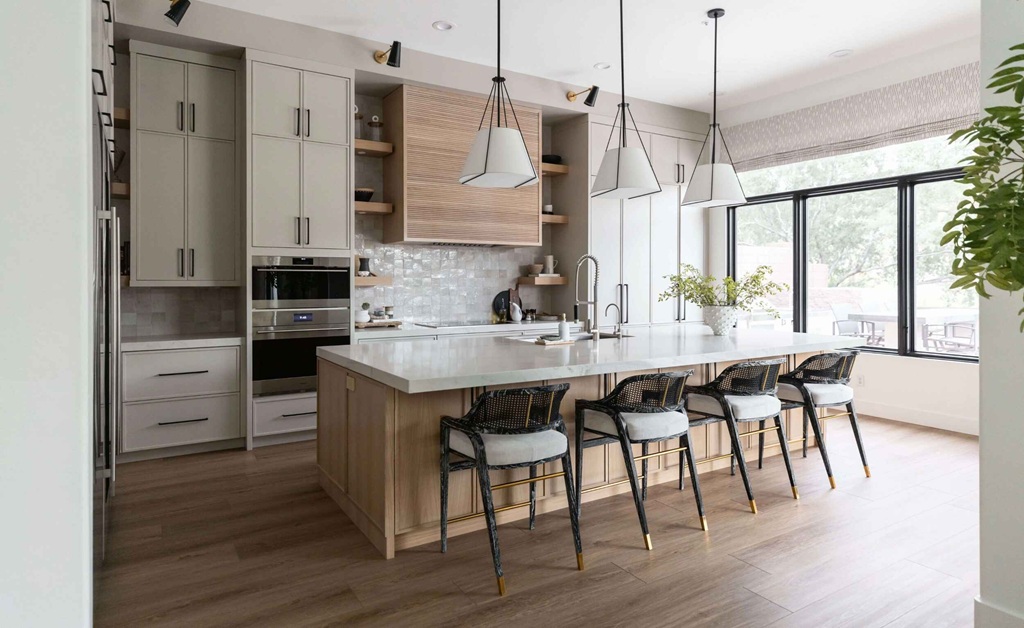
What a kitchen remodel transformation looks like:

Frequently Asked Questions

How much value does a kitchen remodel add in Scottsdale?

Well-executed kitchen remodels in the Scottsdale and Paradise Valley luxury market consistently show strong returns. At the luxury level, a kitchen that reflects current design standards, has quality appliances, and functions well for entertaining adds both resale value and the intangible value of daily enjoyment. The return is strongest when the design is genuinely good, not just new.

What is the ROI of a kitchen remodel in Arizona?

The ROI varies significantly by quality of execution and how the kitchen compares to market expectations at your price point. In the Scottsdale luxury market, a kitchen that is outdated relative to buyer expectations at your listing price is a much bigger liability than the cost of renovation. Buyers at the $2M+ level expect a kitchen that needs nothing.

Ready to Transform Your Home?

Lauren Lerner and the Living with Lolo team work with clients across Scottsdale, Paradise Valley, Arcadia, and the greater Phoenix metro area.

Book a Discovery Call
Lauren Lerner, principal interior designer at Living with Lolo

Lauren Lerner

Principal Designer, Living with Lolo

Lauren Lerner is a luxury interior designer based in Scottsdale, AZ and the founder of Living with Lolo. Her work has been featured in Architectural Digest, House Beautiful, Vogue, Martha Stewart Living, The Wall Street Journal, and GQ. She specializes in high-end residential design across Scottsdale, Paradise Valley, Arcadia, and the greater Phoenix metro area.

How Long Does It Take to Rebuild a House After a Fire?

How Long Does It Take to Rebuild a House After a Fire?

A whole-home rebuild following a fire is a daunting experience, both emotionally and physically. Once the initial shock of loss has passed, homeowners tend to be confronted with a tidal wave of decisions and day-to-day challenges while trying to gain stability in life. In Arizona, those decisions happen within a specific regulatory and climate context that affects everything from permitting timelines to the materials your contractor specifies.
For most, starting again can appear impossible, particularly with the uncertainty of the timescale. How long does it take to rebuild after a fire? The answer lies in numerous variables, ranging from the level of the damage to the accessibility of materials and skilled personnel to assist you through it. Here is what Scottsdale and Maricopa County homeowners specifically need to know.

The Reconstruction Process in Arizona

To rebuild a house after a fire is a process that begins much earlier than the construction workers' arrival. The first step is to clear the area of destruction. This can involve demolishing anything that is unsafe and removing hazardous materials. In Scottsdale and the surrounding municipalities, this step typically requires a demolition permit from the city, and the work must be performed by a licensed Arizona contractor. Depending on the severity of the fire, demolition alone could take weeks or, in the worst cases, months.
After demolition, homeowners need to obtain the permits required to start reconstruction. In Maricopa County, permit approvals go through the city building department, whether that is Scottsdale, Phoenix, Paradise Valley, or another municipality. Each has its own processing timelines and inspection requirements. If you are rebuilding in Arizona, it helps to understand how permits work and who typically handles them so you are not navigating that process alone. A licensed general contractor pulls the permits on your behalf in most cases, which is one strong reason to have a GC engaged early.
Once you have approvals, construction begins. This is where everything from laying foundations to installing walls, routing utilities, and finishing interiors is done. All of these phases require inspections at key milestones to confirm compliance with Arizona building codes. Generally speaking, the whole process of rebuilding a home after a fire in Scottsdale or the Phoenix metro could take anywhere from several months to over a year, depending on scope and site conditions.

Factors That Affect Timeline in the Scottsdale Area

The amount of time it takes to rebuild after a fire is not predetermined. There are several factors that can have a big effect on how long it takes, and some of these are specific to the Arizona market.

Insurance Claims

One of the first obstacles homeowners will face is dealing with their insurance claims. Filing, processing, and approval of claims can be lengthy, especially if the insurance company requires more documentation or disputes the scope of damage. In Arizona, having a licensed contractor provide a written scope and estimate early in the process can help move the claim forward. Delays at this point push the whole rebuilding schedule back.

Permit Approvals

Getting building permits in Scottsdale and Maricopa County relies significantly on municipal processing capacity. Scottsdale's building department generally runs efficiently for standard residential projects, but permit timelines for complex rebuilds can stretch to four to six weeks depending on the scope. Paradise Valley has its own permitting process and tends to move more slowly on significant projects given the level of architectural review involved.

Availability of Materials and Labor

Supply chain constraints and labor shortages can extend timelines significantly. The Phoenix metro construction market is active and competitive, which means experienced subcontractors, particularly framers, electricians, and plumbers, are often booked weeks out. Wood, steel, and concrete products, not to mention specialty products like custom windows or finish tile, can be hard to source in a timely way. This is one of the reasons having a general contractor with existing subcontractor relationships in the Scottsdale and Phoenix market matters so much.

Scope of Damage

The severity of the fire damage is a key consideration. Smaller fires requiring partial reconstruction will naturally require less time than houses that have been gutted and must be rebuilt from the ground up. For a clearer picture of what full rebuilds involve from a design and budget perspective, our 2026 remodel cost guide for Scottsdale breaks down typical investment ranges across different scope levels.

Unexpected Delays

Even with thorough planning, unpredictable problems such as monsoon season weather, soil conditions on your specific Scottsdale lot, or contractor scheduling conflicts can affect the process. Having experienced people on board and maintaining regular communication can mitigate some of these challenges. Understanding what to expect during a whole-home remodel in Arizona from the start makes it easier to stay grounded when timelines shift.

Finding the Path Forward in Arizona

Home rebuilding after a fire is not an easy undertaking. It requires patience, planning, and coordination among experts. Though the overall period in Scottsdale and the broader Phoenix metro can range between six months and two years depending on scope, certain conditions bring real variability to the picture. Homeowners in Arizona should consider partnering with a licensed general contractor who operates in this market, an insurance adjuster familiar with Arizona residential claims, and an interior design firm that can carry the design vision from initial planning through the final installation.
Living with Lolo holds an active Arizona general contractor license and has managed complex residential projects across Scottsdale, Paradise Valley, North Scottsdale, and Arcadia. If you are facing a rebuild and want a team that understands both the design and the construction logistics in this market, reach out to start a conversation about what your path forward could look like.
A whole-home rebuild following a fire is a daunting experience, both emotionally and physically. Once the initial shock of loss has passed, homeowners tend to be confronted with a tidal wave of decisions and day-to-day challenges while trying to gain stability in life.
For most, starting again can appear impossible, particularly with the uncertainty of the timescale. How long does it take to rebuild after a fire? The answer lies in numerous variables, ranging from the level of the damage to the accessibility of materials and skilled personnel to assist you through it.

The Reconstruction Process

To rebuild a house after a fire is a process that begins much earlier than the construction workers' arrival. The first step is to clear the area of destruction. This can involve demolishing anything that is unsafe and removing hazardous materials. Depending on the severity of the fire, this step alone could take weeks or, in the worst cases, months.
After demolition, homeowners need to obtain the permits required to start reconstruction. Local building codes and zoning laws complicate the process, especially where there are mass disasters such as California's wildfires, and local government offices get bogged down. If you are rebuilding in Arizona, it helps to understand how permits work and who typically handles them so you are not navigating that process alone.
Once you have approvals, construction begins. This is where everything from laying foundations to installing walls, laying out utilities, and finishing interiors is done. All of these have inspections to check for safety regulations, which add even more time. Generally speaking, the whole process of rebuilding a home after a fire could take a few months to over one year, depending on several factors.

Factors That Affect Timeline

The amount of time it takes to rebuild after a fire is not predetermined. There are several factors that can have a big effect on how long it takes.

Insurance Claims

One of the first obstacles homeowners will face is dealing with their insurance claims. Filing, processing, and approval of claims can be lengthy, especially if the insurance company requires more paperwork. Delays at this point can push the whole rebuilding schedule back.

Permit Approvals

Getting building permits relies significantly on municipal processes. Disasters that affect large areas of communities tend to cause backlogs at the permit offices, since thousands of homeowners attempt to rebuild simultaneously.

Availability of Materials and Labor

Supply chain constraints and labor shortages can also extend time horizons. Wood, steel, and concrete products, not to mention specialty products like windows or tile, can be hard to source in a timely way, and experienced labor may be in short supply where there is widespread damage.

Scope of Damage

The severity of the fire damage is a key consideration. Smaller fires requiring partial reconstruction will naturally require less time than houses that have been gutted and must be rebuilt from the ground up. For a clearer picture of what full rebuilds involve from a design and budget perspective, our 2026 remodel cost guide for Scottsdale breaks down typical investment ranges.

Unexpected Delays

Even with thorough planning, unpredictable problems such as bad weather or contractor delays can undermine the process. Having experienced people on board and maintaining regular communication can mitigate some of these challenges. Understanding what to expect during a whole-home remodel from the start makes it easier to stay grounded when timelines shift.

Finding the Path Forward

Home rebuilding after a fire is not an easy undertaking. It requires patience, planning, and coordination among experts. Though the overall period can range between six months and two years, certain conditions bring real variability to the picture. Homeowners should consider partnering with experienced contractors, insurance adjusters, and interior design specialists to simplify the process and get every step right.
If you are facing a rebuild and want a team that understands both the design and the logistics, reach out to start a conversation about what your path forward could look like.

Rebuilding a home after a fire is one of the most complex project types we handle, because it combines the emotional weight of a loss with the practical complexity of insurance processes, code compliance, and a full design-build scope. I have guided clients through this process and the most important thing I can say is: start with a design-build firm before you start with the insurance adjuster. — Lauren Lerner

Rebuilding after a fire or major damage in Scottsdale?

We have guided clients through fire rebuild and major restoration projects. Let us talk about where to start.

Book a Discovery Call

Frequently Asked Questions

How long does it take to rebuild a house after a fire in Arizona?

Rebuilding a home after a fire in Arizona typically takes 12 to 24 months depending on the extent of damage, insurance processes, permitting, and supply chain timing. The design phase adds 2 to 3 months and should happen before any structural or construction work begins.

Does insurance cover interior design after a fire?

Homeowner's insurance typically covers the cost of rebuilding to pre-loss condition but does not cover upgrades. A licensed contractor can document what was there before and help you navigate what the insurance scope covers. Any improvements beyond the documented pre-loss condition are typically an out-of-pocket expense.

Ready to Transform Your Home?

Lauren Lerner and the Living with Lolo team work with clients across Scottsdale, Paradise Valley, Arcadia, and the greater Phoenix metro area.

Book a Discovery Call
Lauren Lerner, principal interior designer at Living with Lolo

Lauren Lerner

Principal Designer, Living with Lolo

Lauren Lerner is a luxury interior designer based in Scottsdale, AZ and the founder of Living with Lolo. Her work has been featured in Architectural Digest, House Beautiful, Vogue, Martha Stewart Living, The Wall Street Journal, and GQ. She specializes in high-end residential design across Scottsdale, Paradise Valley, Arcadia, and the greater Phoenix metro area.

Living Room Transitional Interior Design Ideas

Living Room Transitional Interior Design Ideas

Transitional design is the style category that rarely gets its due. It is not as photogenic as pure minimalism and not as dramatic as a heavily layered traditional room. But it is, in my experience, the style that actually serves people best over the long term. It adapts. It tolerates changing tastes. It photographs well and lives even better.
In Scottsdale and the broader Phoenix area, transitional living rooms make particular sense. The desert light is unforgiving to interiors that are too precious or too heavily patterned. The lifestyle here tends toward indoor-outdoor living, open floor plans, and spaces that need to function well for families and entertaining alike. Transitional design handles all of that without demanding you commit fully to one aesthetic camp.

Start with a Neutral Foundation and Add Warmth Through Texture

The backbone of every transitional living room I design is a neutral palette. Not cold gray, not stark white, but warm neutrals: greige, warm taupe, soft linen, sand. These colors do not compete with the light coming through large windows, and they create a backdrop that can absorb a range of accent colors without reading chaotic.
The warmth in a transitional room comes from texture, not from color intensity. Think a sofa in a substantial linen or a textured bouclé. A coffee table in travertine or warm wood. Grasscloth on an accent wall if the ceiling height allows. Layered rugs that combine a flat-weave with a more pile-heavy piece. These decisions create visual interest without breaking the calm that makes transitional rooms so livable.

Choose Furniture That Blends Structure and Comfort

Transitional furniture is defined by pieces that have traditional proportions but contemporary simplicity. A roll-arm sofa with clean upholstery and no nailhead trim. A wingback chair in a solid performance fabric rather than a printed toile. A coffee table with traditional turned legs but a stone or lacquered top. These combinations are what give transitional rooms their particular character.
Scale matters here more than in any other style category. Transitional rooms fail most often because the furniture is undersized for the architecture. In Arizona, living rooms tend to have higher ceilings and more square footage than you find in older East Coast homes. You need pieces that fill the room properly. A sectional that seats eight in a room with 12-foot ceilings reads correctly. A loveseat in the same room looks like an afterthought.

Bring in One or Two Antique or Vintage Pieces

Nothing gives a transitional room more depth and credibility than one genuinely old piece. A 19th-century chest used as a console behind the sofa. A set of vintage candlestick lamps on a side table. An antique mirror above the fireplace. These items have a quality of material and craft that contemporary production pieces rarely match, and they anchor the room in a way that tells you it was designed with intention.
Scottsdale has excellent vintage and antique sources, and I am always scouting for clients. The key is restraint. One or two significant antique pieces read as sophisticated. A room full of them reads as traditional, which is a different direction entirely.

Use Pattern Strategically, Not Generously

One of the marks of amateur transitional design is too much pattern. A patterned rug, patterned throw pillows, a patterned accent chair, and patterned curtains in the same room become visually exhausting even if every individual piece is beautiful. My general rule is to allow pattern in two places per room, maximum. Usually that means the rug and one set of throw pillows, or the curtains and the rug. Everything else stays solid or textural. This keeps the room calm while still giving it visual interest and personality.
In desert-facing rooms with significant natural light, I am especially careful about pattern saturation. The light changes throughout the day and it intensifies color and pattern in ways that can make a room feel overwhelming by midday even if it looked perfect in the morning.

Lighting Is the Detail Most People Get Wrong

Transitional rooms need layered light: ambient, task, and accent. A single overhead fixture, even a beautiful chandelier, is not enough. You need table lamps for warmth, floor lamps for reading zones, and some form of accent lighting if you have art or architectural features worth highlighting.
For transitional style, I gravitate toward fixtures with traditional silhouettes in updated finishes. A candlestick chandelier in unlacquered brass rather than polished chrome. A drum pendant with a linen shade. Swing-arm sconces in an aged bronze. These choices read as classic in form but current in finish, which is exactly the balance transitional design is built on.

Bringing It Together in an Arizona Living Room

The best transitional living rooms I have designed in Scottsdale and Paradise Valley share a few common traits. They are edited rather than maximalist. They have a strong furniture plan with pieces scaled to the architecture. They use color with restraint, letting texture and material carry the visual weight. And they feel complete rather than in-progress, which takes more discipline than it sounds.
If you are working through a living room redesign and want to talk through what transitional design could look like in your specific space, reach out and let's talk. I can also share information about what interior design typically costs in Scottsdale if you are in the early planning stages.

Transitional style in a living room is where I spend a significant amount of my time as a designer, because it is the aesthetic that works across the widest range of Scottsdale and Paradise Valley architectures. It is also the style most likely to hold its visual appeal over a 10-year horizon, which matters a great deal when you are making significant material investments. — Lauren Lerner

Designing your living room in Scottsdale?

Let us talk about what style direction makes the most sense for your architecture and how you actually live in the space.

Book a Discovery Call

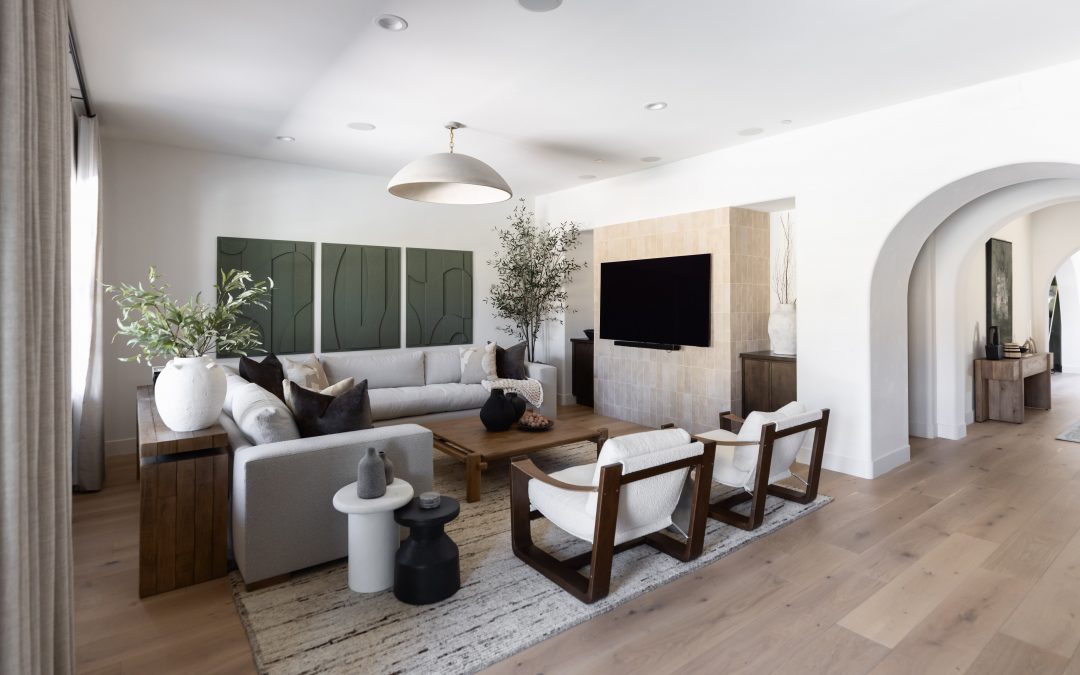
What a living space that functions as well as it looks like:

Frequently Asked Questions

What makes a living room transitional rather than traditional?

A transitional living room uses classic proportions — symmetry, layered lighting, upholstered seating with traditional silhouettes — but updates the palette with cleaner lines, simplified patterns, and contemporary finishes. The furniture does not have carved legs and heavy drapery, but it also does not have the sculptural abstraction of pure contemporary design.

What colors work best in a transitional living room in Scottsdale?

Warm neutrals that reference the desert palette — warm whites, sandy taupes, soft greens, and earthy terracottas — tend to work well in Scottsdale transitional living rooms because they connect to the exterior landscape. Cool grays can work but often feel at odds with the desert light.

Ready to Transform Your Home?

Lauren Lerner and the Living with Lolo team work with clients across Scottsdale, Paradise Valley, Arcadia, and the greater Phoenix metro area.

Book a Discovery Call
Lauren Lerner, principal interior designer at Living with Lolo

Lauren Lerner

Principal Designer, Living with Lolo

Lauren Lerner is a luxury interior designer based in Scottsdale, AZ and the founder of Living with Lolo. Her work has been featured in Architectural Digest, House Beautiful, Vogue, Martha Stewart Living, The Wall Street Journal, and GQ. She specializes in high-end residential design across Scottsdale, Paradise Valley, Arcadia, and the greater Phoenix metro area.

How Long Should a Kitchen Remodel Take?

How Long Should a Kitchen Remodel Take?

I manage kitchen remodel timelines constantly. The question of how long it will take is always asked early in the process, and the honest answer is that the timeline depends heavily on how quickly selections are made and whether the scope is clearly defined before demolition starts. A well-managed kitchen remodel with a defined scope can move efficiently. An open-ended one will not.
That said, I can give you a realistic framework based on what I see in Scottsdale and Maricopa County specifically, because local factors, permit processing times, subcontractor availability, and product lead times from regional suppliers all affect how long your project actually runs.

The Phases of a Kitchen Remodel and How Long Each Takes

A kitchen remodel has four distinct phases: pre-construction planning and design, permit approval, active construction, and punch list and final inspection. Each has its own timeline, and delays in any one phase compress or extend the others.
Pre-construction is where most projects either get set up for success or set up for pain. This phase includes finalizing the design and drawings, making all material selections, cabinetry, countertops, tile, appliances, fixtures, hardware, and submitting for permits. In my practice, I do not allow demolition to begin until every single selection is confirmed and on order. That discipline alone eliminates a significant number of the delays I hear about from clients who have worked with other contractors.
For permit processing in Maricopa County, plan on two to four weeks for a standard kitchen remodel, longer if the project involves structural changes, electrical panel upgrades, or significant plumbing relocation. Some municipalities within the county move faster than others. Scottsdale runs relatively efficiently. Permit requirements in Arizona are real, and skipping them creates serious problems at resale and with insurance.
Active construction on a full kitchen remodel, meaning cabinet removal, rough plumbing and electrical, drywall, cabinet installation, countertop templating and fabrication, tile, and appliance installation, runs six to ten weeks when the project is well-organized and subcontractors are sequenced properly. This assumes cabinetry and countertop materials are already on site or confirmed in queue before demo begins.
The punch list phase, final touches, paint corrections, hardware installation, appliance startup, and final inspection, adds one to two weeks depending on how many items come up and how responsive the trades are to close them out.

What Actually Causes Kitchen Remodels to Run Long

In my experience, the single biggest cause of extended timelines is late selections. A homeowner who has not confirmed their countertop material by the time cabinet installation is complete will wait three to four weeks for templating and fabrication after they finally decide. That gap sits in the middle of a kitchen that is otherwise ready to use, and it is completely avoidable.
The second most common cause is scope creep during construction. When demo reveals a condition that was not anticipated, outdated wiring, plumbing that needs rerouting, subfloor damage, the project needs to respond. A good contractor plans for contingencies in the budget and schedule. An honest one talks to you about them before they become surprises. Understanding what to expect during a remodel includes accepting that some unknowns only reveal themselves once walls come down.
Product lead times are a third factor. Specialty cabinetry from European manufacturers can run 12 to 16 weeks. Semi-custom domestic lines are typically four to eight weeks. If you have your heart set on a specific cabinet manufacturer, that lead time needs to be built into the project schedule from the start, not discovered after you have already committed to a construction start date.

Realistic Total Timelines by Project Type

A cosmetic kitchen refresh, meaning new cabinet fronts or paint, new countertops, new hardware, and new fixtures without moving anything structural, can be completed in four to six weeks from the start of construction if selections are already made. The pre-construction planning period still applies.
A mid-scope kitchen remodel that keeps the existing layout but replaces everything including cabinets, counters, tile, appliances, and lighting typically runs 10 to 14 weeks total from permit submission through final punch list.
A full reconfiguration with layout changes, structural modifications, new plumbing locations, or an addition of square footage should be budgeted at 16 to 24 weeks. This is a significant construction project, and the permit, design, and construction phases are all more complex. Cost and timeline are related in ways that are worth understanding before you finalize your scope.

How to Set Your Project Up to Run on Time

The clients who have the smoothest kitchen remodel experiences are the ones who make decisions early and stick to them. That sounds simple, but it requires having the design fully developed before construction begins, not treating the open walls as an opportunity to reconsider everything.
It also requires a contractor who manages the subcontractor schedule proactively. Rough trades, cabinetry, countertops, tile, and finish work all need to be sequenced with zero gaps. A project manager who is waiting on the plumber before scheduling the electrician, instead of coordinating them on a shared calendar, adds weeks to a project without any single event looking like a major problem.
If you are planning a kitchen remodel in Scottsdale and want to talk through realistic scope and timing, I am happy to have that conversation. Getting the planning right at the front end is the most valuable investment you can make in the outcome of the project.

I manage kitchen remodel timelines constantly. The question of how long it will take is always asked early in the process, and the honest answer is that the timeline depends heavily on how quickly selections are made and whether the scope is clearly defined before demolition starts. A well-managed kitchen remodel with a defined scope can move efficiently. An open-ended one will not. — Lauren Lerner

Planning a kitchen remodel in Scottsdale or Paradise Valley?

We can give you a realistic timeline and budget for your specific scope on a discovery call.

Book a Discovery Call

A kitchen transformation from vision through completion:

Frequently Asked Questions

How long does a kitchen remodel take?

A well-scoped luxury kitchen remodel typically takes 4 to 7 months from first design meeting through final installation. The design and procurement phase takes 6 to 10 weeks, permitting adds 4 to 8 weeks in Scottsdale and Paradise Valley, and construction runs 6 to 12 weeks depending on scope. Custom cabinetry lead times are the most common driver of extended timelines.

What is the typical kitchen remodel timeline in Scottsdale?

In Scottsdale, the permitting phase runs 4 to 6 weeks for most kitchen remodels. Custom cabinet lead times are 8 to 16 weeks from approval to delivery. The full timeline from design agreement to completion is typically 4 to 6 months for a standard kitchen remodel and up to 8 months for a full kitchen expansion.

Can I live in my home during a kitchen remodel?

Most clients find it manageable to live in the home during a kitchen remodel if they set up a temporary kitchen station and plan for 4 to 8 weeks without a functional kitchen. For larger remodels involving the surrounding dining or living space as well, living elsewhere during the core construction phase is usually more practical.

Ready to Transform Your Home?

Lauren Lerner and the Living with Lolo team work with clients across Scottsdale, Paradise Valley, Arcadia, and the greater Phoenix metro area.

Book a Discovery Call
Lauren Lerner, principal interior designer at Living with Lolo

Lauren Lerner

Principal Designer, Living with Lolo

Lauren Lerner is a luxury interior designer based in Scottsdale, AZ and the founder of Living with Lolo. Her work has been featured in Architectural Digest, House Beautiful, Vogue, Martha Stewart Living, The Wall Street Journal, and GQ. She specializes in high-end residential design across Scottsdale, Paradise Valley, Arcadia, and the greater Phoenix metro area.

How to Modernize a Split-Level Home Interior to Improve Health

How to Modernize a Split-Level Home Interior to Improve Health


Wellness begins at home. Your home can not just boost your eye appeal but additionally your body as well as brain. A split-level property is difficult to refurnish as it is composed of a divided structure, however, with an effective strategy, it can transform into a well-being-oriented oasis.

Understanding Split-Level Homes

Split-level homes were built with divided sections for various purposes. While this provides some functionality, the divided design may be outdated and restrictive for some. Most split-level home interior designs have smaller windows and less space, which can decrease ventilation, lighting, and overall comfort. Yet the homes also offer special opportunities for rebirth with contemporary design concepts. By eliminating these shortcomings, you can design a home that enhances both function and health. If you’re unsure where to start, consulting an interior designer in Scottsdale can provide valuable insights.

    Modernize a Split-Level Home Interior to Improve Health

    Air Quality

    Begin your split-level home interior design renovation with improved indoor air quality. Indoor air pollutants can be harmful to your well-being, especially where there’s minimal air flow. Whole-house energy-efficient ventilation systems are the answer to circulating the air in different levels of your home. Have them installed with intelligent air purifiers that proactively rid the air of allergens, dust, and harmful gases. Having plants indoors placed around your house will also purify the air and introduce some nature into your world.

      Natural Lighting 

      You require natural lighting to regulate your circadian rhythm, which is vital to your sleep as well as your health. Small windows are a feature of outdated split-level home interior decorating, but opening an already present window or installing additional windows where possible will put this right. Solar tubes or skylights are excellent ways of introducing light in through difficult-to-light spaces such as stairwells or basements. Where there are difficult spots with not many options, utilize high-lumen artificial light that mimics sunlight.

        Bright living room with vaulted black ceiling

        Ergonomic Design 

        Sadly, our health is silently compromised by bad design. The renovation of a split-level home interior means its ergonomics must become healthier. Replace old furniture with ergonomically designed furniture that will promote good posture, such as adjustable chairs and desks. Rearrange social areas so they are easily accessible and obstruction-free, as this will reduce mental stress and chances of physical injury. Incorporate features such as standing workstations or a separate yoga room to include physical movement. If you’re wondering how to modernize a split-level home interior, small changes like these can make a significant difference.

        Nature will indeed play a part in an individual’s psychological well-being, and biophilic design is not just a requirement but essential within a split-level home makeover. Incorporate natural aspects such as wood or stone into your floor, walls, or furniture. Incorporate green wall gardens or a plant pot station to infuse calming greenness in the house. Even the mere visual connection with nature in the form of big windows that open to the outside or nature-print artwork can cause the mood to change to relaxing and being present.

        Home Interior Design to Improve Health

        A Healthier, Modernized Home 

        Modernizing a split-level home is about more than just aesthetics. By addressing air quality, optimizing natural light, incorporating ergonomic elements, and blending nature into your design, you’re not only updating your home’s look but also creating a space that nurtures physical and mental well-being. With thoughtful planning, your home can become a sanctuary that supports both your health and design aspirations. 

        Learn More: How Your Home’s Design Can Improve Your Health

        Incorporating Mental Health Awareness Colors Into Home Design

        Incorporating Mental Health Awareness Colors Into Home Design


        Color impacts our mood and emotional state to a great extent. For design enthusiasts and interior designers in Phoenix, AZ, integrating mental health awareness colors into their designs can help transform a room into a peaceful, positive, and inspirational room. This short guide explains how these colors can transform your room into a beautiful and peaceful space and help you find emotional happiness.

        Stone fireplace with woven wall hanging decor

        Understanding Mental Health Awareness Colors 

        Each of these colors contains a distinct energy and psychological influence, and for that reason alone, it makes an excellent plan to consider mental health color education. 

          Modern room with wooden table and black vase

          Balance and growth is green, blue is peace, orange is optimism and warmth, and purple is consciousness and imagination. Conscious application of these shades in your home decor allows you to tap their therapeutic benefit and incorporate them in your life.

            Bathroom with patterned blue tile floor and shower

            1. Applying Green to Balance and Harmonize

            Green is nature and harmony, soothing to the mind and stress reducer. Bring the green into your space by painting walls pale hues of sage or moss to introduce stability into the room. Or, introduce a burst of green in the form of houseplants such as ferns, succulents, or even a showy fiddle-leaf fig. Whatever its form, be it a stylish emerald-colored sofa or simple green cushions, these introduce a touch of calm and restorative atmosphere.

            Bedroom with green wall and black nightstand

            2. Using Blue for Serenity and Peace 

            Blue, the most commonly used color in relation to peace, is the ideal color to employ when designing serene settings. Bedrooms are the ideal room to add blue as a color because blue helps us to calm down and sleep better. Light blue walls with a touch of navy blue will be able to create the calm sleeping oasis you need. In the bathroom, add blue tiles or accessories to attract the sense of peace you would get by the pool. The result is a peace-filled, calming oasis in your own home.

            Modern office with curved desk and armchair

            3. The Energy of Orange for Positivity 

            If you must energize and animate your living areas, orange is your color. Orange, as bright as it is overwhelming in quantity, as an accent, provides a sense of welcoming warmth to the shared spaces of the house, such as a living room or dining room. Introduce orange to the bedroom via items such as throw pillows, rugs, or artwork. Even an orange chair becomes the focal point that spreads the message of happiness across the room.


            Bright bedroom corner with plant and chair

            4. Including Purple for Awareness and Creativity 

            Purple, previously associated with decadence and mysticism, enhances awareness and creativity. It is to be included in bedrooms that are intended for relaxation or inspiration. In meditation spaces, utilize the application of purple-colored pillowcases or tapestries to help achieve focus and contemplation. Similarly, creativity spaces are enhanced when the application of lavender or plum colors is integrated through furniture, curtains, or paints. 


            Modern bedroom with patterned wallpaper

            What color represents mental health awareness? Purple often stands out for its connection to focus and imagination. The beauty of purple lies in that it yields energy and calm depending on the usage.


            Cozy bedroom with textured wall and plant

            Bring Meaning into Your House with Purposeful Colors

            Mental well-being is a core part of our general health, and the world outside and within your home can contribute significantly towards the development of a healthy mentality. Using colors for mental health awareness, you can develop the home environment that can bring harmony, peace, and creativity. Play around with colors and learn how they may not only make your home better but your life as well.

            Explore More: Interior Design & Mental Health: 5 Ways Home Can Boost Happiness


            Elegant bedroom with tufted headboard

            What is the Most Expensive Part of a Bathroom Remodel?​

            What is the Most Expensive Part of a Bathroom Remodel?​


            Bathroom renovation is one of the most powerful renovation projects that you can perform to your home. Not only will it refresh your room in appearance, but also provide you with more functionality and increase the value of your house. Renovation of the bathroom, though, can soon get expensive and homeowners are left thinking ‘what is the most expensive part of a bathroom remodel?’ To assist you in planning, we will analyze the most prominent factors influencing the cost of bathroom remodeling and take you through steps on how to maximize your returns.

             Bathroom floor with geometric tile pattern

            Labor Costs in Bathroom Remodeling 

            One of the biggest expenses in a bathroom remodel is labor. Hiring professionals such as plumbers, electricians, or tiling experts can significantly impact your budget. On average, labor comprises 40% to 60% of the total remodeling cost. For instance, hiring a licensed plumber to relocate pipes or install new fixtures can cost $50 to $150 per hour, depending on your location and the complexity of the job. 

            Home DIY repairs will be marked as cost-effective, but at its own cost. Plumbing or electrical errors become even more expensive in the long run. A seasoned contractor might be pricier upfront, but gets everything done correctly to code and will last centuries. Seeking out the best bathroom remodel contractors in Scottsdale or similar trusted professionals in your area can save you time, money, and headaches. 

              Modern bathroom with black tub and wooden vanities

              The Cost of Materials: Decisions Matter 

              The items you choose for your bathroom renovation vary wildly in cost. Tiles, for example, range from $1 a square foot for simple ceramic to $20 or more for imported marble. Vanities, countertops, and cabinets similarly have vastly differing prices. The factory-made versions you can find at big chains are very low-priced, whereas custom versions will set you back more. 

              Even smaller details like faucet finishes, shower heads, and mirrors can heavily influence expenses. Opting for high-end materials may offer a sophisticated look, but balancing luxury with durability is essential if you’re mindful of bathroom remodel expenses. 

              Black freestanding tub with modern decor

              Structural Changes Can Elevate Costs 

              Structural modification is another aspect that may increase remodeling expenses by leaps and bounds. Several processes like relocating plumbing lines, wall tear-outs, or ceiling relocation require larger amounts of effort and labor. Like relocating a toilet or shower, which could require high-grade plumbing work. And keep in mind additional labor fees on top of permit fees and potential delays in case there does turn out to be some kind of underlying issue along the way. 

              Before making any major structural changes, seek the expertise of professionals to determine the best route for your home and avoid expensive mistakes. Consulting bathroom remodel designers will help you create a more efficient and cost-effective plan. 

              Modern white bathroom with central bathtub

              Fixtures and Appliances: Standard vs. Luxury 

              Fixtures and appliances are priced differently depending on whether you want standard or upgraded versions. Economy versions of the toilet will range from $100 to $300, with the more expensive versions featuring built-in bidets or heat costing over $1,000. Bathtubs are also different in price, with a basic acrylic model costing $500 and a freestanding soaker tub over $3,000. 

              Showers, faucets, lighting, and the like come with a price plan. As much as such luxuries as rain shower heads and high-end vanity lighting bring spa living to the forefront, so do these luxuries drive up the price. Affordability can be a matter of simplicity without compromise. How expensive is a bathroom remodel? The good news is that working with remodeling contractors allows you to set a budget and create a bathroom you love without exceeding it. 


              Bathroom with patterned black and white tile floor

              Making the Most of Your Budget 

              Interior designers and general contractors are great friends to know when attempting to receive maximum value for your bathroom remodeling budget. Contractors give honest estimates, supervise employees, and keep the work at local code. Interior designers add space-planning expertise and materials knowledge to produce a spa-like appearance for a budget. 

              The most costly aspect of a bathroom renovation will generally be based on the details of your project. Labor, materials, structural work, and fixtures are all factors. To make sound money choices, consider your objectives and consult with the professionals. Ultimately, spending money on quality materials and labor will have your bathroom serving your purposes and looking lovely for years to come.

              Learn More: Master Bathroom Remodel Ideas on a Budget

              Top Transitional Style Bedroom Decorating Ideas

              Top Transitional Style Bedroom Decorating Ideas


              A bedroom has to be an oasis, a peaceful, snuggly, and functional sanctuary. But decorating it is to find the compromise between timeless class and up-to-date modernity: a challenge for many. That is where transitional interior design is here for you: an integration of ancient playfulness and contemporary simplicity, resulting in a harmonic, eclectic look. And these are the steps on how to translate this smart, no-frills strategy to your bedroom.

               Modern bedroom with blue accent wall

              The Understanding of Transitional Style 

              Transitional style bedroom design is really a contrast. It combines the classic timelessness of older decor with the clean, bare look of modern design. What’s the result? An elegant space that’s both new and familiar, the best of both worlds merged. It’s a way of looking at the past without leaving it behind.

                Choosing the Right Color Scheme 

                The beginning of a transitional bedroom design is a neutral color scheme. Soothing beige, gray, ivory, and taupe create a soothing background. But where alchemy comes in is adding soft splashes of color to add personality to the room. Try adding muted colors such as dusty blues or sage greens with accent pillows, throws, or artwork. The aim is balance—keep the foundation out of sight so that your accent colors can take center stage.

                 Wooden shelf with vases and wicker baskets

                Furniture That Strikes a Balance

                In selecting the furniture for a transitional bedroom decor, the principle is to maintain clean lines and add a touch of softness. Utilize stylish elements like an upholstered headboard with little decoration or a wooden bed frame with traditional nightstands as complementary accessories. Avoid using the tendency of adding too ornate or very modern pieces. Use pieces with a classic appearance but an additional splash of modern design so that the overall look becomes harmonious and subtle.

                 Modern bedroom with black accent wall

                Layering Textiles and Patterns

                Transitional bedroom design ideas encourage layering textiles and patterns to add warmth without overloading the room. Start with plain bedding in solid colors or subtle patterns, and layer with throws or blankets in heavier textures such as knit or faux fur. Add rugs with low-profile patterns and drapes in soft, flowing linens to add personality. Patterns need to be used wisely—geometric patterns or subdued florals can be a shot of interest without risking upsetting the calming decor. The aim is to make the room as full and three-dimensional as possible without unease.


                 Elegant bedroom with textured wallpaper

                The Role of Lighting

                Lighting will either make or break any room, and with transitional bedroom decorating ideas, lighting is especially crucial in setting the mood. 

                Balance the artificial light with the natural light. Maximize daylight with sheer curtains, and warm and ambient light with table lamps or wall sconces to achieve the feeling of cohesiveness and warmth in the evening. Choose unique, personalized fixtures like a contemporary chandelier or minimalist bedside lights to tie together the traditional and modern aspects.

                 Modern TV area with white sideboard

                Accessorizing with Your Personal Touch 

                Accessories are where you can let your personality shine through in the design. You can introduce a mix of older items, like antique vases or framed photographs, alongside newer, modern things like minimalist sculpture or metallic accents. Don’t clutter the room by simply introducing objects that aren’t important to you. Thoughtfully selected decor objects will be conversation points as well as help in the design without causing any issues.

                 Cozy bed with navy accent wall

                Restore Equilibrium to Your Bedroom 

                A transitional style bedroom isn’t a trend; it’s a lasting philosophy of style that unites sophistication and adaptability. With layers of accented texture, a mix of old and new, and soft neutrals, you can create a timeless yet unique sanctuary in your very own house. Start with your best ideas, and observe how your bedroom becomes the perfect blend of tradition and modernity.

                Discover More: How to Design Your Dream Bedroom

                What Does Harmony Mean in Interior Design?

                What Does Harmony Mean in Interior Design?


                Creating an environment that ultimately becomes peaceful, harmonious, and inviting is the ultimate aim for most interior design enthusiasts. Harmony in interior design is at the core of this pursuit. But what does harmony mean in interior design, and why is it so vital? Essentially, harmony is an atmosphere of coherence and smoothness in a room. It’s what holds each and every piece of furniture, every shade, and every ornament together in harmonious concordance. Learning harmony, you are able to turn any space into an oasis of indulgence and serenity.

                 Modern living room with decor pieces

                The Principles of Harmony in Interior Design 

                Learning harmony starts with recognizing its most basic principles. There are three most essential principles responsible for harmonious interiors: unity in interior design, balance, and proportion.

                Unity and Variety 

                Unity is what keeps the things in your room together and makes them seem like they belong together. For instance, the same color or design theme repeated unites things that are disparate. Harmony, however, does not equate to monotony. Variety is also essential, as it creates visual interest and personality for your room. The coexistence of both unity and variety is where harmony lies. Too much of the same, and the room is dull. Too much difference, and the room is confusing.

                   Modern black table with vase décor

                  Balance 

                  Balance in interior design disperses visual weight evenly in a room. That isn’t always synonymous with symmetry, though symmetrical arrangements are lovely. Balance can also be found asymmetrical, where elements of different size, shape, or texture balance each other. Combining a bold sofa with an oversized wall decor piece, for instance, is employed to tie a room together.

                  Proportion 

                  Proportion is the harmony of the sizes and scales of the various pieces in your room. A huge sectional in a small living room would disrupt harmony, but furniture that is the same scale as the room invites it. The same applies to comparing the size of area rugs, light fixtures, and decorative accents to one another. Thoughtful proportion makes everything feel deliberate and where it belongs.


                   Modern dining area with black table

                  How to Design Harmony in Your Room 

                  Designing harmony in interior design is a question of making thoughtful choices about color, texture, and pattern. These elements, when employed thoughtfully, create a space that is dynamic and cohesive.

                  Choosing a Color Scheme 

                  The secret to harmony is the correct color scheme. Start with a neutral background for flexibility, and introduce one or two accent colors to introduce variety. Soft gradations of color, such as warmer or cooler tones of the same color, can create a warm flow. Introduce splashes of bright color in strategic spots to lead the eye without overpowering the room to introduce depth.

                   Bedroom with geometric accent wall

                  Layering Textures 

                  Tactile harmony can be achieved. The mix of texture—from shiny wood and nubbly rugs to velvet pillows and woven baskets with texture—can add richness and depth to a space. Contrast soft and accent textures. One example: A high-gloss coffee table is beautiful paired with the flat, natural sheen of linen-drape curtains. Sensorily, this is interesting but not conflicting.

                  Blending Patterns 

                  Where patterns are concerned, the rule of thumb is less is more. Choose patterns that share a similar color story or theme to help create harmony. The example of pairing a geometric patterned throw with quietly striped cushions creates depth without disharmony. Ensure patterns’ scale is diverse; pairing a big-scale floral with a small check, for example, maintains visual balance.


                   Modern living room with fireplace

                  Design a Space That Feels Like Home 

                  Interior harmony is more than aesthetics; it’s having a sense of home. When you harmoniously balance unity, balance, and proportion, and make thoughtful choices about color, texture, and pattern, you can have a room that’s warm and in harmony.

                   Modern living room with fireplace

                  Begin with a dream of what you want your room to be like, and then bring these guidelines into action in order to create it. Whether you are planning for a whole house or remodeling a single room, the end product will certainly be a beautiful room where everything looks to belong. If you’re unsure where to start, consider working with a top-rated interior designer to bring your vision to life.

                  Keep Exloring: Unlock Stylish Living: Interior Design Ideas for Living Rooms by Living With Lolo

                  Master Bathroom Remodel Ideas on a Budget

                  Master Bathroom Remodel Ideas on a Budget


                  Renovating your master bathroom doesn’t have to cost an arm and a leg. With some creative planning and smart decision-making, you can design a stunning remodel without incurring debt. Whether you dream of having a spa-like ambiance or simply freshening up stale features, this guide will show you how to make budget-friendly choices that deliver big impact.

                   Entryway with pink bench and artwork

                  Planning and Budgeting for Success 

                  The most important thing about any budget renovation is to have a realistic plan from the start. Begin by deciding what actually needs to be renovated. Are the tiles outdated? Is the vanity worn? Prioritize according to what will have the greatest visual impact. 

                  Next, decide on a specific budget for the project and stick to it. Budget your funds carefully, balancing necessary adjustments against simply “nice-to-have” ones. Remember to set aside 10% of your budget for the unforeseen; planning ahead can save you unnecessary distress in the future. 

                  With numbers and objectives determined, next take some time browsing inspiration on design blogs, Pinterest, and social media. A well-thought-out vision ensures your spending aligns with a cohesive aesthetic. For those looking for bathroom remodel ideas on a budget, starting with careful planning is key to success.

                     Modern bathroom with bathtub decor

                    DIY vs. Hiring a Professional 

                    When budget remodeling, it is understandable to leap immediately into DIY approaches to save time and money. Painting walls, changing light bulbs, or simply cleaning grout are easy tasks that can mean savings, especially if one is prepared to get hold of a toolkit. Yet not all jobs are suited for the amateur renovator. Larger functions such as exchanging plumbing, changing tiles, or rewiring power fixtures should remain in the skilled hands of licensed professionals to help prevent costly damage in the long run. 

                    It might seem a luxury to employ an interior designer, but many have affordable consultation packages. They can walk you through pitfalls, assist in simplifying the decision-making process, and stretch your budget. If you’re at a loss, they can generally recommend what the best middle option would be. For example, if you’re tackling a bathroom remodel in Paradise Valley, a designer familiar with your area might offer insights into locally available resources and styles that fit your budget.

                     Bright bathroom with dual vanities

                    Cost-Effective Material Choices 

                    Costly items like countertops, flooring, and fixtures can easily suck the life out of your renovation budget, but wise material choices can save you money without sacrificing style. 

                    For countertops, employ laminate or butcher block, more affordable alternatives to natural stone. For flooring, luxury vinyl tiles (LVT) mimic wood or marble designs at a tenth of the cost and are waterproof, as well. Want to renovate fixtures? Matte black or brushed nickel options are often available at discount stores or online marketplaces. 

                    Focus on reusing whenever possible. Could your current vanity base be updated with a fresh coat of paint and new hardware instead of replacing it entirely? Being resourceful with what’s already in your space can save considerable amounts. This approach works especially well if you’re considering master bathroom remodel ideas on a budget and looking for affordable but stylish solutions.

                     Bathroom vanity with black faucets

                    Infusing Personal Narratives and Storytelling

                    Small Changes, Big Impact 

                    With a minimal budget, slight changes can produce dramatic changes. Begin with the paint. Breathe some life into your walls with an updated, neutral color or just one accent wall and watch how it dramatically overhauls the ambiance of your bathroom. Minor improvements in the lighting department also make a very big impact. Replace old-school fixtures with striking pendant lights or LED mirrors and incorporate a new, modern essence. 

                    Add some accessories like fresh towels, shower curtains, and plants to further improve the look without spending too much. Consider adding affordable open shelving to display trendy jars or rolled-up towels, giving your bathroom the chic designer look. For those searching for bathroom remodeling on a budget, small touches like these can make a surprisingly big difference. Of course, interior designers can save you the trouble and generate a healthy ROI.  


                     Woven basket and snake plant by mirror

                    Begin Your Remodel Today 

                    Renovating your master bathroom on a shoestring budget is entirely doable with intelligent planning, meticulous material choice, and judicious prioritization of renovations. With the proper professional assistance to utilize your budget, you can give your bathroom a spanking new appearance without emptying your wallet. Start small, aim for dramatic transformations, and bask in the joy of a beautifully remodeled bathroom that won’t break the bank.

                    Explore More: How to Design a Spacious Luxury Master Bathroom

                    What Are the Top Eco-Friendly Home Renovation Ideas?

                    What Are the Top Eco-Friendly Home Renovation Ideas?


                    More people are focusing on their carbon footprint every day. With the intense focus on global warming and natural resource depletion, it’s natural to want to focus on ‘green’ themes during a makeover. Not only are these makeovers decreasing your carbon footprint, but they reduce utility bills, increase the value of your home, and provide a healthier lifestyle

                    Below, we’ve compiled some of the best green makeovers that fit your dreams to live in sync with nature. What are the top eco-friendly home renovation ideas? You’re in the right place.

                     Shower with gray tile and gold fixtures

                    Energy-Efficient Improvements 

                    Most green projects start with energy efficiency. Solar panels are usually the first step towards improvement for those who want to reduce their reliance on fossil fuels. As technology improves, panels have become cheaper and more efficient, which is a great long-term investment. They will save hundreds from energy use and reduce greenhouse emissions.

                    Insulation cannot be ignored either. Proper insulation within your home will keep it warm in winter and cool during summer, aside from also keeping your air conditioners and heating systems protected from having to labor too much. This equates to paying lower electricity bills. Sheep’s wool and soy foam spray are green materials which are used in order to insulate your home.

                    Smart thermostats are the pinnacle of an energy-saving home. Smart thermostats provide remote access to heating and cooling, using energy only when required. These types of thermostats adapt your routines and change temperatures automatically, making energy optimization easy.

                       Bright shower with glass door and stool

                      Sustainable Materials 

                      Those wanting to reduce their carbon footprint without sacrificing quality are in good hands. Bamboo flooring is among the most popular choices for green renovators. Bamboo is a renewable, fast-growing material that is not only aesthetically pleasing but also durable. And it is among the best choices to use in place of traditional hardwood floors.

                      Recycled glass countertops in a kitchen, for example, introduce glamour and green to the space. Made of recycled glass particles glued together, the countertops minimize wastage and provide extended life. With their high-gloss, silky appearance, they command attention in any kitchen.

                      Reclaimed wood is another trend on the rise. Instead of cutting down brand-new trees, reclaimed wood is recycled from aged furniture, barns, and buildings that are being torn down. It’s resilient, full of personality, and doesn’t damage already-existing natural forests. All in all, it’s ideal for floors, shelves, or accent walls.

                      These eco-friendly home renovation ideas are perfect whether you’re working with a general contractor for your home or tackling projects on your own. They can also pair seamlessly with luxury home renovation ideas, as sustainability and style go hand in hand.

                       Modern kitchen with wood and stone accents

                      Water Conservation 

                      The conservation of water should also be included in green home upgrades. Low-flow shower heads toilets, and faucets save gallons of water by performing the same task with amazingly small amounts. Adding these types of products as an extra not only saves individuals money on water but also doesn’t sacrifice anything in their day-to-day levels of comfort.

                      For a still more ambitious project, research rainwater harvesting systems. These allow you to collect and store rainwater to water plants, flush toilets, or even clean. Rainwater harvesting systems save you from reliance on municipal water supplies, and they also help stormwater runoff that may be bringing pollutants into local waters.

                       Cozy fireplace with decorative tiles

                      Building a Healthier Home and World 

                      Green home renovation is beneficial to the world, of course, but beneficial to you and your loved ones too. Green home renovation like solar panels and efficient thermostats conserve not only carbon footprints but also dollar bills. Water-saving fixtures can be handy where dry season rules.

                      You’re choosing to create a home that reflects your values while contributing to the wellbeing of the planet with green renovations. Every small change helps, and together they pave the way toward a better, more sustainable future. 

                      If you’re ready to take the next step, start small, plan carefully, and watch as your home transforms into a greener, more efficient haven. Looking for even more ideas for home renovation? Consider combining energy-efficient upgrades with sustainable materials for the ultimate eco-friendly home transformation.

                       Discover More: Step-by-Step Home Renovation Checklist

                      How Does Interior Design Affect Mental Health?

                      How Does Interior Design Affect Mental Health?


                      Our houses are more than where we sleep, eat, and store our belongings. They’re rooms that affect our everyday lives, moods, and even minds. From a beam of light from the windows to a carefully planned room that welcomes peace, how we plan our rooms can have an amazing interior design impact on mental health. With thoughtful interior design, homeowners can create rooms that make us healthier and happier.

                       Blue sofa with black art and gold chandelier

                      The Psychology of Space 

                      The link between design and mental well-being comes from the way in which the brain responds to a number of different environmental stimuli. How does interior design affect mental health? Colors, for instance, are extremely potent psychologically. Red and yellow warm colors energize and stimulate, while blues and greens are said to soothe. A soothing color scheme in bedrooms is relaxing, while strong accents in living rooms have a stimulating and socializing effect.

                      Lighting is another important element when it comes to our mood and mental clarity. Natural light, in particular, is found to be associated with increased serotonin levels and improved quality of sleep. Dull or artificial lighting, on the other hand, will induce lethargy and tension. Discriminating use of multi-layered lighting with natural daylight combined with warm-toned artificial lighting will reconstruct a room as an invigorating refuge.

                         Modern bedroom with green accent wall

                        Room layout and design matter as well. Cluttered rooms overwhelm the senses and lead to stress or anxiety. Open floor plans and uncluttered surfaces, conversely, are peaceful and welcoming. Well-designed rooms promote healthy mental energy through balance between form and function. Does interior design affect mental health? Absolutely—it plays a significant role in how we feel and function.

                         Bright bedroom with textured accent wall

                        Practical Tips for a Healthier Home 

                        The motivating impact of deliberate interior design does not necessarily need to involve an expensive makeover; it can start with merely making small, considerate changes. Start by addressing clutter and tidiness in your rooms. Implement efficient but good-looking storage procedures that will be in charge of preventing mental overload due to disorganization. This should be coupled with furniture positioning optimizing traffic and motion flow, enabling a cozy and functional ambiance in your rooms.

                        Second, consider the lighting. Add natural light through sheer curtains or reflective mirrors that bounce sunlight into the dark spots. In the evenings and dark rooms, have warm-colored, adjustable lighting sources to keep it warm but lit.

                         Cozy living room with brown leather couch

                        Color changes are a simple but powerful solution. Experiment with repainting walls or introducing decorative items in colors that evoke the atmosphere you wish to create in each area. Calming neutral tones are effective in creating calmness, and bold bits of color in accent pieces can establish activity in rooms. How interior design affects mental health can often be as simple as these small but intentional changes.

                        Lastly, bring in the outdoors. Houseplants aren’t just air purifiers, they are also soft mood enhancers of mental well-being. Research reveals that indoor plants can decrease anxiety and increase productivity, so scattered plants throughout varying rooms can enhance your home’s mood instantly. The best interior designers in Arizona know the importance of incorporating greenery into living spaces for a calming and refreshing atmosphere.


                         Minimalist bar with wooden shelves and bottles

                        Interior design is not just aesthetics; it has an impact on mental health. Through the study of the psychology of space and deliberately selecting to maximize colors, lighting, and floor plans, homeowners can design an environment that fosters their mental health. The relationship between our environment and state of mind is undeniable, and designing a home that fosters balance and positivity is an investment in one’s health. This exploration helps us truly understand how interior design affects mental health.

                        Read More: 7 Interior Designing Tips for Better Mental Health & Wellbeing