Book a Free Consultation
What Does a General Contractor Do? Key Roles Explained

What Does a General Contractor Do? Key Roles Explained


The journey to complete a home renovation or build your dream house can quickly become an intricate maze of tasks. From coordinating various vendors to ensuring the timely completion of every detail, the process can escalate to unexpected complexity. Thankfully, the presence of a general contractor in Paradise Valley, AZ, can transform your overwhelming route into a smooth pathway. 

The heartbeat of any construction project, a general contractor, guarantees seamless progress and adherence to timelines. But what does a general contractor do, and why are they critical to the fruition of your project? This concise guide unveils their pivotal roles, illustrating how hiring one can be the antidote to your construction headaches and a savior of time and money.
The general contractors

What Does a General Contractor Do?

At the core of any construction project, large or miniscule, sits the general contractor. This crucial role serves as a conductor orchestrating the symphony of the construction process, ensuring the harmony from inception to completion. They coordinate, strategize, and oversee all facets, acting as a bridge between you—the homeowner—and the plethora of subcontractors involved in the project. Envision them as the captain of a ship, charting the course and ensuring each crew member is aware of their duties. Understanding this general contractor work description is essential when planning your project.
    Hiring a General Contractor is Essential

    General contractors hold the reins of an array of tasks. These range from securing the necessary permits to ensuring adherence with local building codes. They are invaluable treasure chests of experience, proficient in navigating the labyrinth of design, materials acquisition, construction scheduling, and unforeseen hurdles. A delay in materials delivery threatening to disrupt the timeline? It’s the general contractor’s call to find a swift solution and keep the wheels turning. They effortlessly juggle administrative tasks like budgeting and invoicing, relieving you of these burdens.

    Furthermore, general contractors hire and manage subcontractors such as electricians, plumbers, and carpenters. With an eagle’s eye for detail, they ensure each subcontractor brings their A-game and that their work seamlessly integrates into the larger project blueprint. This oversight safeguards your project from costly errors, ensuring professionalism is stamped on every aspect. What do general contractors do? Their ability to juggle complex tasks while maintaining quality provides a clear answer.
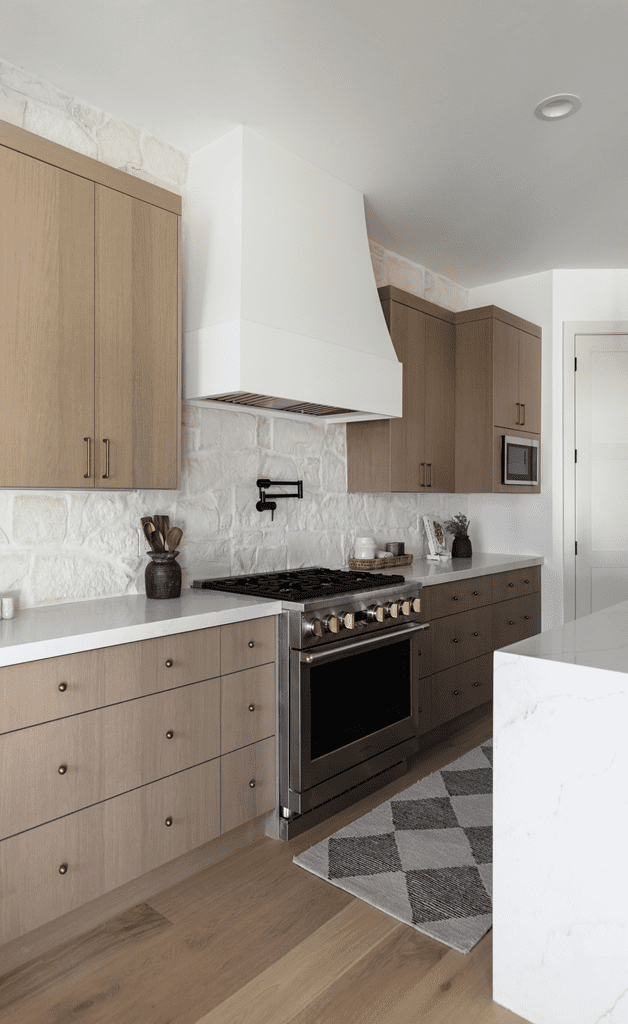
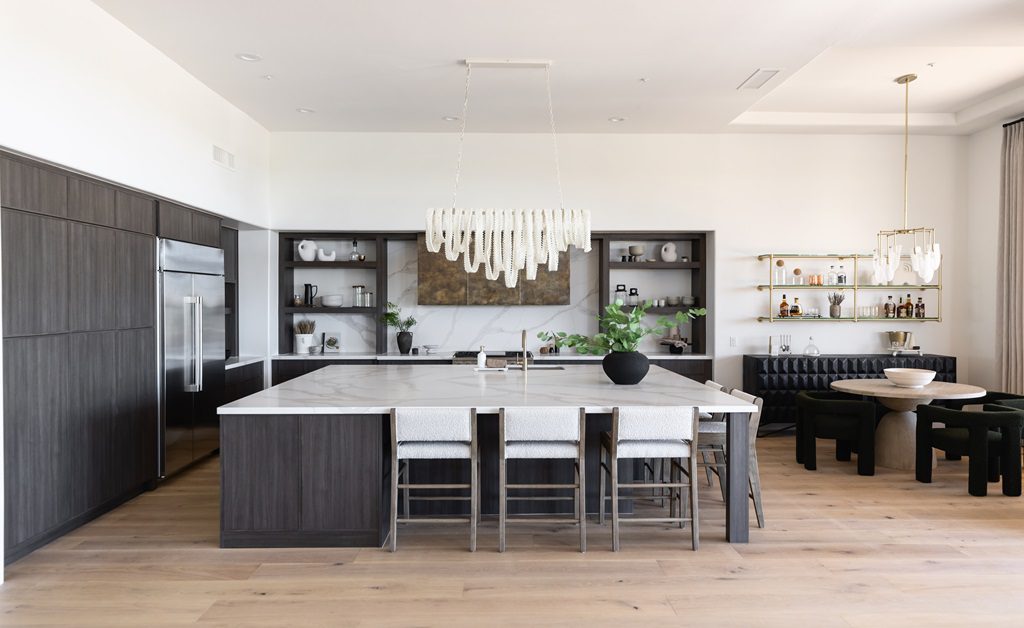
    newly-remodeled-arizona-kitchen-with-modern-feel

    Why Hiring a General Contractor is Essential

    The idea of managing your construction project may initially seem alluring, especially with the prospect of keeping your wallet happy. However, the actuality of successfully coordinating numerous shifting components can be a daunting beast. Several reasons underscore a general contractor’s expertise as a precious reservoir, particularly when you consider their building contractor responsibilities.
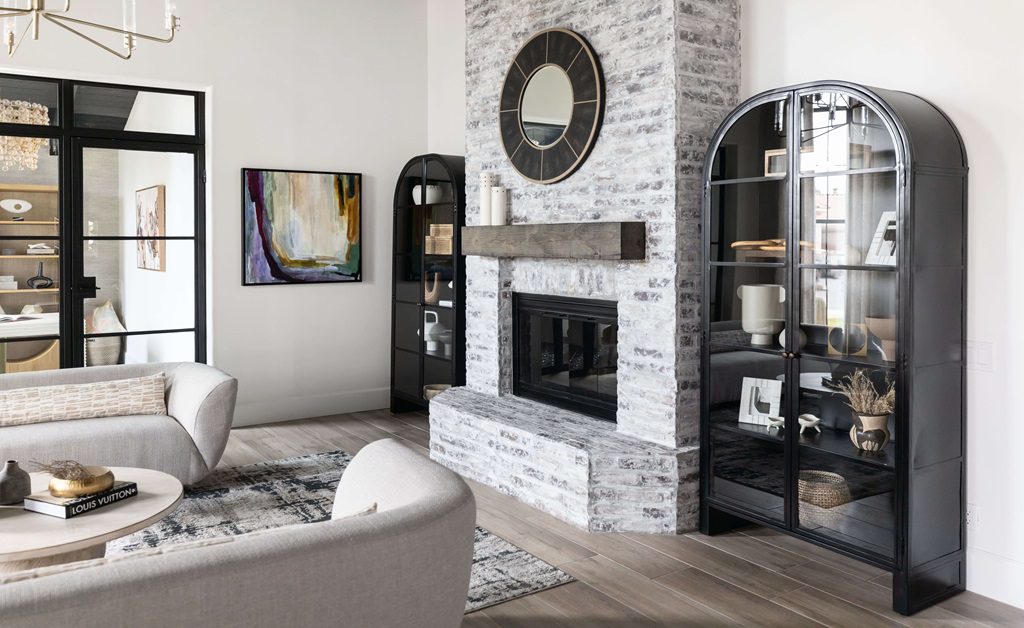
     

    General Contractor

    First and foremost, they are time savers. Whether it’s sourcing dependable subcontractors or arranging inspections, general contractors streamline the process, eliminating inefficiencies or delays that might plague your attempts. Their established relationships with vendors and subcontractors give them the upper hand in securing preferable deals and prioritizing your project.

    Secondly, general contractors are protectors of your budget. They can thwart unnecessary expenditure, manage unforeseen changes and ensure that all tasks respect your financial constraints. Their rich experience translates to effective resource allocation and anticipation of potential pitfalls before they turn into costly disasters.
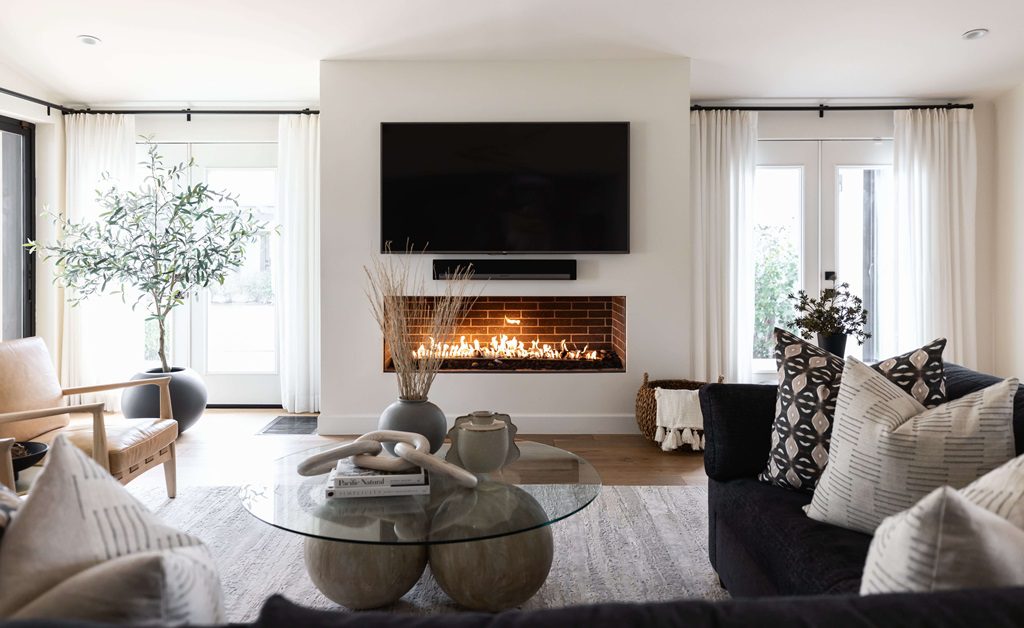
    The Architect of Peace of Mind


    Lastly, a general contractor is a purveyor of peace of mind. Covering a myriad of intricate details, including legal and safety requisites, a contractor ensures compliance with every regulation, alleviating any concerns about potential legal or liability issues. Rest easy knowing that a professional is steering the ship towards the successful completion of your dream home or renovation project, sticking to both the timeline and budget. 

    Simply put, what can a general contractor do? They can remove the stress and ensure your vision comes to life without compromise.
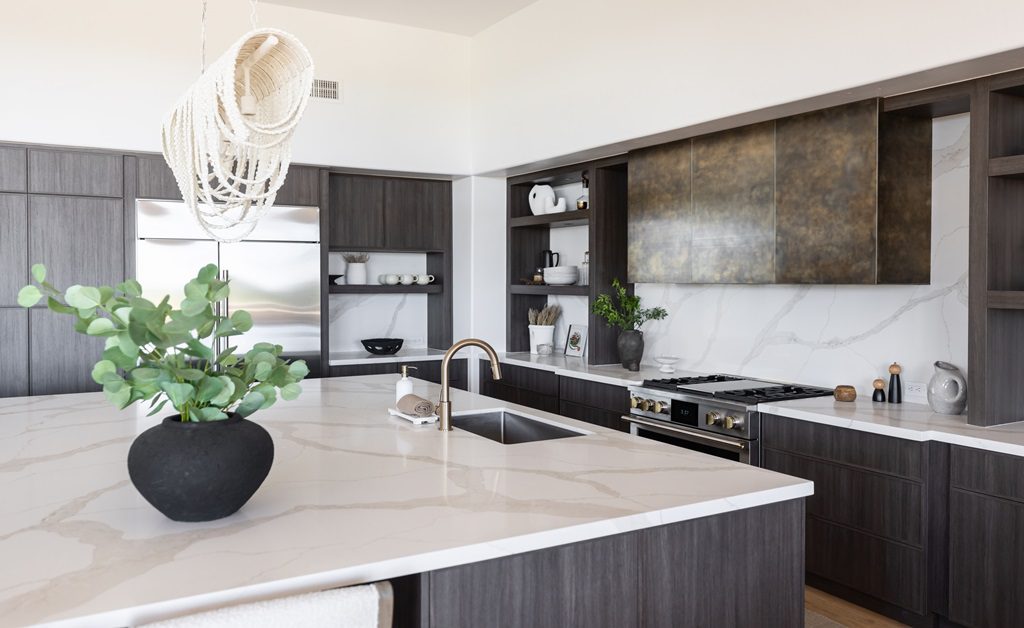
     

    your dream home

    The Architect of Peace of Mind

    A general contractor is a skillful juggler, adept at balancing roles as a manager, negotiator, problem-solver and quality controller. They not only steer your construction project to the finish line but also shield your investment and simplify a potentially convoluted process. Their contractor duties and responsibilities encompass every aspect of the project, giving you the freedom to focus on the big picture.
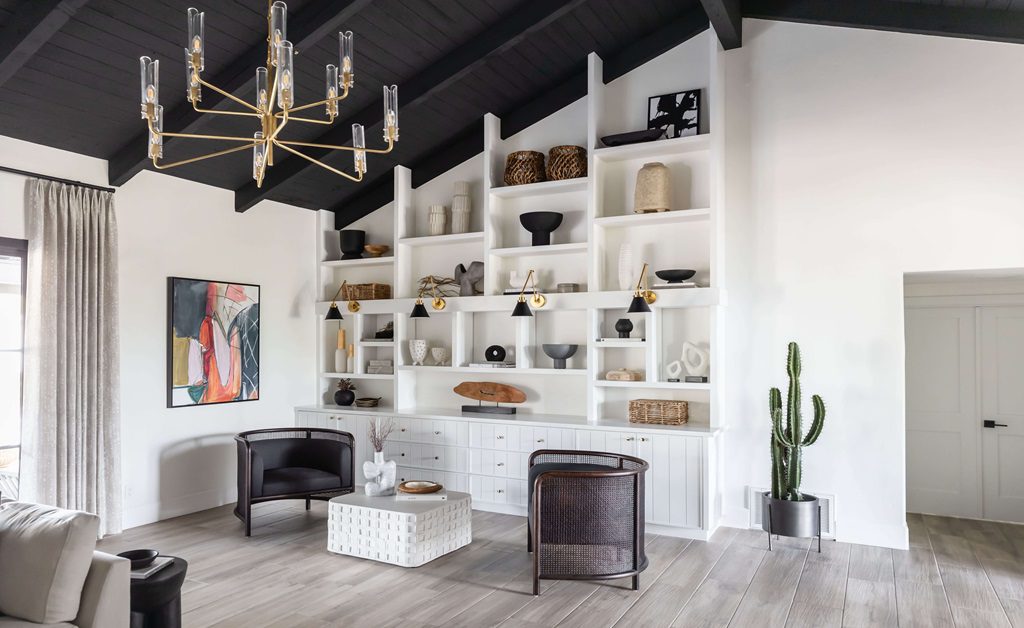
     

    professional general contractor

    By engaging a professional general contractor, you ensure each detail is treated with dedicated expertise and diligence, allowing you to savor the fruit of your project instead of fretting over its execution. Regardless of the scale of your upcoming project, teaming up with a seasoned general contractor is a savvy decision for any homeowner aiming to transform their vision into concrete reality.

    Read More:  Can a General Contractor Do Plumbing​ Work?

    Can I Put LED Light Strips in My Bathroom?

    Can I Put LED Light Strips in My Bathroom?


    LED light strips are swiftly becoming the interior designer’s secret weapon, infusing modern homes with a blend of elegance and practicality. Capable of complementing any setting, their application is versatile – even in an environment as functional and frequently damp as the bathroom. 

    Can I put LED light strips in my bathroom? You may ask. Emphatically, yes. But let’s delve deeper into this subject, examining the various factors that will ensure you extract maximum utility from your LED bathroom lights.

    LED Strips in Bathroom

    The Perks of LED Light Strips

    A Beacon of Energy-Efficiency and Economic Sense

    LED light strips illuminate your home while keeping your power usage and electricity bills low. These ingenious devices consume a fraction of the energy traditional light bulbs require, a boon for those committed to leading an eco-friendly lifestyle. By reducing the power requirement by up to 90%, the LED strips enhance your home’s energy efficiency.

    Their economical advantage extends beyond daily usage, considering their longevity. The reduced frequency of replacements leads to significant savings in the long-term, as well as less hassle. For those looking into luxury bathroom remodeling services, LED strips offer both practicality and sophistication.

      LED Strips in Your Bathroom

      The Cornerstone of Versatility

      The design possibilities with LED light strips in your bathroom are endless. Their slender and flexible design enables them to fit in spots that are inaccessible to conventional lighting. Be it subtle, ambient under-cabinet lighting, accentuating architectural elements, or casting a gentle glow around mirrors, LED strips are unequalled in their versatility. Bathrooms with LED lights can transform into modern and inviting spaces.

      Their functionality is as impressive as their flexibility. Many offer adjustable brightness or color-changing options, allowing you to set up the mood and ambiance according to your requirements. Switch between warm, cozy tones for a spa-like ambiance and cool, bright light for makeup application. This makes LED bathroom lighting an ideal choice for both aesthetics and functionality.

      LED Light Strips in My Bathroom

      Endurance and Ease of Maintenance

      LED strips are designed to stand the test of time. They outlast most conventional lighting solutions, operating for around 25,000 to 50,000 hours. Their low maintenance needs save you time and worry about frequent replacements or repairs.

      Put LED Light Strips in My Bathroom

      Installing LED Strips Safely

      The moisture-rich environment of bathrooms demands certain safety precautions when installing LED light strips. It’s crucial to choose strips and power supplies rated for moist or wet locations, denoted by an IP (Ingress Protection) rating. Aim for a rating of IP65 or higher to ensure protection against water and humidity. For those considering LED lights for the shower, this IP rating is particularly important.

      Positioning the strips strategically also ensures safety. Avoid installing them directly in shower spaces unless specifically designed for such situations. Focus on installing them around mirrors, under cabinets, or on ceiling coves where they can deliver dramatic lighting without exposure to water. Correct positioning ensures your bathroom LED lighting is both functional and safe.

      Lastly, should you feel uncomfortable handling electrical connections, enlist a professional’s help. Correct installation, including secure, moisture-proof electrical connections, is vital for your safety. Perhaps you can incorporate LED lights as part of a wider renovation. 


      Can I Put LED Light Strips in My Bathroom

      Incorporating LED Strips in Your Bathroom

      LED light strips can revolutionize your bathroom space with some ingenuity. Framing bathroom mirrors with LED strips adds a modern touch while improving visibility.

      Consider installing LED strips under cabinets or vanities to furnish soft, diffused lighting, negating the use of harsh overhead lights. To make a bold statement, you can integrate strips in ceiling coves or recessed niches, creating a luxurious ambiance.

      Color-changing LEDs offer playful twists. Set a relaxing blue tone for evening baths, or transition to energizing white light for morning routines. With well-designed LED bathroom lighting, you can alter your bathroom’s mood at the press of a button.

      Explore More: How to Design a Spacious Luxury Master Bathroom

      The Beginner Home Remodel Checklist: Step-by-Step Guide

      The Beginner Home Remodel Checklist: Step-by-Step Guide


      Embarking on your first home remodeling project is an exciting time. Nonetheless, lacking a comprehensive guide, this journey can soon turn daunting. This is when a meticulously planned home remodeling checklist is invaluable. By intentionally progressing through each phase, you can streamline the process, dodge expensive blunders, and realize the home makeover you’ve envisioned.

      Set Clear Objectives and a Budget 

      Any fruitful remodeling venture’s inception lies in laying down your goals. What’s the motivation behind your makeover? Are you revamping a kitchen to improve usability, or renovating a bathroom to escalate property value? Bear these factors in mind as they will steer every decision you make. 

      After your objectives are finalized, it’s time to decide your budget. Refurbishing projects can easily veer off course without a defined financial limit. Incorporate a provision for unforeseen expenditures—around 10% to 20% of your overall budget—to be ready for unexpected hitches, such as infrastructural issues or enhancements to conform to contemporary building norms. A well-laid house remodel checklist can keep these factors in check. 

      interior designers

      Get Your Inspiration 

      Before liaising with contractors or procuring materials, devote time to exploring ideas for your space. Platforms like Pinterest, Instagram, and home improvement blogs are superb resources for getting inspiration. Visit showrooms, view remodeling videos, and jot down finishes, layouts, and designs that resonate with your vision. This investigation phase will inform your decisions and provide an idea of the investment needed for your desired result. 

      Consider assembling a mood board or a digital directory to gather your top picks. Having visual examples will simplify communication with professionals at later stages. Whether you’re envisioning custom home remodeling in Scottsdale or a small interior update, inspiration is key. 

        best home remodeling

        Engage the Appropriate Professionals 

        While some novices might be swayed to undertake the remodel themselves, larger projects require seasoned professionals to circumvent potential stumbling blocks. Start with investigating licensed and insured contractors, architects, or interior designers who specialize in the area you wish to refurbish. Seek recommendations, peruse reviews, and make sure to interview several contenders before engaging. 

        Make sure you request estimates and proposals from remodeling contractors. Rather than simply choosing the lowest bid, evaluate factors like timeline, communication, and scope of services. The chosen professional team will not just realize your vision but also ensure a smoother process from beginning to end. Use a checklist for remodeling a home to ensure you haven’t missed any details when vetting professionals. 

        Home Remodel

        Draft a Schedule and Timeline 

        Once your team is assembled, collaborate to devise a detailed timeline. A pragmatic schedule covers every stage, like design, ordering, and installation, with milestones along the way. Remember that unforeseen situations like weather or material shortages can cause delays. Discuss these possibilities with your team beforehand to manage expectations and minimize disruptions. 

        Transparent communication is essential during this phase. Regular interactions or updates with your contractors can keep the project on course and allow you to tackle any issues or concerns promptly. While a home remodel checklist is important, you also need to lean on the expertise of the pros.

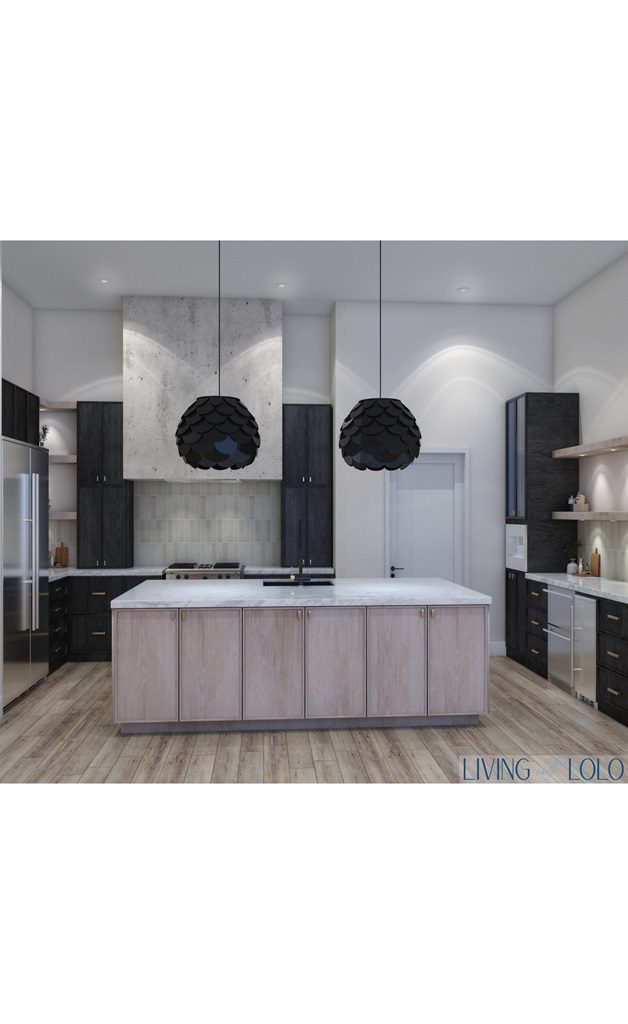
        remodeling a kitchen

        Select Materials and Finishes Strategically 

        This is usually a complex part of the remodel process—picking the materials, colors, and designs that will characterize your fresh space. From flooring and countertops to paint shades and fixtures, these decisions will make your vision a reality. Thankfully, remodeling contractors will listen to your needs and find materials that meet them. 

        If you’re uncertain about what suits your space best, consult with your interior designer or contractor for advice. Keep samples of fabrics, tiles, and other materials at hand to ensure perfect coordination. This step is vital for a complete home remodel checklist, as it ensures the final finishes align with your overall vision. 


        Home for Renovation

        Navigate Permits and Regulations 

        Before construction starts, consult your local government to identify the permits required for your remodel. Depending on your refurbishment’s extent, you may need permits for electrical work, plumbing modifications, additions, or structural changes. Neglecting to obtain the necessary permits can result in penalties or problems when selling your home later. 

        Your contractor or project manager may help with obtaining permits, but it’s ultimately you who must ensure all regulations are adhered to. Double-check requirements and timelines to prevent delays. This is a crucial step for your home remodel checklist to guarantee a seamless process. 

        home for the remodel

        Prepare Your Home for Renovation 

        The final step before initiating work is prepping your home for the remodel. Start by decluttering the areas to be renovated. Stow away valuable items, cover your furniture to shield it from dust, and arrange alternative living spaces if needed. For instance, if you’re remodeling a kitchen, establish a makeshift cooking area elsewhere in the house. 

        By following this detailed checklist for remodeling a home, you can ensure that your renovation project runs smoothly from start to finish.

        Communicate with your family, neighbors, and other stakeholders about the expected timeline and potential disruptions, like noise or parking arrangements. Proactively planning for these inconveniences can curtail stress during the renovation process.

        See More: Maximize Your Home Remodel Investment In Arizona

        Top Interior Design Tips for Mediterranean-Style Homes

        Top Interior Design Tips for Mediterranean-Style Homes


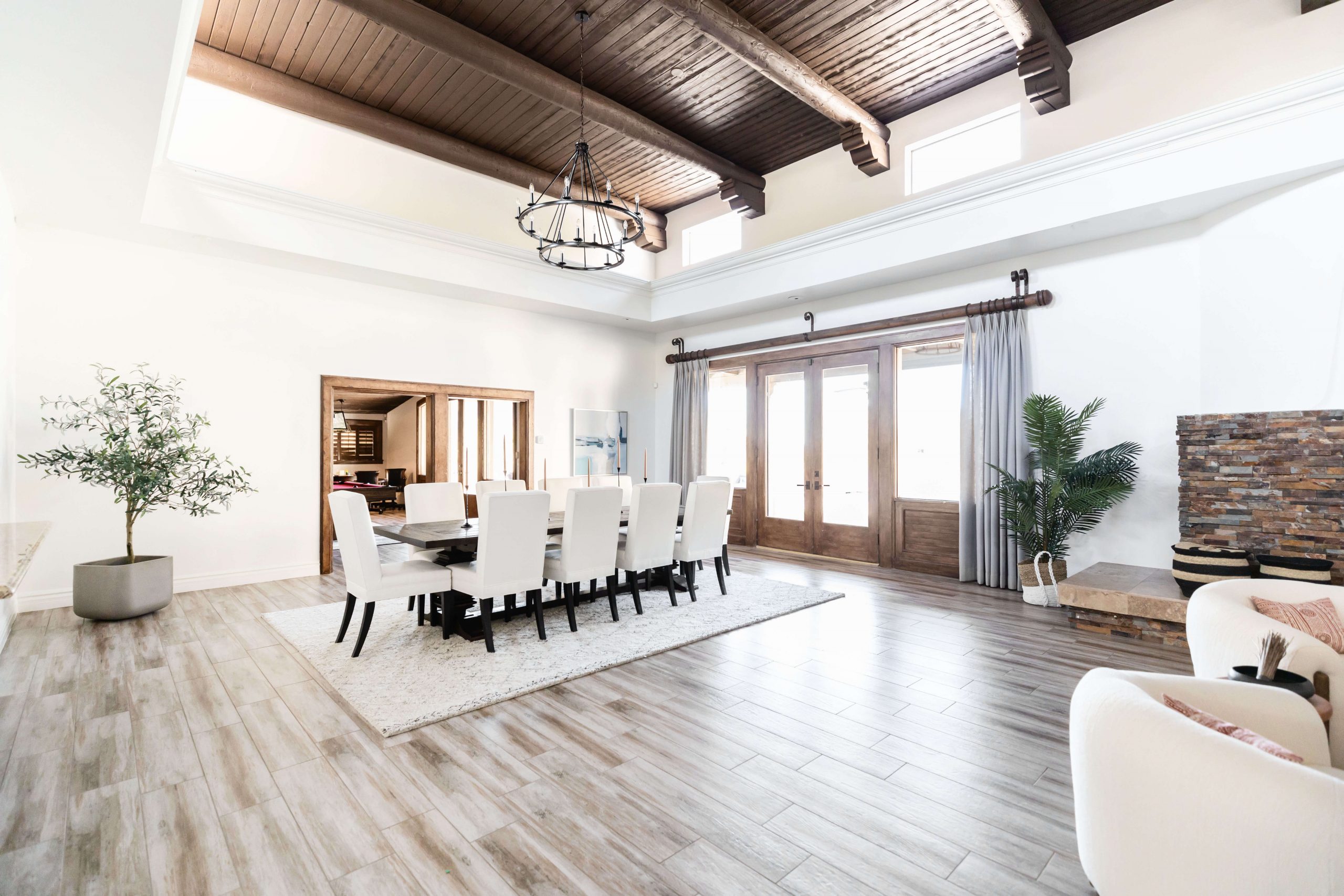
        Imagine yourself in a serene coastal villa, surrounded by warm ocher walls, rustic wooden beams, and the soft glow of a wrought iron chandelier. Mediterranean-style homes exude an irresistible allure, reminiscing the time-honored attraction of coastal regions like Italy, Spain, and Greece. Whether you’re considering a home renovation or want to embed Mediterranean elegance into your existing space, understanding its key design elements is the first step.

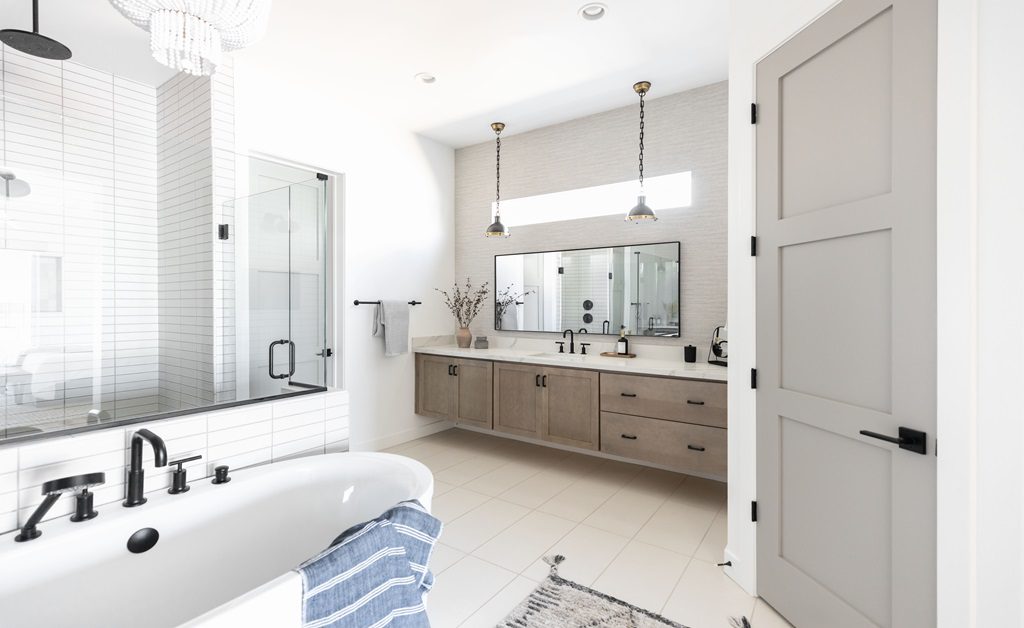
        Primary Bath

        The Mediterranean Aesthetic

        The essence of the Mediterranean interior design style is deeply ingrained in the diverse cultures and organic elements of the Mediterranean basin. Elegantly blending rustic charm with functional minimalism, this style creates homes that are welcoming and naturally alluring. Common architectural features like stucco or stone exteriors, terracotta roof tiles, and arched passageways lend these homes a distinctive appeal. 

          The interior design revolves around comfort and homely charm. Vibrant colors like terracotta, ocher, and deep sea blues, accompanied by natural elements like wood, wrought iron, and stone, shape the style’s character. This timeless design scheme harmoniously unifies functionality and tranquil aesthetics, making it a favored choice for homeowners craving a sanctuary-like environment.

          Family room

          Key Design Components of Mediterranean Homes

          Mediterranean homes are a tapestry of textures, materials, and palettes. To truly recreate this style, homeowners need to interweave its foundational elements.

          Palette Reflecting Earth and Sea 

          The interior colors of Mediterranean homes mirror the surrounding landscape — warm, earthy colors like terracotta and sand intermixed with cooler shades of cobalt blue and olive green. These colors not only soothe the senses but also enhance spaces with depth and contrast. For a contemporary flair, neutral backgrounds in ivory or cream can accentuate bold colors in decor and furniture. If you’re searching for ideas, consult the best interior decorator near you to bring these palettes to life.


          home interior designs

          Enduring Appeal of Natural Materials 

          The choice of materials in Mediterranean homes is pivotal. Hardwood floors, exposed wooden rafters, and natural stone instill a tactile and grounded aesthetic. Decorative terracotta tiles exude warmth and texture, while wrought iron elements like stair banisters, chandeliers, and mirroring add a rustic yet sophisticated finesse. These materials are key in achieving authentic Mediterranean-style home interior designs.


          Top Interior Design Tips

          Textures Enriched with Depth and Character 

          The layered textures in Mediterranean homes elicit a lively yet snug ambiance. Stucco or plastered walls with imperfect finishes exude old-world charm. Soft textiles like linen, cotton, or jute in cushions, throws, or rugs introduce warmth, creating a balanced and inviting feel. 

          Crafting a Mediterranean paradise at home is not as daunting as you might think. With a thoughtful selection of elements, you can create your space with coastal warmth and rustic sophistication.


          style in your current home

          Classic Furniture with Functionality 

          Selecting the right furniture can make or break the Mediterranean charm. Choose pieces with fluid lines and sturdy wood finishes, like oak or walnut sideboards or dining tables. Neutral upholstery with understated patterns can enhance the natural material palette. Vintage or antique items add a sense of history and authenticity. If you’re coming up with interior design for Mediterranean-style homes, these choices are essential in creating the perfect look.


          Top Interior Design Tips for Mediterranean-Style Homes

          Bold Ceramics and Textiles as Accents 

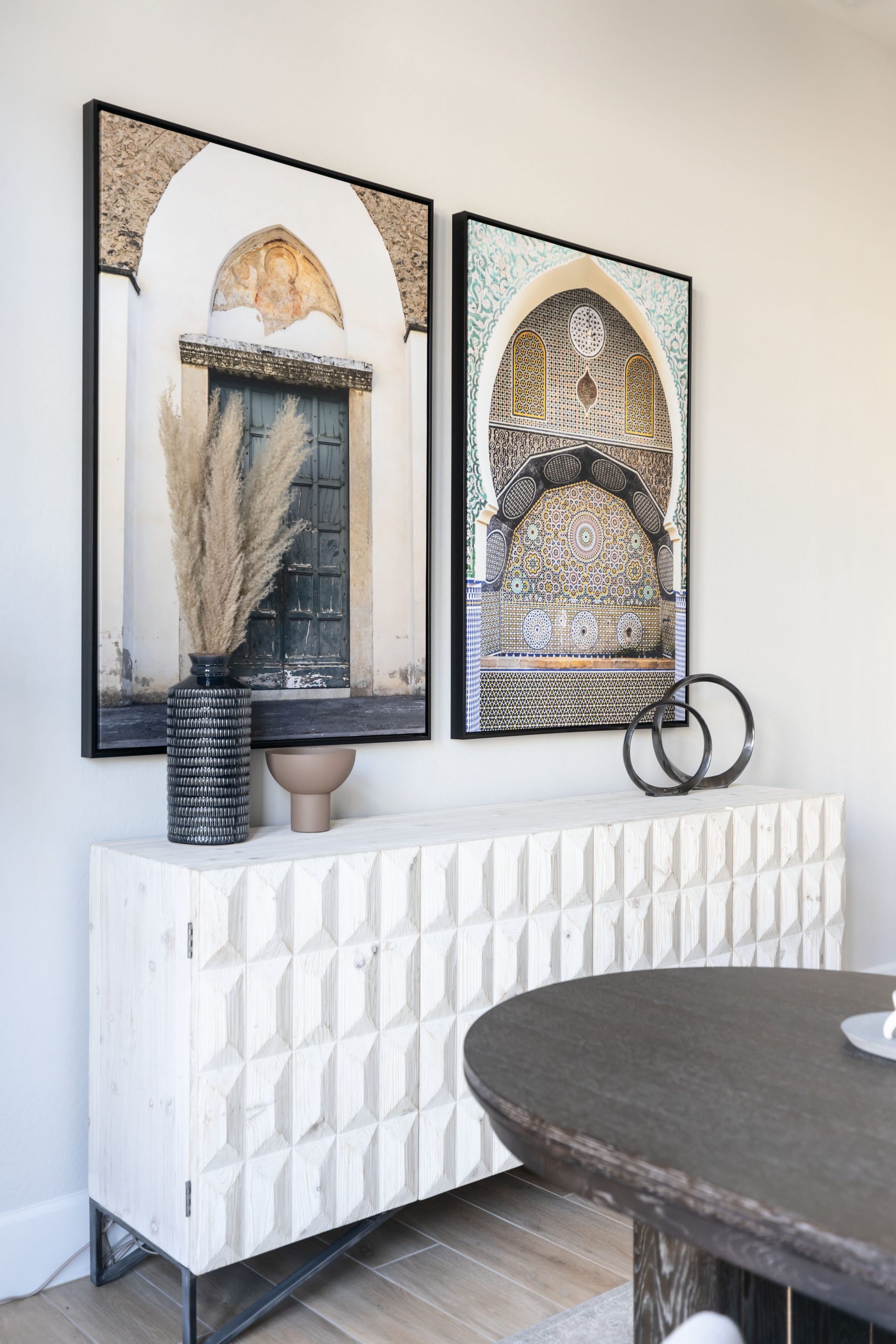
          Details distinguish Mediterranean interiors. Hand-painted ceramic vases, plates, or tiles make captivating accent pieces. Patterned cushions, woven baskets, or area rugs infuse color and intricate detailing. A statement piece like a wrought iron chandelier or a marble-top coffee table can elevate the aesthetic. These touches are hallmarks of Mediterranean style interior design

          Dream Space

          Greenery: A Breath of Life 

          Mediterranean homes have a close bond with nature, making indoor greenery essential. Potted olive trees or lush Mediterranean herbs like rosemary and lavender can add life to your space. Succulents in terracotta pots or sprawling greenery on trellises can enhance the rustic, organic atmosphere. 

          best interior decorator

          Craft Your Dream Space 

          Mediterranean-style homes adeptly merge natural elements, rich textures, and inviting warmth to shape spaces that are as functional as they are appealing. Whether you’re preparing for a full remodel or simply desiring touches of Mediterranean style in your current home, it’s about striking the perfect balance – pairing earthy tones with bold accents, blending traditional materials with personal tastes. By incorporating these design principles, you can capture the timeless charm of the Mediterranean, right in the heart of your everyday living.

          Discover More: How to Plan a Room Layout – Interior Design Tips

          Interior Colors Used in Open Concept Luxury Home Design

          Interior Colors Used in Open Concept Luxury Home Design


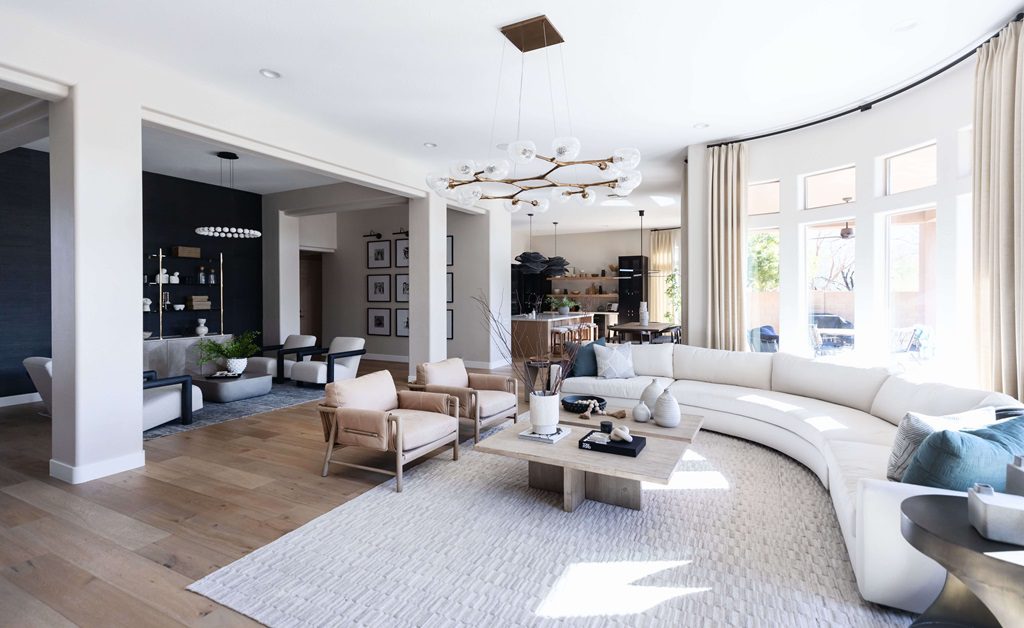
          In the world of luxury homes, open concept designs have risen to prominence. They offer a seamless integration of spaces, demolishing traditional partitions to create vast, inviting expanses. These designs represent the epitome of functionality elegantly meeting aesthetics. The triumph of open concept designs often rests on a crucial yet often overlooked aspect: the interior colors used in open concept luxury homes.

          Astutely chosen colors are potent tools that can harmonize spaces, introduce depth, and summon an air of sophistication. Today, we unveil the secret to crafting the optimal palette for your open concept luxury home.

          Interior design

          Mastering the Art of Interior Color Selection

          Colors play a pivotal role in preserving harmony in open layouts. With the absence of physical boundaries, colors shoulder the onus of separating zones while maintaining visual coherence. The first step to achieving this equilibrium involves selecting a foundational color that strikes the right chord for the entire environment.

          In luxurious living spaces, neutral shades such as muted, soft grays and creams often serve as dependable starting points. They offer timeless elegance and immense flexibility when choosing luxury home interior paint colors.

          interior designer


          When deliberating over color options, it is essential to pay heed to natural light. Open layouts frequently boast large glass expanses, filling the surroundings with shifting light patterns throughout the day. This can significantly influence color perception. Hence, it is imperative to evaluate your potential color choices under varied lighting conditions to ensure they hold their allure.

          Mastering the Art of Interior Color Selection

          The dimension and scale of the space are also crucial considerations when it comes to color decisions. Lighter hues can amplify the spaciousness, while darker shades can ground specific areas, such as intimate corners or dining spaces. A skilled Paradise Valley interior designer might suggest keeping these dynamics in mind for the best results.

          Additionally, the transition of colors should be subtle and fluid. Each shade should gently merge into the next, preventing stark contrasts. Utilizing analogous colors—those adjacent on the color wheel—can aid in creating softer transitions while introducing depth and intrigue. This approach can work wonders for open floor plan color schemes.

            luxury home

            Luxury Color Trends

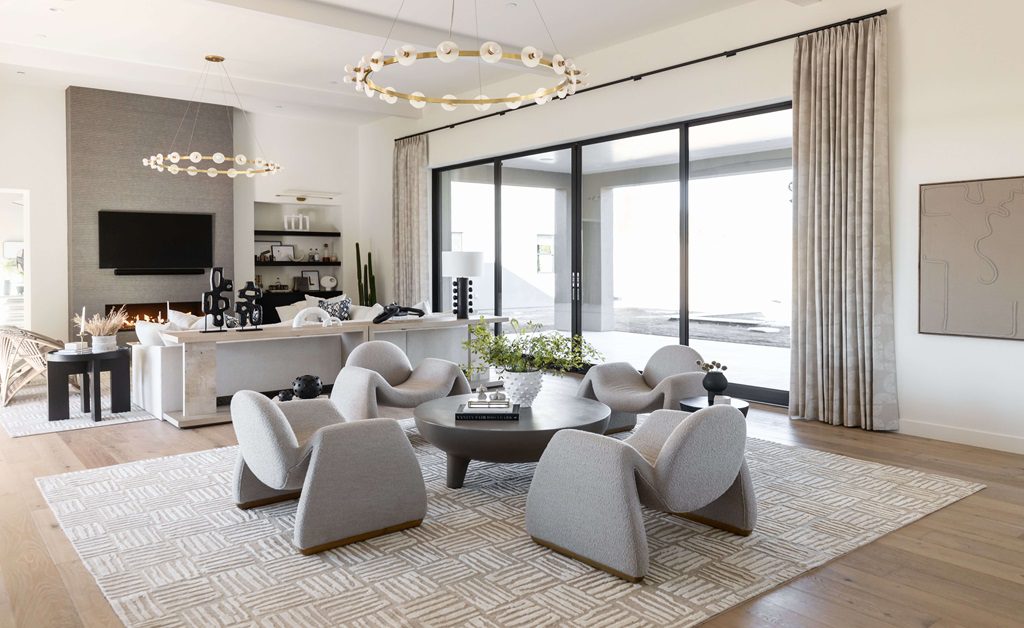
            An apt color palette can improve the allure of any open concept design in a luxury home. Currently, the world of top-tier interiors is infatuated with warm neutrals. Shades of sandstone, beige, and cream fashion inviting yet graceful spaces. These hues harmonize perfectly with natural elements like wood and marble, enhancing the inherent luxury that many homeowners desire.

            Modern designs are also embracing cool, grayed blues and greens. These shades offer a subtle burst of color without overpowering the overall aesthetics. They exude a sense of serenity and freshness, making them perfect for maintaining balance in expansive, interconnected areas.


            Open Concept Luxury Home Design


            For those with a penchant for making bold statements, jewel tones such as sapphire blue, emerald green, and deep gold are finding increased acceptance. These shades not only inject personality but also demarcate individual spaces while preserving a unified design ethos. Jewel tones are often a stunning option for enhancing the interior of luxury homes.

            Luxury Home Design

            Crafting Your Ideal Space Through Color

            The art of choosing the right interior colors for an open concept luxury home blends personal taste with practical considerations. Whether you lean towards neutral elegance or vibrant accents, a meticulously planned color palette will seamlessly connect expansive open spaces into a harmonious and luxurious sanctuary.

            Read More : Incorporating Mental Health Awareness Colors Into Home Design