Living With Lolo Facebook Book a Free Consultation
Living Room Decorating Ideas with Black Furniture​

Living Room Decorating Ideas with Black Furniture​


Black furniture has been a home decor staple for decades, with its sleek, sophisticated appearance impossible to top for many. And yet, in addition to its classic good looks, black furniture is surprisingly versatile, and thus the ideal anchor for a stylish living room. Whether your goal is sleek modern minimalism or warm luxuriousness, the addition of black furniture can revolutionize your living room. Here’s how to do it in your home.
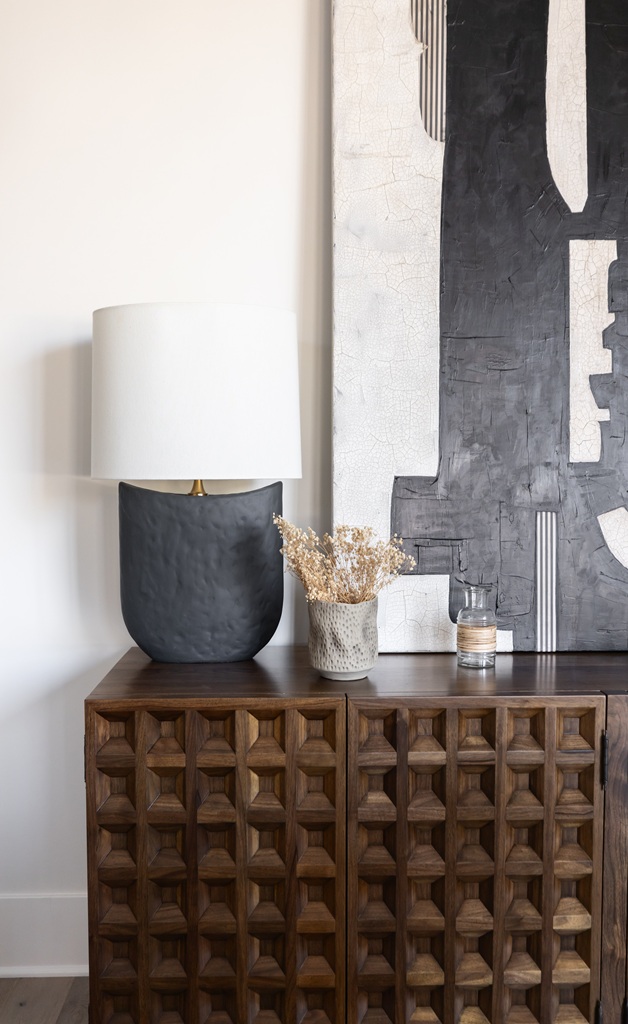
Black lamp and dried flowers on wood sideboard

Making Black Furniture More Flexible 

Black furniture is a domestic essential because it is flexible. Black is a neutralizer that can instantly get along with any decor – industrial, vintage, or contemporary. Black leather furniture, for example, could be completely cool contemporary, and a black velvet armchair is the epitome of vintage cool. 

    The elegance of black furniture is that it can work as an accent or a subdued background upon which other design features shine. A black coffee table, for example, can anchor the room’s style while complementing bolder accent points such as rugs or artwork. Black furniture, in general, has the versatility to support both bold and subtle aesthetics. Using living room decorating ideas with black furniture can help create a space that’s stylish yet functional. 
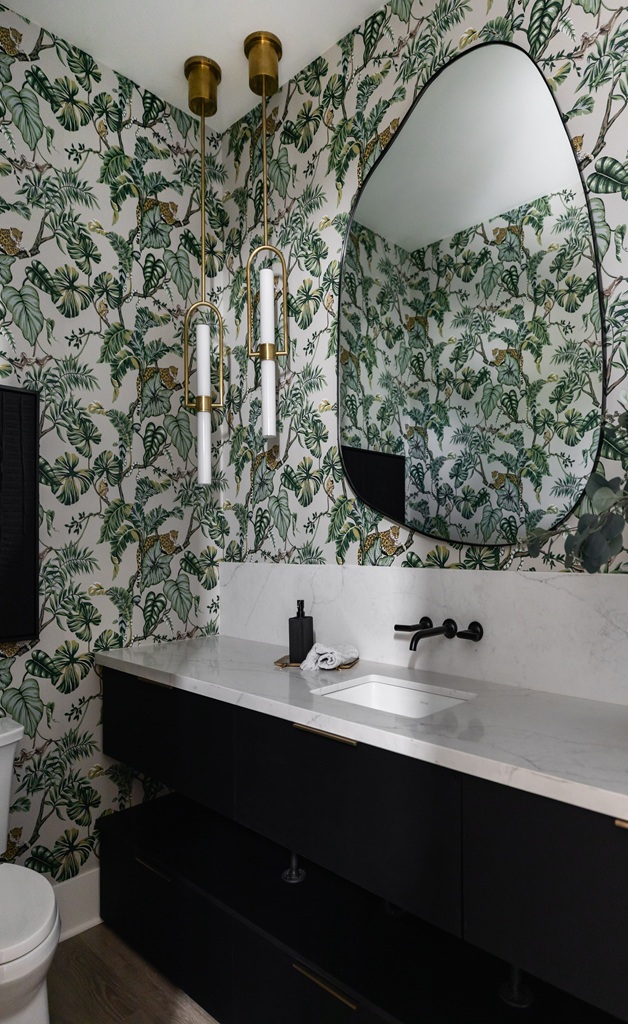
      Bathroom with tropical wallpaper and black vanity

      Mixing Black Furniture with Other Color Combinations 

      Blended with other colors carefully, black furniture is a blank slate for endless possibilities. Dressed in grays or whites for a monochromatic effect, it creates a high-contrast, minimalist space. Softer neutrals like beige or taupe can temper the severity of black and draw warmth into your space.

      For someone who wishes to add color, gemstone shades such as emerald green, sapphire blue, and dark burgundy would be beautiful over black, adding a luxury richness. Light pastel colors such as pale mint or blush pink would also be great, softening the hard finish of black furniture to create a warm-looking space. 

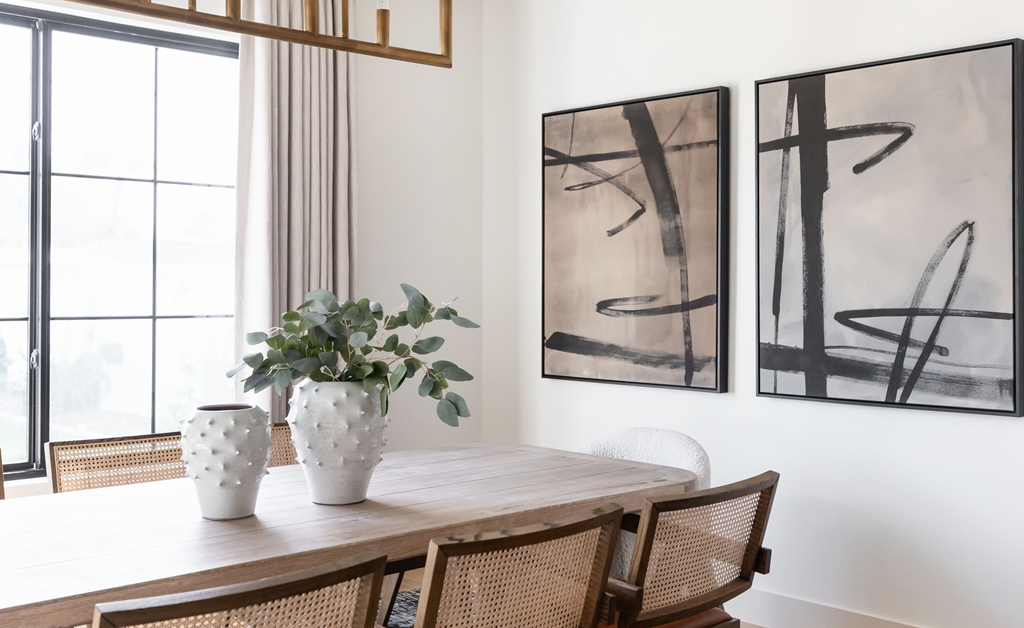
      Neutral room with abstract art and decor

      Adding metallics like brass or gold to your color scheme is another touch of sophistication, particularly when paired with accent pieces like black dining room chairs or an entertainment center. Texture and balance are all it requires to keep the space vibrant and alive. Whether you’re designing a living room with black furniture, blending bold and soft colors is key. 
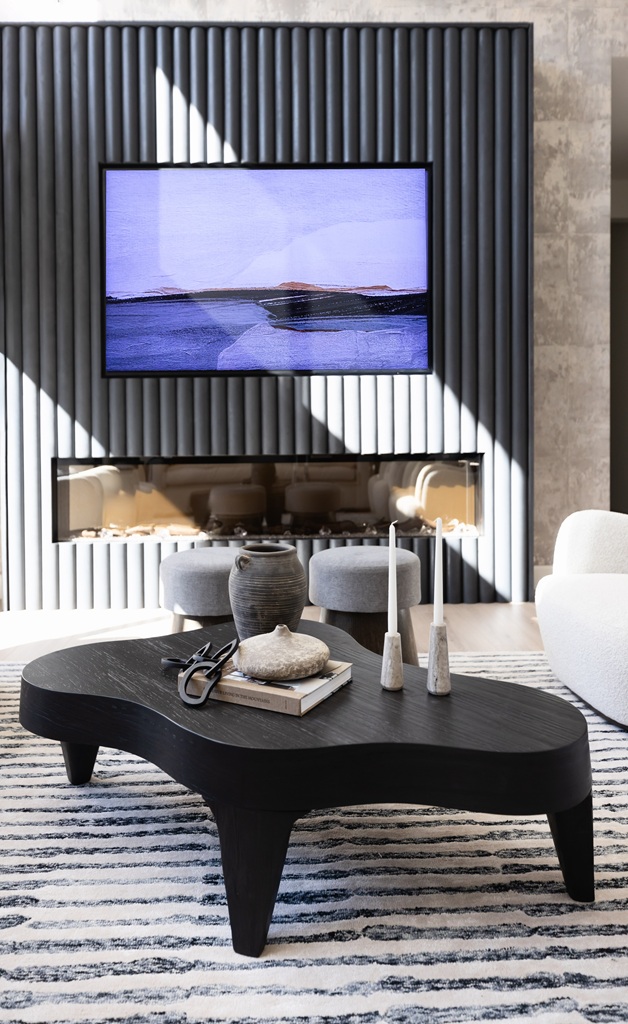
      Modern living room with black coffee table

      Accessorizing Your Living Room with Black Furniture 

      Accessories can overwhelm or complement black furniture, so be careful with your choice. Throws and pillows in bold designs, such as geometric patterns or flowers, create a fun element to a black sofa. Or, neutral or monochromatic accessories keep the appearance clean without overwhelming the room. 

      Do attempt black furniture paired with natural elements like rustic hardwood floors or jute rugs to add warmth and texture to the room. Lighting is also an issue for some. Placing table or floor lamps strategically can prevent the room from becoming dark or heavy. Warm light is what makes a space inviting and brings out the depth and detailing of black furniture. For a polished touch, consider pairing black couches for a living room with soft lighting and textured accessories. 
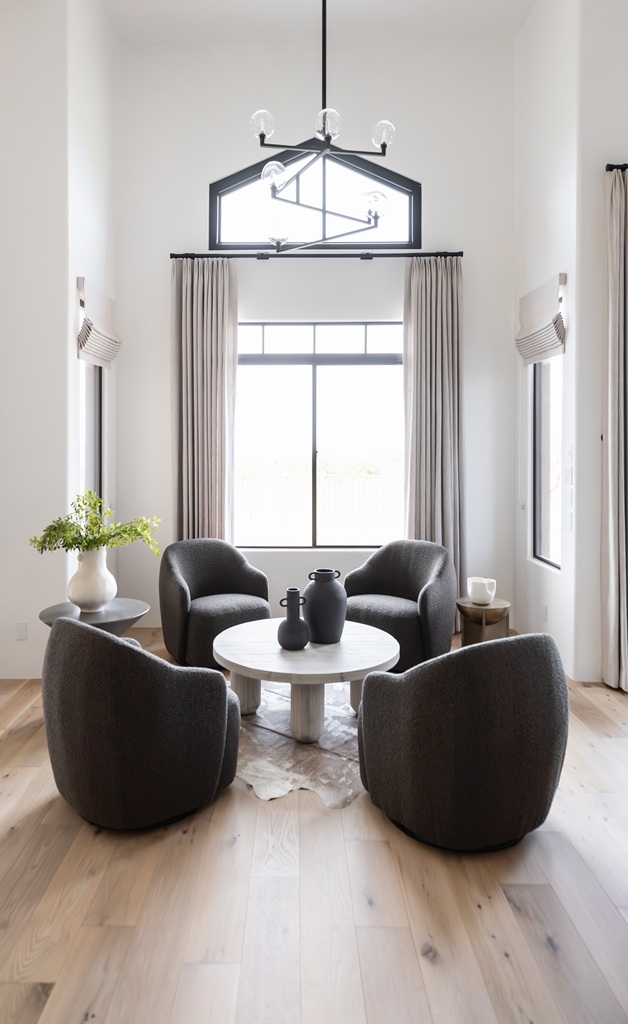
      Cozy seating area with dark chairs and round table

      For wall art, stay with what reinforces your theme for your room. Big abstract pieces of art in bold colors can make a black piece stand out, and black and white photographs create a monochromatic, high-end look. This approach enhances your living room decor with black furniture​ while adding personal flair. 

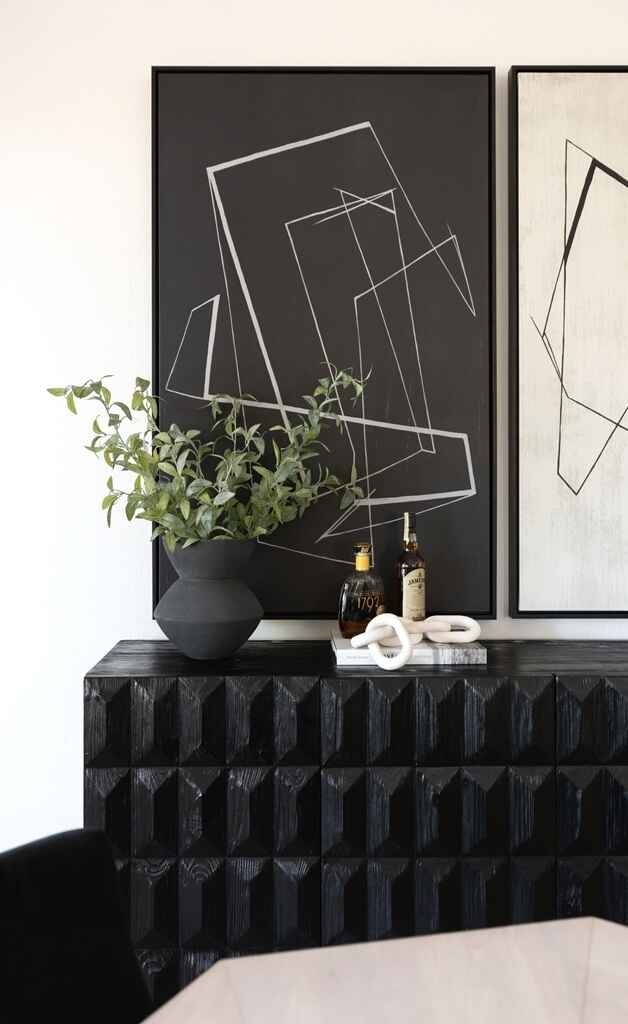
      Black geometric cabinet with abstract art

      Common Mistakes to Avoid When Decorating with Black Furniture 

      Black furniture decor should be balanced. It is simple to overdo it and include too many dark pieces, thereby making the room heavy. Counteract this effect by adding lighter elements like bright curtains, mirrors, or light walls that reflect sunlight. 


      Another error is neglecting scale. Black furniture that is too large will dominate a small room and make it appear cramped. Instead, select streamlined pieces with clean lines. Finally, don’t over-accessorize. Black furniture is already taking center stage, so limit accessories to keep the look clean and refined. For example, if you’re styling black sofas in a living room, opt for minimal yet impactful accent pieces. 
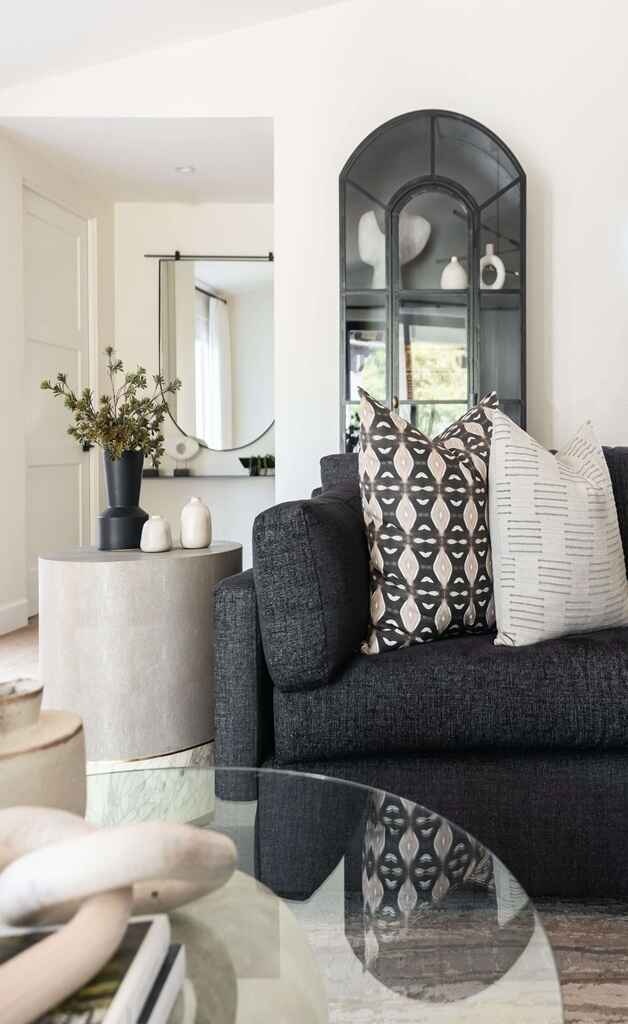
       

      Dark sofa with patterned and striped pillows

      Make Black Furniture the Star of Your Living Room

      Black furniture provides a world of possibilities when it comes to designing a living space, offering flexibility and timeless appeal. Pairing it with the right colors, creating contrasts, and avoiding common design pitfalls will help you craft a stunning living room that reflects your personality. Whether you’re inspired by Paradise Valley interior design services or our broader Scottsdale interior design portfolio, don’t shy away from being imaginative—black will never go out of style.

      Discover More: How to Decorate a Long Living Room
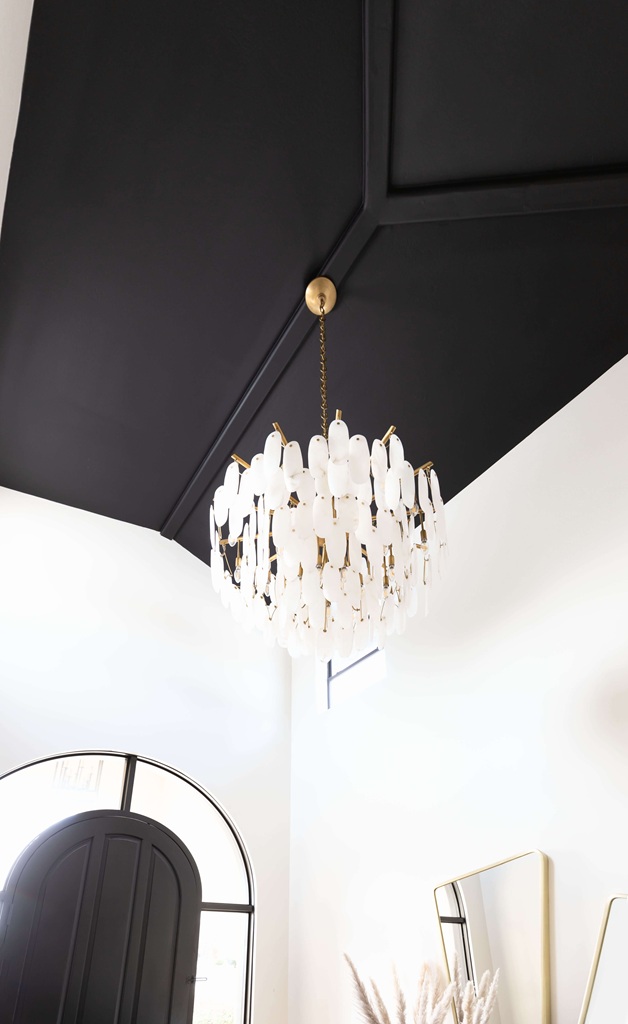
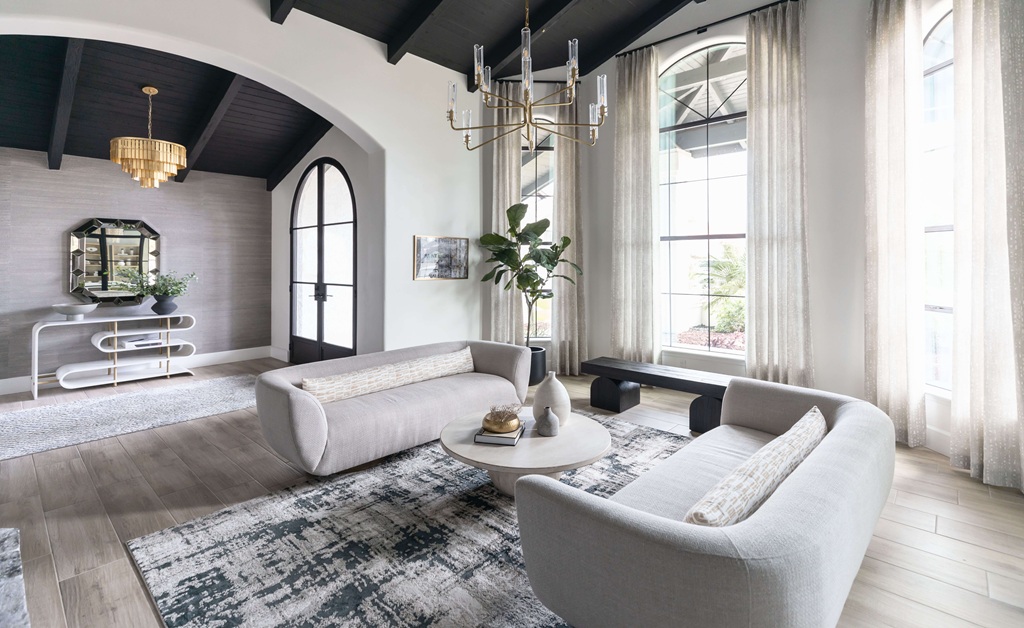
      White chandelier under black ceiling panel

      How to Modernize a Split-Level Home Interior to Improve Health

      How to Modernize a Split-Level Home Interior to Improve Health


      Wellness begins at home. Your home can not just boost your eye appeal but additionally your body as well as brain. A split-level property is difficult to refurnish as it is composed of a divided structure, however, with an effective strategy, it can transform into a well-being-oriented oasis.

      Understanding Split-Level Homes

      Split-level homes were built with divided sections for various purposes. While this provides some functionality, the divided design may be outdated and restrictive for some. Most split-level home interior designs have smaller windows and less space, which can decrease ventilation, lighting, and overall comfort. Yet the homes also offer special opportunities for rebirth with contemporary design concepts. By eliminating these shortcomings, you can design a home that enhances both function and health. If you’re unsure where to start, consulting an interior designer in Scottsdale can provide valuable insights.

        Modernize a Split-Level Home Interior to Improve Health

        Air Quality

        Begin your split-level home interior design renovation with improved indoor air quality. Indoor air pollutants can be harmful to your well-being, especially where there’s minimal air flow. Whole-house energy-efficient ventilation systems are the answer to circulating the air in different levels of your home. Have them installed with intelligent air purifiers that proactively rid the air of allergens, dust, and harmful gases. Having plants indoors placed around your house will also purify the air and introduce some nature into your world.

          Natural Lighting 

          You require natural lighting to regulate your circadian rhythm, which is vital to your sleep as well as your health. Small windows are a feature of outdated split-level home interior decorating, but opening an already present window or installing additional windows where possible will put this right. Solar tubes or skylights are excellent ways of introducing light in through difficult-to-light spaces such as stairwells or basements. Where there are difficult spots with not many options, utilize high-lumen artificial light that mimics sunlight.

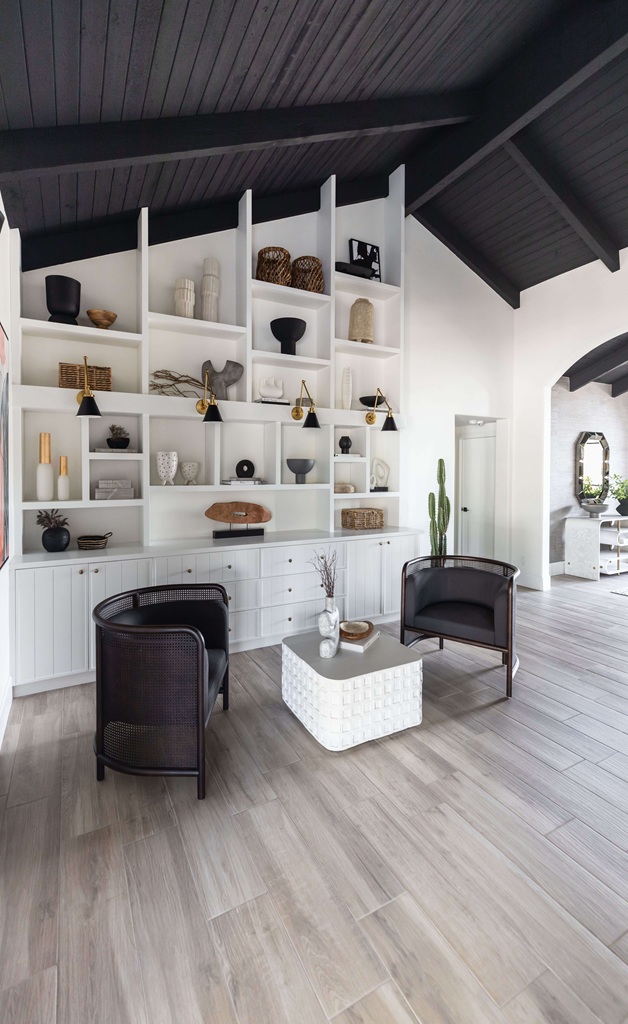
            Bright living room with vaulted black ceiling

            Ergonomic Design 

            Sadly, our health is silently compromised by bad design. The renovation of a split-level home interior means its ergonomics must become healthier. Replace old furniture with ergonomically designed furniture that will promote good posture, such as adjustable chairs and desks. Rearrange social areas so they are easily accessible and obstruction-free, as this will reduce mental stress and chances of physical injury. Incorporate features such as standing workstations or a separate yoga room to include physical movement. If you’re wondering how to modernize a split-level home interior, small changes like these can make a significant difference.

            Nature will indeed play a part in an individual’s psychological well-being, and biophilic design is not just a requirement but essential within a split-level home makeover. Incorporate natural aspects such as wood or stone into your floor, walls, or furniture. Incorporate green wall gardens or a plant pot station to infuse calming greenness in the house. Even the mere visual connection with nature in the form of big windows that open to the outside or nature-print artwork can cause the mood to change to relaxing and being present.

            Home Interior Design to Improve Health

            A Healthier, Modernized Home 

            Modernizing a split-level home is about more than just aesthetics. By addressing air quality, optimizing natural light, incorporating ergonomic elements, and blending nature into your design, you’re not only updating your home’s look but also creating a space that nurtures physical and mental well-being. With thoughtful planning, your home can become a sanctuary that supports both your health and design aspirations. 

            Learn More: How Your Home’s Design Can Improve Your Health

            Incorporating Mental Health Awareness Colors Into Home Design

            Incorporating Mental Health Awareness Colors Into Home Design


            Color impacts our mood and emotional state to a great extent. For design enthusiasts and interior designers in Phoenix, AZ, integrating mental health awareness colors into their designs can help transform a room into a peaceful, positive, and inspirational room. This short guide explains how these colors can transform your room into a beautiful and peaceful space and help you find emotional happiness.

            Stone fireplace with woven wall hanging decor

            Understanding Mental Health Awareness Colors 

            Each of these colors contains a distinct energy and psychological influence, and for that reason alone, it makes an excellent plan to consider mental health color education. 

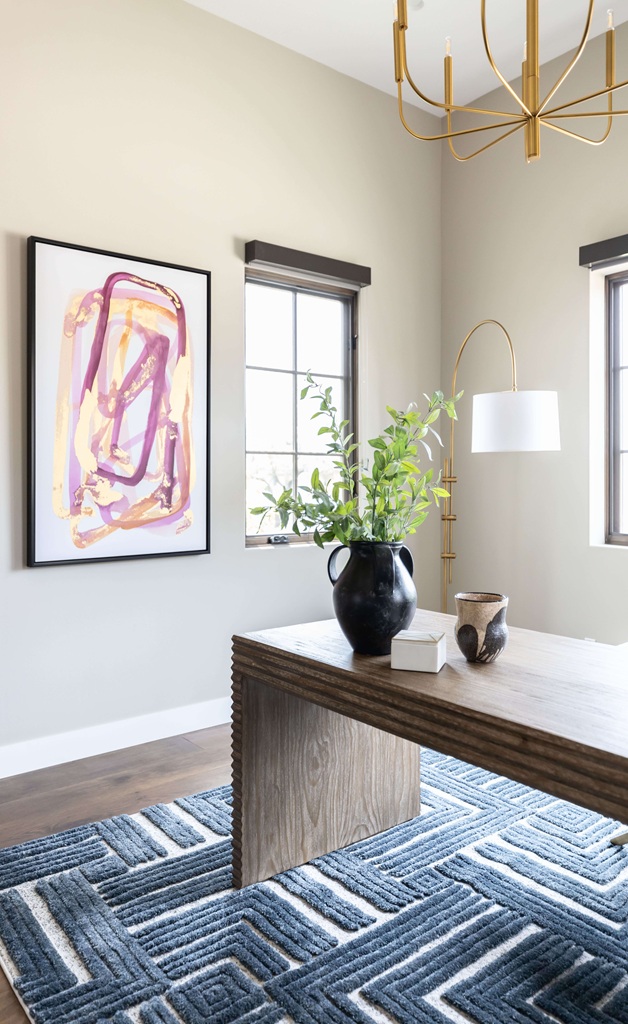
              Modern room with wooden table and black vase

              Balance and growth is green, blue is peace, orange is optimism and warmth, and purple is consciousness and imagination. Conscious application of these shades in your home decor allows you to tap their therapeutic benefit and incorporate them in your life.

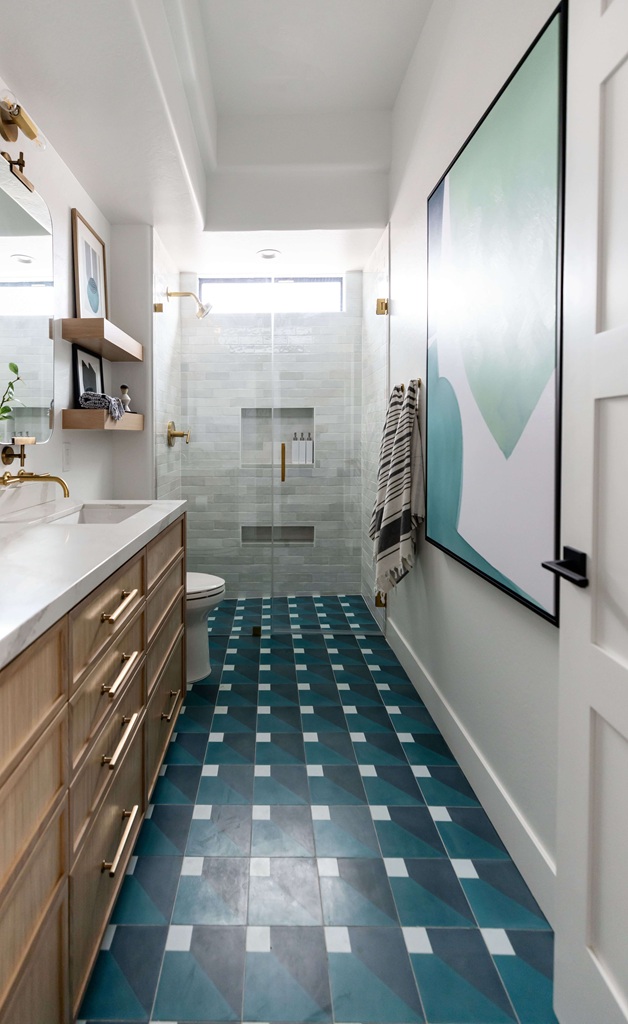
                Bathroom with patterned blue tile floor and shower

                1. Applying Green to Balance and Harmonize

                Green is nature and harmony, soothing to the mind and stress reducer. Bring the green into your space by painting walls pale hues of sage or moss to introduce stability into the room. Or, introduce a burst of green in the form of houseplants such as ferns, succulents, or even a showy fiddle-leaf fig. Whatever its form, be it a stylish emerald-colored sofa or simple green cushions, these introduce a touch of calm and restorative atmosphere.

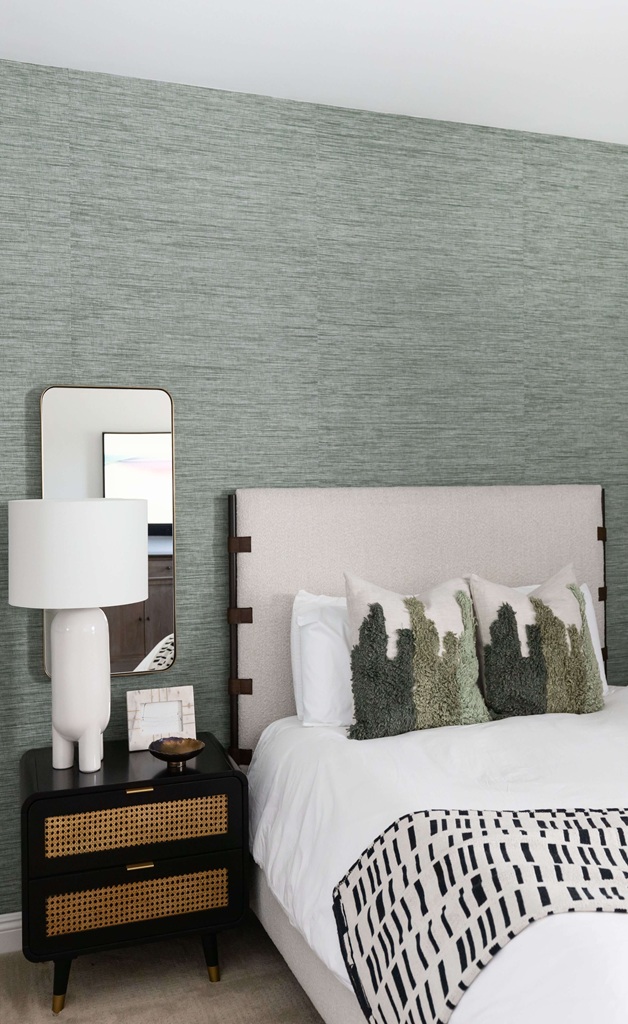
                Bedroom with green wall and black nightstand

                2. Using Blue for Serenity and Peace 

                Blue, the most commonly used color in relation to peace, is the ideal color to employ when designing serene settings. Bedrooms are the ideal room to add blue as a color because blue helps us to calm down and sleep better. Light blue walls with a touch of navy blue will be able to create the calm sleeping oasis you need. In the bathroom, add blue tiles or accessories to attract the sense of peace you would get by the pool. The result is a peace-filled, calming oasis in your own home.

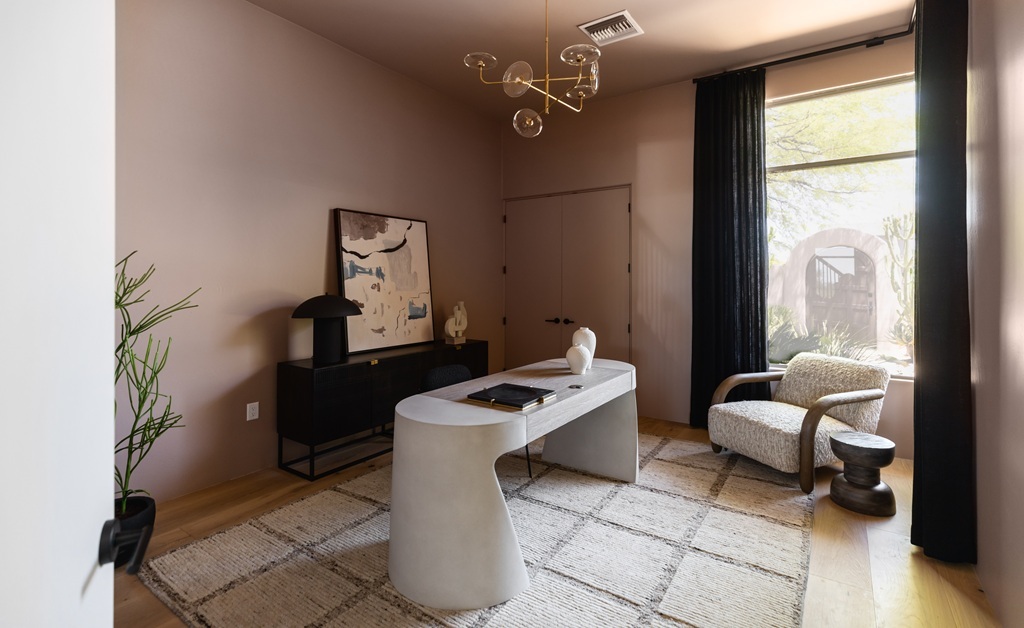
                Modern office with curved desk and armchair

                3. The Energy of Orange for Positivity 

                If you must energize and animate your living areas, orange is your color. Orange, as bright as it is overwhelming in quantity, as an accent, provides a sense of welcoming warmth to the shared spaces of the house, such as a living room or dining room. Introduce orange to the bedroom via items such as throw pillows, rugs, or artwork. Even an orange chair becomes the focal point that spreads the message of happiness across the room.


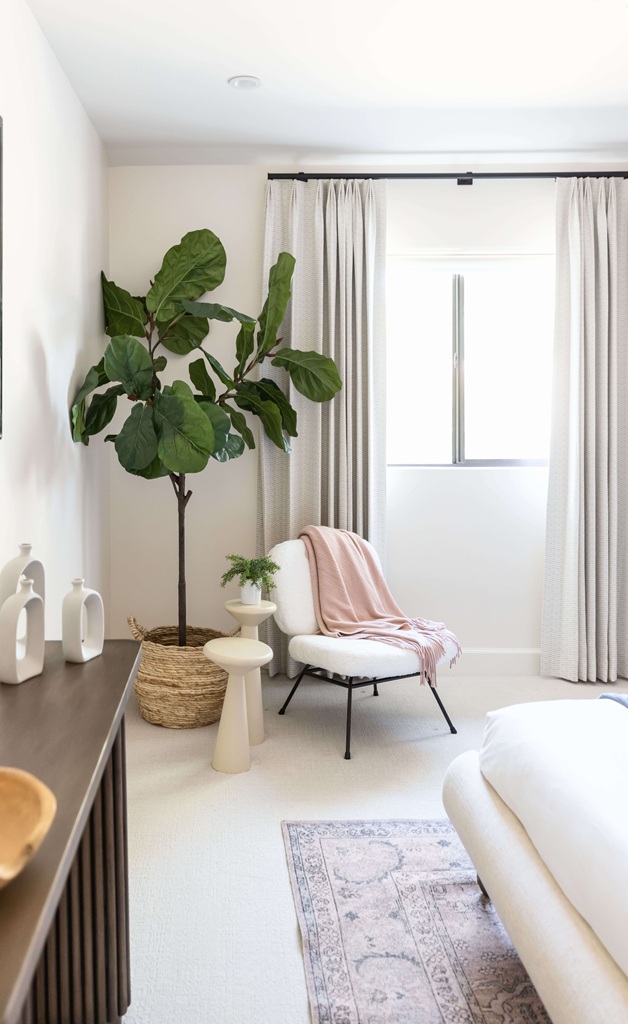
                Bright bedroom corner with plant and chair

                4. Including Purple for Awareness and Creativity 

                Purple, previously associated with decadence and mysticism, enhances awareness and creativity. It is to be included in bedrooms that are intended for relaxation or inspiration. In meditation spaces, utilize the application of purple-colored pillowcases or tapestries to help achieve focus and contemplation. Similarly, creativity spaces are enhanced when the application of lavender or plum colors is integrated through furniture, curtains, or paints. 


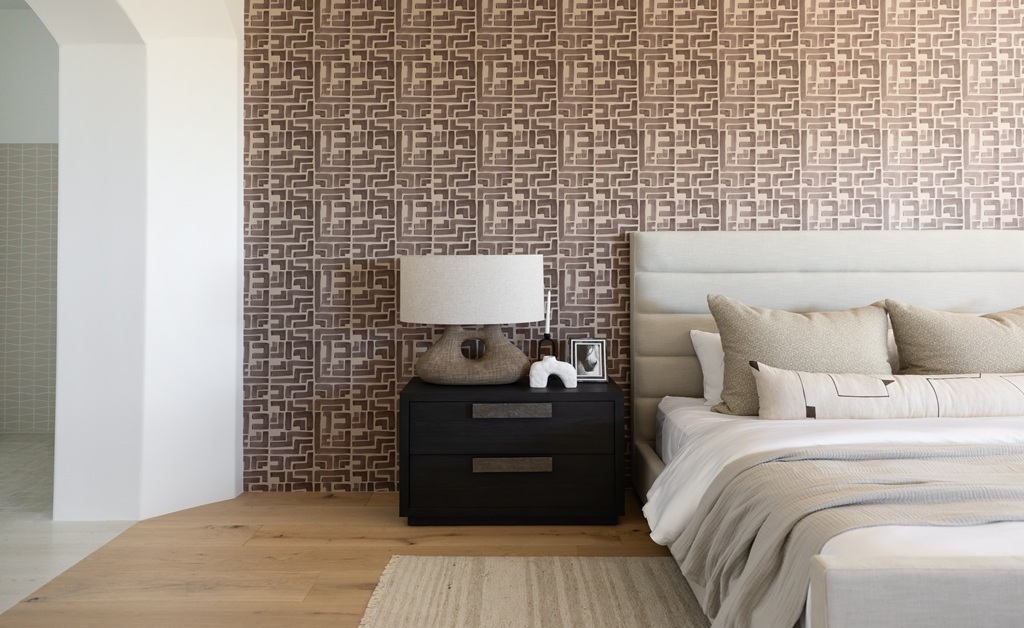
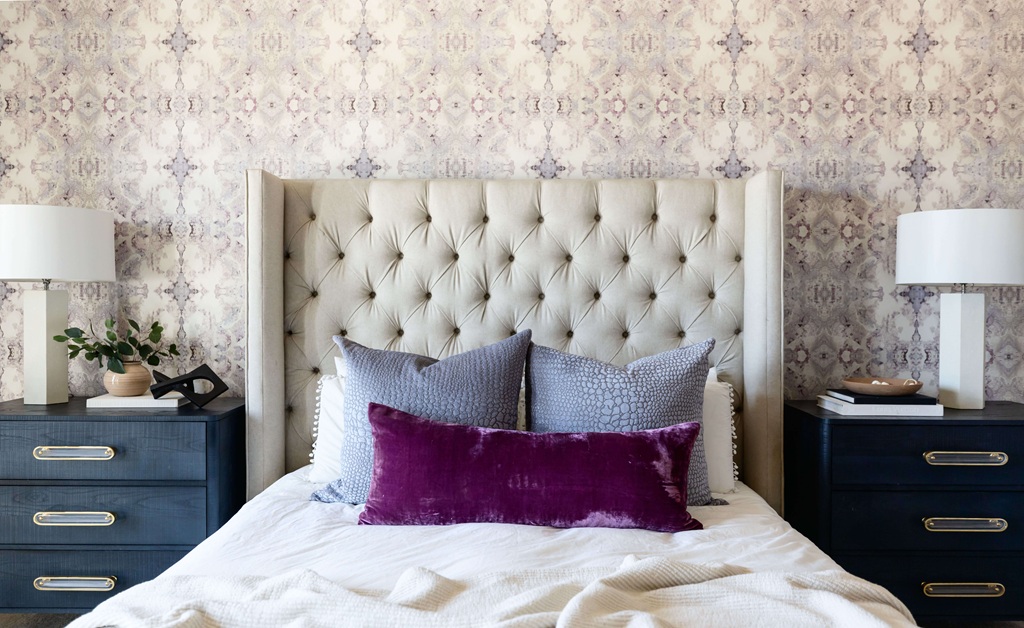
                Modern bedroom with patterned wallpaper

                What color represents mental health awareness? Purple often stands out for its connection to focus and imagination. The beauty of purple lies in that it yields energy and calm depending on the usage.


                Cozy bedroom with textured wall and plant

                Bring Meaning into Your House with Purposeful Colors

                Mental well-being is a core part of our general health, and the world outside and within your home can contribute significantly towards the development of a healthy mentality. Using colors for mental health awareness, you can develop the home environment that can bring harmony, peace, and creativity. Play around with colors and learn how they may not only make your home better but your life as well.

                Explore More: Interior Design & Mental Health: 5 Ways Home Can Boost Happiness


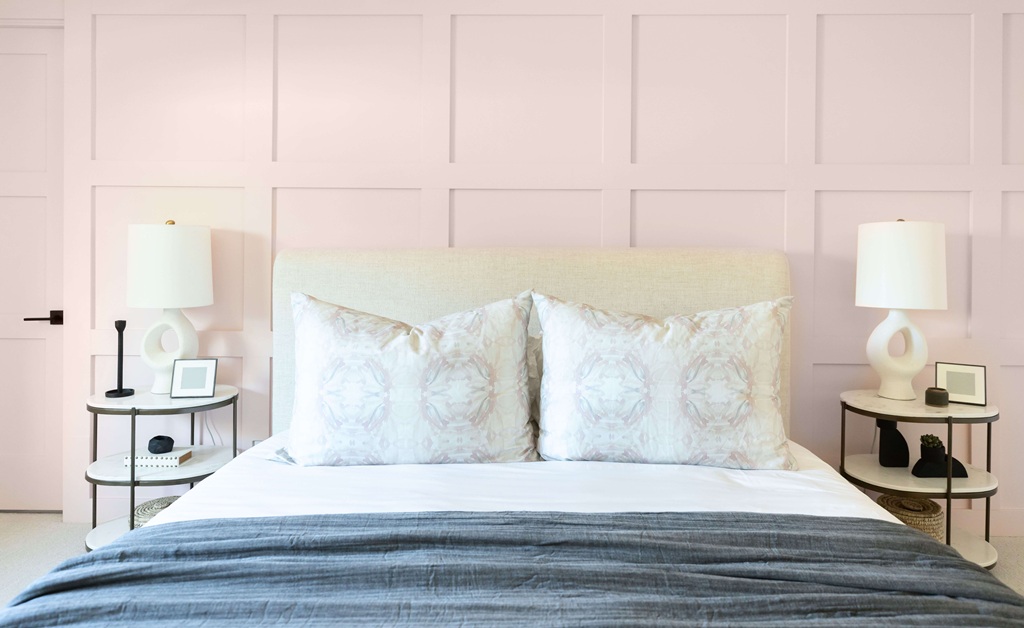
                Elegant bedroom with tufted headboard

                What is the Most Expensive Part of a Bathroom Remodel?​

                What is the Most Expensive Part of a Bathroom Remodel?​


                Bathroom renovation is one of the most powerful renovation projects that you can perform to your home. Not only will it refresh your room in appearance, but also provide you with more functionality and increase the value of your house. Renovation of the bathroom, though, can soon get expensive and homeowners are left thinking ‘what is the most expensive part of a bathroom remodel?’ To assist you in planning, we will analyze the most prominent factors influencing the cost of bathroom remodeling and take you through steps on how to maximize your returns.

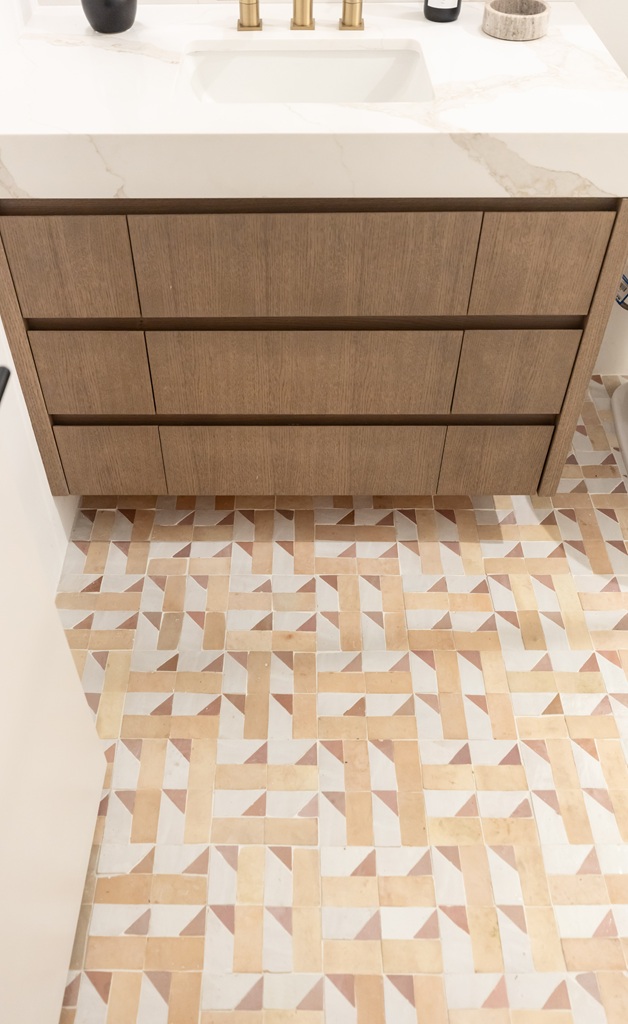
                 Bathroom floor with geometric tile pattern

                Labor Costs in Bathroom Remodeling 

                One of the biggest expenses in a bathroom remodel is labor. Hiring professionals such as plumbers, electricians, or tiling experts can significantly impact your budget. On average, labor comprises 40% to 60% of the total remodeling cost. For instance, hiring a licensed plumber to relocate pipes or install new fixtures can cost $50 to $150 per hour, depending on your location and the complexity of the job. 

                Home DIY repairs will be marked as cost-effective, but at its own cost. Plumbing or electrical errors become even more expensive in the long run. A seasoned contractor might be pricier upfront, but gets everything done correctly to code and will last centuries. Seeking out the best bathroom remodel contractors in Scottsdale or similar trusted professionals in your area can save you time, money, and headaches. 

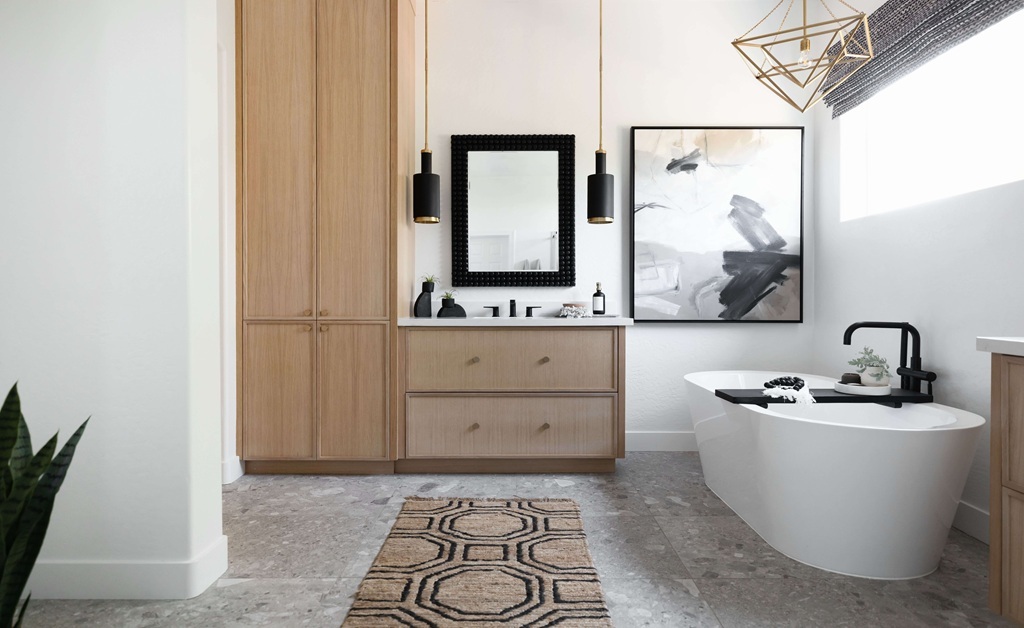
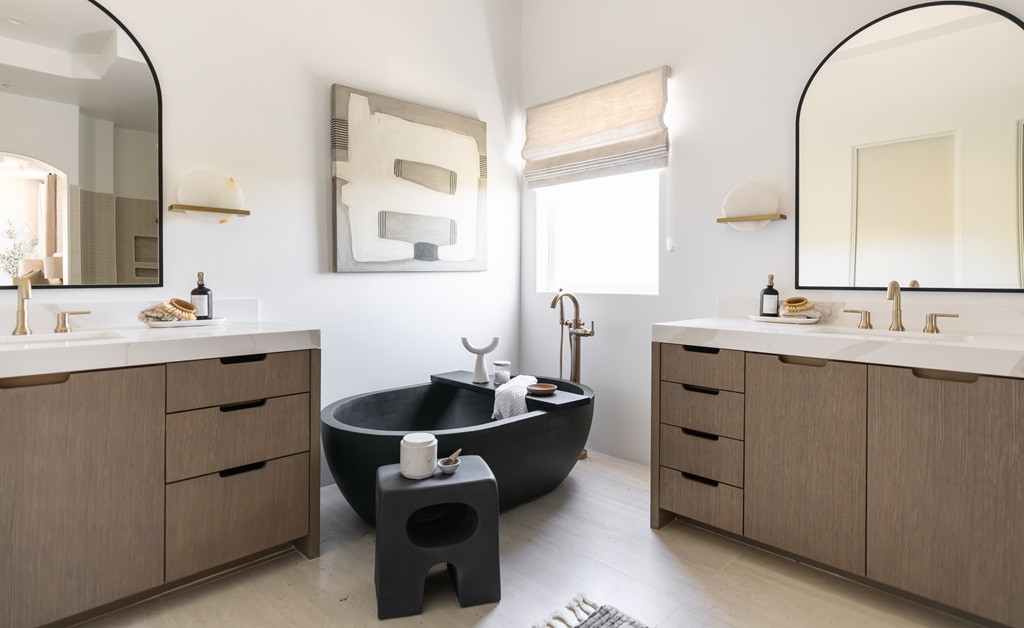
                  Modern bathroom with black tub and wooden vanities

                  The Cost of Materials: Decisions Matter 

                  The items you choose for your bathroom renovation vary wildly in cost. Tiles, for example, range from $1 a square foot for simple ceramic to $20 or more for imported marble. Vanities, countertops, and cabinets similarly have vastly differing prices. The factory-made versions you can find at big chains are very low-priced, whereas custom versions will set you back more. 

                  Even smaller details like faucet finishes, shower heads, and mirrors can heavily influence expenses. Opting for high-end materials may offer a sophisticated look, but balancing luxury with durability is essential if you’re mindful of bathroom remodel expenses. 

                  Black freestanding tub with modern decor

                  Structural Changes Can Elevate Costs 

                  Structural modification is another aspect that may increase remodeling expenses by leaps and bounds. Several processes like relocating plumbing lines, wall tear-outs, or ceiling relocation require larger amounts of effort and labor. Like relocating a toilet or shower, which could require high-grade plumbing work. And keep in mind additional labor fees on top of permit fees and potential delays in case there does turn out to be some kind of underlying issue along the way. 

                  Before making any major structural changes, seek the expertise of professionals to determine the best route for your home and avoid expensive mistakes. Consulting bathroom remodel designers will help you create a more efficient and cost-effective plan. 

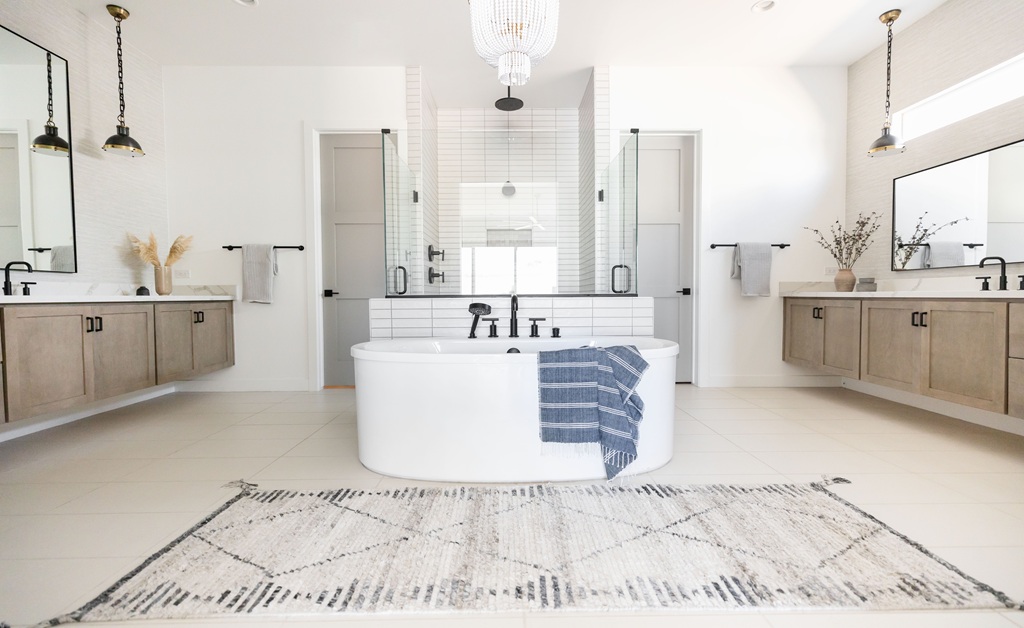
                  Modern white bathroom with central bathtub

                  Fixtures and Appliances: Standard vs. Luxury 

                  Fixtures and appliances are priced differently depending on whether you want standard or upgraded versions. Economy versions of the toilet will range from $100 to $300, with the more expensive versions featuring built-in bidets or heat costing over $1,000. Bathtubs are also different in price, with a basic acrylic model costing $500 and a freestanding soaker tub over $3,000. 

                  Showers, faucets, lighting, and the like come with a price plan. As much as such luxuries as rain shower heads and high-end vanity lighting bring spa living to the forefront, so do these luxuries drive up the price. Affordability can be a matter of simplicity without compromise. How expensive is a bathroom remodel? The good news is that working with remodeling contractors allows you to set a budget and create a bathroom you love without exceeding it. 


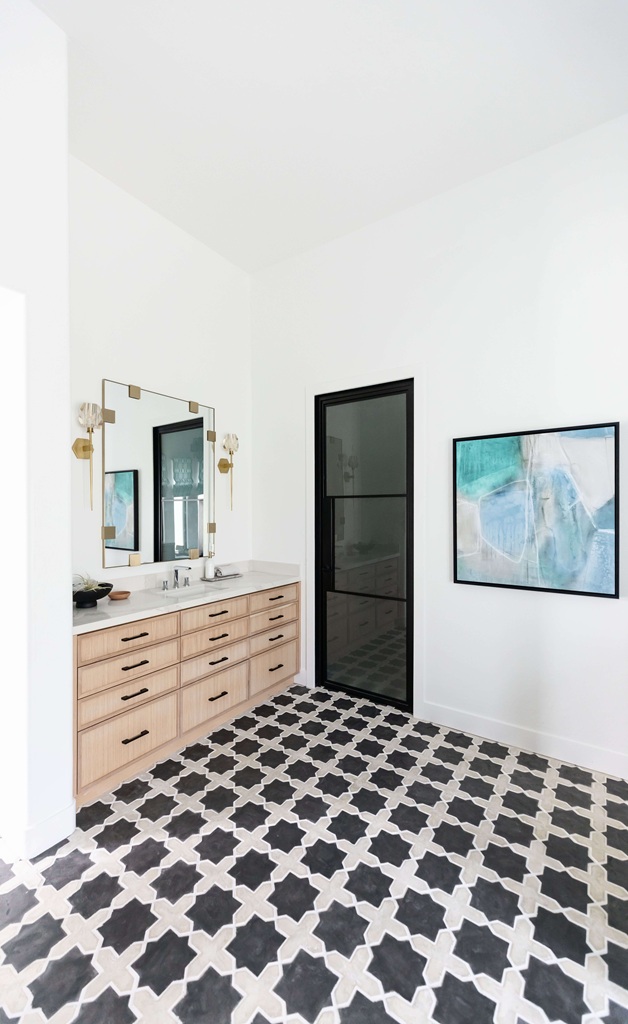
                  Bathroom with patterned black and white tile floor

                  Making the Most of Your Budget 

                  Interior designers and general contractors are great friends to know when attempting to receive maximum value for your bathroom remodeling budget. Contractors give honest estimates, supervise employees, and keep the work at local code. Interior designers add space-planning expertise and materials knowledge to produce a spa-like appearance for a budget. 

                  The most costly aspect of a bathroom renovation will generally be based on the details of your project. Labor, materials, structural work, and fixtures are all factors. To make sound money choices, consider your objectives and consult with the professionals. Ultimately, spending money on quality materials and labor will have your bathroom serving your purposes and looking lovely for years to come.

                  Learn More: Master Bathroom Remodel Ideas on a Budget

                  Top Transitional Style Bedroom Decorating Ideas

                  Top Transitional Style Bedroom Decorating Ideas


                  A bedroom has to be an oasis, a peaceful, snuggly, and functional sanctuary. But decorating it is to find the compromise between timeless class and up-to-date modernity: a challenge for many. That is where transitional interior design is here for you: an integration of ancient playfulness and contemporary simplicity, resulting in a harmonic, eclectic look. And these are the steps on how to translate this smart, no-frills strategy to your bedroom.

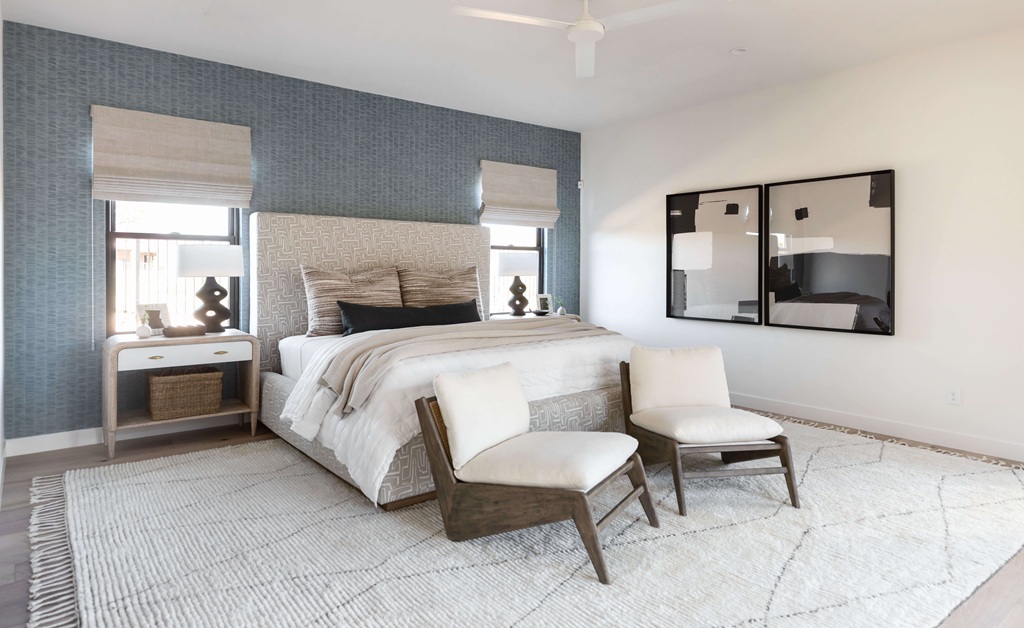
                   Modern bedroom with blue accent wall

                  The Understanding of Transitional Style 

                  Transitional style bedroom design is really a contrast. It combines the classic timelessness of older decor with the clean, bare look of modern design. What’s the result? An elegant space that’s both new and familiar, the best of both worlds merged. It’s a way of looking at the past without leaving it behind.

                    Choosing the Right Color Scheme 

                    The beginning of a transitional bedroom design is a neutral color scheme. Soothing beige, gray, ivory, and taupe create a soothing background. But where alchemy comes in is adding soft splashes of color to add personality to the room. Try adding muted colors such as dusty blues or sage greens with accent pillows, throws, or artwork. The aim is balance—keep the foundation out of sight so that your accent colors can take center stage.

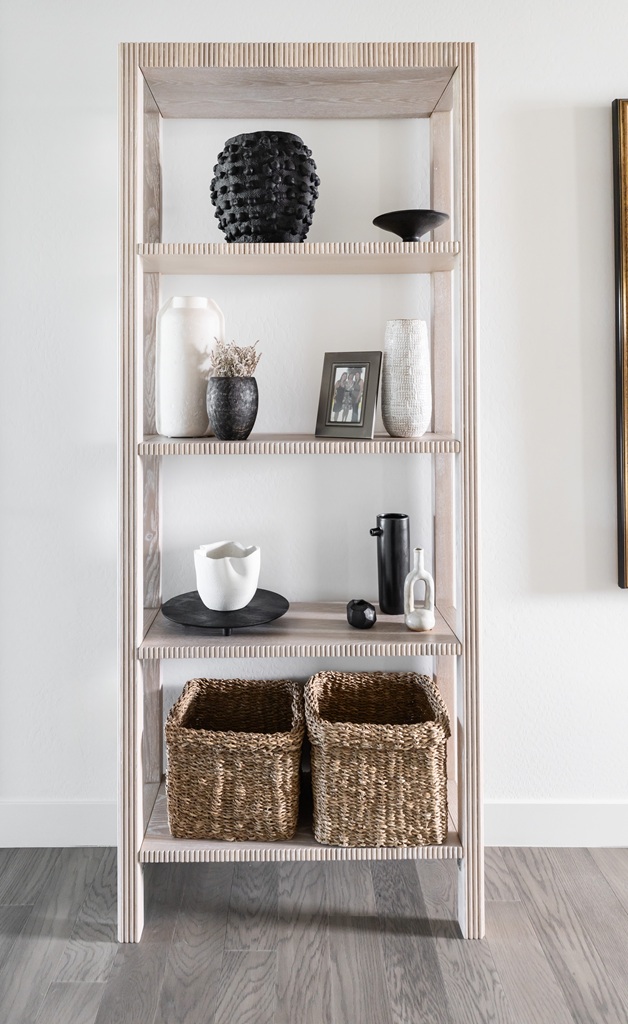
                     Wooden shelf with vases and wicker baskets

                    Furniture That Strikes a Balance

                    In selecting the furniture for a transitional bedroom decor, the principle is to maintain clean lines and add a touch of softness. Utilize stylish elements like an upholstered headboard with little decoration or a wooden bed frame with traditional nightstands as complementary accessories. Avoid using the tendency of adding too ornate or very modern pieces. Use pieces with a classic appearance but an additional splash of modern design so that the overall look becomes harmonious and subtle.

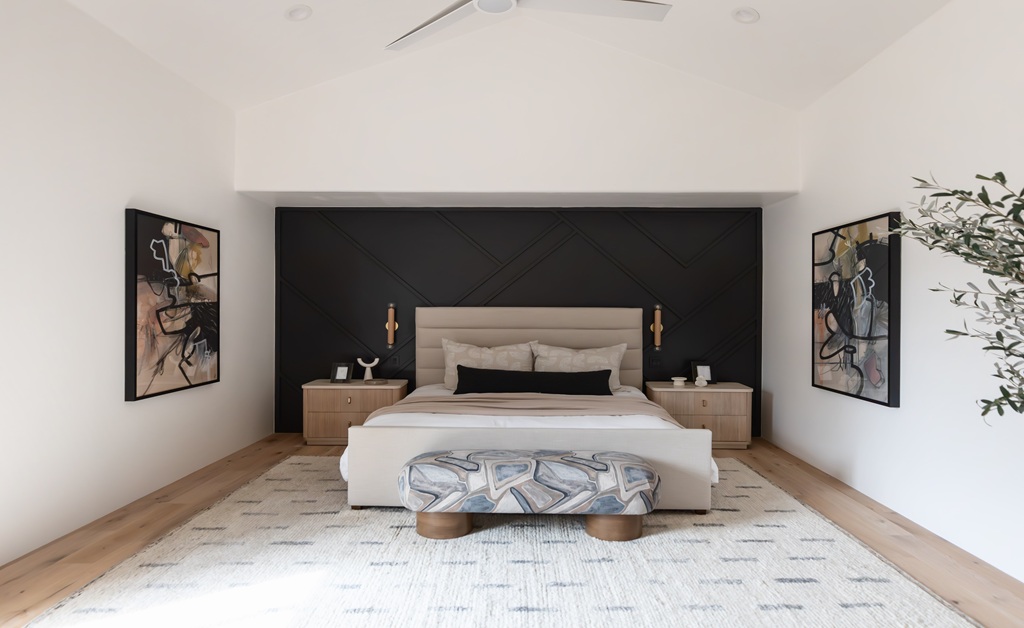
                     Modern bedroom with black accent wall

                    Layering Textiles and Patterns

                    Transitional bedroom design ideas encourage layering textiles and patterns to add warmth without overloading the room. Start with plain bedding in solid colors or subtle patterns, and layer with throws or blankets in heavier textures such as knit or faux fur. Add rugs with low-profile patterns and drapes in soft, flowing linens to add personality. Patterns need to be used wisely—geometric patterns or subdued florals can be a shot of interest without risking upsetting the calming decor. The aim is to make the room as full and three-dimensional as possible without unease.


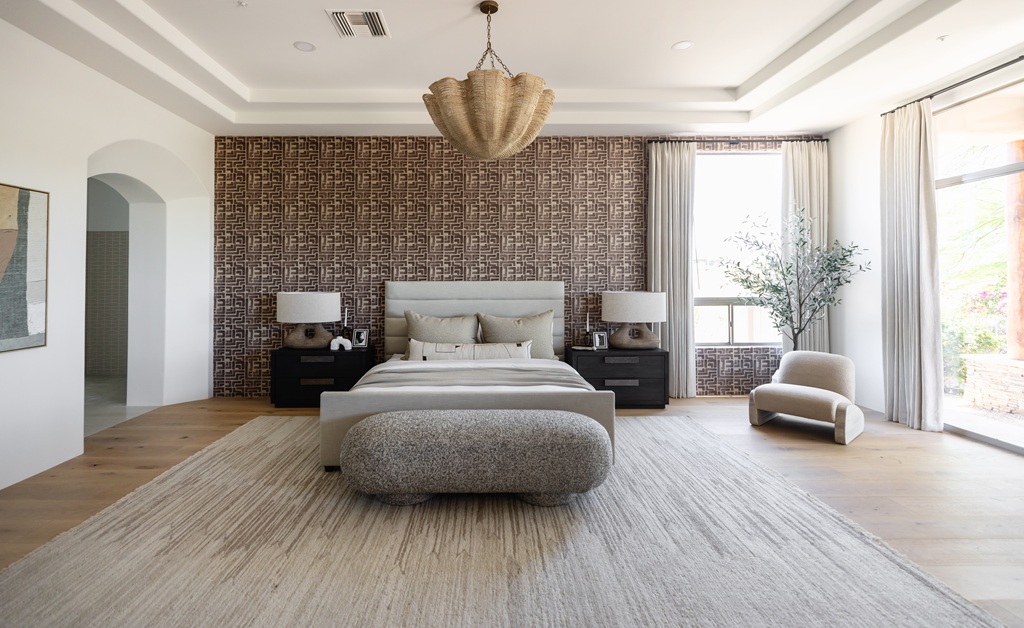
                     Elegant bedroom with textured wallpaper

                    The Role of Lighting

                    Lighting will either make or break any room, and with transitional bedroom decorating ideas, lighting is especially crucial in setting the mood. 

                    Balance the artificial light with the natural light. Maximize daylight with sheer curtains, and warm and ambient light with table lamps or wall sconces to achieve the feeling of cohesiveness and warmth in the evening. Choose unique, personalized fixtures like a contemporary chandelier or minimalist bedside lights to tie together the traditional and modern aspects.

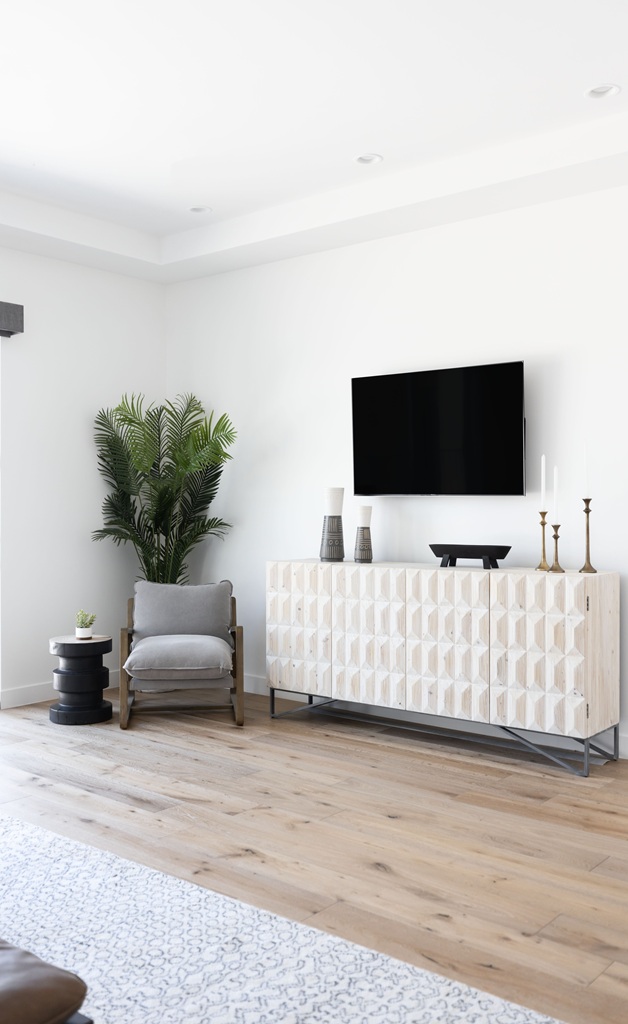
                     Modern TV area with white sideboard

                    Accessorizing with Your Personal Touch 

                    Accessories are where you can let your personality shine through in the design. You can introduce a mix of older items, like antique vases or framed photographs, alongside newer, modern things like minimalist sculpture or metallic accents. Don’t clutter the room by simply introducing objects that aren’t important to you. Thoughtfully selected decor objects will be conversation points as well as help in the design without causing any issues.

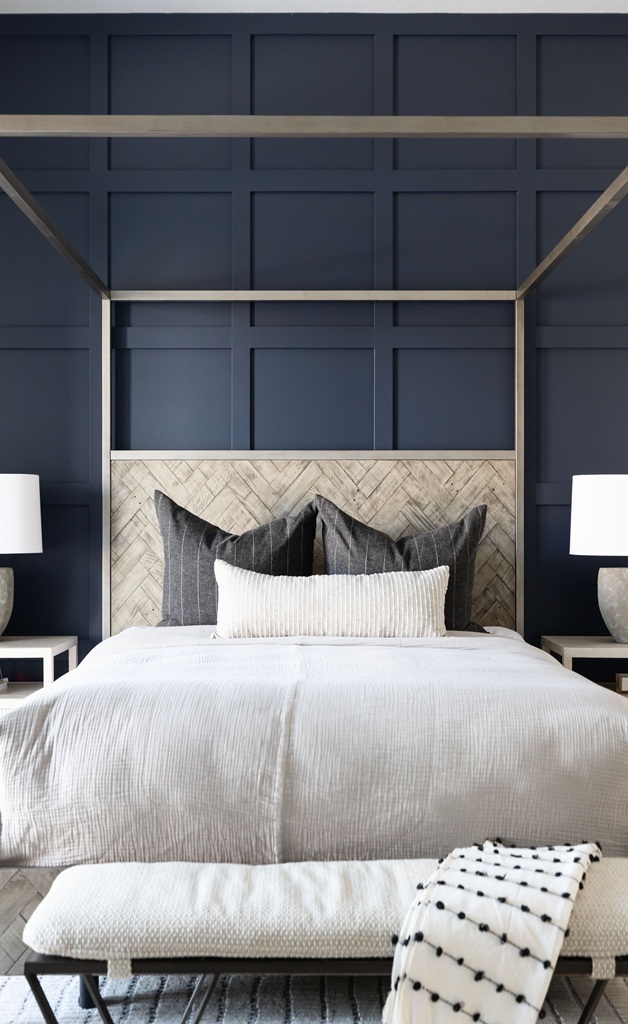
                     Cozy bed with navy accent wall

                    Restore Equilibrium to Your Bedroom 

                    A transitional style bedroom isn’t a trend; it’s a lasting philosophy of style that unites sophistication and adaptability. With layers of accented texture, a mix of old and new, and soft neutrals, you can create a timeless yet unique sanctuary in your very own house. Start with your best ideas, and observe how your bedroom becomes the perfect blend of tradition and modernity.

                    Discover More: How to Design Your Dream Bedroom