Living With Lolo Facebook Book a Free Consultation
Sleep Better with These 8 Interior Design Improvements Tips

Sleep Better with These 8 Interior Design Improvements Tips


For most of us, sadly, good sleep is but a dream. But what if bedroom design was the secret to more peaceful nights and more energetic mornings? Having your bedroom designed by a creative designer can convert your bedroom into a sleep haven. Eight easy tips here will lead you through the process of developing a bedroom that will make you sleep in style.
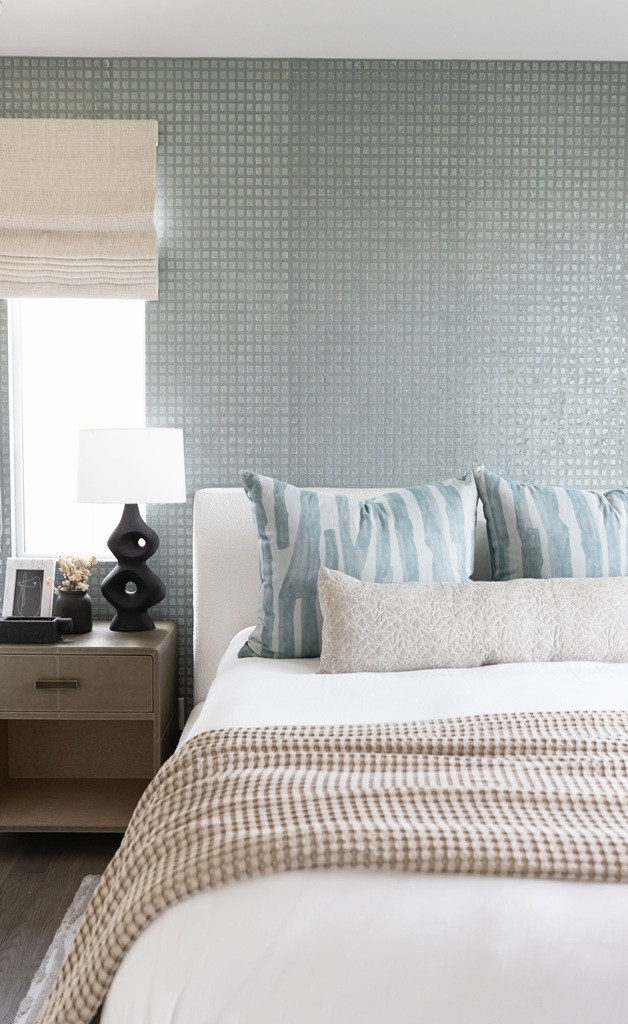
 Cozy bedroom with patterned pillows and textured wall

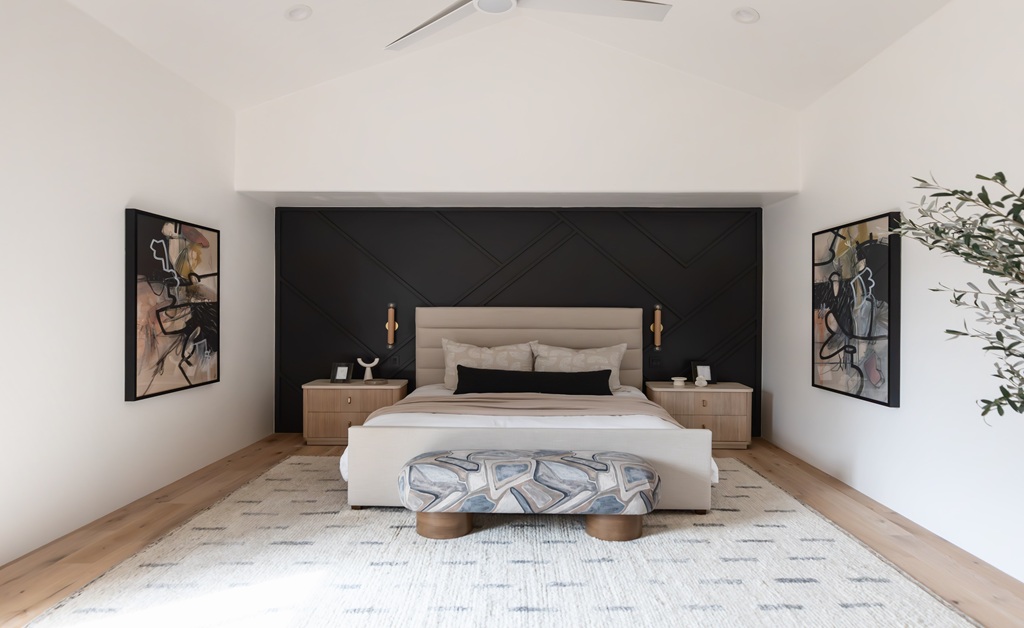
1. Optimize Your Bedroom for Darkness 

Light pollution is one of the big sleep interrupters. Darkness and silence in the bedroom can go a very, very long way in helping your sleep and bringing on sleep. Blackout blinds or curtains to block out outside light and low, dimmable lights to help make your bedroom cozy might be welcome features. Removing electronics like televisions and phones from the bedroom also will reduce your exposure to light so that your brain will switch off more readily. If you’re searching for help with sleeping room interior design​, this is a great place to start.

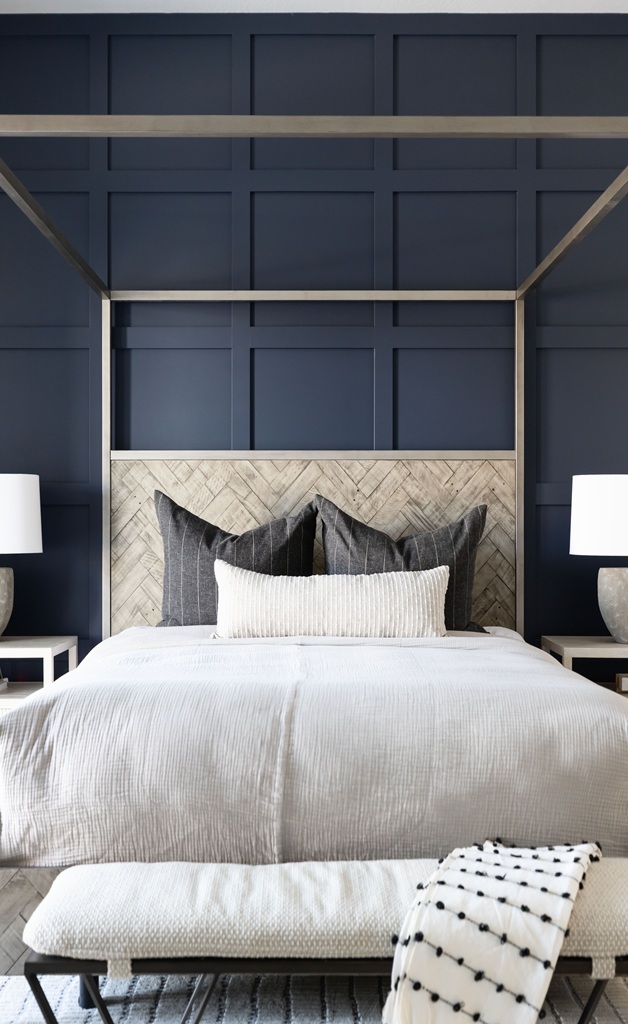
     Modern bedroom with blue paneled wall and canopy bed

    2. Invest in a Good Mattress 

    Your mattress is a basic part of your sleeping quality. A good firm mattress that will adapt to your sleeping style—firm, soft, or medium—will reduce pain and allow you to sleep throughout the night. Examine your mattress from time to time for wear and tear and change it every 7-10 years. Combine good pillows and light bedding with your mattress, and your sleeping environment is complete. To design a sleeping room​ that prioritizes comfort, your mattress choice is key.

     Neutral bedroom with patterned accent wall

    3. Choose Soothing Colors for Your Walls 

    The colors of your bedroom walls influence your mood and energy level psychologically. Use soothing colors like pale blue, lavender, or beige to create the mood for a relaxing getaway. These foster a peaceful ambiance and tell your mind to unwind. Refrain from using bright and bold colors that tend to over-stimulate your senses and clash with the calming environment for sleeping. Whether you’re considering the best sleeping room design ideas or just repainting, soft tones are essential.

    4. Declutter Your Space 

    A messy bedroom also equals a messy mind, and that little bit extra makes relaxing even harder. Being in an environment where the bedroom is tidy and free from clutter, with pretty much nothing in it, makes being in a state of orderliness and peace very easy. Utilize creative storage spaces, such as space-saving shelves or drawers under your bed, to keep your necessities nearby but not directly in your line of sight. A tidy space provides a sleep-friendly atmosphere that invites sleeping. For more sleeping room design ideas​, focus on storage solutions that maintain a clean and calm environment.
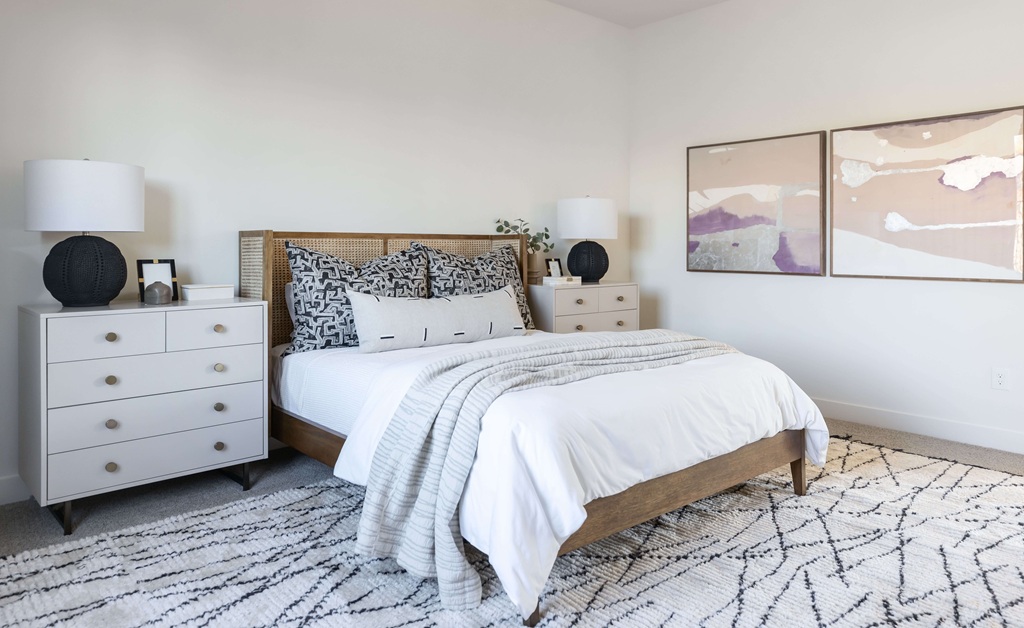
     

     Light bedroom with wood bed and black lamps

    5. Add Natural Elements 

    Nature also possesses the great ability to relax and calm us, even when indoors. Adding plants like houseplants or wood furniture in the bedroom gives some feeling of outside in your bedroom. Certain plants, for example, are not only beautiful, but also purify the air, making your bedroom cleaner and more calming to sleep in. If you’re looking for inspiration, searching for an ‘interior decorator near me in Phoenix’ can help incorporate natural elements into your room.

    6. Control Noise Levels 

    Sound disrupts a good night’s sleep and leaves you feeling agitated and irritable. Reduce the amount of disturbance by inserting soundproofing where possible, or by using white noise machines to provide background noise cover. Simple additions such as heavier curtains or carpets to utilize as a sound barrier can turn your bedroom into a silent sleeping sanctuary. Incorporating soundproofing techniques is a must for any sleeping room design.
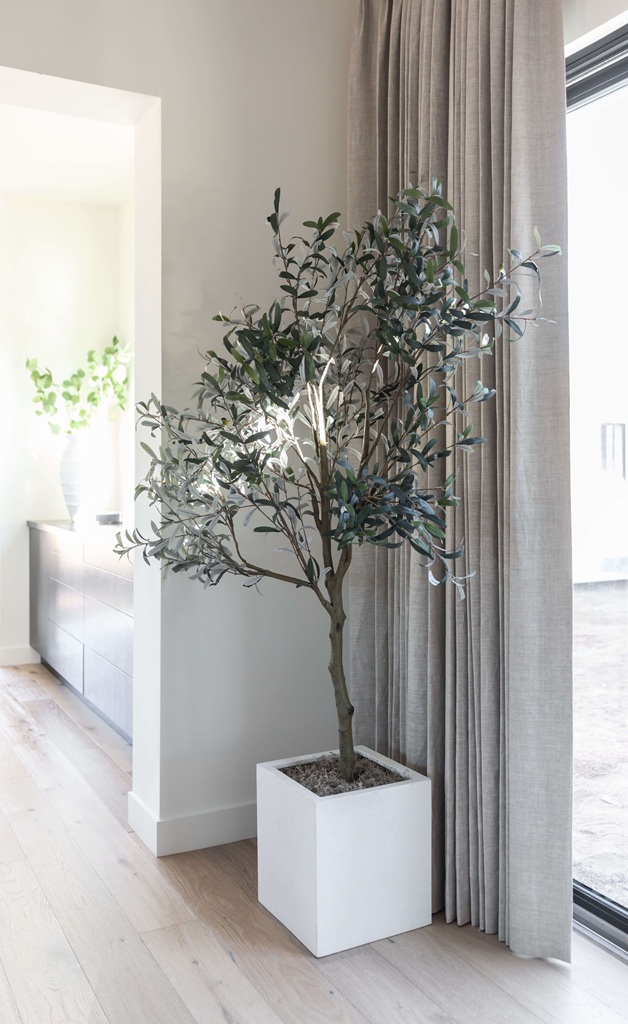
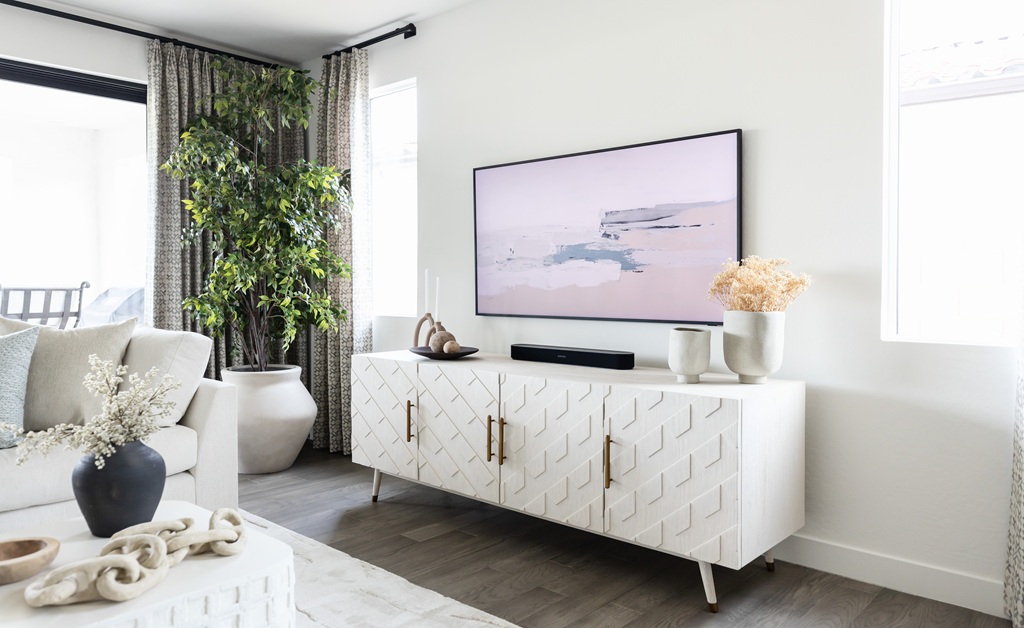
     Indoor potted tree by large window

    7. Control Temperature for Better Sleep 

    Temperature has a direct influence on your sleep. Sleep professionals recommend a chilly 60-67°F (15-19°C) bedroom to sleep optimally. Keep cool with breathable bedding to avoid overheating. Include a fan or smart thermostat for highly controlled air. No matter the season, being cool enough helps us fall asleep and sleep through the night. Cooling features are often included in the best sleeping room design plans.

    8. Make Your Area Comfortable by Personalizing It 

    Lastly, but not least, your bedroom should be yours. Add your own touches like meaningful artwork, blankets, or signature scents in an attempt to render the bedroom a cozy and calming space. Having a bedroom of your own personality will find you looking forward to going to it at night to sleep and be less stressed when preparing for bed. Personal touches are vital for sleeping room design ideas​ that truly feel like home.

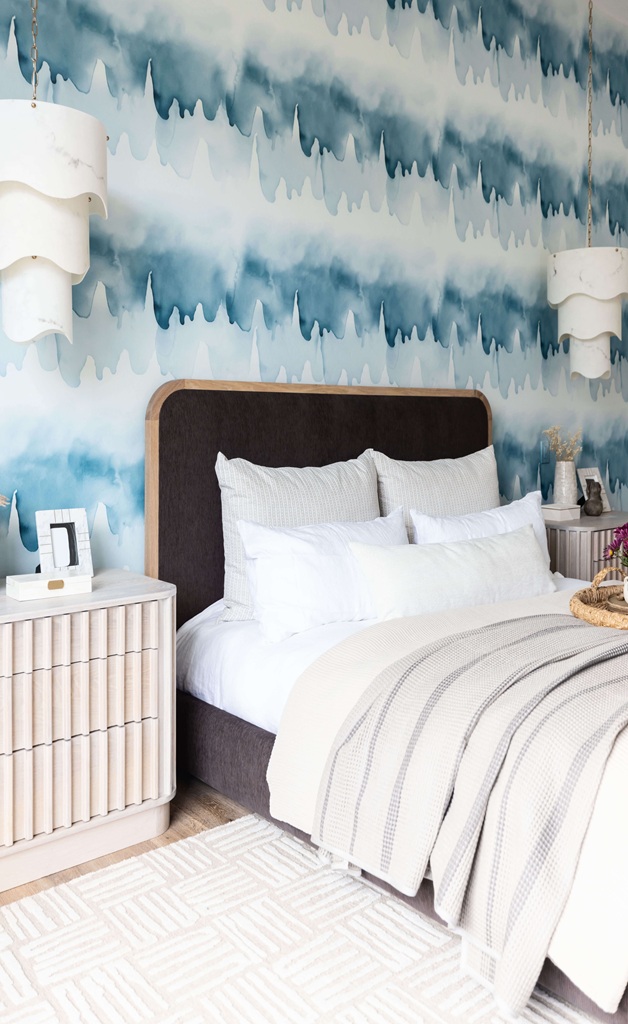
     Bedroom with blue wave accent wall

    Start Sleeping Better Today 

    Prioritizing intentional interior design isn’t just a matter of taste—it’s a matter of leaving space for healthier sleep and overall health. From controlling light exposure to bridging indoors and outdoors, these practices are a sleep miracle worker. Experiment with one or more of the tips above and watch your sleep transform. Sweet dreams!

    Discover More: New Home Interior Design | Top Tips – Living With Lolo

    How Does Interior Design Affect Mood?

    How Does Interior Design Affect Mood?


    Did you realize that how your interior looks has an impact on your mood? From the wall colors to furniture placement, everything your design is doing impacts your state of mind when you are at home. How does interior design affect mood? We’re going to answer this today, and provide information on how to create a well-balanced and stimulating space.

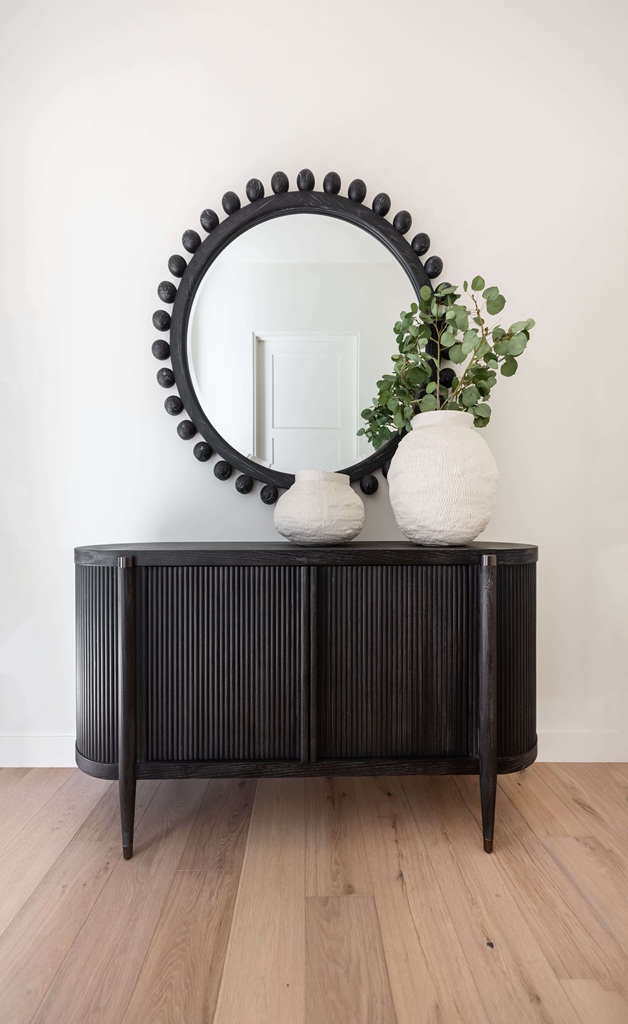
     Black console with round mirror and vases

    The Psychological Impact of Interior Design 

    Interior design is not just about looks—it’s also feeling. Studies have proven that the spaces we inhabit have a profound impact on how we feel and act. For instance, a messy space can stress and overstimulate us. Meanwhile, an open, airy space can yield serenity and concentration. Everything from interior design colors and moods to texture influences our senses and how we perceive and react to our space.

    Environmental psychologists have proposed that a well-designed environment can boost productivity, better mental health, and even closer relationships with loved ones. Whether it’s the light that comes through a strategically placed window, the sense of softness, or a sense of balance in the design of a room, mood and home interior design can induce happiness and calmness.

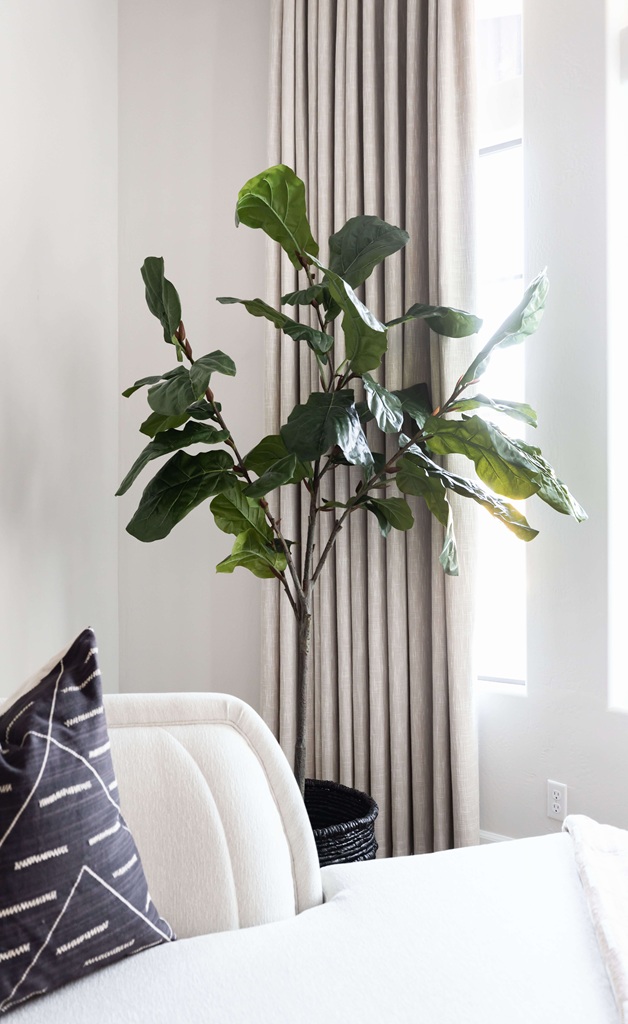
       Fiddle leaf fig tree by bedroom window

      Design Elements That Positively Impact Mood 

      Some design elements have been found to produce good moods. Color is one of them. Oranges and yellows are warm colors that stimulate and get your juices going, while greens and blues create a soothing and calming atmosphere. Another key element is natural lighting—spaces filled with much sunlight are more stimulating, alive, and more interactive. Mirrors, placed windows, and sheer drapes are low-cost but effective means of preserving light.

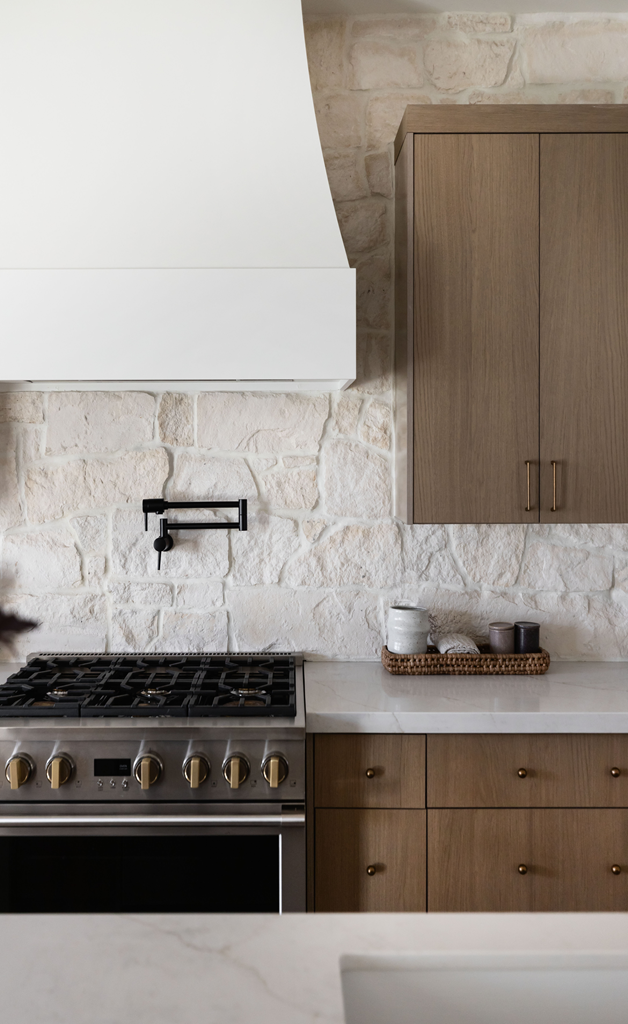
       Modern kitchen with stone backsplash

      Another mood-enhancing element is the incorporation of nature into your environment. Plants, wood and stone as natural elements, or even nature-themed paintings can be utilized to bring a sense of grounding and purity into the space. Symmetry and organization in the arrangement of furniture also create a sense of order and calm, making you feel more grounded and at ease in your own home. 

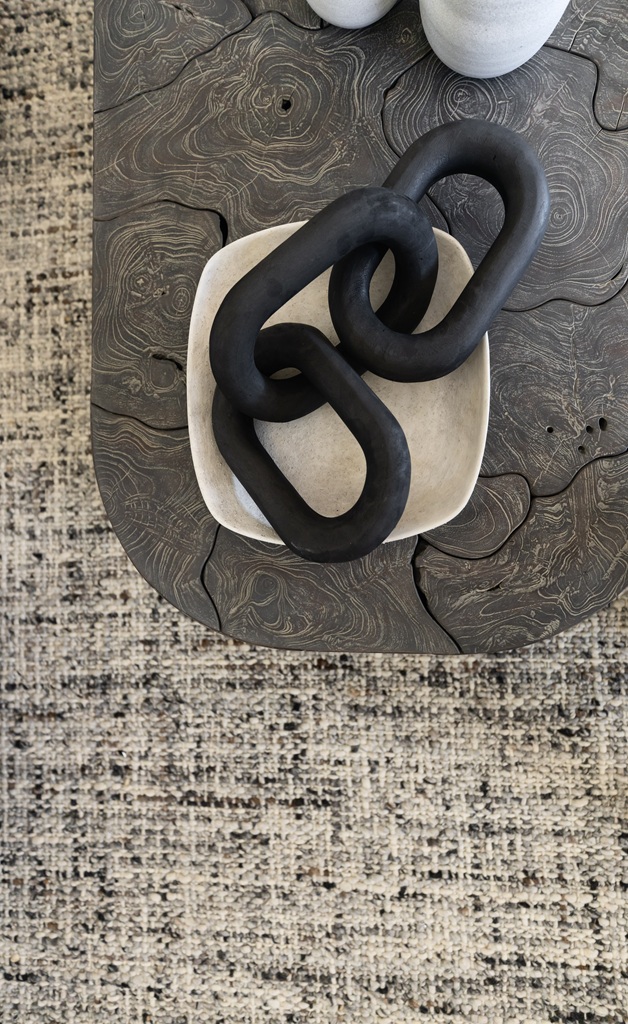
       Black chain decor on wood table

      Textures also have the ability to soothe and uplift. Velvet pillows, soft plush rugs, or a glossy wood finish give a space a sense of tactile comfort and make it welcoming. And lastly, scent counts too—adding diffusers or candles with soothing scents like lavender or vanilla adds a welcoming touch, making your home a haven.

      These simple steps can answer the question of how interior design affects mood and why certain design decisions have such a profound effect on daily life.


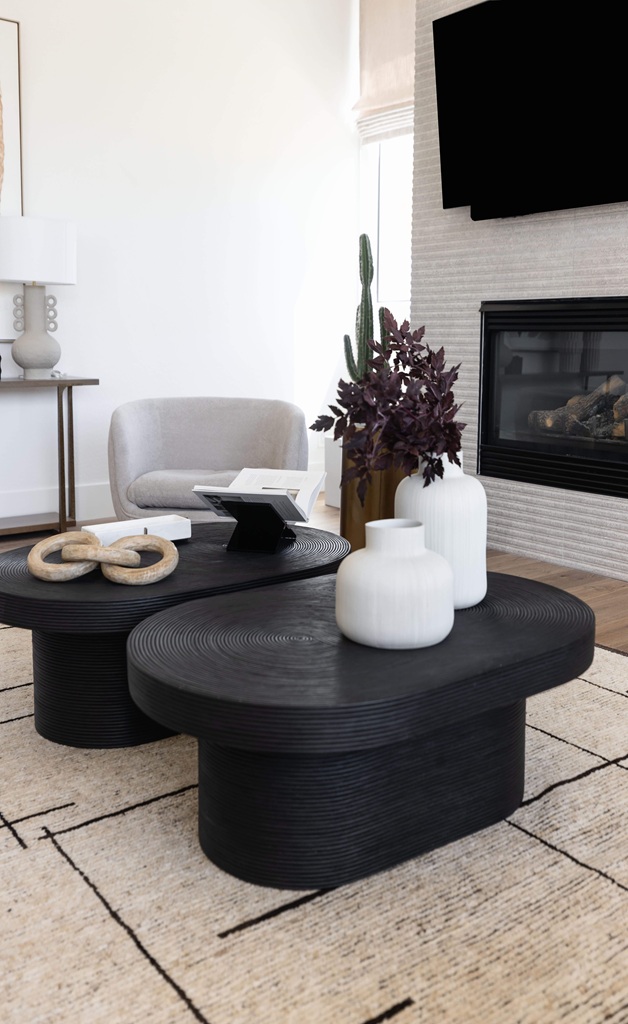
       Black coffee tables with modern decor

      Design Elements That Negatively Impact Mood 

      While some design choices will have a beneficial impact on mood, others will have a negative impact on mood unconsciously. Clutter is the most frequent perpetrator. An area crowded with too many extras can look like a madhouse and trigger a rise in the pace of stress and a fall in productivity and concentration. This also ties into how room designs affect your work and mood overall.

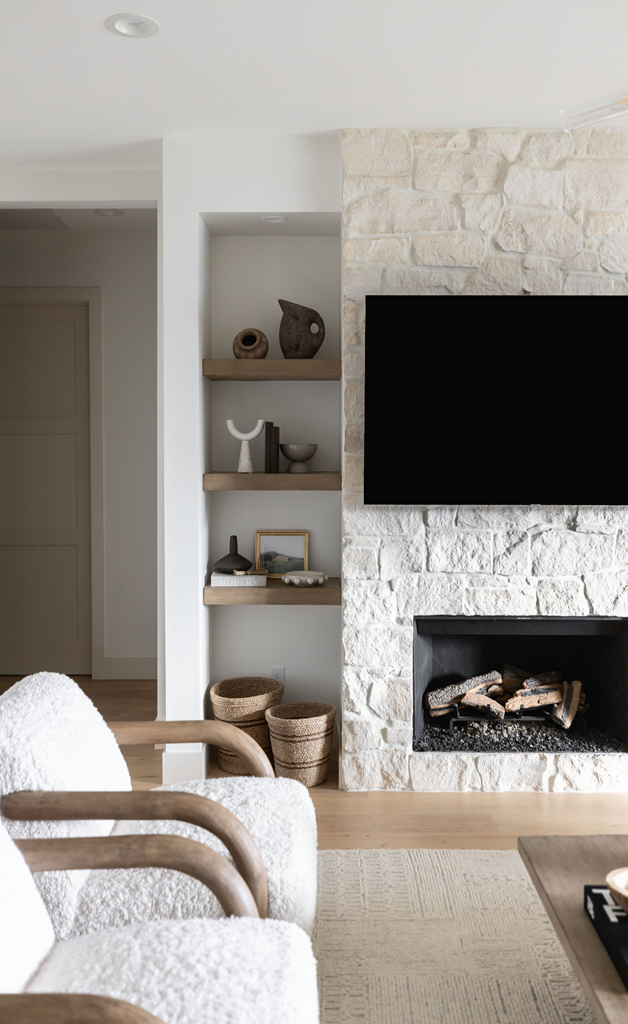
       Modern living room with stone fireplace wall

      Poor lighting is another feature that can spoil a room. Gloomy rooms are depressing and cause people to feel sad or drowsy. Furthermore, cold, bright fluorescent light is unforgiving and inhospitable, making the area less welcoming. Color errors can influence mood as well. Too busy or competing colors can be visual clutter, and too dark colors can be oppressive or claustrophobic, particularly in enclosed areas. And poorly sound-absorbing spaces or very resonant materials can be uncomfortable, particularly when someone is trying to relax.

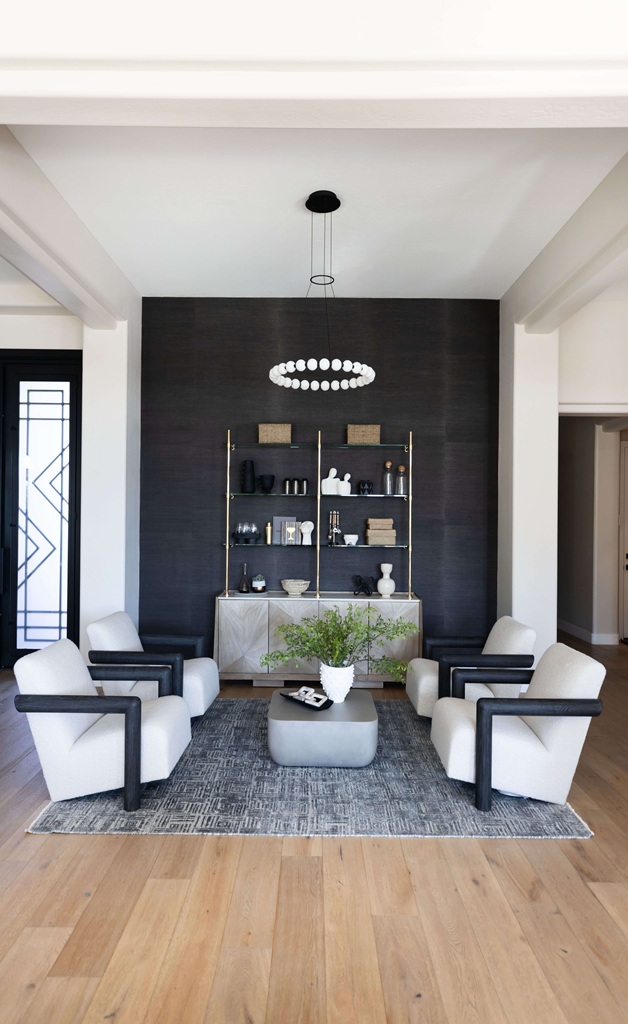
       Modern sitting area with black accent wall

      Finally, lack of attention to personal details can make your home feel clinical or isolated. As much as minimalism is a trend now, taking it to an extreme by excluding warmth and making spaces feel unpersonal and empty doesn’t work. Hiring an interior designer in Paradise Valley can help personalize your space while avoiding these common pitfalls.

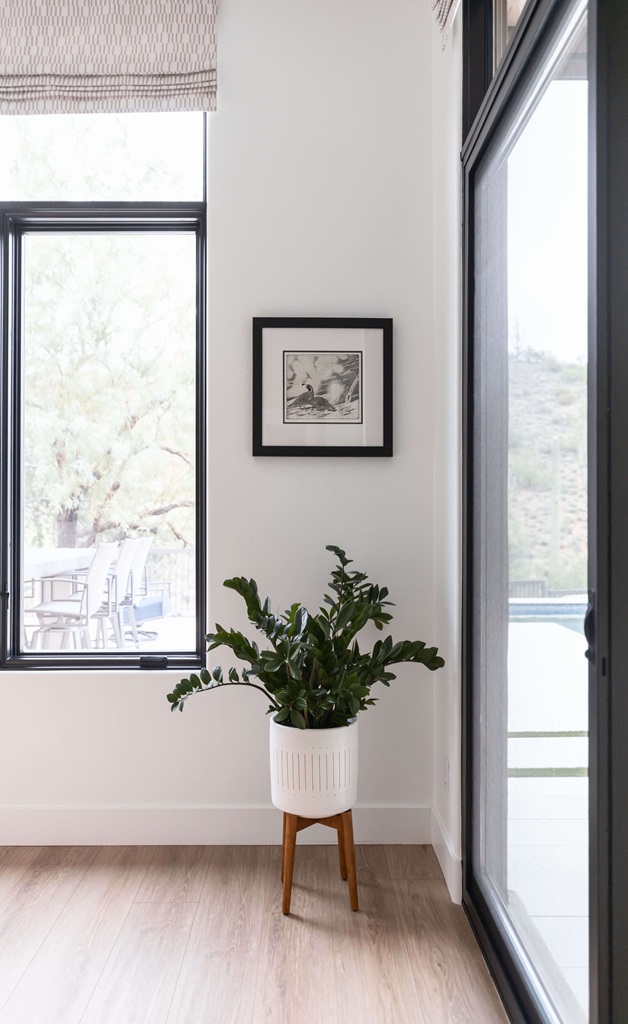
       Minimalist corner with a potted plant

      Designing for Happiness and Well-Being 

      Interior design is such a powerful method to affect our mood, it can create environments that emit optimism, comfort, and happiness. By focusing on details like light, color, and nature, and avoiding blunders like clutter and poor lighting, you can transform your home into a haven that welcomes and sustains you. Great design isn’t just a bonus for your space—it’s a bonus for your life. Ready to begin your mood-boosting makeover? Begin with small but powerful changes that respect your personality and emotional requirements.

      Read More : Unlock Stylish Living: Interior Design Ideas for Living Rooms by Living With Lolo

      7 Interior Designing Tips for Better Mental Health & Wellbeing

      7 Interior Designing Tips for Better Mental Health & Wellbeing


      Your home is also a refuge that can actually influence your mood, attitude, and overall mental well-being. Considerate mental health design does not only look beautiful; it can encourage calmness, boost productivity, and lead to greater happiness. By deliberately altering your dwelling, you can build a home that fosters your mental health. The following are seven easy things you can do to build a home that fosters peace and optimism.

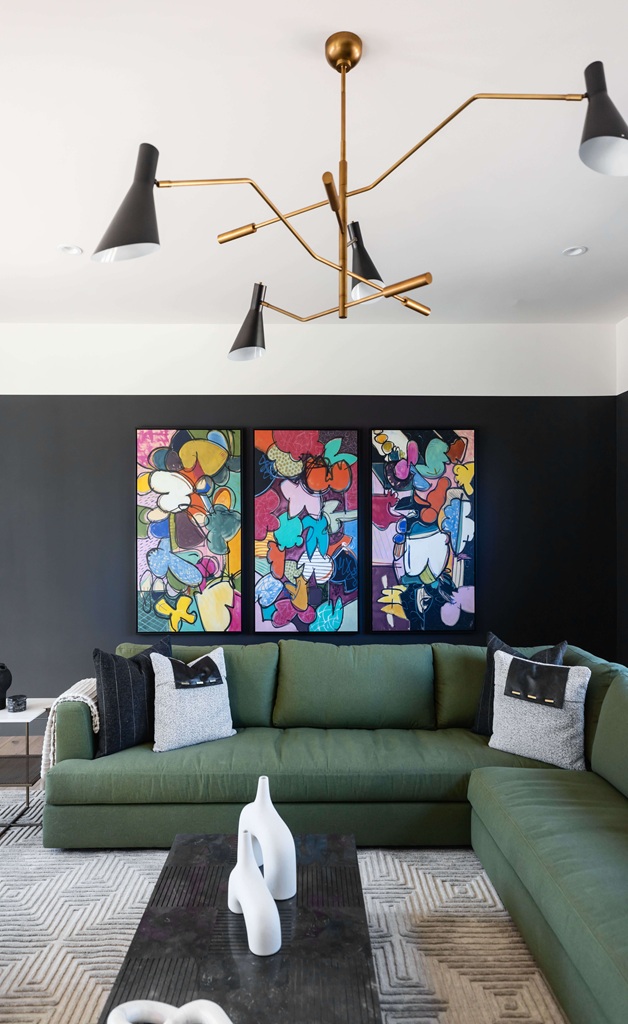
       Green sectional sofa in living room with artwork

      1. Optimize Natural Light 

      Natural light’s effect on mental health cannot be overstated. Natural light enhances mood, aids in sleep regulation, and even boosts productivity. Arrange your furniture so that light can freely enter your space, and keep windows unobstructed. If you’re stuck in a dark apartment or room, place mirrors to reflect light or light-colored curtains to get the most brightness. Let more of the sun’s access into the house during the day, and you’ll likely notice an improving difference in your mood. For those considering renovations, working with a remodeling contractor in Paradise Valley can help maximize natural light in your home.

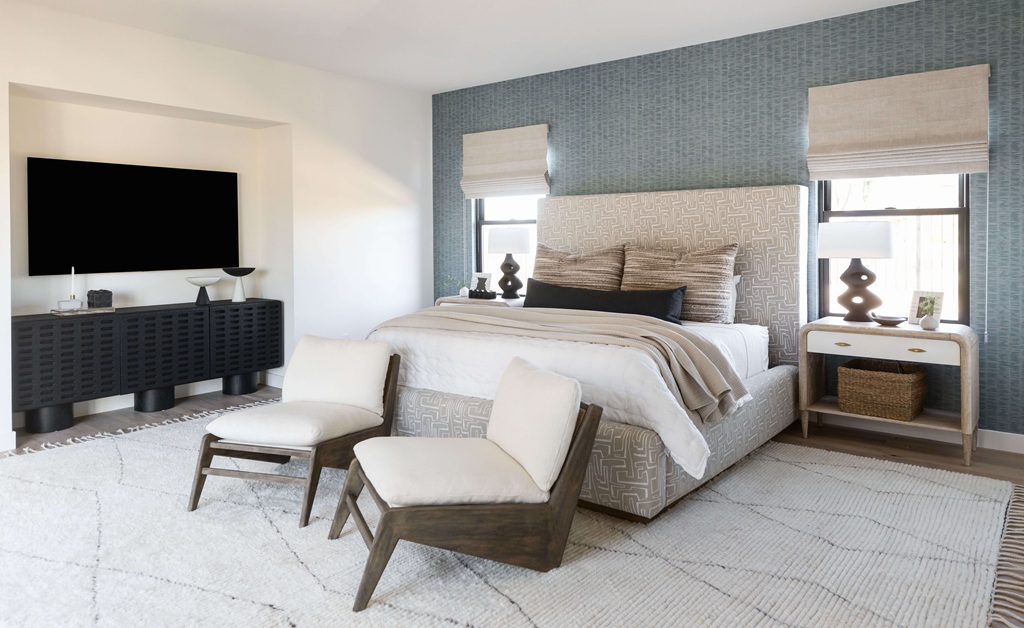
         Contemporary bedroom with patterned bed and neutral accents

        2. Bring Nature In 

        Having bits of nature inside the interior can be calming and grounding. Snake plants or succulents as houseplants can make a room feel alive and also purify the air along the way. If plants just aren’t for you, turn to natural texture on furniture and decor like wood tables, bamboo shades, or stone accents. Even artwork or photographs of nature can be peaceful. Surrounding oneself with nature-related items creates a sense of harmony with the environment, which has been found to lower stress. This approach aligns with the principles of interior design for mental health by merging the natural world with your indoor space.

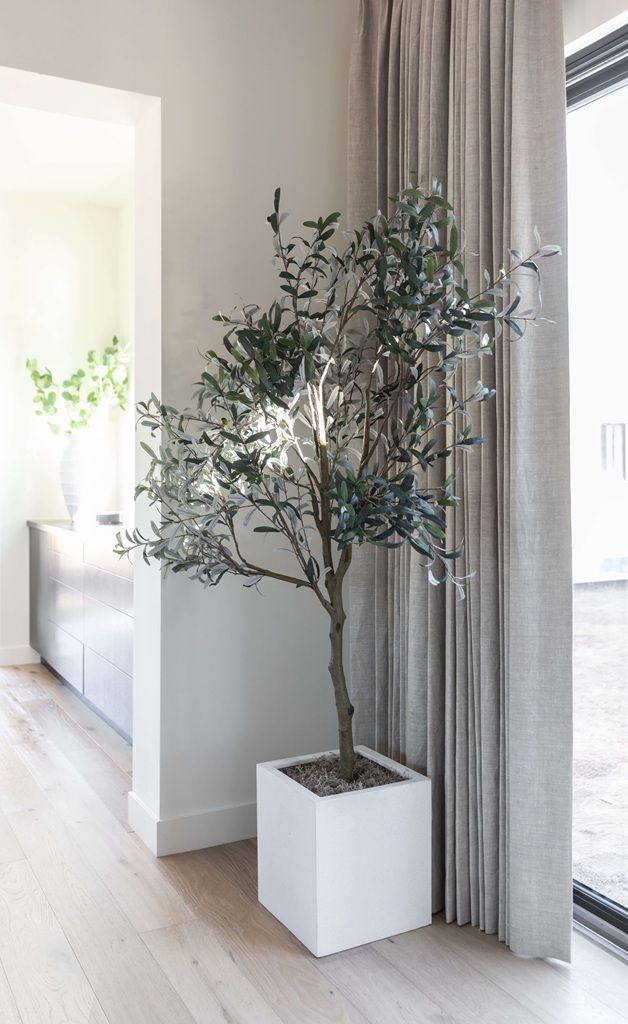
        Modern Faux tree and pot

        3. Declutter and Organize

        Clutter is a stressor as well, generating anxiety and a sense of overwhelm and inability to relax or concentrate in your own living space. Take the time to sort through the items not being used and provide utilitarian storage for the rest. Bins, baskets, or sleek shelving—giving things a home eliminates visual clutter. It’s not tidiness—it’s calm in the mind and a sense of mastery over your environment. When pursuing mental health designs, organization is foundational to creating a balanced and harmonious living area.

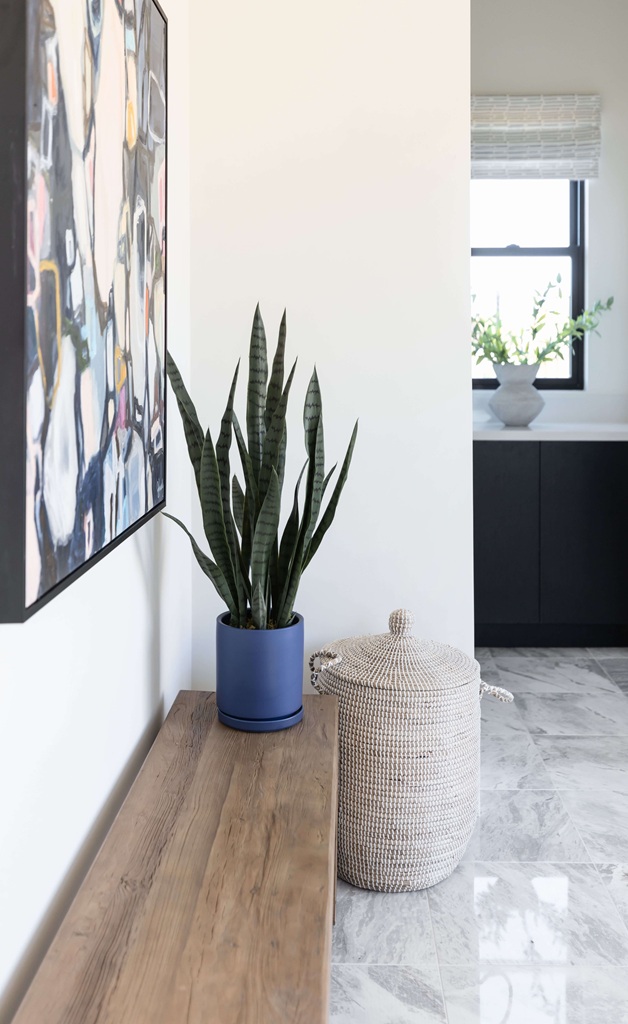
         Snake plant in blue pot on wooden bench near basket

        4. Select Soothing Colors 

        Colors are an important key in defining the mood of a room. Avoid using colors that are too bright or too dark and use softer, soothing colors like light blues, pale greens, or warm neutrals. Earthy colors, like ocean blues or forest greens, are excellent in bringing a sense of calm. If painting a whole room seems daunting, begin with small steps by introducing these colors into your space in the form of accents such as throws, cushions, or rugs, and absorb their calming influence. Thoughtful design for mental health can transform even the most chaotic spaces into serene environments.


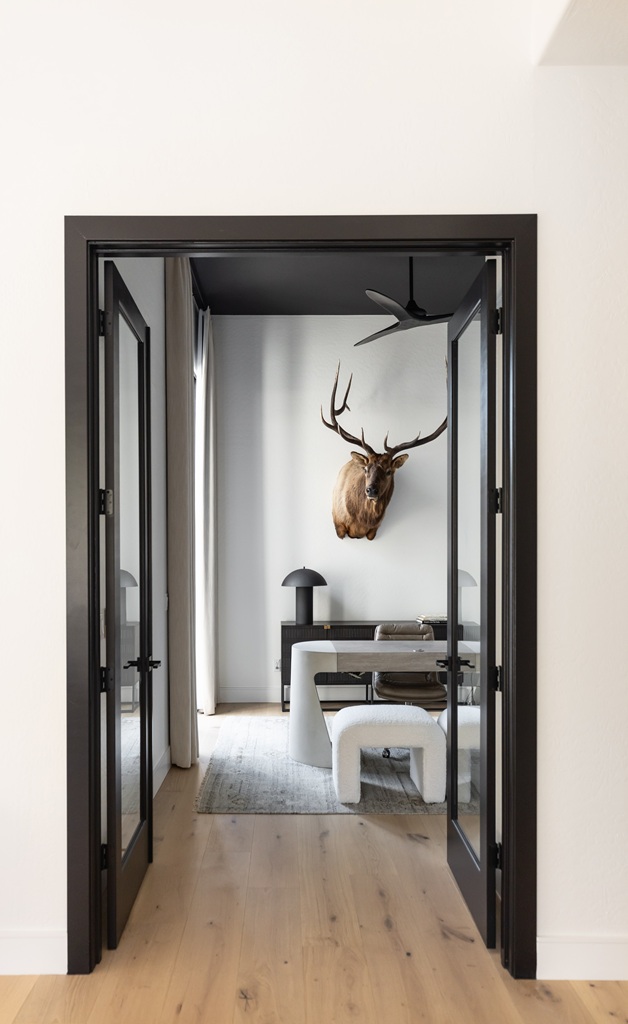
         Modern room with open black doors and elk head mount

        5. Create a Cozy Space 

        Each home requires a cozy corner, somewhere to retreat when life gets to be too much. It might be a nook for reading, your bed corner, or a section of your living room. Furnish it with cozy furniture like pillow cushions and throws, and cap it off with considerate light like a welcoming lamp. Your cozy corner is your personal oasis, bringing ease and peace of mind when things are most challenging.

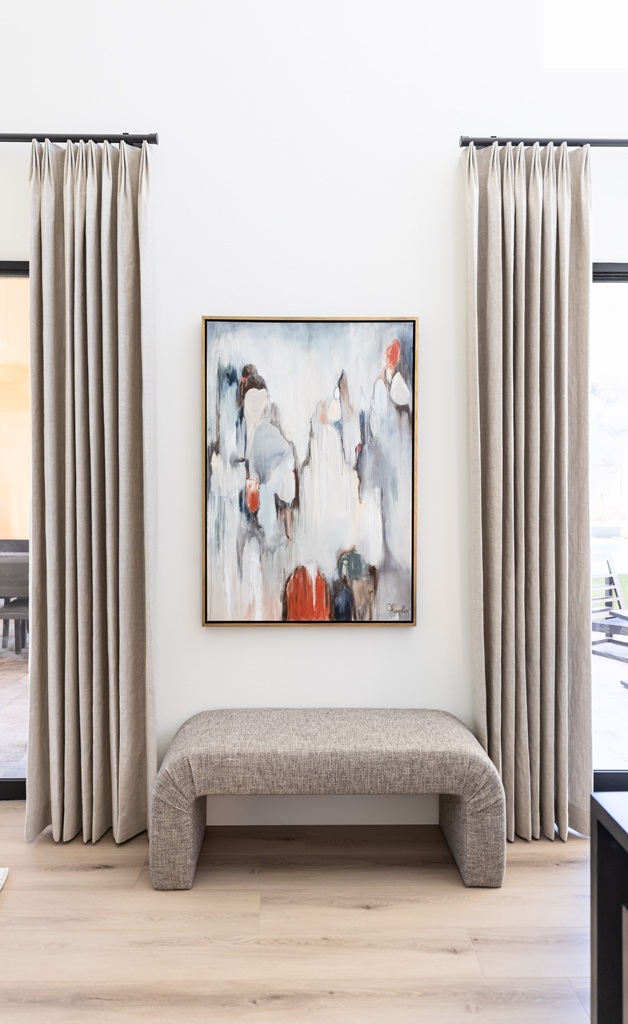
         Abstract painting between beige curtains with bench

        6. Add Personal Elements 

        Your house is an extension of you and a place you want to be. Add pieces that have special meaning, like photographs, mementos, or art. Personal elements provide warmth and comfort to your space and act as emotional anchors. Having the things in your house hold memories or stories creates a home with personality and enhances the sense of belonging.

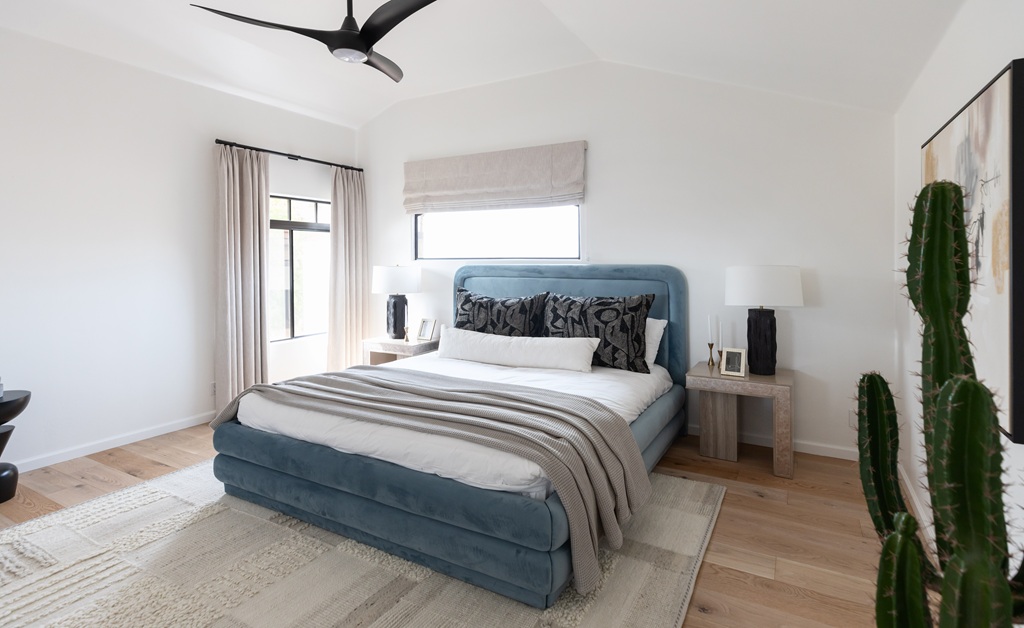
         Modern bedroom with blue bed and cactus

        7. Improve Air Quality 

        The air quality has the power to impact physical and mental health in significant ways. Good ventilation is most crucial, so open windows regularly to bring in fresh air to your dwelling. Buy an air purifier that can destroy allergens and toxins, particularly if pets, dust, or smoke are issues. Certain plants, such as spider plants or peace lilies, will even naturally purify the air. Clean, fresh air provides a refreshing environment that revitalizes you and makes you feel refreshed.

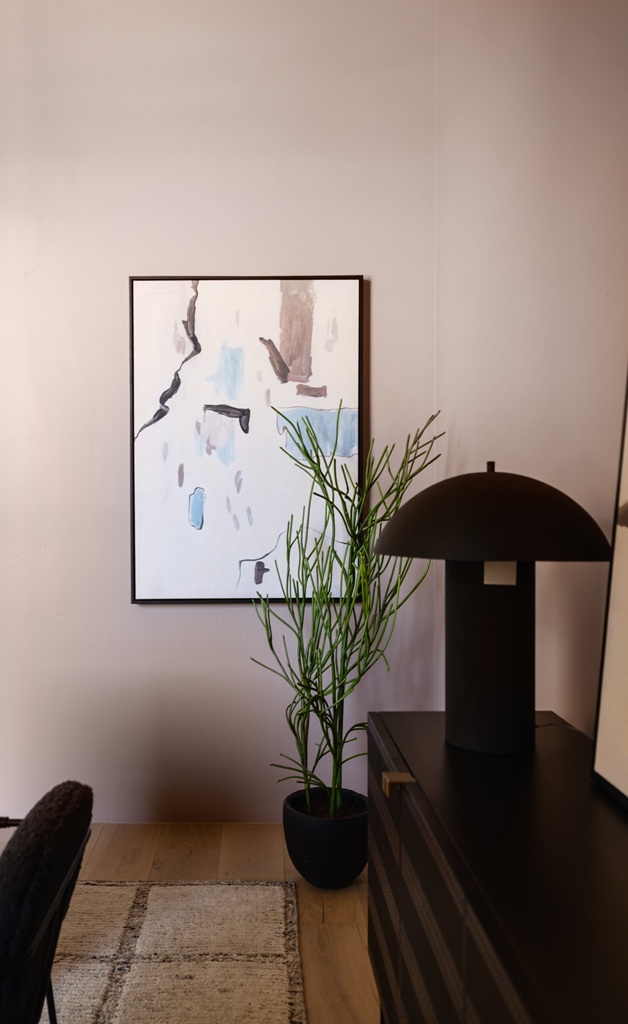
         Plant, abstract art, black lamp

        Bring Wellness Home

        With a few small but thoughtful adjustments to your interior, you can create a space in which body and mind can unwind. Whether it’s letting sunlight into your living room or creating a cozy reading nook, these thoughtful design adjustments can foster greater mental health and wellbeing. Start with one or two adjustments that speak most to you—before long, your home will be a true sanctuary of peace.

        Explore More: How to Plan a Room Layout – Interior Design Tips

        How Interior Design Improves Daily Life

        How Interior Design Improves Daily Life


        Your home is an expression of your mood and an image of your wellness. With careful planning, interior spaces can clear away stress and create a feeling of calm in the middle of the chaos of daily life. This guide explores how careful interior design choices can transform your home into a sanctuary of peace, with practical tips on the psychology of space, minimalism, nature, and personal design.

         Bright living room with modern decor

        The Psychology of Space: How Colors, Light, and Layout Influence Mood 

        Design isn’t all about style—it’s psychology. The wall paint color, the light that streams in, and the space layout can influence a great deal of your mood in the space. Calming, muted colors like pastels or terra-cotta hues will soothe you, and clashing, discordant colors will overstimulate the mind. 

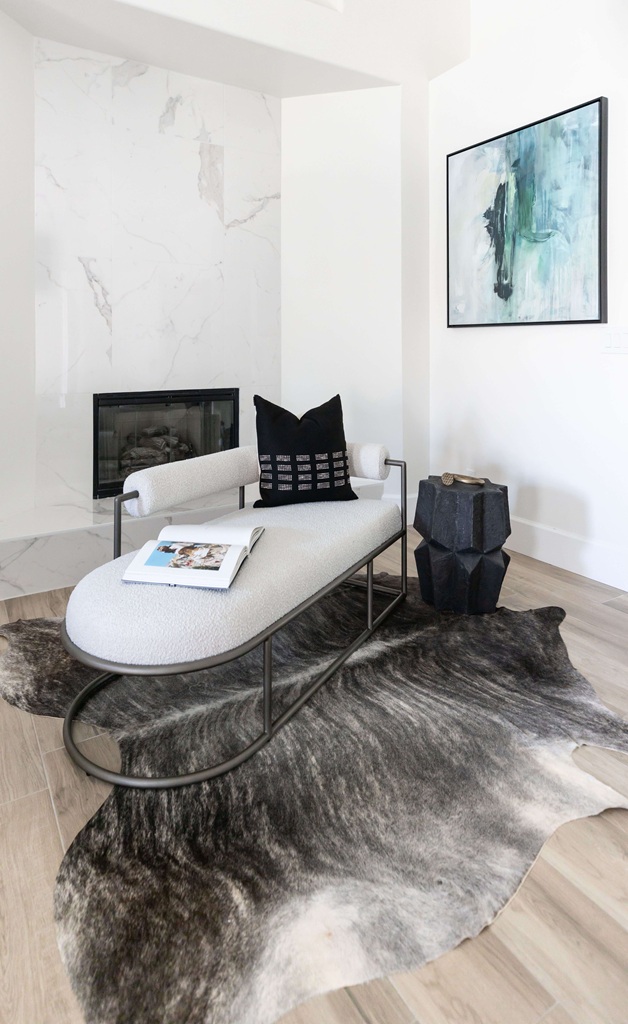
           Modern chaise lounge by fireplace

          Natural light is another area in which an interior designer in Scottsdale will concentrate. Natural light has been found to enhance mood and quality of sleeping, both of which are directly correlated with the amount of stress you experience. Sheer drapes, use of mirrors, or open floor plans can provide ultimate sunlight and project an illusion of spaciousness inside the room. 

          The same holds for furniture arrangements. Crowded, haphazard positioning can burden you, but open and balanced positioning allows for freedom of movement and the sense of mastery.

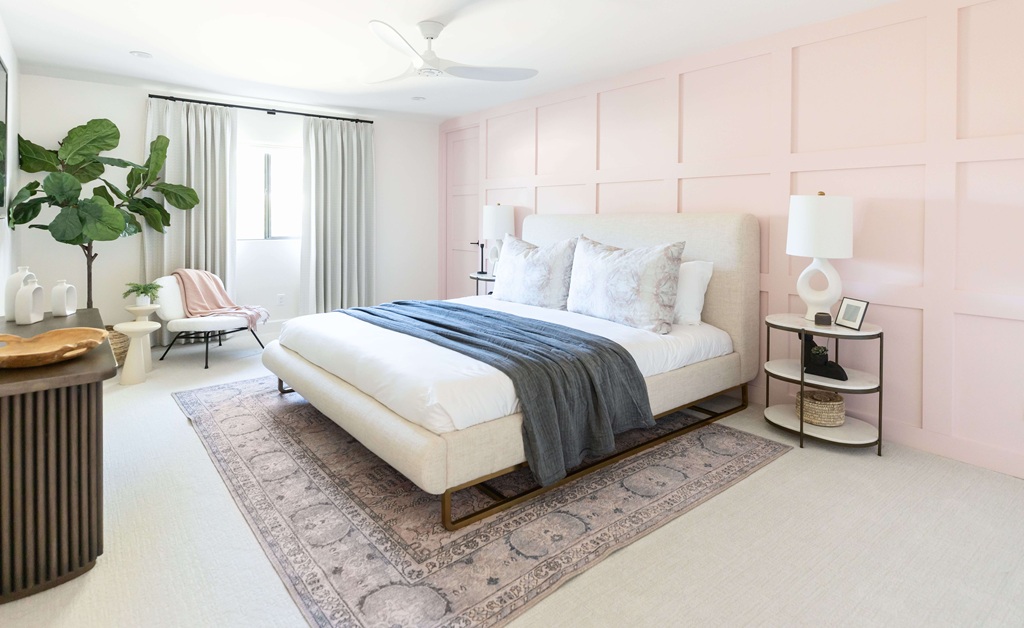
             Elegant light pink bedroom with blue throw

            Decluttering for Clarity: How Minimalism Affects Mental Health 

            Mental disorganization is often a product of physical disorganization. If your space isn’t tidy, then your head follows suit. The design philosophies inherent in minimalism—”less is more” as an attitude that leads individuals to live with fewer things—can actually stop stress dead in its tracks. 

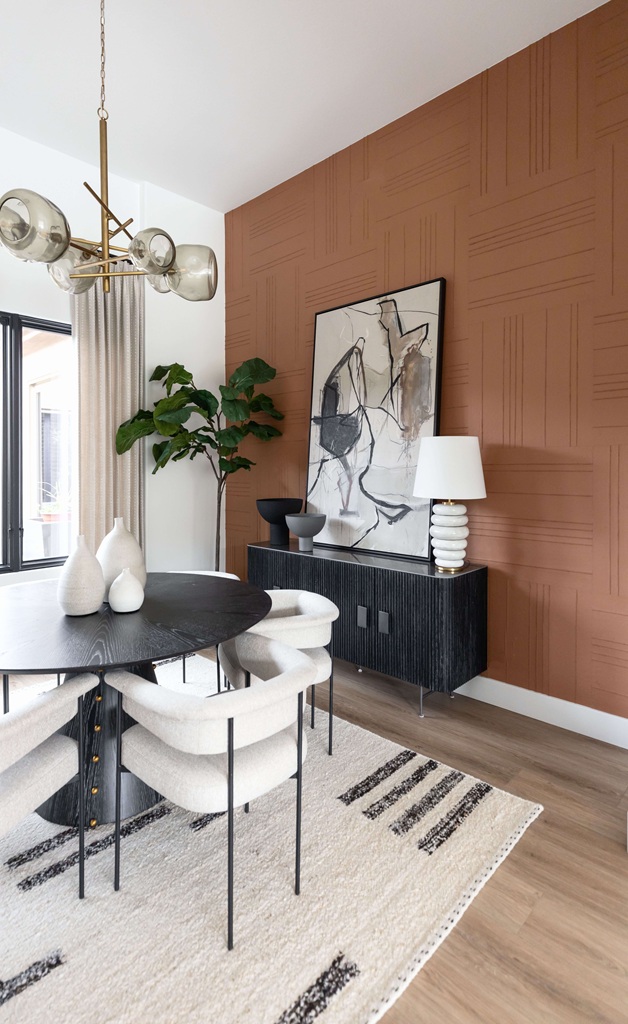
             Modern dining room with terracotta accent wall

            Minimalism keeps the extraneous to a bare minimum and centers on function to create a clear, uncluttered space. Design such as multi-function storage, pared-down furniture, and single-hued color helps reduce decision overload and is a visual calming experience. Walking into a room in which objects are assigned purposes helps one feel light and centered. 

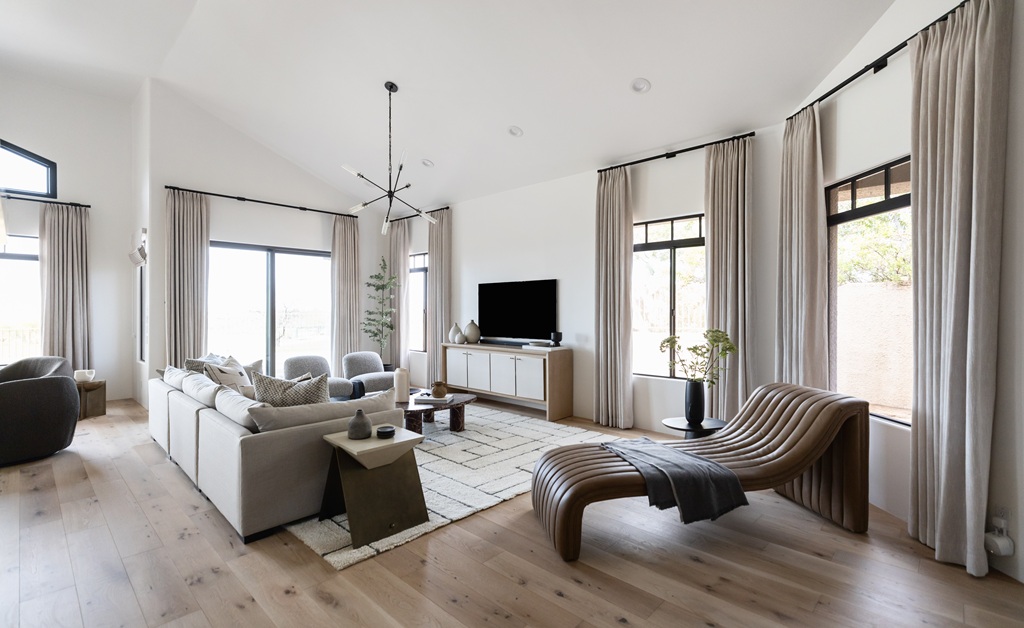
             Bright living room with modern furniture and lounge chair

            Nature and Peacefulness: Incorporating Biophilic Design

            Nature and peacefulness go hand in hand, so it’s no wonder that biophilic design, introducing natural materials into interior space, is gaining steam. This strategy takes advantage of our instinctive love affair with nature, and comfort is ushered in by its presence inside. 

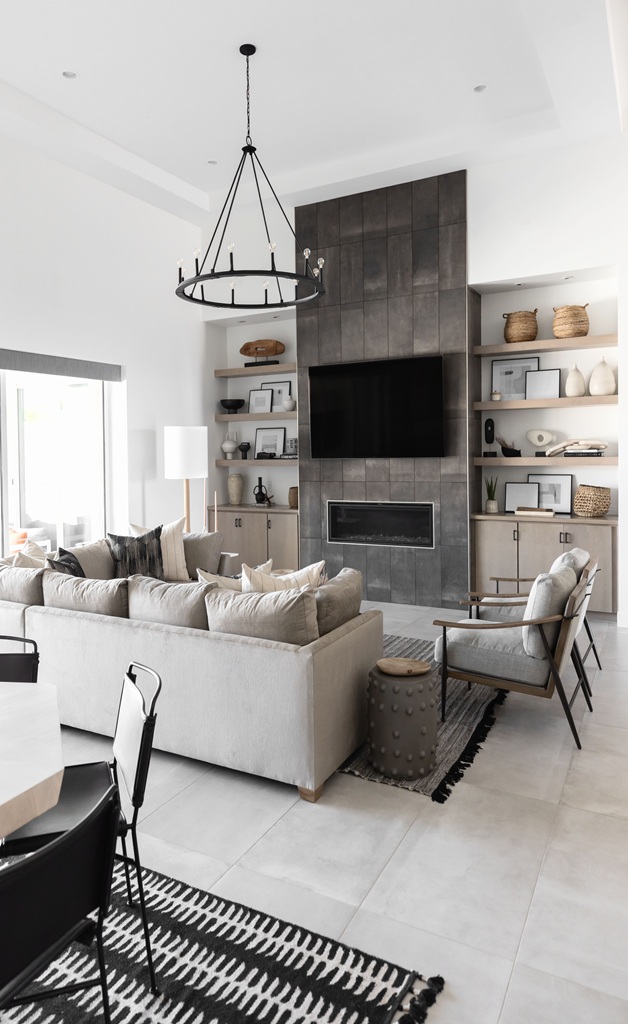
             Modern living room with gray fireplace and chandelier

            Houseplants are an easy place to begin. Perhaps it’s a low-maintenance air-purifying snake plant or pothos, but plants infuse life into any room while clearing the air. Natural textures like wood, stone, or bamboo paired with water accents or earth tones are rich in sensation and visual tranquility. 

            Even reproducing paintings of nature or adding windows to gaze out is effective in creating this type of environment, bringing with it a sense of relaxation and calmness.

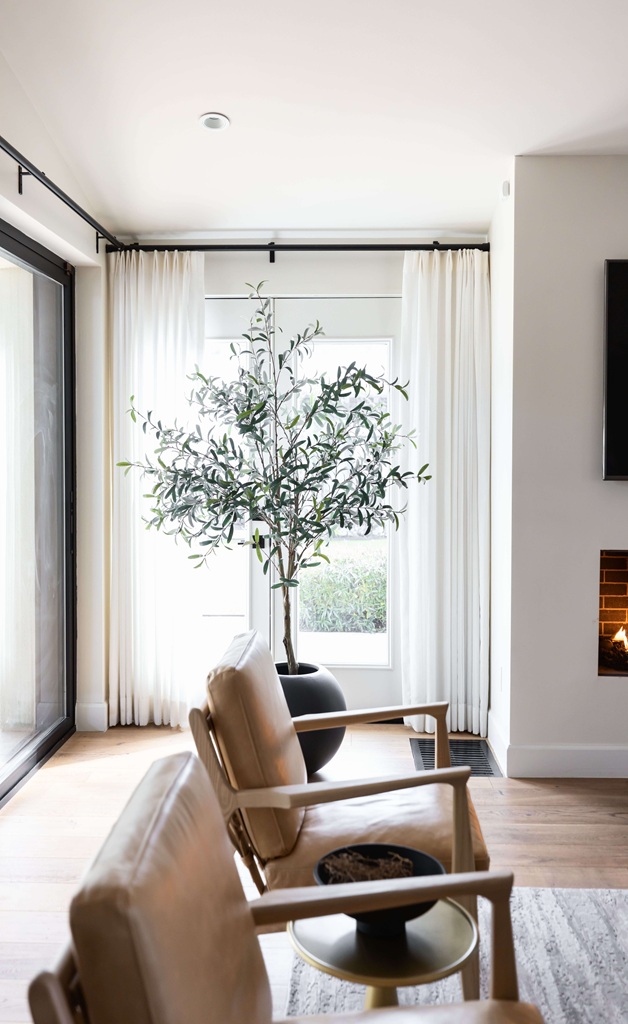
             Cozy sitting area with beige chairs and fireplace

            Creating a Personalized Retreat: Crafting Spaces to Accommodate Your Needs 

            Relaxation and stress don’t hit all of us the same—and neither do they hit our homes. The key to creating a personalized retreat is to discover what makes you relax and then craft your house around it. 

            Maybe it’s a reading nook with your favorite reading chair, soft lights, and a stack of books. Maybe it’s a meditation space with soothing candles and plush pillows. 

            Textures and scents also enter into the picture while designing your retreat. Velvety, cashmere-like textures are soothing, and aromatherapy with essential oils can relieve tension. The idea is to make your space intimate to you. When you become attached to your space, it is a source of energy and a retreat where you relax, tailored to you.


             Modern seating area with dark wood ceiling beams

            Turn Your Home into a Stress-Free Refuge 

            Smart interior design is a great partner in the war against stress and the production of well-being. Start small—paint one room in calming colors, put in some houseplants, or furnish your living room so that the area is more accessible and maps out the traffic route. 

            With knowledge of the force of space, light, and nature and applying it in your favor, you might just be able to create a comfortable haven for yourself. 

            See More Ideas: Sleep Better with These 8 Interior Design Improvements Tips

            How Interior Design Helps Reduce Stress

            How Interior Design Helps Reduce Stress


            Interior design is not simply decorating a gorgeous room—it’s creating places that make our lives better, work better, and feel incredible. Effective design really does impact your daily life, making things simpler, improving our moods, and increasing the value of your home. Discovering the benefits of custom interior design will transform your space and how you view it. The impact of interior design on our everyday life is far-reaching, proving that great design isn’t just about aesthetics—it’s about functionality and well-being.

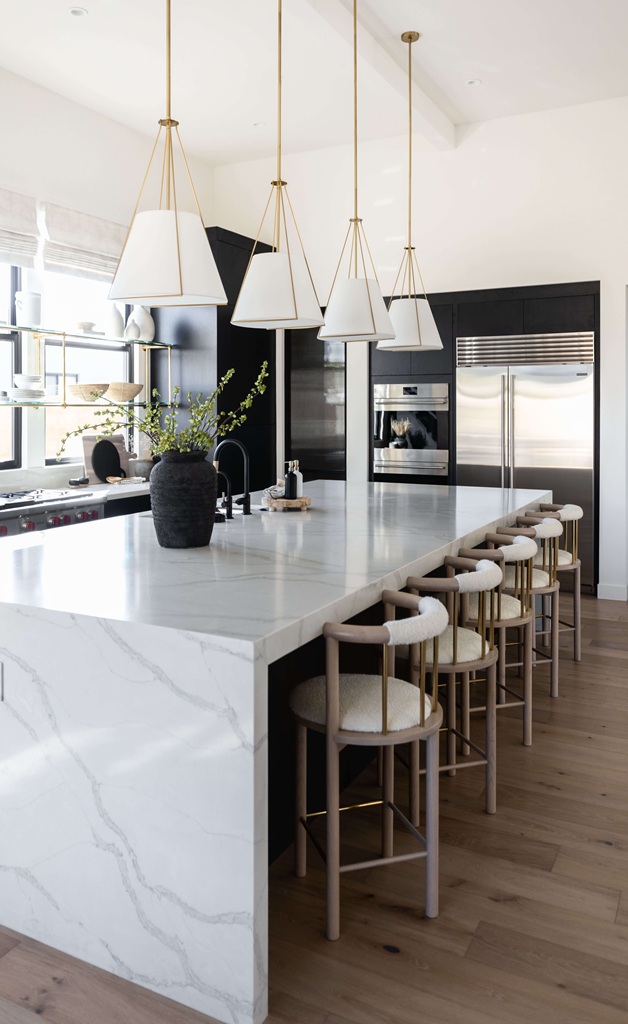
            luxury kitchen island design scottsdale

            Improved Functionality 

            Good interior design begins with functionality. Good design makes every square inch of your house functional and easily integrates itself into your lifestyle. For instance, intelligent storage can reduce clutter, making your living areas tranquil and organized. A well-zoned open-plan area can facilitate several activities—cooking, working, or relaxing—to take place without obstructing each other, making the space more usable. If you’re considering improving your home’s functionality, working with a remodeling contractor in Scottsdale can help bring your vision to life.

              custom living room table settings scottsdale

              Space design also comes down to furniture planning. Bury the old comfort vs. appearance ethic; modern interior design couples them in excellent harmony. Well-placed sectionals in the living room coax socializing and lounging, and ergonomically placed workstations and office chairs in home offices coax working. Clever design achieves balance of use and livability so that the room really works for its users.

              Kitchen Modern Design

              Improved Mood and Well-Being 

              The environments we inhabit have a direct impact on our health and mood. Interior design in every respect, color, lighting, and space planning, is a part of how interior design impacts your life. Light blues or greens, for instance, can help with feeling less stressed and relaxed. Conversely, very intense colors like ruby red or mustard yellow can stimulate and revitalize a room and make it more vibrant.

              custom designed sofa in living area of phoenix home

              Lighting also matters. Beams of natural light can brighten the atmosphere of a space, encourage good sleep, and increase productivity. Multi-level lighting systems that blend task, accent, and ambient light work because you can turn it into various moods depending on the function. Even placing plants inside your interiors is a form of biophilic design, which soothe the senses and allow humans to feel a connection with nature.

              Discovering how interior design impacts daily life becomes clear when you consider how these elements—color, light, and natural materials—shape how we feel and function in our homes. Wellness design speaks to how all of these factors play off one another in shaping our life on a daily basis. It is not so much about flash—it is extremely human-centered.


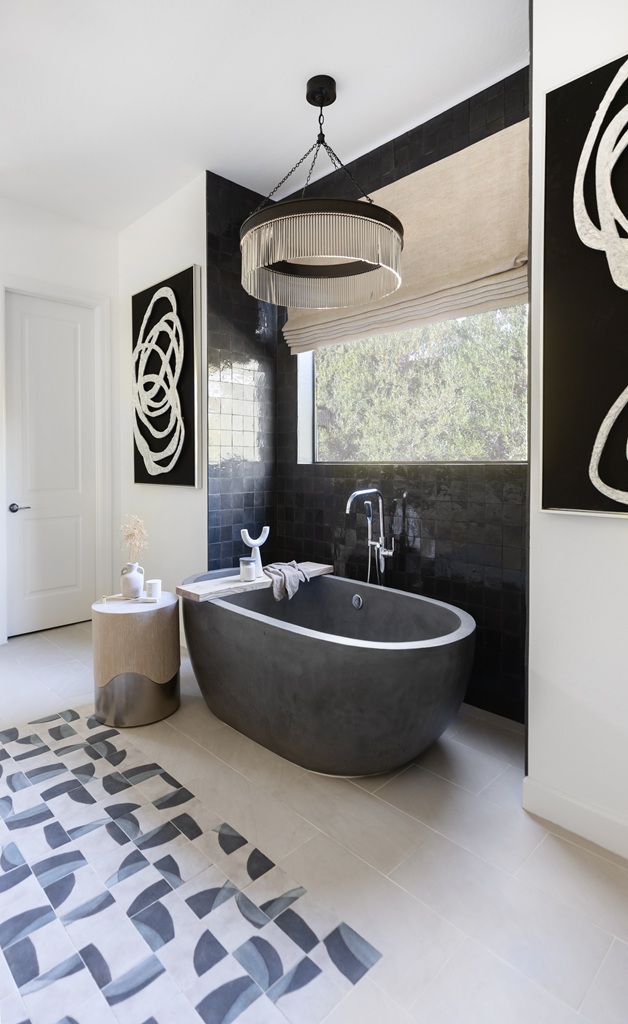
               modern bathroom chandelier scottsdale

              Increased Home Value 

              Aside from functionality and emotional value, good interior design is a great means of adding value to your property. Well-balanced, well-designed interior looks in properties will also be most likely to command premium prices from the market. Aesthetics such as modern kitchens, spa bathrooms, or open-plan living spaces are not only trendy but timeless in their capacity to appeal to buyers.


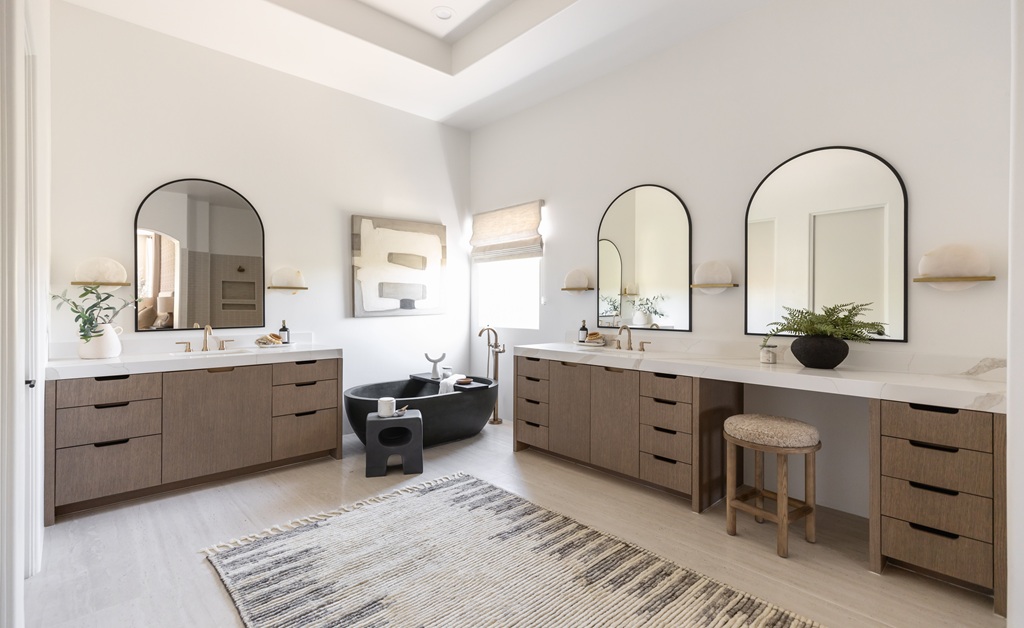
               Spacious bathroom with double sinks

              Good design elements offer return on investment in a variety of ways. Consider, for instance, a friendly and neutral color scheme, which can make a home welcoming and feel larger to more people, a plus at resale time. Fine materials and finishes like quartz countertops, hardwood floors, or custom cabinetry convey longevity and have a luxury quality. Even minor adjustments such as replacing light fixtures or hardware can change the appearance of a room and render it irresistible to buyers.

              The impact of interior design goes beyond appearances—it’s an investment in your home and your life.


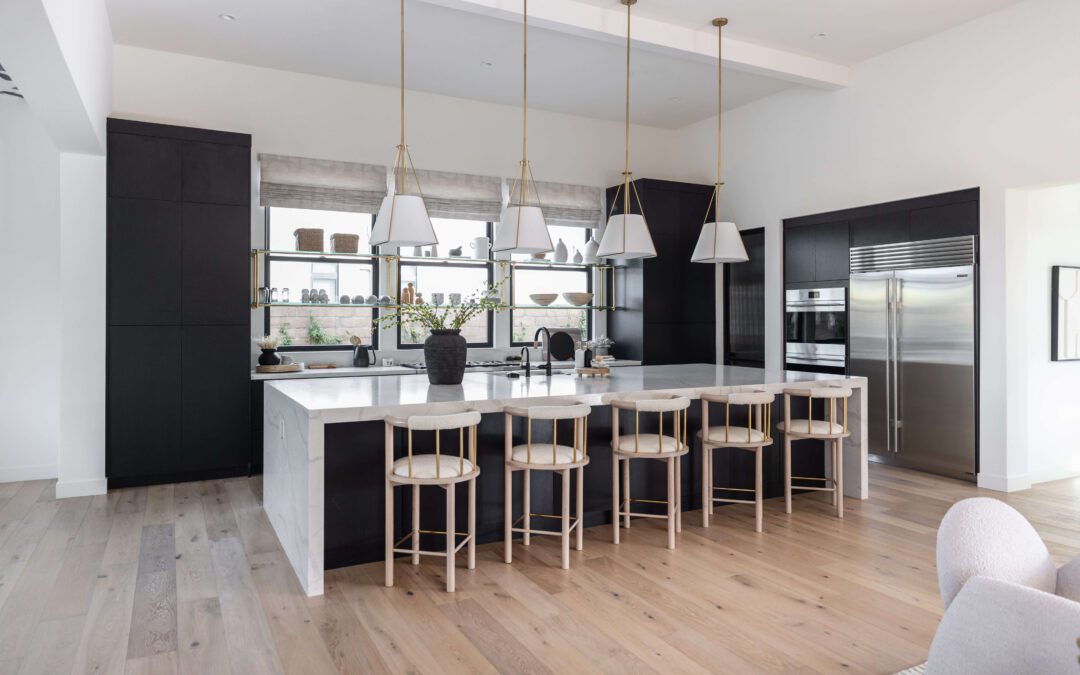
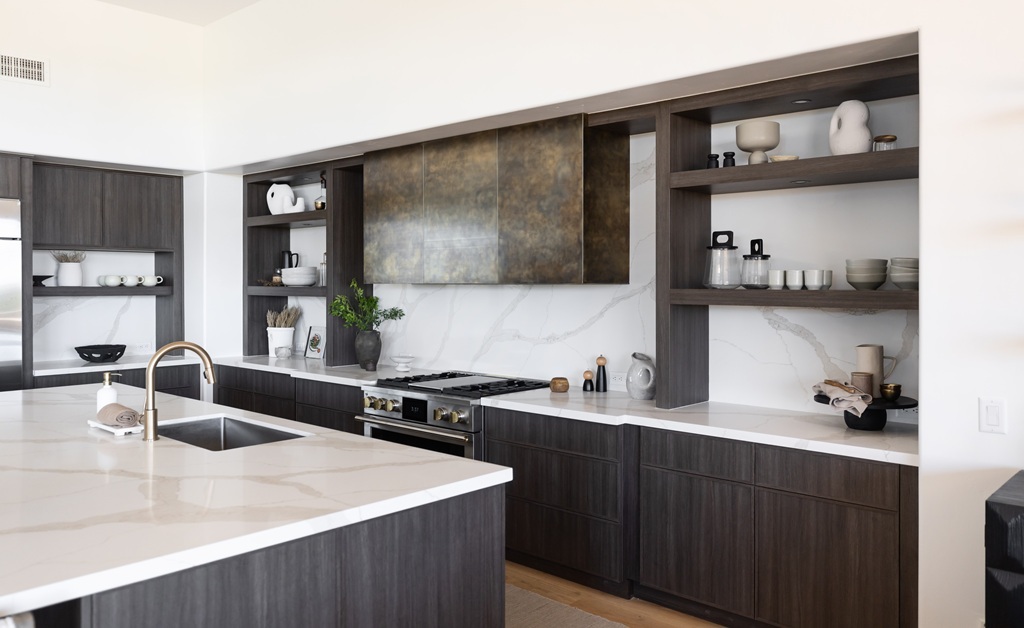
               Modern kitchen with dark cabinets

              Invest in Your Home, Invest in Yourself 

              Interior design is far more than aesthetics—it’s a way to create a balanced, functional, and inspiring life. Functional rooms simplify your everyday life, and well-crafted design details foster your emotional well-being. In the process, fine design can truly enhance your property’s financial value.

              If you’ve been on the fence about investing in interior design, now is the perfect time. Because when you refresh your home, you refresh your life.

              Read More: How Does Interior Design Affect Mood?