Living With Lolo Facebook Book a Free Consultation
How Home Design Contributes to a Healthy Lifestyle

How Home Design Contributes to a Healthy Lifestyle


Your home significantly impacts your holistic health. It’s not just a habitat; its design and arrangement can profoundly sway your mental, physical, and emotional health. From natural light exposure to your choice of furnishings and decor, every detail can either improve or undermine your wellness. Discover how a well-designed home can pave the way for a healthier you. A home needs to be healthy to truly support your well-being.
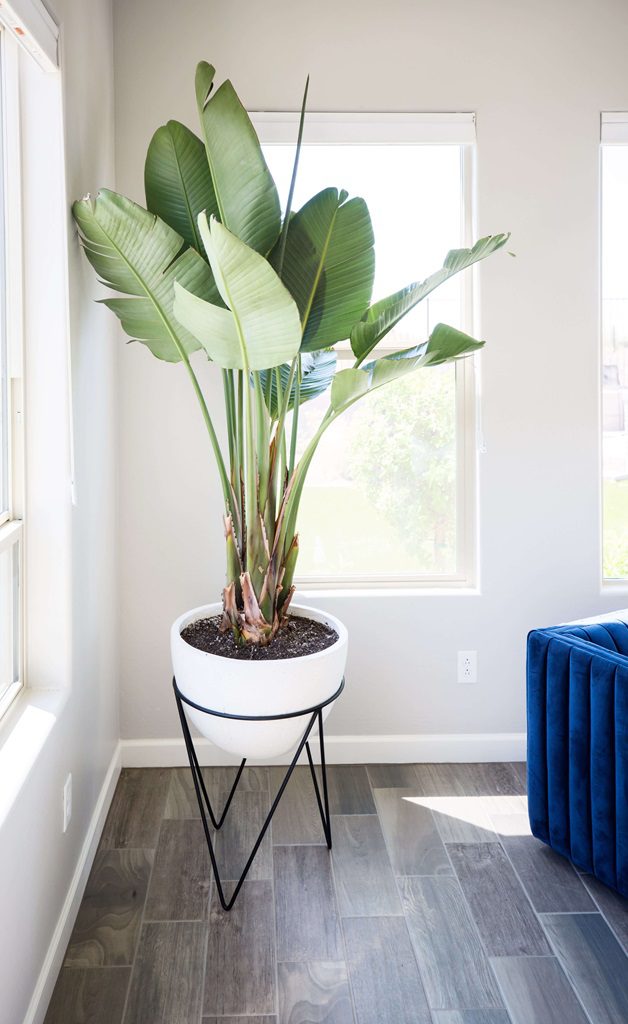
 Indoor tropical plant in white pot with black stand

The Power of Sunlight 

The health-wise benefits of sunlight in the home are undeniable. Natural light exposure has a direct correlation with enhanced moods, superior sleep rhythm, and even heightened productivity. Broad windows, carefully positioned openings and skylights permit plenty of sunlight to pour into your living quarters, providing you vital vitamin D and fostering well-being. 

If sunlight is scarce, consider daylight-like LED lighting for a similar effect. This aspect of wellness interior design ensures your home supports your health effectively.
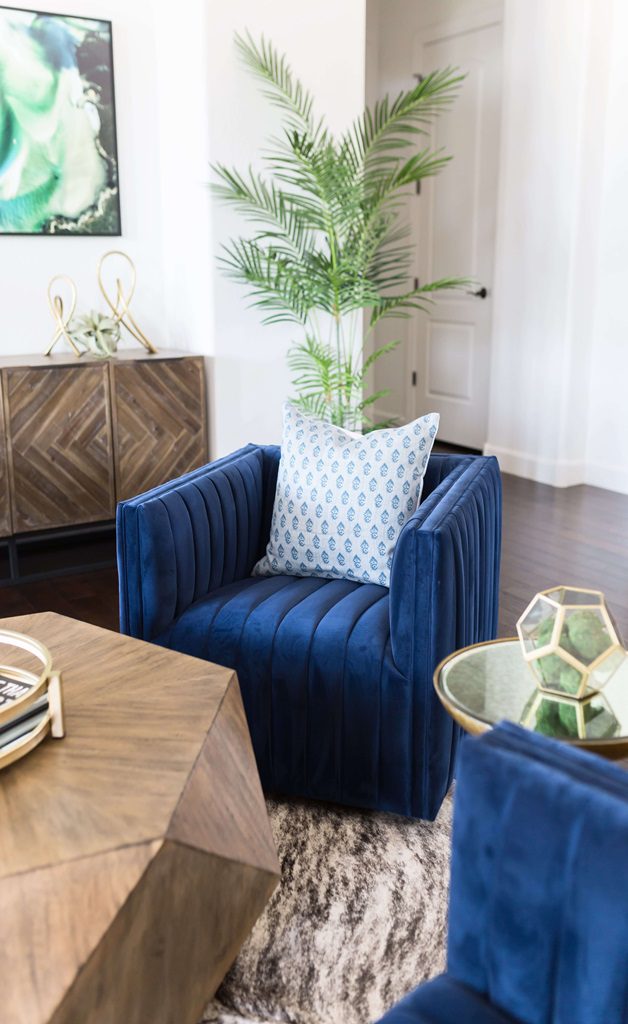
     Plush blue velvet armchair with patterned pillow

    Indoor Air Quality and Ventilation 

    The foundation of a health-oriented home lies in good air quality. Impaired airflow and indoor pollutants such as dust or mold can impact your respiratory health and overall energy levels. Open layouts, cross ventilation and HVAC systems with top-notch air filters ensure that your home enjoys fresh air circulation. 

    Additionally, adding indoor plants like ferns or peace lilies purify the air and enhance the aesthetics of your space. For those considering renovations, remodeling contractors in Scottsdale, AZ, can assist with creating healthier spaces tailored to your needs.
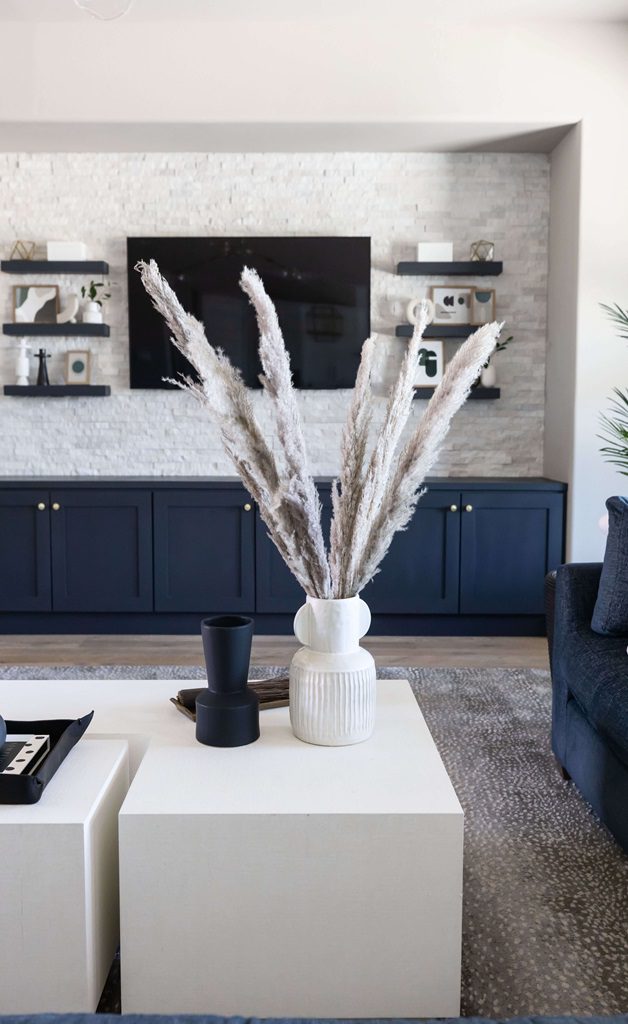
     White vase with pampas grass on a white table

    Design and Space Management 

    The organization of your living space directly influences your physical health. Furniture and layouts prioritizing ergonomics minimize the strain on your body, especially in spaces where you tend to spend more time, such as your workspace at home. Height-adjustable desks, comfortable chairs, and organized, uncluttered setups help maintain good posture and fluid movement. Well-planned spaces can also boost mental focus, facilitating relaxation and concentration. This is a perfect example of interior design for wellness in action.
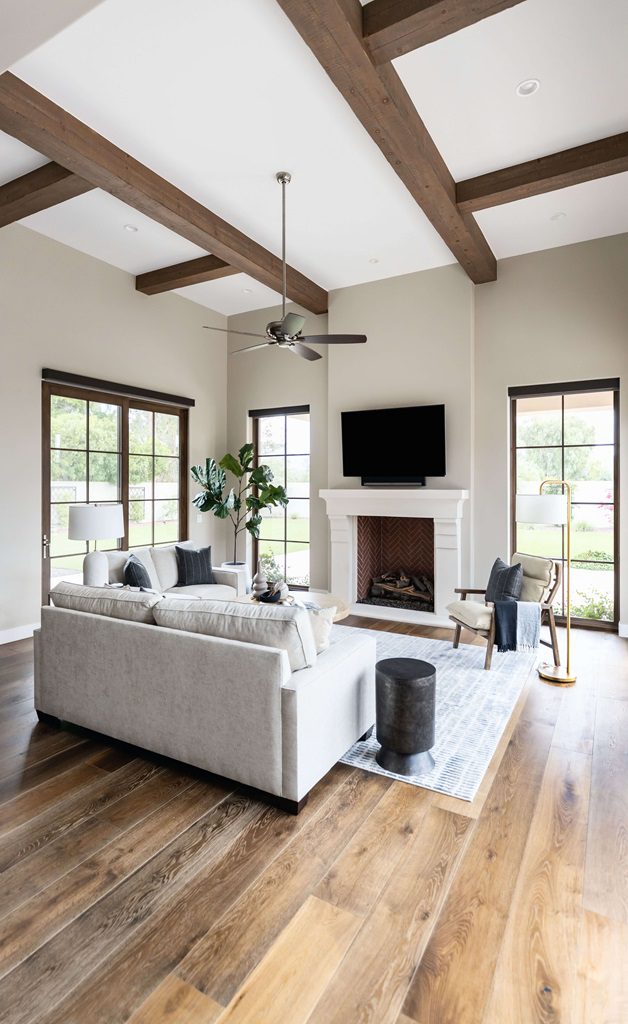
     Bright living room with wooden beams and fireplace

    Infusing Personal Narratives and Storytelling

    Integration of Nature Indoors 

    Incorporating outdoor elements indoors can dramatically affect your mental and emotional health. Indoor flora, organic wood features, and water structures create a tranquil setting that links you with the natural world. Research indicates that including greenery in your home decreases stress and nurtures a sense of tranquility. Even minor additions, such as a green wall or a collection of potted herbs in your kitchen, can bring about significant changes. These healthy interior solutions are simple but impactful in promoting a peaceful atmosphere.


     Modern bedroom with blue bed and abstract wall

    Eco-Friendly and Non-Hazardous Materials 

    The materials you select for your home design are critical. Toxic chemicals in paints, flooring or furniture can emit dangerous compounds into your living environment, jeopardizing your health over time. Choose non-toxic, low-VOC paints, sustainable timber and organic fabrics for a purer, eco-conscious home. These decisions not only make your home healthier, but also benefit the larger environment, creating a sense of purpose and responsibility. This approach illustrates how home design promotes a healthy lifestyle by aligning your choices with your well-being.
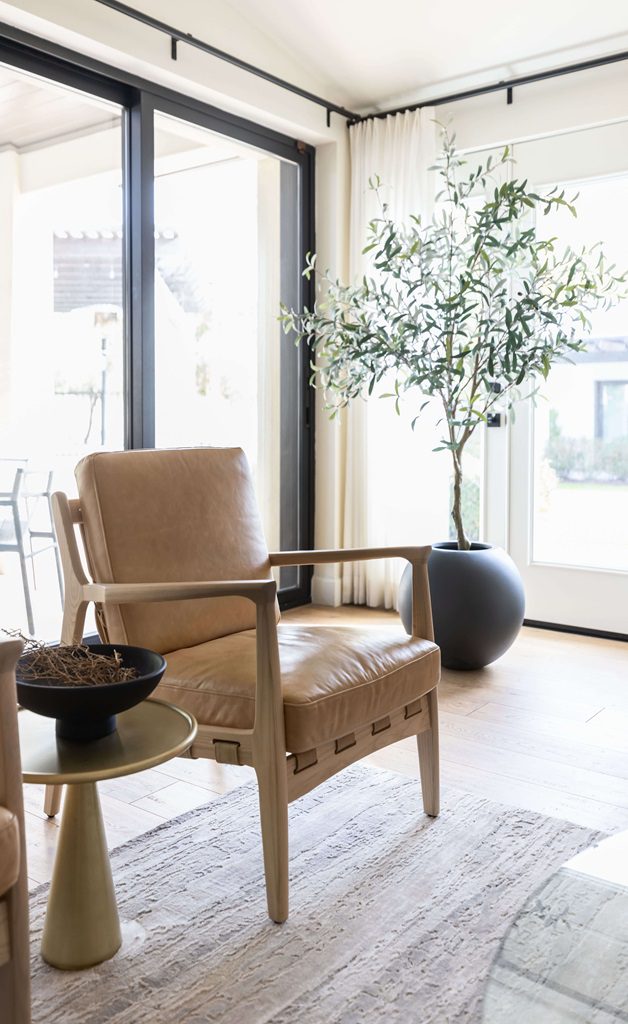
     Tan leather armchair beside a small gold table

    Summary

    Every facet of home design presents a chance to foster a space that nurtures your health. By prioritizing natural light, fresh air, ergonomic structures and sustainable materials, you can transform your home from a cozy abode to a sanctuary that enhances your health and contentment. Begin making conscious design decisions today, and witness your home revolutionize your lifestyle.

    Learn More: Incorporating Mental Health Awareness Colors Into Home Design

    How Can Interior Design Impact Your Wellbeing

    How Can Interior Design Impact Your Wellbeing


    Your home stands for more than just a dwelling place; it serves as a haven where you refuel, contemplate, and rejuvenate. But have you ever thought about interior design for health and wellbeing, about your mental and physical health? Mindfully selected interiors can do more than simply look appealing—they have the power to enhance your overall health. The careful selection of colors and the arrangement of ergonomic furniture are just some of the ways the art and science of interior design can fundamentally alter your feelings in your own environment.

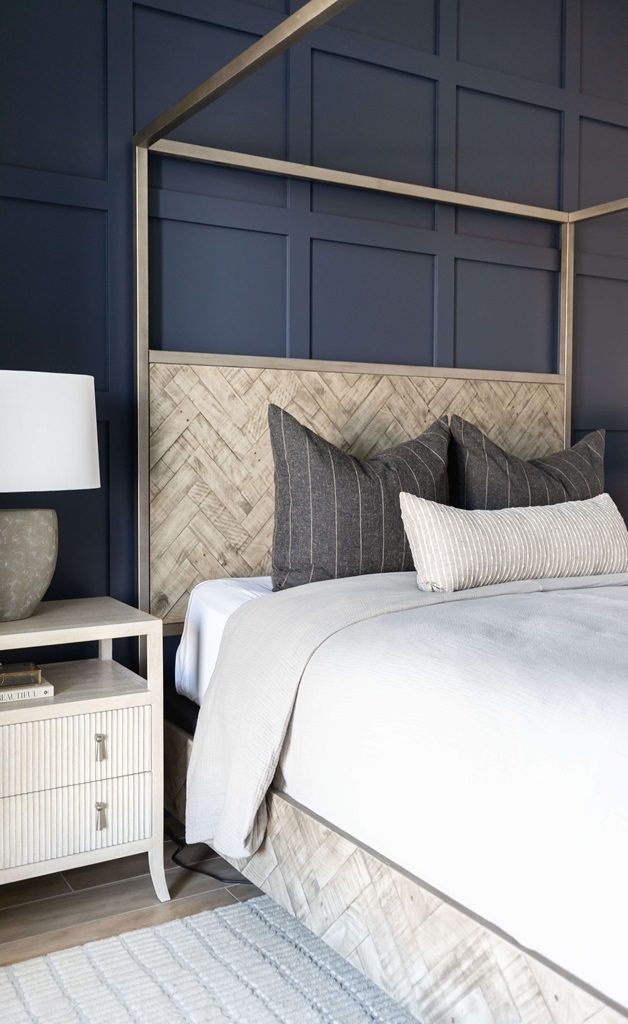
     Modern bedroom with canopy bed and blue paneled wall

    The Psychology of Space 

    The effects of colors, lighting, and design layout on our mood, stress levels, and work output are profound. For instance, warmer shades like yellow and orange could evoke feelings of positivity and vitality, while cooler hues like blue and green often create a soothing environment. This is why a calming blue in a bedroom can be comforting after a grueling day, or an exciting splash of yellow in your kitchen can be motivating as you whip up your morning brew. 

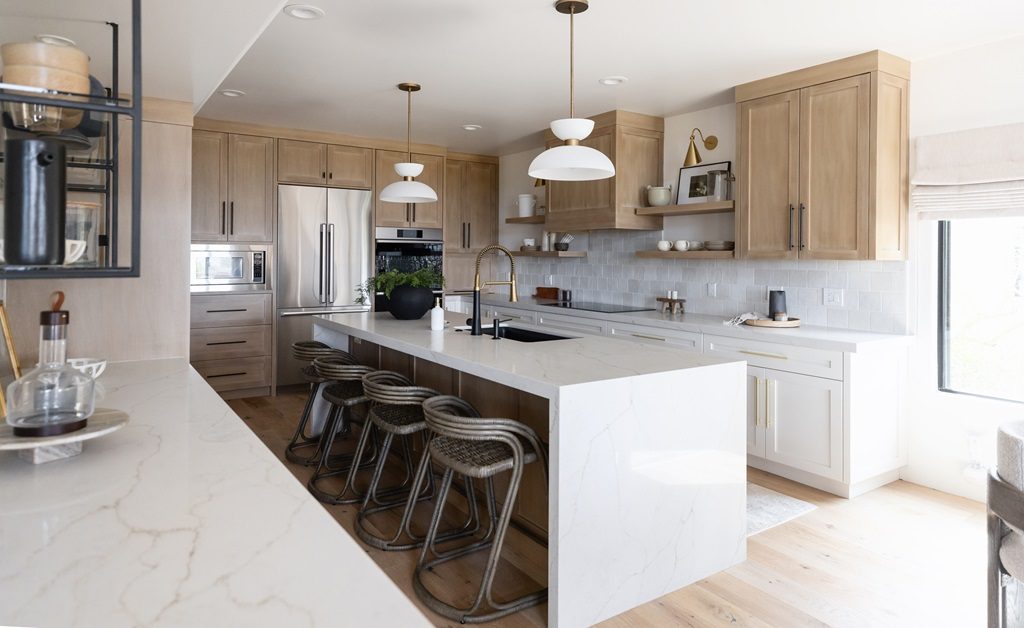
       Modern kitchen with light wood cabinets and island

      Lighting, also, plays a pivotal role in establishing the mood. Natural light is especially beneficial—it’s known to elevate serotonin levels and synchronize circadian rhythms, making areas appear more welcoming while fostering better sleep cycles. On the flip side, poorly lit spaces can decrease energy and lead to reduced productivity. Similar effects can be seen with your layout—a clutter-free, open floor plan can enable stress-free navigation in your home and promote mental sharpness. 

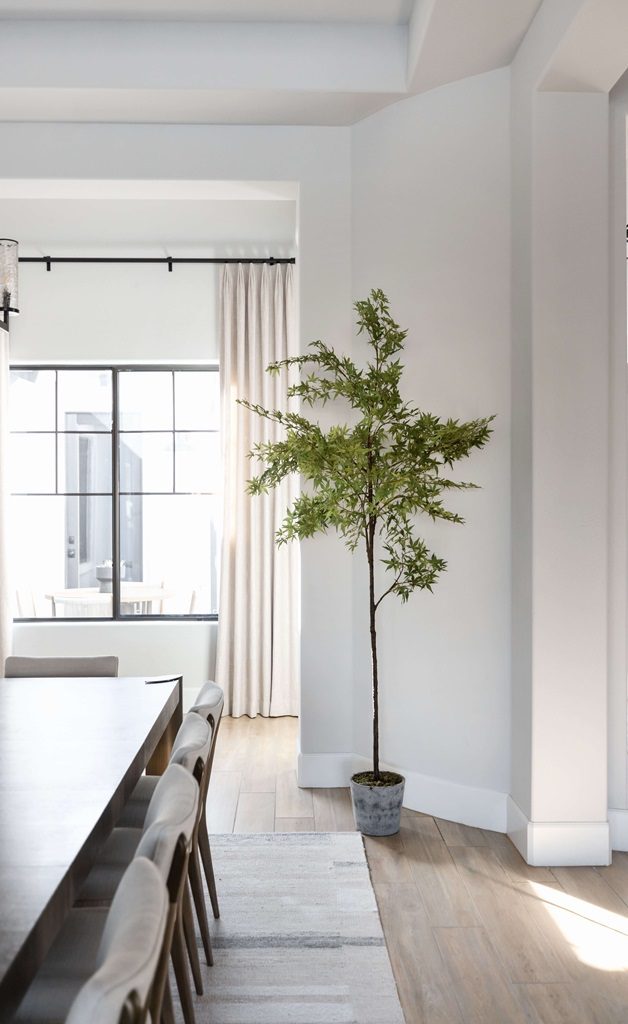
       Dining table with chairs and potted plant corner

      When each design choice caters to your psychological needs, your home turns into a space that lifts rather than burdens. Whether you’re considering a kitchen renovation in Scottsdale or a living room refresh, the impact of interior design goes far beyond aesthetics—it’s about creating a home that prioritizes your wellbeing.

      Designing for Physical Health 

      In addition to aesthetic charm, interior design profoundly influences physical health. Begin with your furniture—ergonomically constructed pieces can help decrease body strain and enhance posture, especially if you often work from home and your office and living room have merged. A suitably adjusted chair can prevent chronic issues like backaches, and the correct desk setup can minimize eye stress and repetitive strain injuries. 

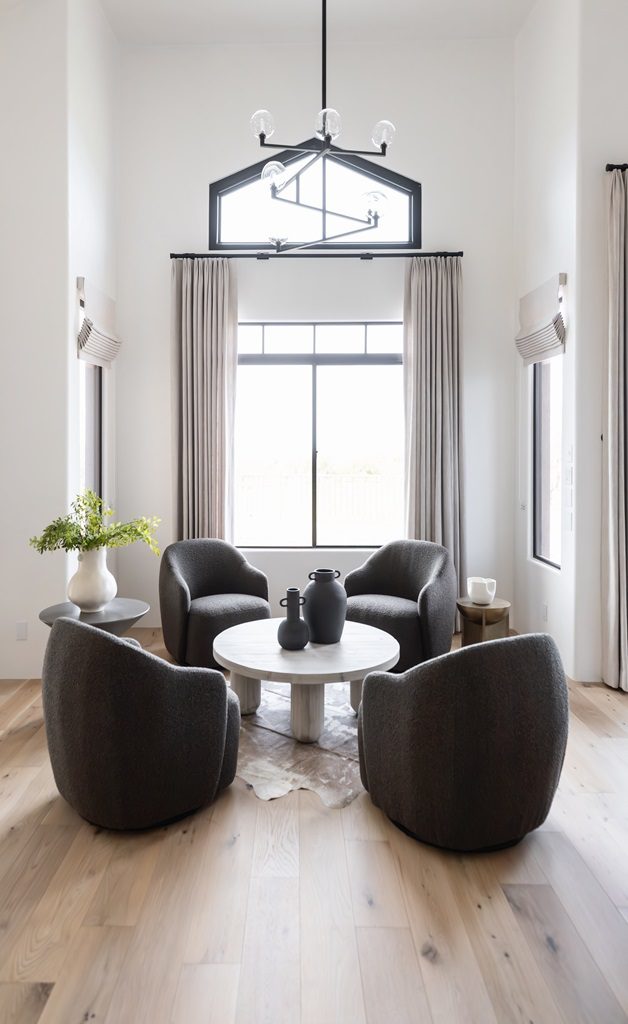
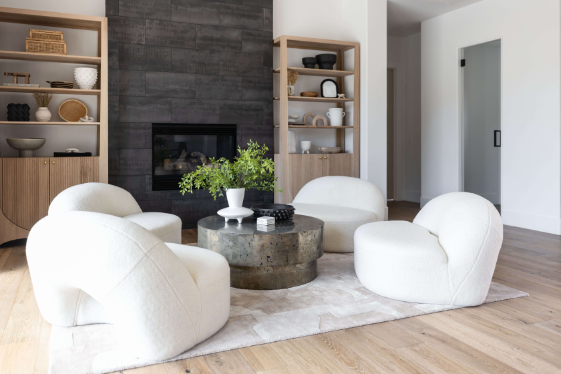
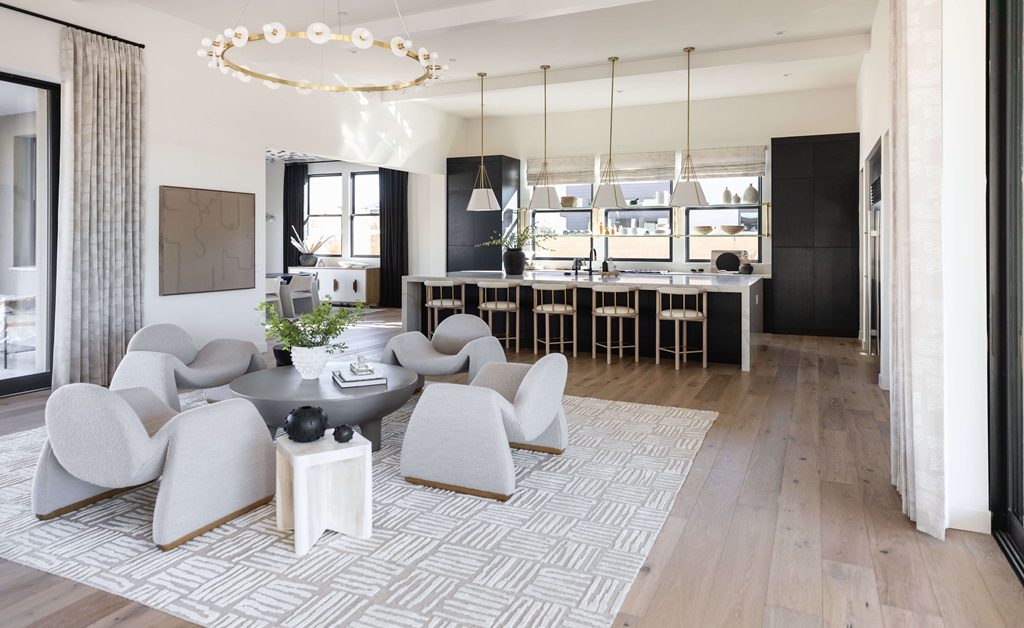
       Modern sitting area with four gray armchairs

      Air quality is another aspect to weigh. Design selections like incorporating greenery indoors or opting for ventilation-friendly materials can boost indoor air circulation, reduce allergens, and create a healthier home environment. Natural elements like wooden or stone accents can not only elevate air quality, but also institute an organic, soothing ambiance that echoes your relationship with nature. 


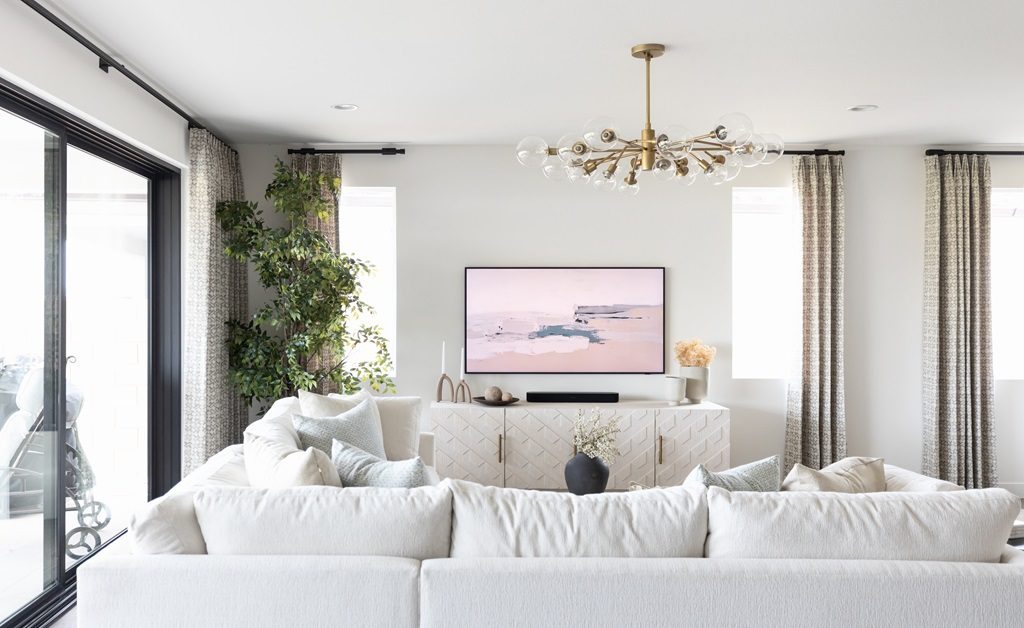
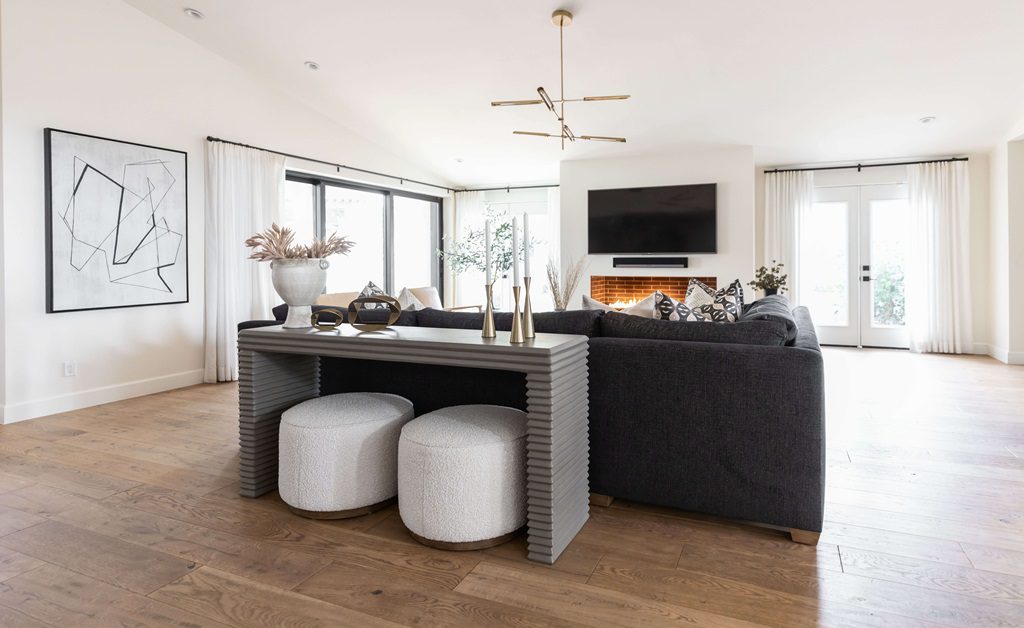
       Bright living room with white sofa and modern decor

      Finally, never overlook the influence of nature in design. Large glass windows, indoor foliage, or even the choice of natural textures can bring the outdoors inside and enhance your sense of tranquility—often referred to as “biophilic design.” These small changes are integral to design for wellbeing, ensuring that your space promotes physical and mental harmony.

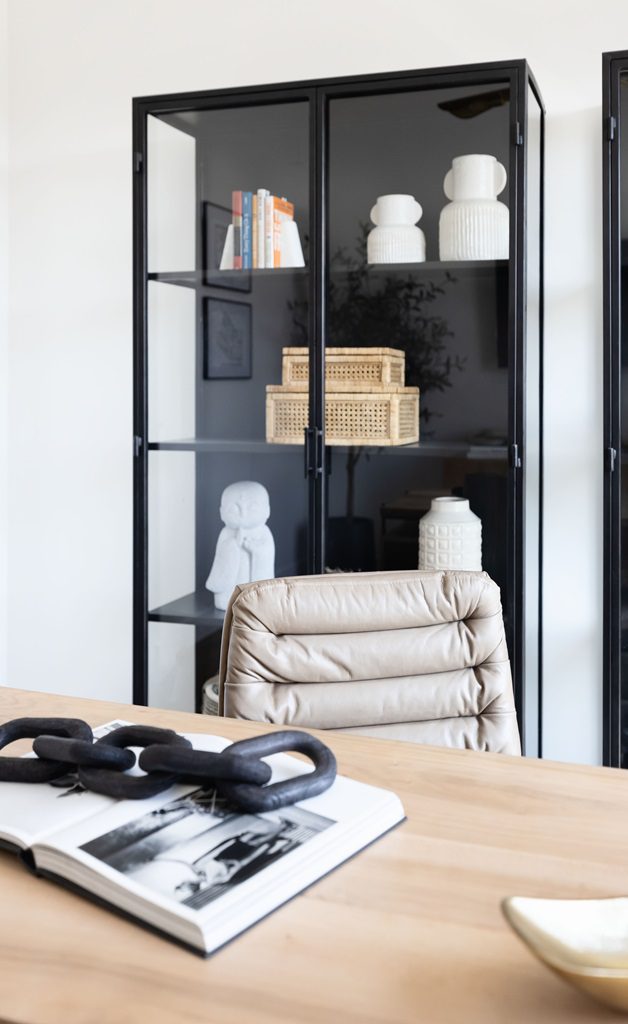
       Modern office chair in front of black cabinet

      Re-Imagining Your Living Space for Wellness 

      Thoughtful interior design is more than an indulgence—it’s a crucial aspect of optimizing your living experience. By synchronizing psychological needs with physical health, your house can become a nurturing space that genuinely backs your holistic wellbeing. Whether it’s letting more sunlight into dim corners or incorporating nature indoors, interior design for wellness is an investment in your mental and physical health. 

      Review your current space and evaluate how your design decisions impact your mood and health. Keep in mind, perfection isn’t the objective; it’s building a home that caters to your unique wellness requirements—a sanctuary in which you can truly flourish.

      Keep Exploring: 7 Interior Designing Tips for Better Mental Health & Wellbeing

      4 Ways Interior Design Can Improve Your Sleep

      4 Ways Interior Design Can Improve Your Sleep


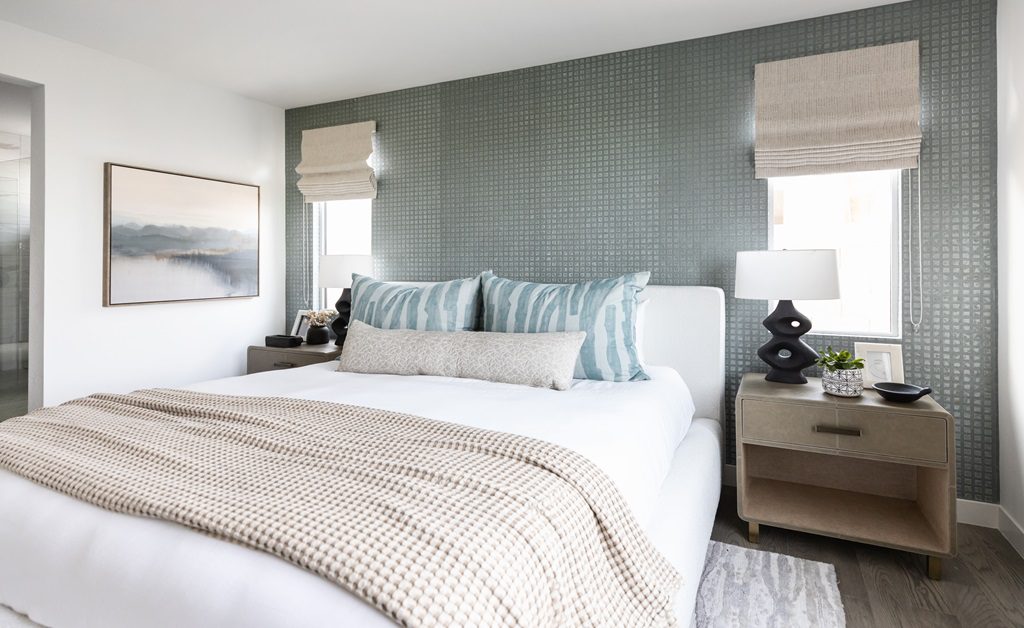
      Your sleep environment plays an incredible role in your overall sleep quality. The choices you make in bedroom design extend beyond comfy bedding or room-darkening curtains. In fact, these choices can remarkably affect your sleep. Remember, interior design is not just about visual appeal; it’s about creating a space that’s conducive to a good night’s rest.

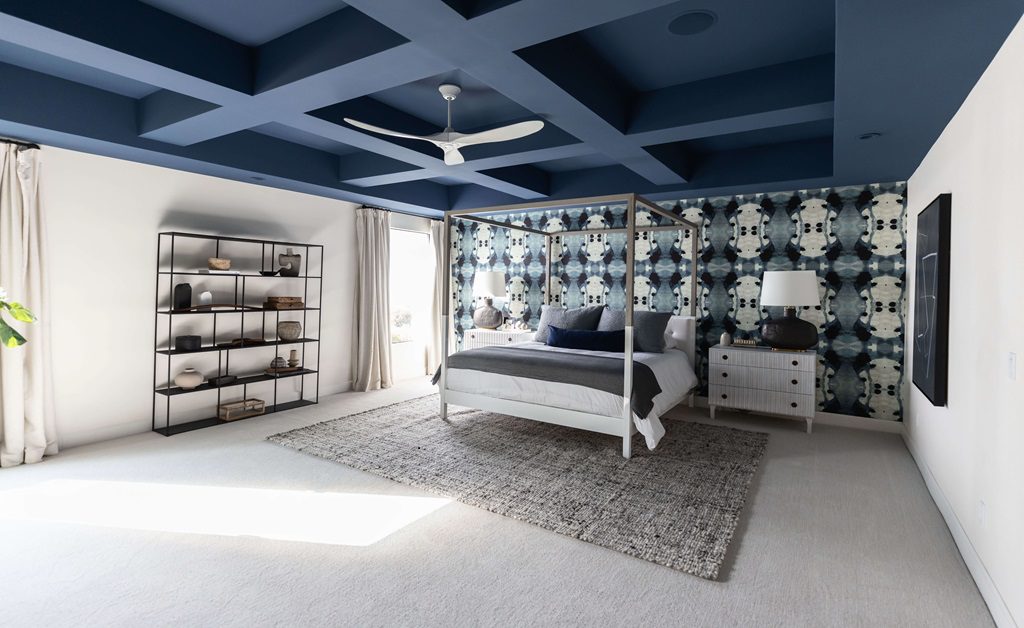
       Bedroom with blue ceiling and patterned wall

      The Ideal Sleep Environment: Setting Up Your Space 

      Firstly, your bedroom should be your haven – a place purely intended for rest and relaxation. Say no to clutter, aggressive lighting, or the multifunctional use of your room. Keep workstations, gym equipment, and other distractions out of your sleep area. Your design decisions should encourage tranquility, so lean towards simplicity and practicality. 

      Proper ventilation and the maintenance of a cozy temperature, approximately 65°F or 18°C, are crucial. Adding air-cleaning plants can additionally enhance air quality and give the room a refreshing feel, thus aiding better sleep.

      Lighting also plays a part; avoid overly bright overhead lights and switch to dimmable lights or warm, bedside lamps. Investing in blackout blinds or thick curtains can help you control the room’s darkness better, ensuring undisturbed sleep. This focus on interior decoration for a bedroom​ can make a major difference in the comfort and functionality of your space. 

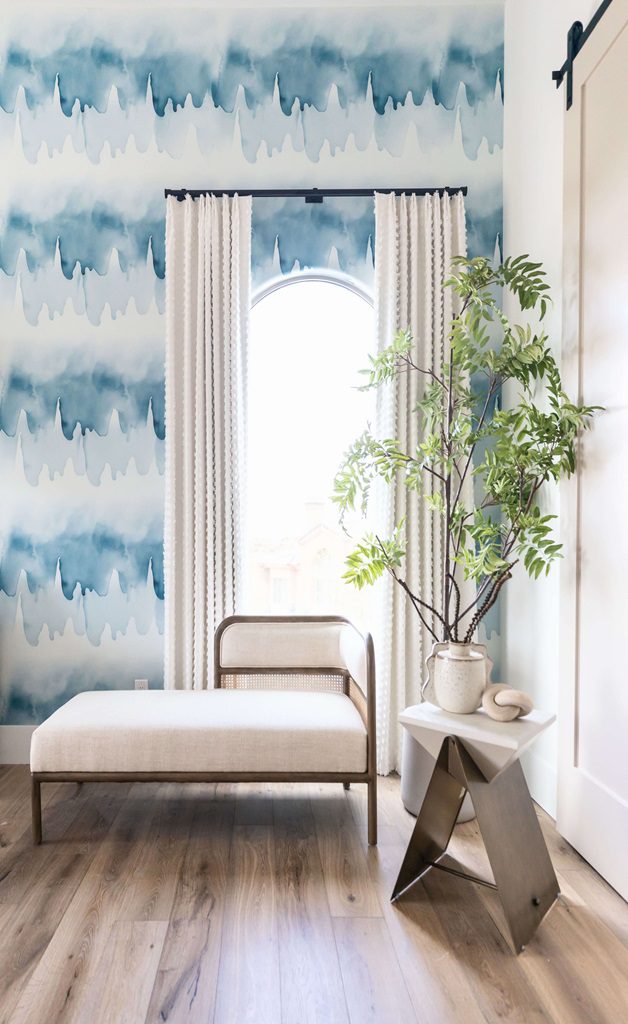
         Chair and side table with blue wallpaper

        Choosing the Right Color Palette: The Impact of Color

        Color has a psychological effect on our mood and energy levels, thus it’s a critical factor for your sleep space. Vibrant, strong colors like red or orange might stimulate rather than help you relax. Instead, go for soothing shades such as light blues, sage greens, or neutral colors. 

        These colors elicit feelings of peace and relaxation, setting a restful atmosphere to unwind after a hectic day. If you’re inclined towards a monochromatic color scheme, different shades of softer tones—like a mix of pastel lavender with whites—add interest and keep the tone peaceful. 

        Even accent colors count. You can add a subtle dose of muted colors using decor, but avoid over-stimulation—a bright yellow pillow might draw attention but could disrupt the overall soothing vibe. This highlights how interior design helps in better sleep by carefully selecting colors that support rest.

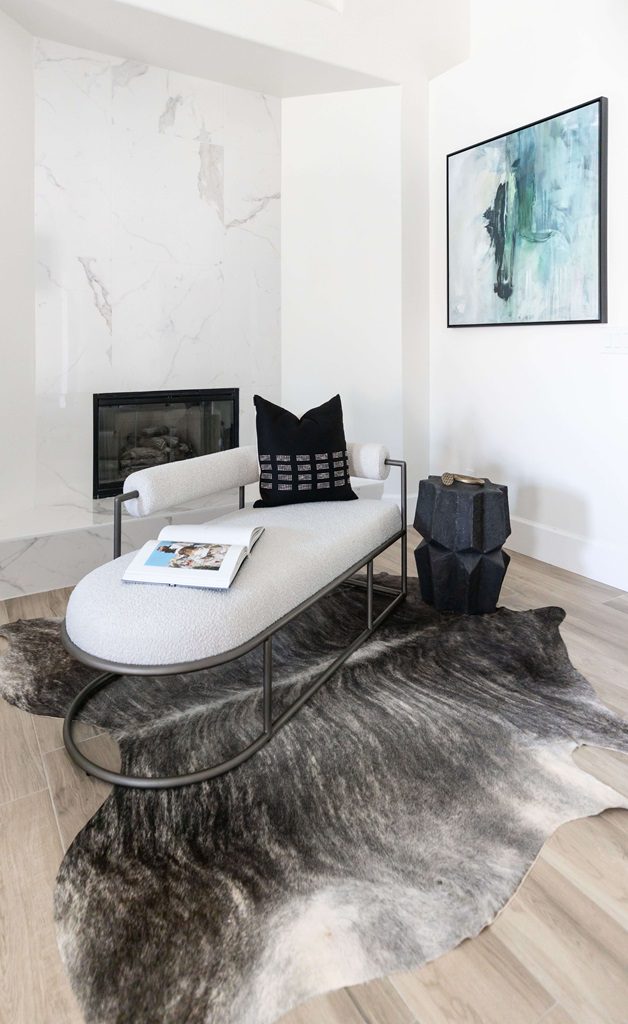
         Modern chaise lounge with black pillow and rug

        Comfort and Relaxation: Furniture and Layout 

        A thoughtfully planned furniture layout is critical for a peaceful space. Position your bed against a solid wall, away from entrances or windows, which can elicit a feeling of safety. Leave enough space to freely move around the bed and avoid crowding furniture into tight spots, as this can feel confining. 

        Opt for ergonomically-designed, supportive furniture. Your mattress and pillows are essential; choose designs that fit your sleep preferences. Bedside tables and soft lighting within reach can add to the room’s functionality and support wind-down routines before sleep. 

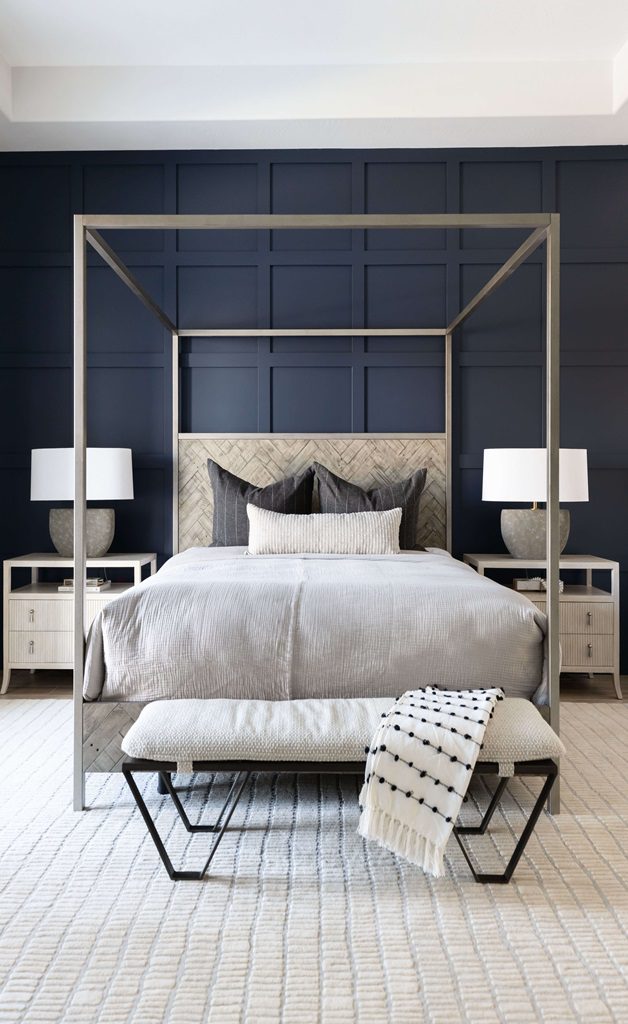
         Modern canopy bed with navy accent wall

        If you have enough room, consider adding relaxing features like a reading chair or a small bench at the foot of the bed, as long as they fit into the room’s dimensions and flow. Embracing minimalism maintains a clutter-free space and ensures every item has a purpose. These principles are central to effective sleeping room interior design, which prioritizes both practicality and comfort.


        Sleep-Friendly Fabrics: Textiles and Materials 

        The textures and materials chosen for your bedroom can significantly affect your sleep. Begin with your bedding—invest in breathable fabrics like organic cotton or bamboo, as these promote ventilation and wick away moisture, ensuring your body temperature stays regulated all night. 


         Cozy bed with patterned wallpaper and side tables

        Enhance your bed with comfy, plush blankets or duvets. Choose materials that are pleasing to touch, but steer clear of fabrics that trap too much heat or feel rough against the skin. For rugs and curtains, consider hypoallergenic natural fibers like wool or linen, adding a cozy, warm touch to the room. 

        Don’t overlook window treatments. Thick, insulating curtains can block out light and external noise. Adhere to muted tones or patterns that blend with the overall color scheme while adding a hint of decorative style. If you’re considering a complete renovation, you might seek the expertise of remodeling companies in Paradise Valley to ensure your space meets both aesthetic and functional needs.

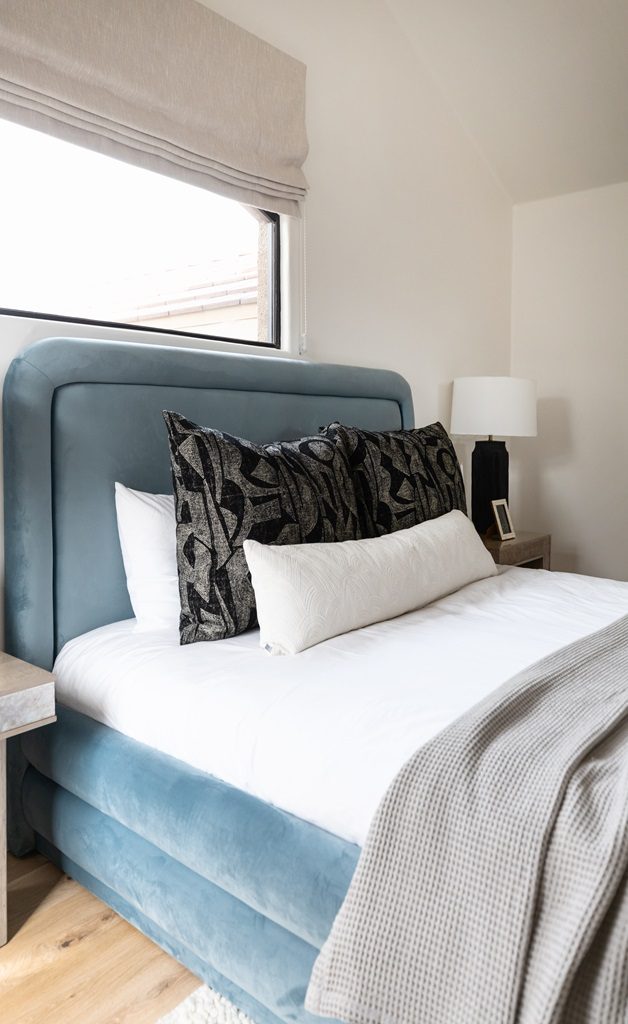
         Blue velvet bed with patterned black pillows

        Sleep Quality Enhanced by Design 

        Designing your bedroom for improved sleep goes beyond just having an attractive room—it’s about creating a rejuvenating space that aligns with your natural sleep patterns. Every design element, from choosing tranquil colors to arranging the furniture strategically and selecting appropriate fabrics, contributes to enhancing your sleep quality. Effective interior design for better sleep can mean the difference between restless nights and waking up feeling refreshed, ready to seize the day.

        Explore More: How to Design Your Dream Bedroom

        Interior Design & Mental Health: 5 Ways Home Can Boost Happiness

        Interior Design & Mental Health: 5 Ways Home Can Boost Happiness


        Spaces we reside in are more than just walls and fixtures; they profoundly shape our emotions. As such, the role of interior design and mental health is becoming more recognized. Mindfully curated home decor can engender feelings of relaxation, creativity, and joy. 

         Cozy living room with fireplace and white chairs

        Mental Health and its Design Connection 

        Your surroundings significantly influence your mental state. Research proves that natural light alleviates stress, a mess leads to anxiety, and balanced design enhances mood and concentration. By being mindful of your home decor, you foster a space that not only supports your mental health but also your emotional well-being. Even minor tweaks have a huge impact. 

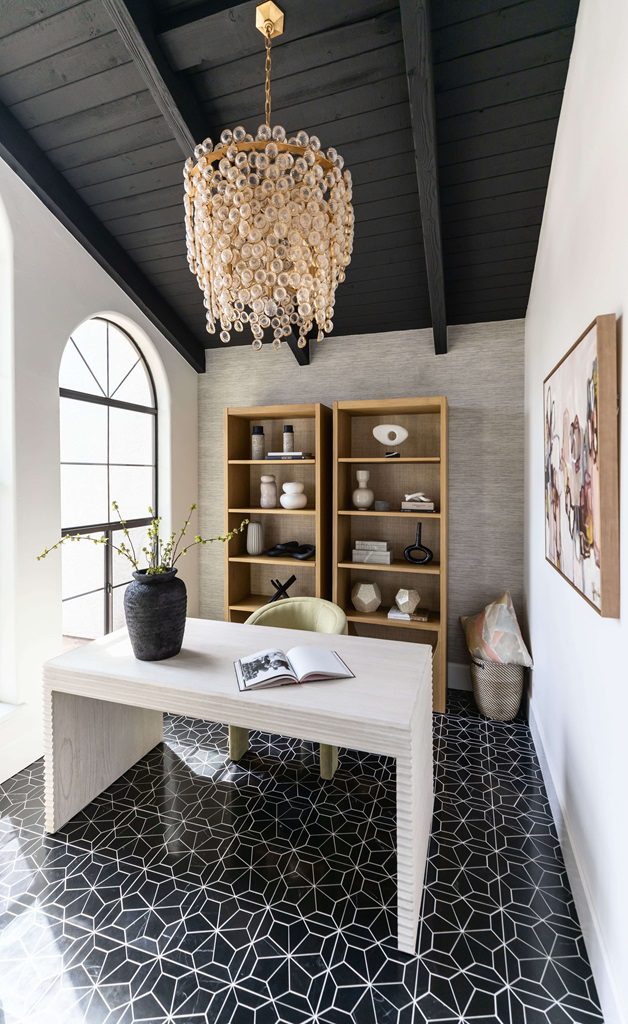
           Elegant office with black ceiling and chandelier

          Instilling Peace with Mindful Design Choices

          In a bid to create a tranquil home, focus on gentle, neutral colors like whites, beige, and subdued blues or greens. These colors relax the mind and create a feeling of restfulness. Equally, lighting has a crucial role. Opt for warm, dimmable light that imitates the natural daylight, which aids in reducing strain. 

          What’s more, getting rid of clutter is pivotal. Messy spaces cause a messy mind, so it’s crucial to prioritize organization and storage solutions to maintain a clean home. Keep in mind that your home should not be a showroom, but instead a tranquil refuge that represents a manageable and inviting space. Bringing in mental health designs can help integrate these principles seamlessly. 

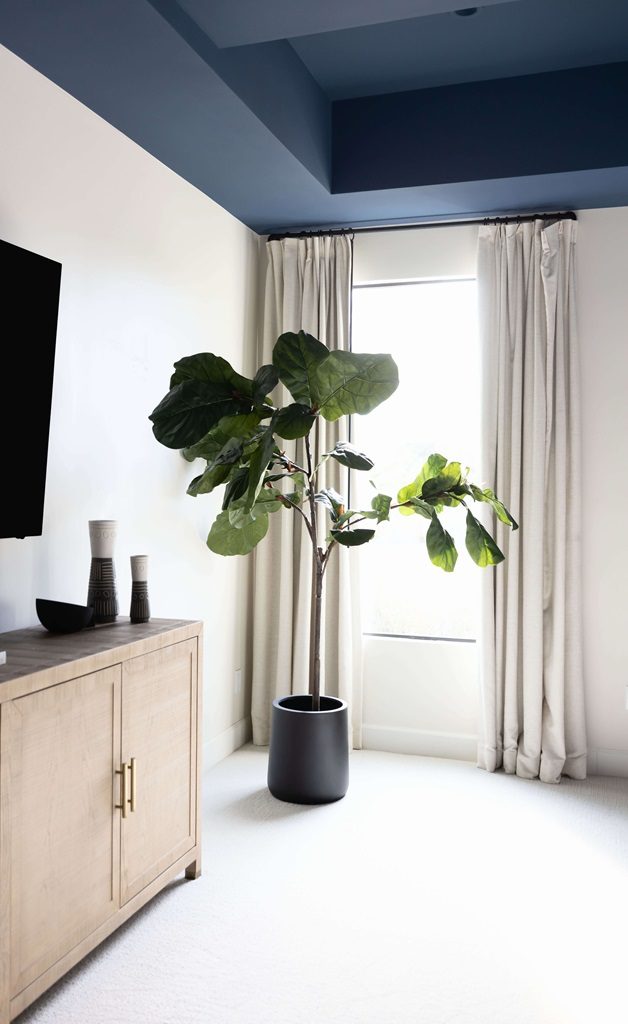
           Living room with blue ceiling and green plant

          Spaces That Stimulate Creativity and Motivation

          Everyone needs a space that sparks inspiration. It could be a home office, crafting zone, or reading alcove. Allocating a section of your home for creative activities can significantly boost your productivity and mental health. Seek to design a setup filled with natural light, body-friendly furniture, and elements that echo your personality, like meaningful artworks or decor. 

          Also contemplate the arrangement of your furniture. Position your desk or workspace facing a window to inspire your mind, while tactically planned layouts can instigate motivation to accomplish your tasks. Many homeowners trust a general contractor in Paradise Valley, AZ, to bring these creative designs to life. 

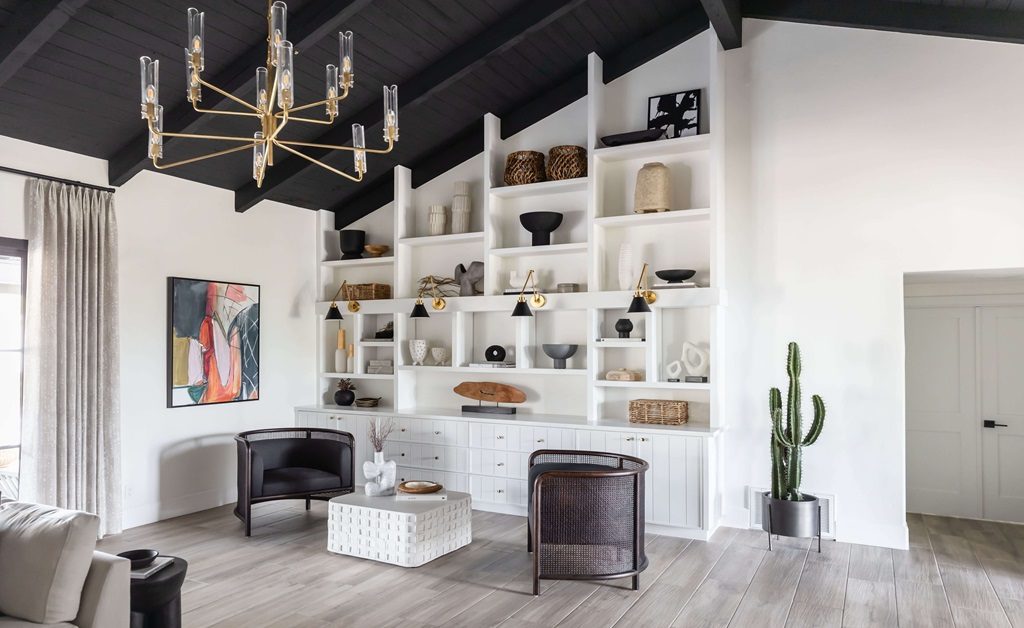
           Modern living room with black ceiling and cactus plant

          Promoting Well-Being via Comfort Spaces

          Comfort is vital to well-being, and cozy environments can turn your home into an ultimate haven. Smooth textures—like fluffy mats, oversized cushions, and warm throws—contribute to sensory comfort and help you unwind. Warm, earthy hues like terracotta, olive green, and muted browns evoke a sense of safety and stability. 

          Investing in superior furniture that boosts relaxation is also worth considering. A cushy sofa, a well-placed armchair, or a comfy mattress can greatly boost your overall wellness. These elements make your home a place you eagerly return to, after dealing with real-world challenges. Think about mental health in interior design, and you’ll truly elevate your space. 


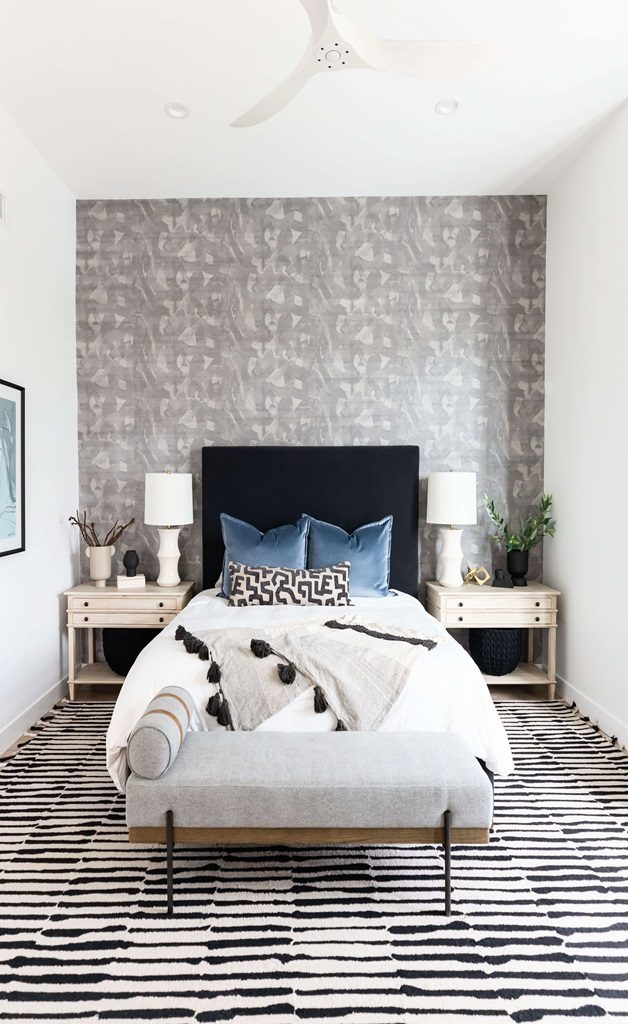
           Modern bedroom with black headboard and patterned rug

          The Influence of Nature in Home Decor

          Nature serves as a strong stress-reliever, and incorporating it into your home can greatly uplift your spirits. Incorporate houseplants to clean the air and liven up your spaces. If tending to plants seems daunting, start with low-care options like succulents or snake plants. 

          Natural materials like wooden furniture, stony surfaces, or woven fabrics instill an organic warmth and balance. If possible, design areas that merge the indoors with the outdoors, like a bedroom leading to a terrace or a window seat with a garden view. These elements align beautifully with principles of mental health design while adding a breath of fresh air to your living spaces. 

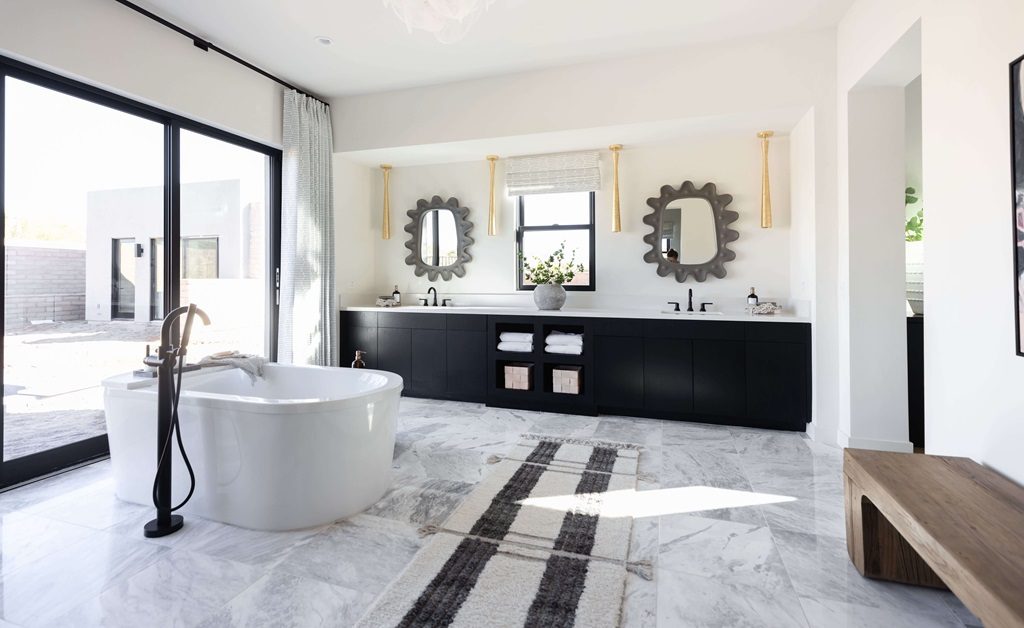
           Bright bathroom with freestanding tub and black vanity

          Minimalism and Mental Health 

          Embracing minimalism doesn’t involve stripping your space to the bone, rather, it’s about establishing equilibrium and removing surplus for a clearer mind. Minimalist spaces emphasize usefulness and spaciousness, reducing visual stress and promoting tranquility. Maintain only the elements that truly make you happy, and discard the redundant clutter. 

          Minimalism further deepens your attachment to the most vital parts of your home. By genuinely appreciating everything you keep, you foster an ambiance that feels deliberate and uniquely yours. This approach supports mental health in interior design, creating a calming and functional environment. 


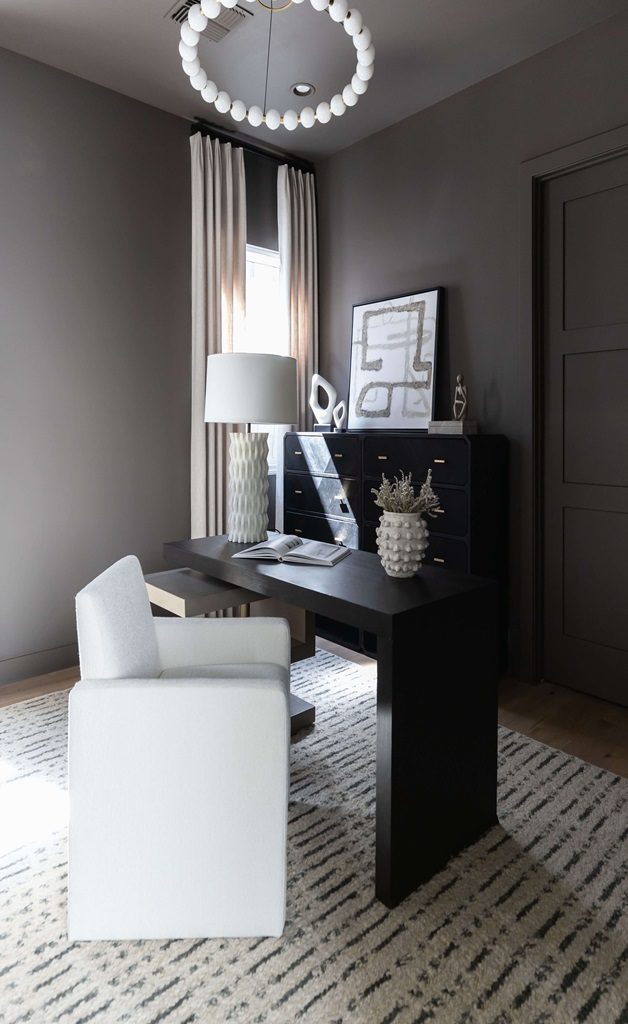
           Modern office with black desk and white chair

          Revamping Your Home for a Better You 

          Your home serves as more than just your living space—it’s your comfort zone, your source of creativity, and your tranquil escape. By concentrating on thoughtful decor elements like calming shades, comfortable furniture, and natural constituents, you can create an environment that enhances your joy and mental health. Begin with small alterations, try out different changes, and in time, your home could become the sanctuary you’ve always wanted.

          Learn More: 7 Interior Designing Tips for Better Mental Health & Wellbeing

          How Your Home’s Design Can Improve Your Health

          How Your Home’s Design Can Improve Your Health


          Your home isn’t just where you binge-watch your favorite shows—it’s your secret weapon for better health, happiness, and productivity. The right setup can either have your wellness soaring or leave you feeling like a wilted houseplant. With a little effort and creativity, you can turn your living space into a powerhouse for good vibes and well-being.

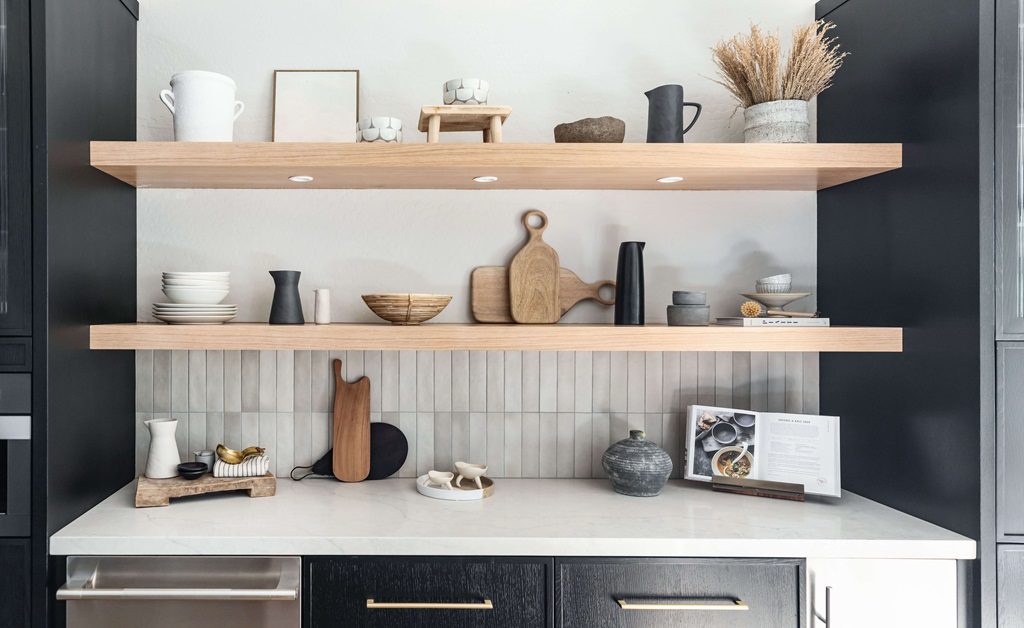
           Modern kitchen shelves with decor and dishes

          Exploring the Connection Between Health and Home Planning

          Air and Light Quality 

          The air you breathe and the light you are subjected to have critical roles in your health. Insufficient ventilation and sub-par air quality can intensify respiratory issues, while inadequate lighting can impact your mood, vigor levels, and sleep pattern. 

          On the other hand, homes filled with natural light and equipped with the right air filtration systems foster overall health by minimizing possible pollutants and enhancing indoor air quality. Interior designers in Scottsdale, AZ, often emphasize the importance of natural light and proper ventilation when creating homes that prioritize interior design and health.

             Blue upholstered bed with nightstands

            Natural Materials 

            The materials employed in your home’s design can also influence your health. Go natural or go coughing—timber, cork, and stone don’t just look good; they’re easy on the environment and your lungs. Unlike some artificial materials that sneakily release nasties like formaldehyde (looking at you, cheap flooring), these eco-friendly heroes keep your air clean and your conscience clearer. This is a key consideration in understanding how a well-designed home affects your health.

            Layout and Flow 

            The spatial configuration of your home also impacts your mental and physical health. An impractical home layout can lead to congestion due to clutter and unused space, heightening stress levels and causing annoyance. A layout that encourages easy movement creates peaceful and functional living surroundings. This demonstrates how a well-designed home impacts your health by reducing stress and enhancing functionality.

             Modern living room with beige sofas

            Color and Texture 

            Color psychology isn’t just theoretical—it has practical implications. Soft, neutral shades like beige or pale blues can induce a feeling of tranquility and relaxation, whereas vibrant colors like red can invigorate but may also lead to over-stimulation over time. Combining sensible color selections with textures like inviting rugs or sleek wooden furniture provides a comforting environment while lowering anxiety.

            Technology Incorporation 

            Smart home tech can further improve your health. Devices like air cleaners, circadian illumination systems, and automatic blinds are a few advancements that can enhance air quality, manage light exposure, and regulate sleep. When utilized prudently, technology can enhance other design details to establish a harmonious ecosystem in your home. Such innovations are vital aspects of interior design for health, blending style with functionality.

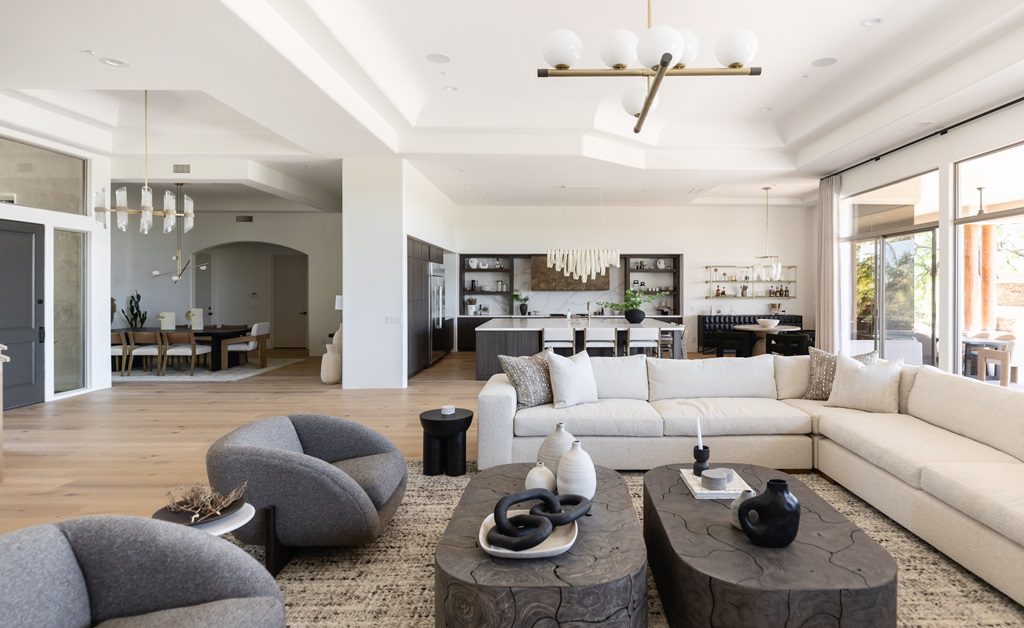
             Spacious living room with white sectional

            Helpful Steps for Designing a Health-Conscious Home

            Enhance Air Quality 

            Boost your home’s air quality by purchasing superior ventilation systems or air cleaners. Make sure your home is well-aired throughout the day to clear airborne contaminants and allergens. For an additional measure, choose filters that trap fine dust particles or injurious chemicals to guarantee purer air.

            Maximize Natural Light 

            Residences soaked in natural light don’t just look appealing—they also uplift mood and regulate your body’s internal clock. Choose options like expansive windows, glass doors, or skylights to fill your home with sunshine. At the same time, cut down on artificial light exposure at night by fixing blackout curtains and adjustable lighting.


             Modern kitchen with light wood cabinets

            Include Indoor Plants

            Plants act as natural air cleaners and mood enhancers. Spider plants, peace lilies, and snake plants are particularly efficient at removing harmful pollutants while contributing a hint of greenery to your home’s aesthetic. Taking care of plants can also decrease stress and induce feelings of fulfillment, demonstrating how a well-designed home affects your health in a tangible way.

            Declutter and Organize

            Untidiness is a covert stressor that’s often ignored. A cluttered and disorganized space can lead to anxiety, making it difficult to concentrate and unwind. Regularly declutter and assign a unique spot for every item. Use smart storage options like multipurpose furniture or wall-mounted shelves to keep your surroundings neat and harmonious.

            Adopt Non-Toxic Materials

            Watch out for the sneaky chemicals lurking in your furniture, paint, and decor. Swap that high-VOC paint for its low-VOC cousin, roll out a natural fiber rug, and say no to furniture that’s been dunked in questionable treatments. Even small switches, like upgrading to organic bedding and towels, can make a big difference. 

            Your home isn’t just four walls and a roof—it’s basically your wellness wingman, shaping your vibe and your wellbeing!

            Read More: How Home Design Contributes to a Healthy Lifestyle