Book a Free Consultation
Do You Need a Permit to Remodel a Bathroom​?

Do You Need a Permit to Remodel a Bathroom​?

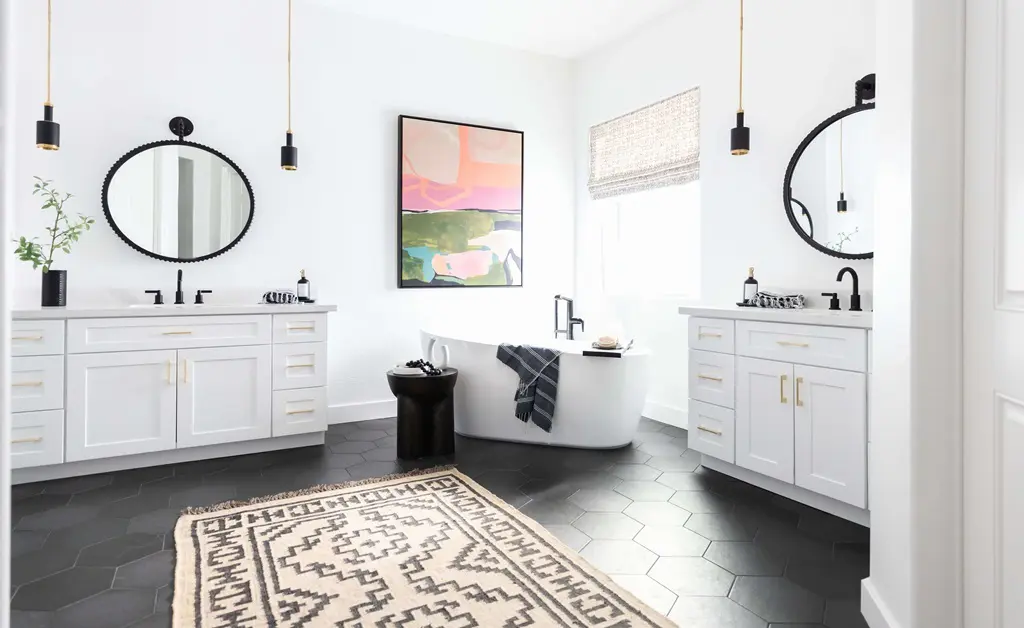
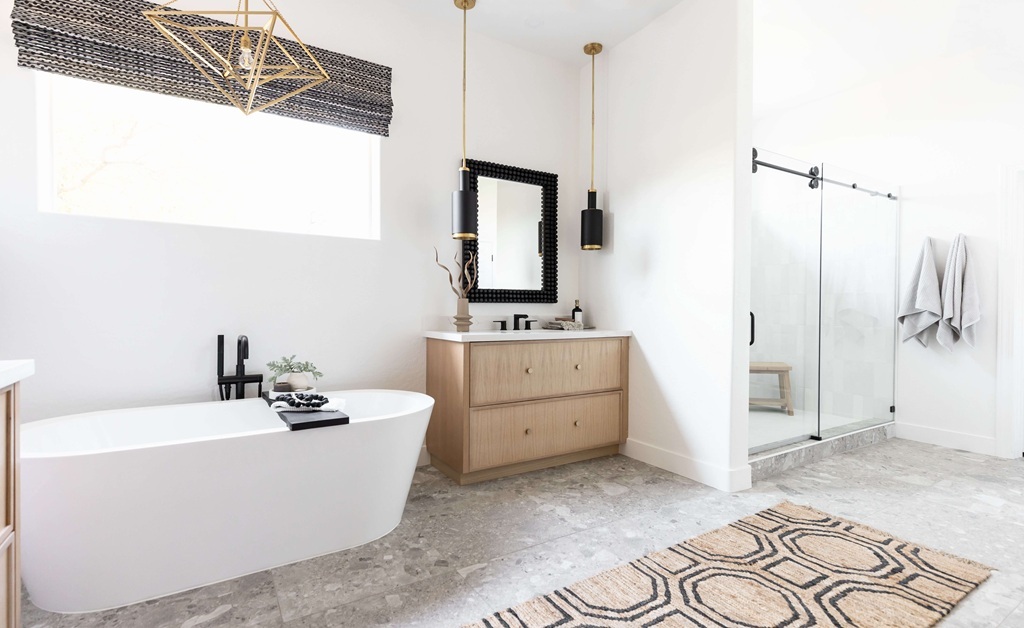
Bathroom remodels are one of the most popular home projects, adding functionality and value to your home. But before you select tiles or a new vanity, there is an important step homeowners often miss: determining whether or not you will need a permit. The proper permits make your remodel code-compliant and safe, and save you from fines or hassle down the line if you ever have to sell your home. If you are planning bathroom remodeling in Scottsdale, understanding local codes will also save you time and money.

Local Codes Vary More Than You Would Think

Remodel permits are not a one-size-fits-all deal. Permits and building codes are city, county, or municipal based. Something that would require a permit in one location could be a straightforward, no-permit-required situation in another.
In larger cities with strict building regulations, even minor electrical or plumbing alterations will require permits. In smaller towns or rural areas, permits may only be required for significant structural overhauls. Your first move before beginning a remodel should always be a trip to your city's website or a call to your local building department to get the facts. Interior designers and contractors will also have experience in this area. For a broader look at how permits work in Arizona, this overview of Arizona permit handling is a helpful reference.

What Kinds of Bathroom Projects Require a Permit

Not all bathroom work requires a permit. Cosmetic remodels like painting the walls, installing new lighting fixtures, or hanging a new mirror generally do not. When you are performing construction that changes the configuration of the bathroom, however, permits are generally required.

Plumbing and Electrical Work

If you are moving plumbing lines, say from a shower to a bathtub or relocating the sink, a permit will probably be needed. Changes to electrical work, like moving outlets or adding a heated floor system, almost always require permits to ensure they are code-compliant for safety. If you are wondering about the overlap between contractor roles and plumbing specifically, our article on whether a general contractor can handle plumbing work covers the key distinctions.

Structural Changes

Considering tearing out a wall or reconfiguring your bathroom footprint? Any change to a building's structure, including moving load-bearing walls or adding windows, likely requires a permit to ensure adequate support and compliance with safety codes.

Adding New Features

Larger projects such as adding a bathroom in an unfinished attic or basement will typically require a permit because such a project involves electrical, plumbing, and structural work together.

How to Obtain a Bathroom Remodel Permit

Getting permits seems daunting, but you do not necessarily have to tackle it by yourself. Most interior designers and general contractors will handle the permit process on your behalf. They know what forms to fill out, what plans to submit, and how to work with local inspectors.
Obtaining a permit usually involves submitting detailed design plans, paying an application fee, and scheduling one or more inspections at key stages of the project. The permit process can take anywhere from a few days to several weeks, depending on your municipality and the complexity of your project.

When a Permit Is Not Required

If the remodel is strictly cosmetic, such as refinishing cabinets, replacing faucets, or installing new tiles on existing surfaces, you most likely will not need a permit. Whether the remodel involves structural, plumbing, or electrical modifications will often be the deciding factor.
Before anything else, it is worth calling your local building department and asking about gray areas specific to your project. Doing the work without a required permit can lead to fines, forced remediation, or complications when reselling your home.

Remodeling Responsibly

Going through the process of determining whether you need a permit for your bathroom remodeling is an extra step, but one that is absolutely worth it to ensure the validity and safety of your project. Skipping permits may seem cheaper in the short term, but being properly permitted adds real value and peace of mind to your property.
If you are planning a bathroom remodel and want to understand the full scope of what is involved, our guide to what to expect during a remodel walks through the process from planning through completion. And if you are ready to get started, we are here to help guide you through every step, including the permit process, so it gets done right from beginning to end.


I oversee permitted bathroom remodels regularly across Scottsdale, Paradise Valley, and the broader Phoenix metro. The permit question comes up on nearly every project, and the answer depends on what specifically is being changed. Cosmetic updates generally do not require permits. Anything touching plumbing, electrical, or structure typically does. Here is how to think about it. — Lauren Lerner

Planning a bathroom remodel in Scottsdale or Paradise Valley?

We handle permits as standard. Let us talk about what your project requires.

Book a Discovery Call

Frequently Asked Questions

Do you need a permit to remodel a bathroom in Scottsdale?

In Scottsdale, bathroom remodels that involve moving or adding plumbing fixtures, relocating walls, changing the electrical panel configuration, or making structural changes require a permit. Cosmetic updates such as replacing tile, a vanity, or fixtures in the same location generally do not.

What bathroom work requires a permit in Arizona?

Any work that involves moving plumbing supply or drain lines, adding or relocating electrical circuits, structural changes including wall removal, or HVAC modifications requires a permit in most Arizona jurisdictions. A licensed general contractor can determine what your specific project requires.

Can I remodel a bathroom without permits?

Doing work that requires permits without obtaining them creates title and resale issues and means the work was not inspected. A design-build firm handles permitting as part of the standard scope, so you do not have to manage it yourself.

Ready to Transform Your Home?

Lauren Lerner and the Living with Lolo team work with clients across Scottsdale, Paradise Valley, Arcadia, and the greater Phoenix metro area.

Book a Discovery Call
Lauren Lerner, principal interior designer at Living with Lolo

Lauren Lerner

Principal Designer, Living with Lolo

Lauren Lerner is a luxury interior designer based in Scottsdale, AZ and the founder of Living with Lolo. Her work has been featured in Architectural Digest, House Beautiful, Vogue, Martha Stewart Living, The Wall Street Journal, and GQ. She specializes in high-end residential design across Scottsdale, Paradise Valley, Arcadia, and the greater Phoenix metro area.

Small Master Bathroom Renovation Ideas

Small Master Bathroom Renovation Ideas

Small primary bathrooms are one of the most consistently frustrating spaces in Scottsdale residential design, especially in homes built before 2005. The layouts were designed around a different standard of what a primary bath should be, typically a separate tub and shower, a compartmentalized toilet room, and a double vanity that does not actually have enough counter space for two people. The rooms were designed to check boxes rather than to function well or feel generous. And now, a decade or two later, clients are living in them and wondering why nothing feels right.
What I have learned from redesigning dozens of these spaces is that the fix is almost never about the finishes first. It is about the layout. A small bathroom with a wrong layout and beautiful tile still feels wrong. A small bathroom with a right layout and simple materials feels like a real room. Getting the spatial planning correct is the foundational step that everything else depends on.

Starting with Layout: The Decisions That Change Everything

In most small primary bathrooms, the biggest spatial gains come from eliminating the freestanding soaking tub. This is a hard conversation for some clients because the soaking tub feels like a luxury marker, something that signals the room is a real primary bath. But in a small space, a tub that gets used infrequently costs you significant square footage that could make the shower, the vanity zone, and the overall circulation feel genuinely generous. In my experience working with clients in Scottsdale and Paradise Valley, the tub gets used rarely once the novelty wears off. The shower gets used every day.
Moving to a curbless shower is the single change with the most spatial impact. A curbless shower with no glass threshold and a continuous floor tile plane reads as part of the room rather than as a separate compartment. The visual boundary disappears, and the room gains perceived square footage without changing the actual dimensions. Pair that with a frameless glass enclosure or a fully open wet room design, and the transformation is significant.
The floating vanity is the other layout decision that consistently delivers. A wall-mounted vanity with open floor space beneath it raises the visual floor line, which makes the room read taller and lighter. It also makes cleaning easier, which is a practical benefit clients appreciate immediately. If storage is a concern, custom millwork above and beside the vanity can replace what you lose in base cabinet depth.

The Tile Strategy for Small Bathrooms

Large-format tile in a small bathroom is counterintuitive to a lot of homeowners. The instinct is that large tile will overwhelm a small space. The reality is the opposite. Large-format tile with minimal grout lines reduces the visual noise of the floor and wall surfaces. The eye reads it as a single continuous material plane rather than a grid of small pieces. That reduction in visual complexity makes the room feel calmer and larger.
In the Scottsdale climate, I typically specify a warm stone-look porcelain in a 24x48 or 24x24 format for both floor and shower walls. Porcelain in a stone look gives you the visual warmth and natural variation of real stone with better performance characteristics in a high-moisture environment. Running the same tile on both the floor and the shower walls is the version of this strategy that works best in small spaces. The unified surface reads as a single material environment, which adds perceived depth.
Keep the palette to two or three materials maximum. In a small bathroom, every additional material introduces another visual layer that the eye has to process. A warm stone-look porcelain, a natural stone accent slab on the vanity surface, and a simple fixture metal finish are sufficient. Everything else is noise. For more detail on the permit and construction side of a bathroom renovation, our Arizona permits guide covers what to expect from that process.

Fixtures, Lighting, and the Finishing Details

Fixture selection in a small bathroom is about restraint and visual weight. Brushed brass and matte black are both strong choices in the Scottsdale luxury market right now, and both read well against warm stone materials. The important thing is consistency. Mixing metals in a small space adds complexity that the room does not have the square footage to absorb. Pick one and hold to it across the faucet, shower fixtures, towel bars, and lighting.
Lighting deserves more attention than it typically gets in bathroom renovations. In a small bathroom, the vanity lighting is doing most of the work. Side-mounted sconces at face height on either side of the mirror are the most functional approach, and they also read cleaner than an overhead bar. If natural light is limited, consider a mirror with integrated lighting as a way to add both task illumination and visual lightness to the vanity zone.
Heated floors are worth including in any Scottsdale bathroom renovation, particularly in primary bathrooms. The installation cost relative to the total project budget is small, and the daily comfort improvement is significant. In a climate where winter mornings are cool and summer air conditioning is heavy, a warm floor underfoot is one of those details that clients mention consistently in post-project feedback.

The Budget Reality and What to Prioritize

A well-executed small primary bathroom renovation in the Scottsdale luxury market typically falls in a range that depends heavily on the scope of layout changes and the material tier selected. If the layout stays largely intact and the scope is finishes, fixtures, and tile, the investment is substantially lower than a full gut renovation with layout reconfiguration. The layout changes are where the construction cost concentrates, because moving walls, plumbing, and electrical is labor-intensive regardless of the square footage involved.
If budget is a constraint, the priority order I recommend is: layout first, tile second, fixtures third. A correctly planned room with standard tile and simple fixtures will feel better than a wrong-layout room with expensive materials. The spatial planning is the investment that pays the most consistent return. For a full breakdown of what renovation projects cost in this market, our 2026 remodel cost guide has detailed benchmarks across bathroom renovation tiers.
If you are planning a bathroom renovation in Scottsdale or the broader Phoenix metro and want to talk through what the right scope and approach looks like for your specific space, reach out here. We work across the full range of primary bathroom projects, from targeted renovations to full gut rebuilds, and we manage the entire process from design through construction and installation.

Small primary bathrooms are one of the most common challenges in Scottsdale remodels, particularly in older homes that were not built with the current luxury bathroom standard in mind. I have redesigned dozens of these spaces and the most important lesson is that the spatial planning matters more than the finishes. Getting the layout right first is what makes the room actually feel larger. — Lauren Lerner

Planning a primary bathroom remodel in Scottsdale?

Bathroom renovations are some of our most requested projects. Let us walk you through what your space can become.

Book a Discovery Call

Frequently Asked Questions

How do you make a small master bathroom feel larger?

The most effective strategies for making a small bathroom feel larger are: using large-format tile with minimal grout lines, eliminating a separate shower threshold in favor of a curbless design, choosing a floating vanity to open the floor plane, maximizing natural light or adding vertical lighting, and simplifying the material palette to two or three elements rather than many.

What are the best finishes for a small bathroom remodel in Scottsdale?

Warm, light stone-look porcelain in large format performs well in the Arizona climate and reads as high-end without the maintenance of natural stone. Brushed brass or matte black fixtures read current and hold up well in hard water conditions common in the Valley. Heated floors are a worthwhile addition even in Arizona for the tactile comfort and the resale appeal.

Ready to Transform Your Home?

Lauren Lerner and the Living with Lolo team work with clients across Scottsdale, Paradise Valley, Arcadia, and the greater Phoenix metro area.

Book a Discovery Call
Lauren Lerner, principal interior designer at Living with Lolo

Lauren Lerner

Principal Designer, Living with Lolo

Lauren Lerner is a luxury interior designer based in Scottsdale, AZ and the founder of Living with Lolo. Her work has been featured in Architectural Digest, House Beautiful, Vogue, Martha Stewart Living, The Wall Street Journal, and GQ. She specializes in high-end residential design across Scottsdale, Paradise Valley, Arcadia, and the greater Phoenix metro area.

Choosing a Living Room Design – Modern vs Traditional

Choosing a Living Room Design – Modern vs Traditional

One of the first questions I ask new clients is whether they gravitate toward modern or traditional design. The answer usually comes quickly, almost instinctively, and then the follow-up is always more complicated. Because most people do not want a room that is purely one or the other. They want something that feels intentional and livable, not like a showroom or a museum replica.
Here in Scottsdale, the split between these two design directions is real. You have newer builds in DC Ranch and Silverleaf that lean contemporary, with clean lines, low-profile furniture, and an almost architectural restraint. Then you have older homes in Paradise Valley and Arcadia with original details, warm wood, and a formal sensibility that actually suits the lifestyle of the homeowners. Neither is wrong. But making the right choice for your specific space, your architecture, your family, and your daily life takes more than picking a Pinterest board.

What Modern Living Rooms Actually Look Like

Modern design is often misread as cold or minimal. The best modern living rooms I have designed are anything but. What defines the style is not a lack of warmth, it is a commitment to simplicity of form. Furniture has clean silhouettes. Upholstery tends toward solid fabrics rather than pattern. Built-ins and cabinetry have flush fronts and concealed hardware. Color palettes are controlled, usually anchored in neutrals with one or two deliberate accents.
In the desert, modern design has a natural home. The light here is intense and directional, and a room with too much pattern or ornamentation can feel visually exhausting by midday. Clean lines let the architecture breathe. Materials like concrete, stone, glass, and matte metals read beautifully against the landscape outside. When House Beautiful or Architectural Digest features a Scottsdale home, more often than not it leans in this direction for exactly that reason.
That said, modern living rooms fail when they are all surface and no warmth. I always bring in texture to counterbalance the clean lines. A chunky linen sofa, a live-edge coffee table, a handwoven rug, layered throw pillows in natural materials. The structure of the room is modern. The layers make it livable.

What Traditional Living Rooms Get Right

Traditional design gets a reputation for being stuffy, but that is almost always a failure of execution, not the style itself. A well-done traditional living room is one of the most comfortable spaces you can build. The furniture is scaled for actual human beings. There is pattern but it is intentional. Molding, millwork, and built-in bookcases add character that newer construction simply does not have.
What I love about traditional interiors is that they tend to age gracefully. A room anchored in quality antiques, good upholstery in durable fabrics, and classic architecture does not go out of style. Martha Stewart Living has championed this for decades. The trick is keeping it from tipping into frozen-in-time territory. Fresh paint colors, updated lighting, and edited accessories keep a traditional room from feeling like it belongs to a different era entirely.
In older Arcadia and Paradise Valley homes, traditional elements often already exist in the bones of the house. Crown molding, arched doorways, wood floors with warmth and history. Fighting those details in favor of a sleek modern interior rarely works as well as honoring them and updating the soft goods and finishes around them.

What Your Architecture Actually Wants

Here is the honest answer I give every client who comes to me with this question: your architecture has a vote. A flat-roofed contemporary build in North Scottsdale is going to resist traditional furniture and ornate details. A 1980s Santa Fe-style home in Paradise Valley is going to look strained if you try to turn it into a spare, loft-like space. The interior needs to respond to what is already there, including ceiling heights, window proportions, flooring materials, and the overall feel of the shell.
That does not mean you are locked in forever. A whole-home remodel is an opportunity to reorient the architecture entirely. We have taken homes with dated traditional bones and reworked them into something much more aligned with a modern sensibility, opening walls, removing heavy molding profiles, replacing carpeting with large-format tile or white oak. But that is a construction project as much as a design project, and it requires the right permits and licensing in Arizona to do properly.

Mixing Modern and Traditional: Where Most Scottsdale Living Rooms Land

The majority of living rooms I design are neither fully modern nor fully traditional. They live somewhere in the middle, which the design world calls transitional. A clean-lined sofa paired with an antique console. A neutral palette broken up by a Persian-style rug. Contemporary recessed lighting above a traditional fireplace surround.
This middle ground works because it reflects how most people actually live. Pure modernism can feel demanding to maintain and cold in the evening. Pure traditionalism can feel heavy and hard to update as your taste evolves. The balance point is where rooms feel both finished and adaptable.
The key to making this work is coherence. Every element you introduce should be in conversation with the others. The proportions need to be consistent. The finish tones, whether warm or cool, need to align across materials. When mixing periods and styles, I always build from one anchor piece, usually a sofa or an area rug, and make every other selection relate back to it.
If you are figuring out which direction is right for your living room or your whole house, I am happy to talk through it. The right answer is almost always more specific to your home and lifestyle than any style category can capture on its own.

This is a decision I help clients think through in nearly every living room project. The answer depends on the architecture, the client's lifestyle, and the other rooms in the home. In Scottsdale, the transitional approach often works better than either extreme because it reads as genuinely livable in a market where homes are used for entertaining and day-to-day life simultaneously. — Lauren Lerner

Redesigning your living room in Scottsdale?

Style direction is something we sort out quickly in a discovery call. Let us see your space.

Book a Discovery Call

Why layout and function matter before any style decision:

Frequently Asked Questions

What is the difference between modern and transitional living room design?

Modern design in a living room emphasizes clean lines, minimal decoration, cool or neutral palettes, and furniture with simple geometric forms. Transitional blends classic architectural detail and warmer materials with contemporary furniture and a more restrained palette. In practice, transitional feels more livable and ages better in residential settings.

Which living room style is most popular in Scottsdale?

Transitional and organic modern styles dominate the Scottsdale and Paradise Valley luxury market. Pure traditional is less common in newer construction. A warm contemporary or transitional approach fits most of the architecture built in this market over the past 20 years and photographs well for resale.

Ready to Transform Your Home?

Lauren Lerner and the Living with Lolo team work with clients across Scottsdale, Paradise Valley, Arcadia, and the greater Phoenix metro area.

Book a Discovery Call
Lauren Lerner, principal interior designer at Living with Lolo

Lauren Lerner

Principal Designer, Living with Lolo

Lauren Lerner is a luxury interior designer based in Scottsdale, AZ and the founder of Living with Lolo. Her work has been featured in Architectural Digest, House Beautiful, Vogue, Martha Stewart Living, The Wall Street Journal, and GQ. She specializes in high-end residential design across Scottsdale, Paradise Valley, Arcadia, and the greater Phoenix metro area.

Can a General Contractor Do Plumbing​ Work?

Can a General Contractor Do Plumbing​ Work?

When it comes to a home renovation, homeowners often wonder: can a general contractor do plumbing work? In order to answer that correctly, you must be aware of the difference between a general contractor and a licensed plumber and what level of legality and capability each has.
This question comes up on almost every remodel I run. It matters for your project budget, your permit compliance, and ultimately the legal protection you have as a homeowner. Here is how Arizona handles it and how it plays out in practice on Living with Lolo projects.

What a General Contractor License Covers in Arizona

In Arizona, general contractors are licensed by the Registrar of Contractors (ROC). A general contractor license authorizes the holder to manage and coordinate construction projects, including hiring and overseeing licensed subcontractors. The GC license itself does not grant the right to perform every trade independently. Specific trades, including plumbing, electrical, and HVAC, require their own separate specialty licenses in Arizona.
That means a general contractor can legally oversee plumbing work on your project, but the actual licensed plumber performing the work must hold an Arizona plumbing contractor license issued by the ROC. The GC manages the project, coordinates scheduling, and is responsible for the overall outcome. The licensed plumber executes the work that requires that specific credential.
This is not a loophole or a technicality. It is how the system is designed to work, and it exists to protect homeowners. Plumbing work done by unlicensed individuals is not just a code violation. It can void your homeowner's insurance, create problems with title at resale, and leave you with no legal recourse if the work fails.

What Plumbing Work Typically Comes Up in a Remodel

On a kitchen or bathroom remodel, plumbing is almost always involved to some degree. At minimum, fixture connections need to be updated when you replace a sink, faucet, or toilet. At the more involved end, a layout change that moves a sink across the kitchen or adds a second bathroom vanity requires rough plumbing relocation, which is a more significant scope and absolutely requires a licensed plumber.
Common plumbing tasks in a renovation include relocating supply and drain lines, replacing water heaters, installing under-slab plumbing, adding or relocating gas lines to ranges and cooktops, and connecting to new fixtures. Each of these requires a licensed plumber and, in most cases in Maricopa County, a permit. Bathroom remodel permits cover plumbing specifically, and inspections confirm the work meets code before walls close.

How This Works on Living with Lolo Projects

Because Living with Lolo holds an active general contractor license through the Arizona ROC, I pull permits for the full scope of projects including plumbing. I work with licensed plumbing subcontractors who are vetted, insured, and consistently reliable. The relationship between our GC operation and our plumbing subs is long-standing, which matters practically because scheduling in Scottsdale and the broader Phoenix market is competitive.
What this means for you as a client is that you do not need to find and manage a plumber separately. You do not need to coordinate their schedule against the tile setter or the cabinet installer. That coordination is my job, and doing it correctly is what keeps a remodel moving on time. The design-build model is specifically built to handle this kind of multi-trade coordination without the hand-off problems that arise when a homeowner is trying to manage each subcontractor independently.

Red Flags to Watch for When Hiring a Contractor

If a contractor tells you they can handle plumbing themselves without a separate licensed plumber, that is a significant concern. It either means they hold a specialty plumbing license in addition to their GC license, which is uncommon and worth verifying, or they are planning to perform work outside their license scope. Either way, ask to see the license, verify it on the ROC website, and confirm the license type covers what they are proposing to do.
Another red flag is a contractor who discourages pulling permits on plumbing work to save time or money. The permit process exists to protect you. Uninspected plumbing that fails inside a wall or under a slab is an expensive problem. More importantly, work done without permits is work you cannot verify met code, and that becomes your problem when you sell the house or file an insurance claim.
Remodel costs in Arizona are substantial, and the best protection for that investment is a licensed GC who runs a compliant project with properly licensed tradespeople at every phase. That is the standard I hold myself to on every project, and it is the question I would encourage you to ask any contractor you are considering. If you have questions about what your specific project requires, reach out directly and I am happy to walk through it with you.

This question comes up regularly in design-build projects because our clients want to understand what our team can and cannot self-perform. The answer in Arizona depends on the contractor's license classification and what subcontractors are licensed for. Here is the clear version of how it works. — Lauren Lerner

Questions about what a design-build firm handles on your project?

We handle everything including licensed trade coordination. A discovery call will answer all of this for your specific scope.

Book a Discovery Call

Frequently Asked Questions

Can a general contractor do plumbing in Arizona?

In Arizona, general contractors can manage and oversee plumbing work but the actual licensed plumbing trade work must be performed by a licensed plumbing contractor. A GC on a design-build project coordinates licensed plumbers as subcontractors. This is standard practice and does not affect your experience as a client.

Does Living with Lolo handle plumbing in remodels?

Yes. As a licensed general contractor, Living with Lolo coordinates all licensed trade work including plumbing as part of our design-build scope. You do not need to find or manage a separate plumber. We handle all subcontractors as part of our standard process.

Ready to Transform Your Home?

Lauren Lerner and the Living with Lolo team work with clients across Scottsdale, Paradise Valley, Arcadia, and the greater Phoenix metro area.

Book a Discovery Call
Lauren Lerner, principal interior designer at Living with Lolo

Lauren Lerner

Principal Designer, Living with Lolo

Lauren Lerner is a luxury interior designer based in Scottsdale, AZ and the founder of Living with Lolo. Her work has been featured in Architectural Digest, House Beautiful, Vogue, Martha Stewart Living, The Wall Street Journal, and GQ. She specializes in high-end residential design across Scottsdale, Paradise Valley, Arcadia, and the greater Phoenix metro area.

How Much Value Does Remodeling a Kitchen Add to Your Property?

How Much Value Does Remodeling a Kitchen Add to Your Property?

The question of kitchen remodel ROI comes up in almost every initial client conversation I have in Scottsdale. Homeowners want to know whether the investment will come back to them when they sell, and that is a completely reasonable question when you are considering spending $150,000 or $400,000 on a single room. The honest answer is: it depends significantly on quality of execution and on how the kitchen compares to buyer expectations at your specific price point. In the luxury segment of the Scottsdale and Paradise Valley market, a kitchen that is outdated relative to what buyers expect is not a neutral factor. It is a meaningful liability.
I have completed kitchen renovations across the Phoenix metro at a wide range of investment levels, and the pattern I have seen consistently is that a well-executed renovation returns strong value, and a poorly executed renovation returns much less than expected. The kitchen is the room that sophisticated buyers evaluate most carefully. They know what it costs to redo it if they have to, and they price that cost directly into their offer.

How Buyers at the Luxury Price Point Evaluate Kitchens

Buyers purchasing homes at $2 million and above in Scottsdale, Paradise Valley, and Arcadia are not looking for a kitchen with potential. They are looking for a kitchen that needs nothing. This is a buyer profile that has lived in well-designed spaces, has seen a lot of kitchens, and has real opinions about what constitutes quality. They will notice whether the cabinet construction is solid or whether it is a lower-tier product with a high-end finish applied. They will notice whether the appliance package reflects current standards. They will notice whether the layout actually works for the way people cook and entertain.
At this price point, the cost of a kitchen that does not meet expectations is borne by the seller in the form of reduced offer prices or extended time on market. Real estate agents in this market are direct about this. A listing with a dated kitchen in a $2.5M home will be priced down and will sit longer. The renovation cost that feels large when you are planning it is often smaller than the discount a buyer extracts for not renovating.
Below the luxury tier, the ROI calculation is different. At lower price points, an over-invested kitchen can price a home above its comparables in ways that limit the return. But in the luxury segment specifically, the floor for kitchen quality is high and a renovation that meets or exceeds that floor is priced accordingly.

What Makes a Kitchen Actually Return Its Investment

Not all kitchen renovations return equally. The ones that perform best share a few characteristics: the layout is genuinely functional for entertaining, the appliance package reflects current standards, the materials are durable and high-quality rather than just visually impressive, and the design has enough longevity to not read as dated within a few years of completion.
Layout is the factor most often underweighted. A kitchen that photographs beautifully but has poor workflow, insufficient counter space, or awkward traffic patterns will not satisfy buyers who cook or entertain regularly. In Scottsdale's indoor-outdoor culture, the kitchen-to-outdoor-living connection is particularly important. A kitchen that opens cleanly to an outdoor kitchen and living area, or that has strong sightlines to a pool or landscape view, adds value that a purely interior-focused kitchen does not.
Appliance selection matters more than clients sometimes expect. In the luxury market, buyers recognize Miele, Wolf, Sub-Zero, La Cornue, and Gaggenau. They also recognize when a kitchen has been finished with aspirational aesthetics and budget appliances. The appliance package signals to buyers whether the renovation was done by someone who understood the market or by someone cutting corners where they hoped buyers would not look. I always recommend matching the appliance investment to the cabinet and material quality. The mismatch is visible and it reads as a red flag.

The Scottsdale Market Specifically

There are a few things about the Phoenix metro luxury market that affect the kitchen ROI calculation in ways that national data does not capture. The indoor-outdoor living orientation here means that kitchen design is always considered in relationship to the outdoor space. A kitchen renovation that does not address the connection to the outdoor kitchen, covered patio, or pool area is leaving value on the table.
The design standard in Scottsdale has also shifted significantly in recent years. What read as a luxury kitchen five years ago, white Shaker cabinets with quartz countertops and stainless appliances, reads as middle-of-the-road today. The buyers who are moving into the market from Los Angeles, the Bay Area, New York, and Chicago bring a different reference point. They have seen kitchens designed by firms that appear in Architectural Digest and House Beautiful, and they know the difference between a kitchen that is technically updated and one that is genuinely well-designed.
For a detailed look at what kitchen renovations cost at different tiers in this market, our 2026 remodel cost guide breaks down investment ranges across project types. And if you want to understand what the full process of a kitchen renovation looks like from design through completion, our remodel process guide covers the timeline and scope of a typical project.

Planning a Kitchen Renovation: Where to Start

The first conversation in any kitchen renovation project should be about goals and timeline. If you are renovating to improve daily living and you plan to stay in the home for five or more years, the calculus is different from a renovation timed to a planned sale. Both are valid, but they produce different decisions about investment level and design approach.
If you are renovating ahead of a sale, work with your real estate agent to understand what the current market expects at your price point, and match the renovation to that standard without over-investing in features that will not return. If you are renovating for yourself, the standard is what makes the space work for how you actually live, which may be a different and more personal calculation.
In either case, the quality of execution is the variable that determines the outcome. A well-conceived, well-executed kitchen renovation with strong spatial planning, appropriate materials, and current appliances will perform well regardless of whether you are staying or selling. A renovation that cuts corners on layout or materials to hit a lower number will show those compromises in the finished product and in the market response. Our services page explains how we approach kitchen projects from initial concept through construction and installation. If you are ready to start the conversation, reach out here and we can talk through what the right scope looks like for your home.

I have completed kitchen renovations across Scottsdale, Paradise Valley, and Arcadia at every investment level, and the pattern is consistent: well-executed kitchen renovations in the luxury segment return strong value in this market. The key words are well-executed. A kitchen that photographs beautifully but has poor layout, insufficient storage, or substandard appliances will not return what a thoughtfully designed kitchen does. — Lauren Lerner

Planning a kitchen remodel in Scottsdale or Paradise Valley?

Kitchen renovations are among the highest-impact investments in this market. Let us talk about yours.

Book a Discovery Call

What a kitchen remodel transformation looks like:

Frequently Asked Questions

How much value does a kitchen remodel add in Scottsdale?

Well-executed kitchen remodels in the Scottsdale and Paradise Valley luxury market consistently show strong returns. At the luxury level, a kitchen that reflects current design standards, has quality appliances, and functions well for entertaining adds both resale value and the intangible value of daily enjoyment. The return is strongest when the design is genuinely good, not just new.

What is the ROI of a kitchen remodel in Arizona?

The ROI varies significantly by quality of execution and how the kitchen compares to market expectations at your price point. In the Scottsdale luxury market, a kitchen that is outdated relative to buyer expectations at your listing price is a much bigger liability than the cost of renovation. Buyers at the $2M+ level expect a kitchen that needs nothing.

Ready to Transform Your Home?

Lauren Lerner and the Living with Lolo team work with clients across Scottsdale, Paradise Valley, Arcadia, and the greater Phoenix metro area.

Book a Discovery Call
Lauren Lerner, principal interior designer at Living with Lolo

Lauren Lerner

Principal Designer, Living with Lolo

Lauren Lerner is a luxury interior designer based in Scottsdale, AZ and the founder of Living with Lolo. Her work has been featured in Architectural Digest, House Beautiful, Vogue, Martha Stewart Living, The Wall Street Journal, and GQ. She specializes in high-end residential design across Scottsdale, Paradise Valley, Arcadia, and the greater Phoenix metro area.