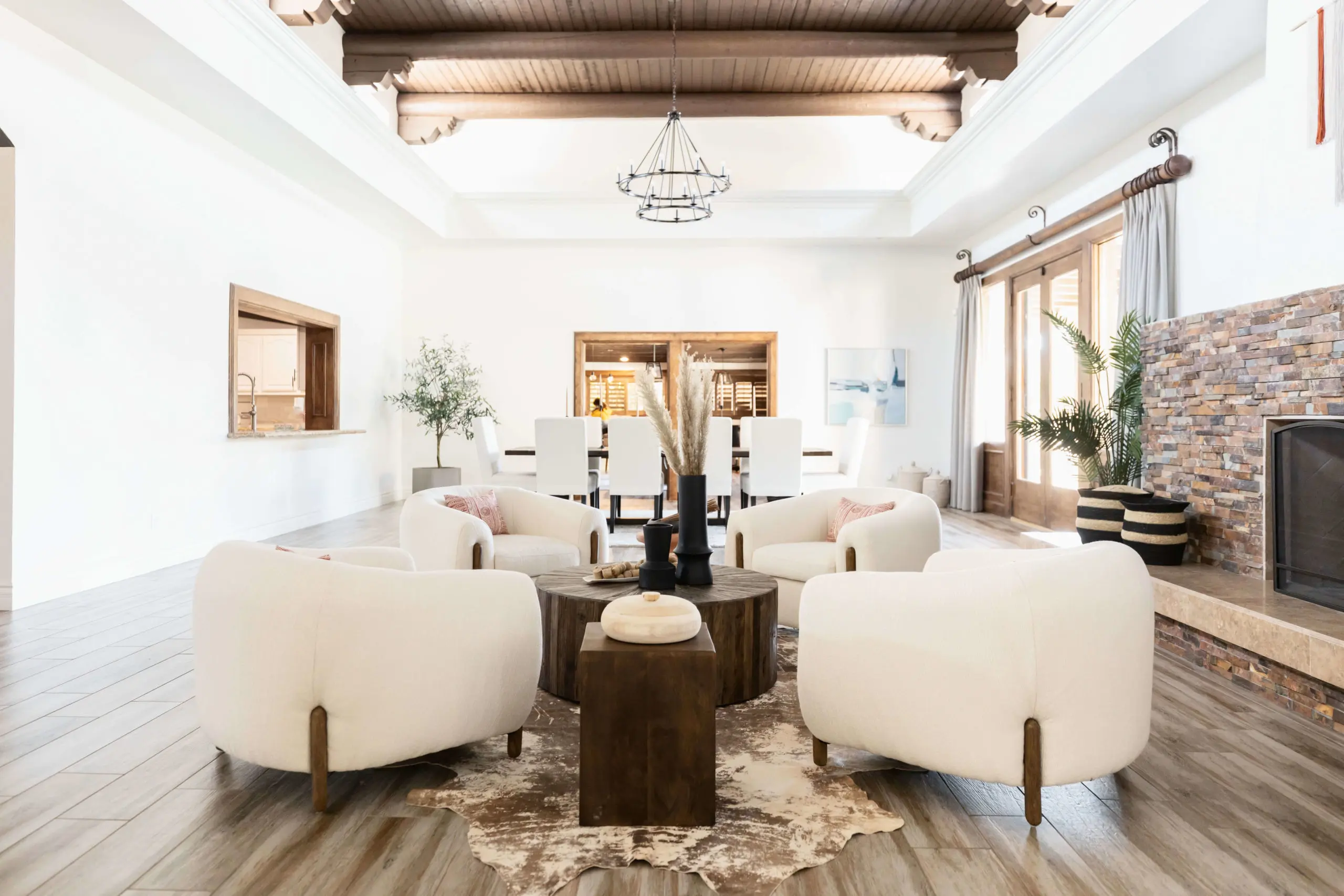
Santa Fe style is a regional design language built on adobe architecture, exposed wood vigas, kiva fireplaces, hand-plastered walls, and an earth-tone palette drawn from the high desert.
The two dominant strains are Pueblo Revival, which is soft, rounded, and adobe-forward, and Territorial, which adds crisp brick coping, painted wood trim, and squared-off detail. This guide breaks down both, the materials that define them, and how to bring them into a luxury home without turning it into a museum. Living with Lolo designs and manages
interior design in New Mexico projects that honor this vocabulary while living the way modern families actually live.
What Is Santa Fe Style?
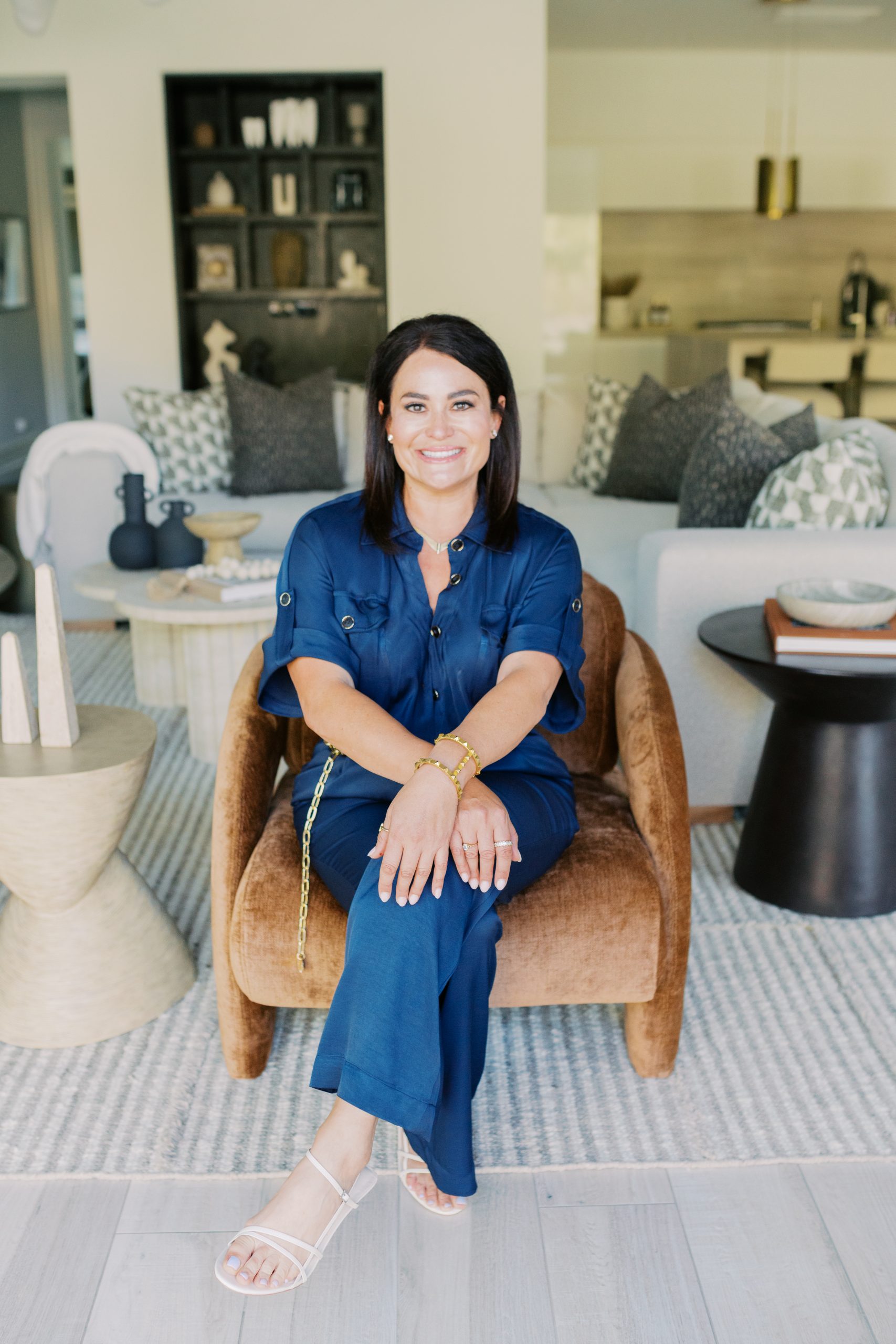
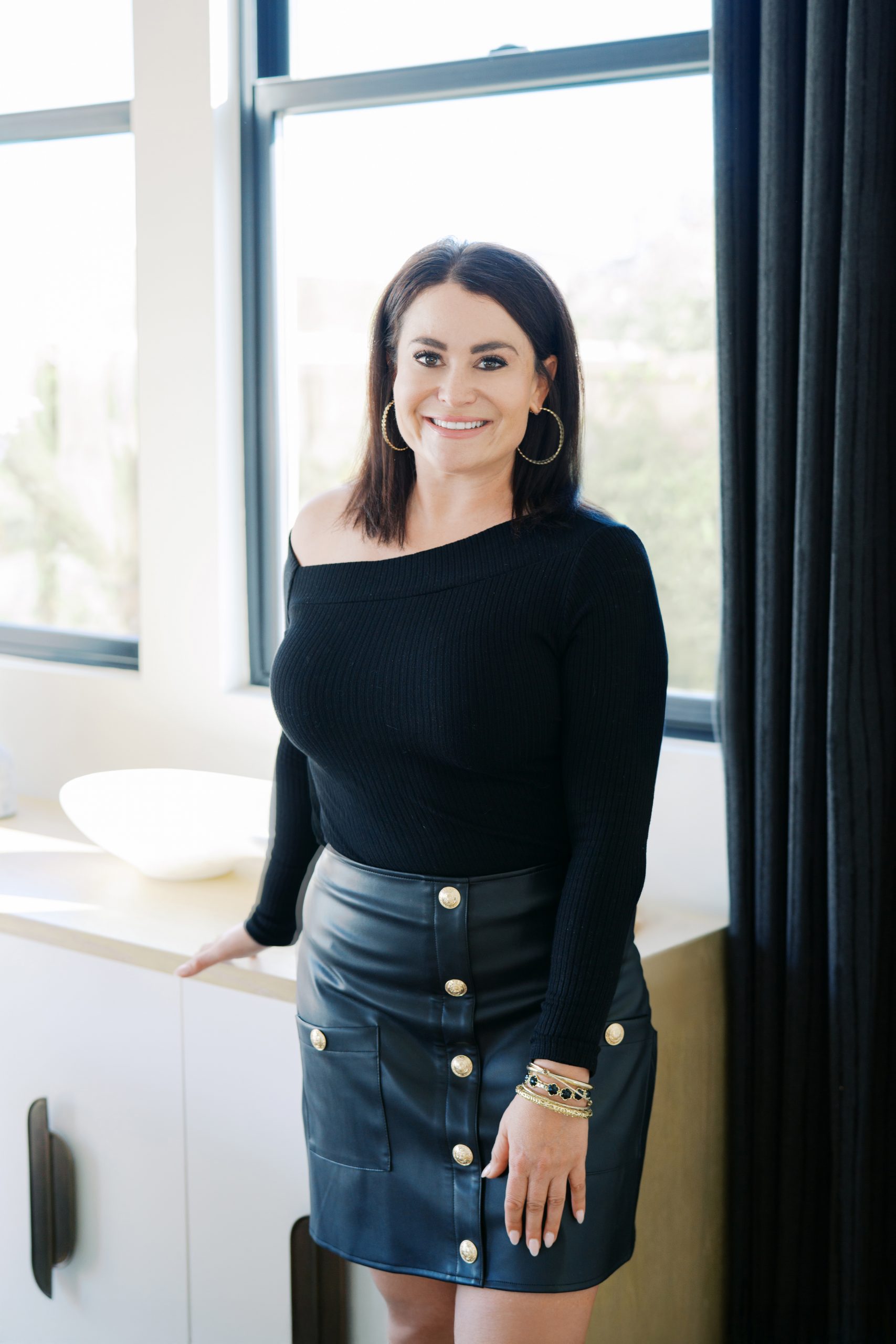
Santa Fe style grew out of centuries of Pueblo, Spanish Colonial, and territorial-era building in northern New Mexico. Its hallmarks are thick adobe or adobe-look walls, flat roofs with projecting canales, rounded parapets, deep-set windows, and interiors organized around a kiva fireplace. Because the style is tied to climate and craft, it reads as timeless rather than trendy. Living with Lolo, led by Albuquerque native Lauren Lerner, designs interiors that speak this language fluently, the same standard that has made it a
luxury interior designer Scottsdale homeowners already trust.
Pueblo Revival: Soft, Rounded, Adobe-Forward
Pueblo Revival is the look most people picture when they think of Santa Fe. It is defined by rounded, hand-sculpted wall edges, earthen or lime-plaster finishes, exposed vigas and latillas, bancos, nichos, and corner kiva fireplaces. Color stays close to the landscape: sand, clay, terracotta, and warm whites, with accents in turquoise, ochre, and deep red. Done well, it feels grounded and serene. Done poorly, it tips into theme-park Southwest, which is the trap a skilled designer helps you avoid.
Territorial Style: Crisper Lines and Painted Trim
Territorial style emerged in the mid-1800s when milled lumber and fired brick reached New Mexico. It keeps the adobe mass but adds more formal, squared-off detail: brick coping along the parapet, painted wood window and door trim, squared portal posts, and Greek Revival influences. Compared to Pueblo Revival, Territorial is more symmetrical and precise. Many Santa Fe and Albuquerque estates blend the two, adobe warmth with Territorial crispness, and knowing where to draw that line is a design decision, not an accident.
The Materials That Define the Look
A credible Santa Fe interior is built from real materials: hand-troweled or diamond plaster walls, vigas and latillas overhead, saltillo or reclaimed terracotta tile, flagstone, wide-plank wood, hand-forged iron, carved wood doors and corbels, and handmade tile in kitchens and baths. Because Living with Lolo holds an active Arizona General Contractor license (ROC #347577), it can coordinate the trades that install these correctly rather than handing that risk to the homeowner. That same construction fluency drives its work as a
general contractor in Scottsdale, and it informs how the firm approaches
kitchen and material budgets.
How to Do Santa Fe Style Without It Feeling Dated
The mistake that ages a Santa Fe home is treating the style as a costume: too much saltillo, every surface a different terracotta. The luxury version is restrained. Keep the architectural bones honest, then let the furnishings breathe with clean-lined upholstery, contemporary art, and a few genuine artisan pieces. This is the same editing instinct behind Living with Lolo's
luxury interior design work, applied to a very different regional vocabulary.
Where Santa Fe Style Works Best in New Mexico
The style is native to Santa Fe and premier areas like Las Campanas, Tesuque, and along the Old Santa Fe Trail, but it also appears throughout Albuquerque's North Valley, Los Ranchos, Corrales, and Placitas, and in Taos, where a stronger contemporary art culture pushes the look toward the modern. See recent work in the
Living with Lolo portfolio, and learn how the firm runs projects in our
design and build process.
What the Data Shows
Regional style tracks with value. Santa Fe's luxury tier grew 11.3 percent year over year at the 90th percentile while the national number fell, per the
Santa Fe Q1 2026 luxury market report, and roughly 70 percent of Santa Fe buyers come from out of state, per the
Wall Street Journal and Realtor.com Luxury Housing Market Ranking. Living with Lolo has been named Phoenix Magazine Best Interior Design in 2024, 2025, and 2026, recognized on Houzz's Best of Houzz list every year since 2018, and named to Inc. Magazine's 2026 Best Workplaces and Southwest Regionals lists, recognition that sets the firm apart from most Santa Fe design studios. To talk through a Santa Fe style project, explore our
services or
contact the team.