If transitional design resonates with you, explore our transitional interior design service page to see how we apply this approach on projects in Scottsdale and Paradise Valley. You may also want to read about what full-service luxury interior design costs in Scottsdale before your first consultation, and what questions to ask any designer you are considering for your project.
What Is Transitional Interior Design? A Designer’s Guide
Transitional interior design is the style I describe most often when clients ask me what their home should look like. Not contemporary, not traditional , something that sits between those two and holds the best of both. Most of the high-end residential work I do in Scottsdale and Paradise Valley lives in this space, even when clients come in not knowing the word for it.
The style emerged as a response to a genuine design problem. Pure contemporary interiors , minimal, cool, hard-edged , can feel cold and livable only in theory. Traditional interiors with heavy ornament and formal symmetry can feel dated and stiff. Transitional design resolves that tension by keeping the warmth and human scale of traditional design while editing out the fussiness, and keeping the clean lines and material restraint of contemporary design while editing out the austerity.
The result is a space that feels current without chasing trends, comfortable without being casual, and polished without being formal. In my experience, it is the style most likely to still look exactly right ten or fifteen years after the project is completed.
What Makes a Space Transitional
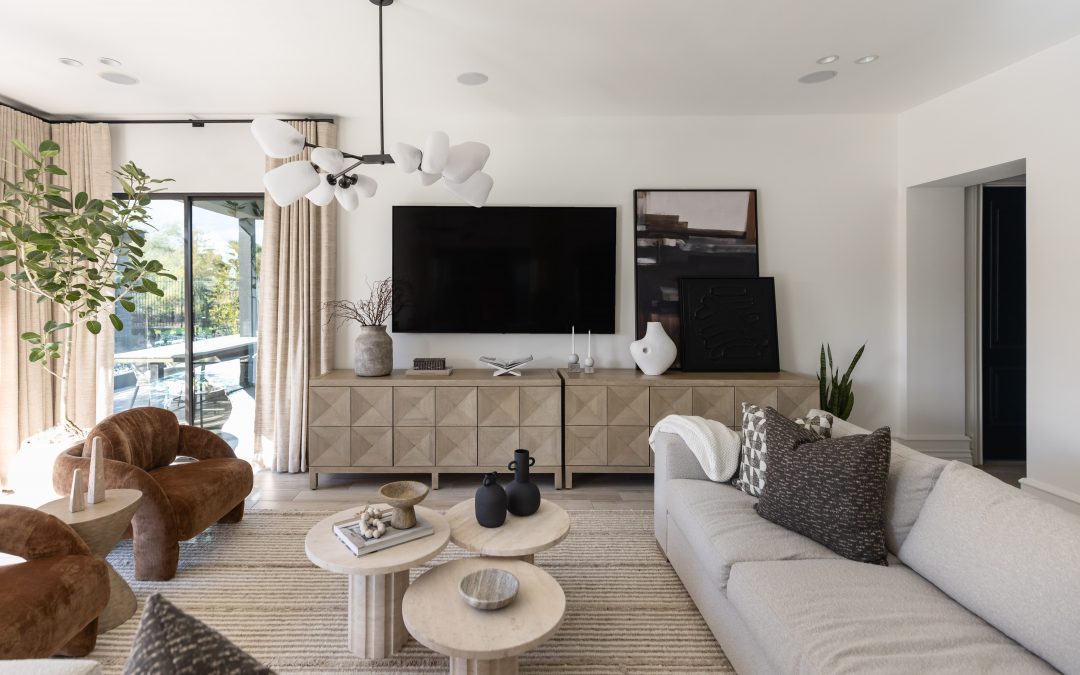
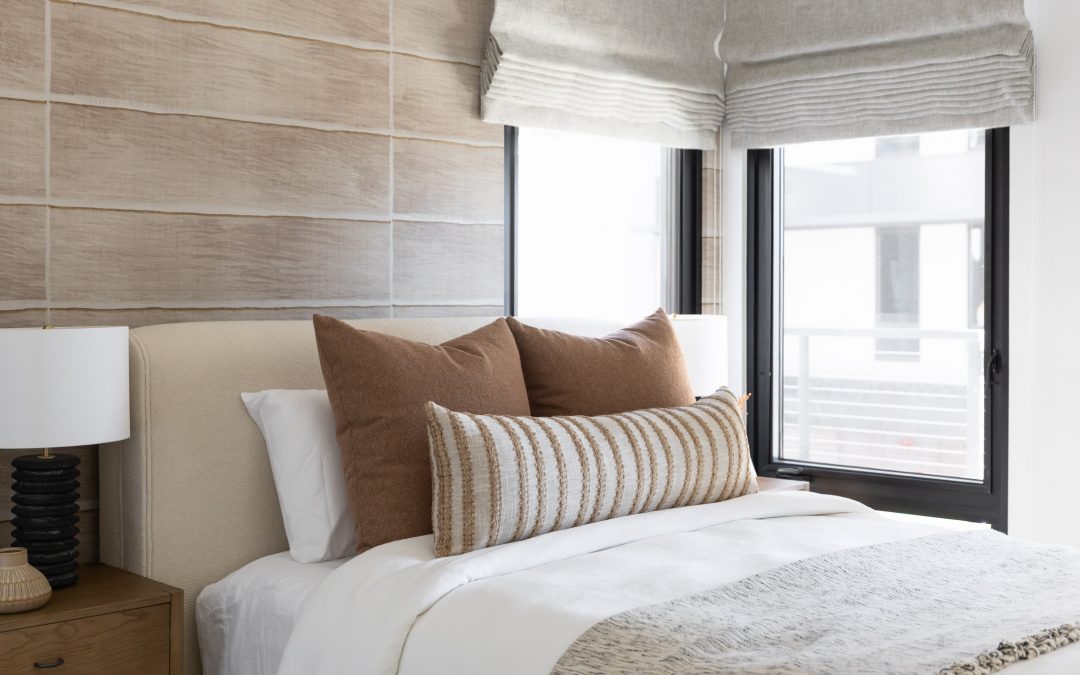
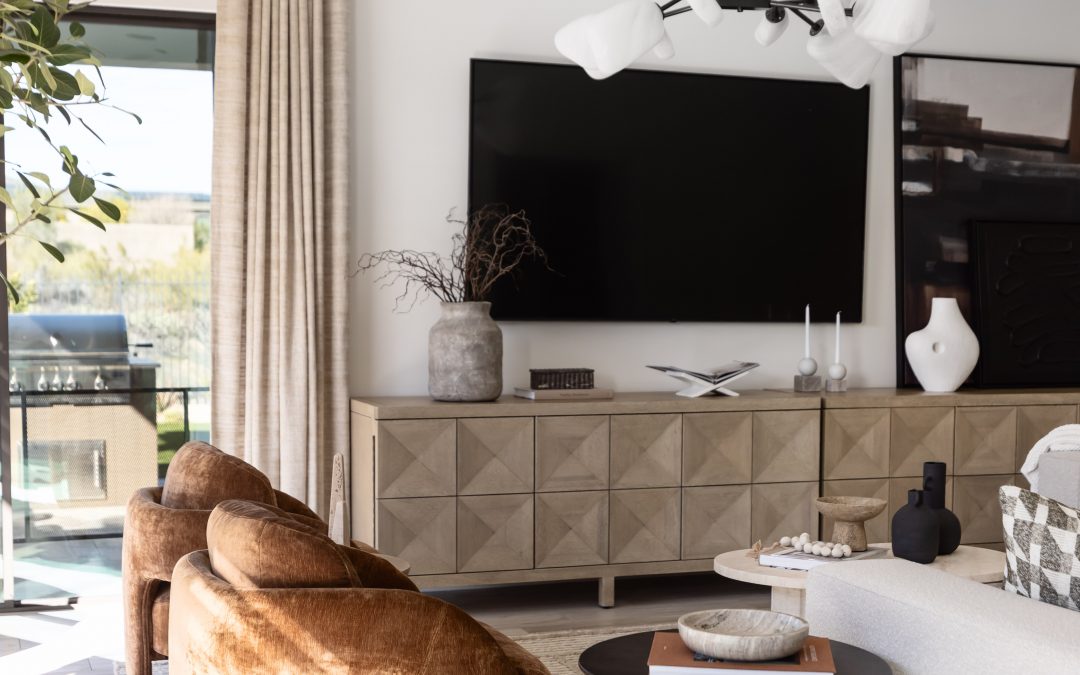
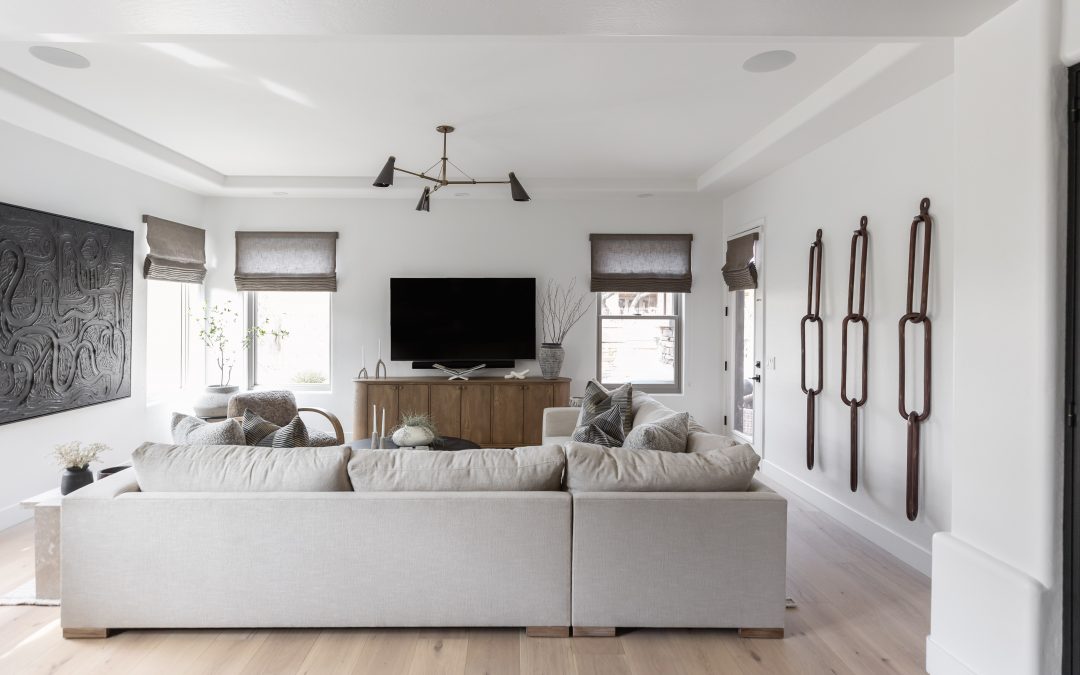
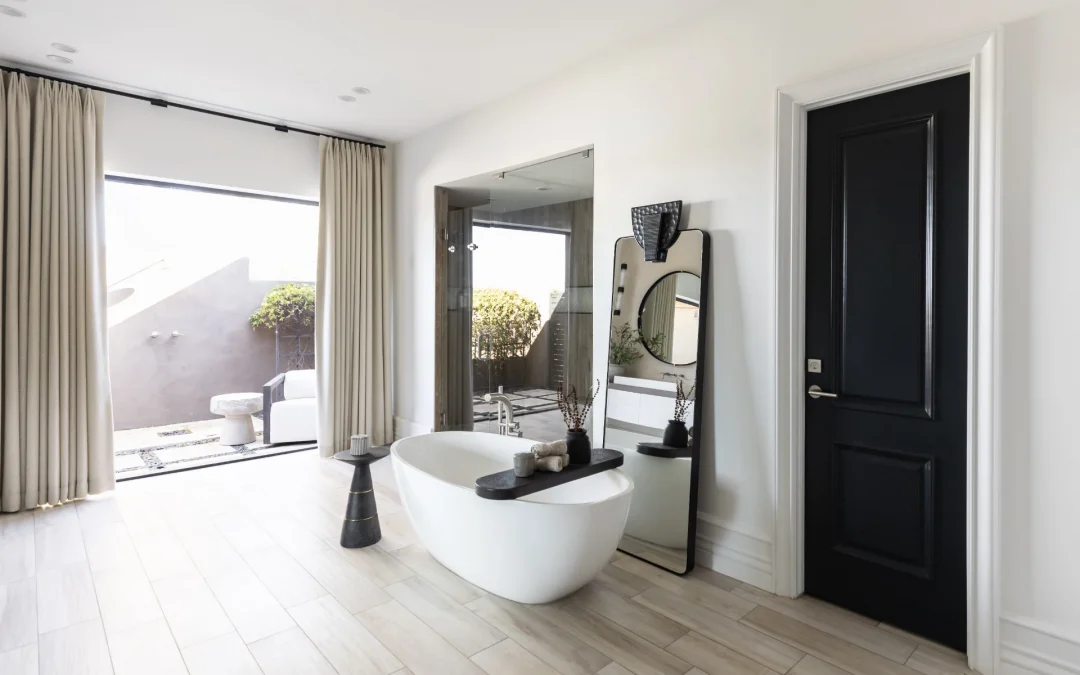
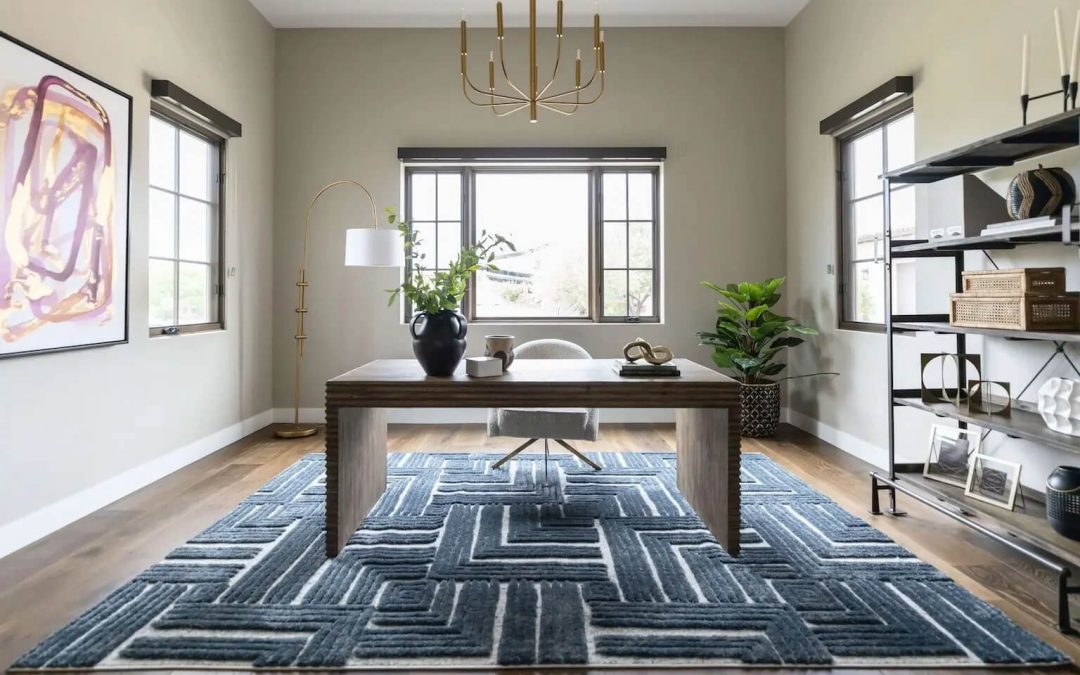
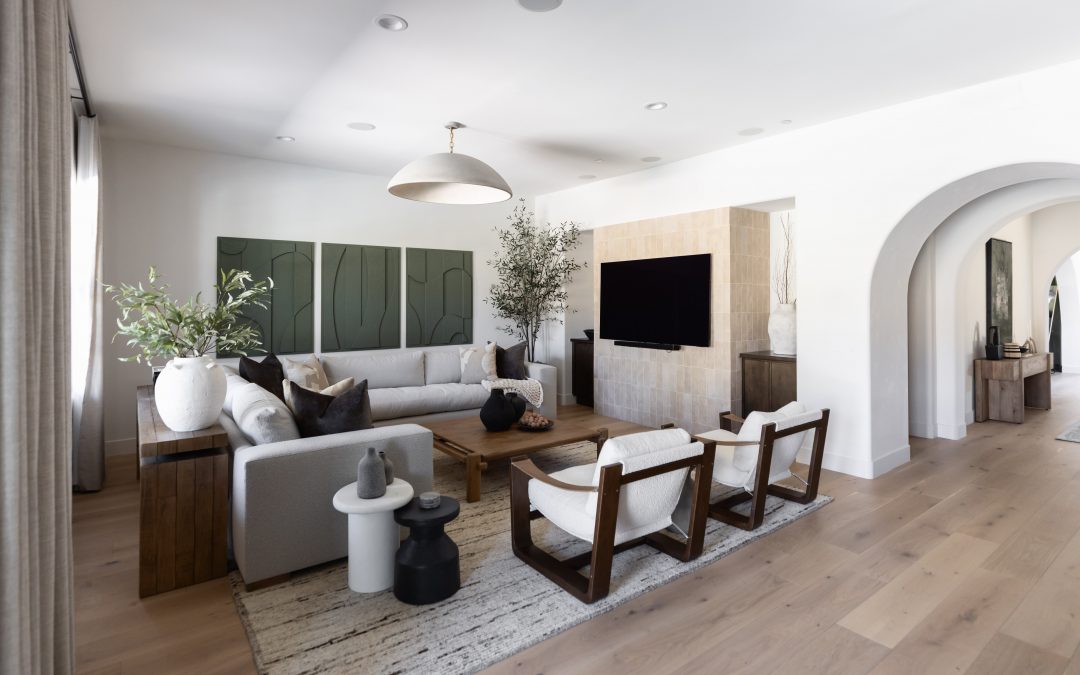
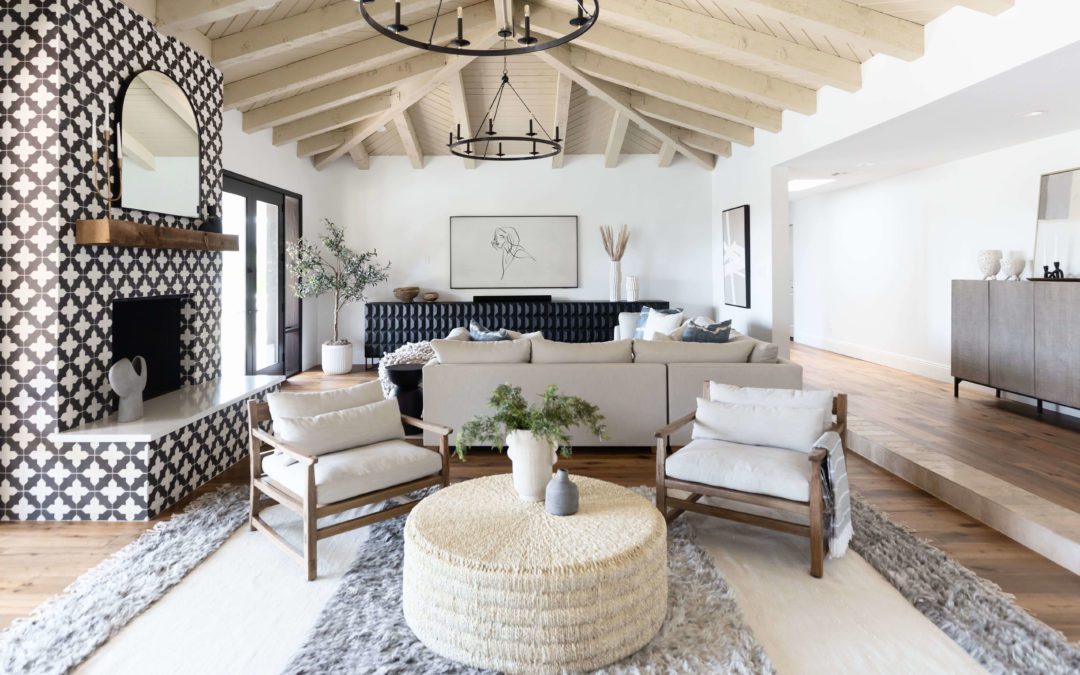
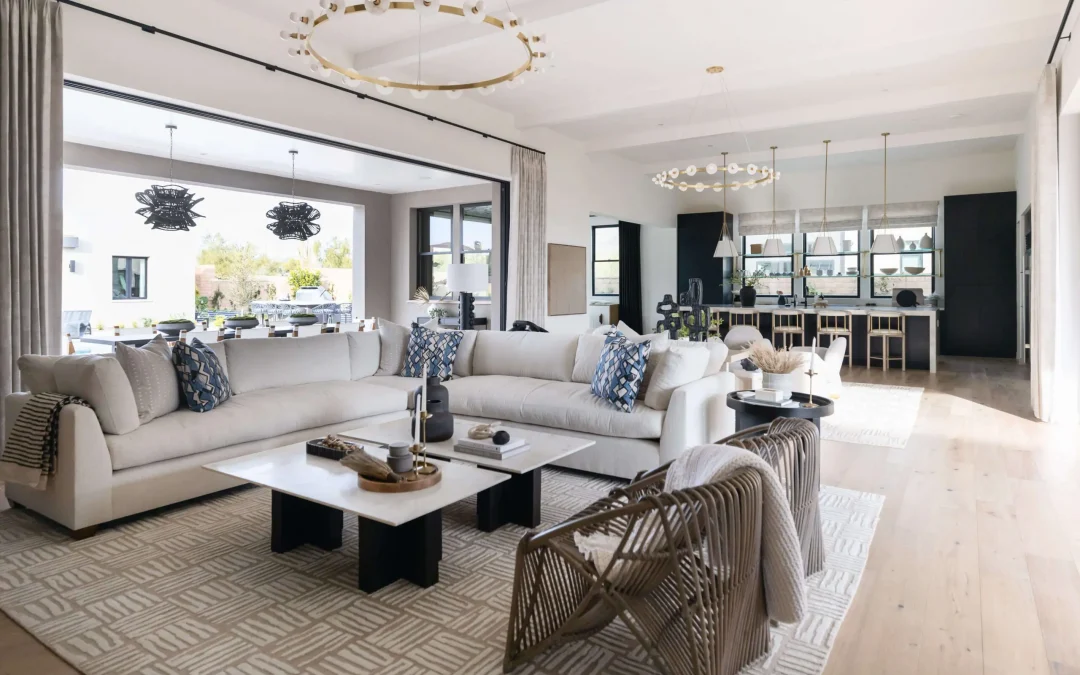
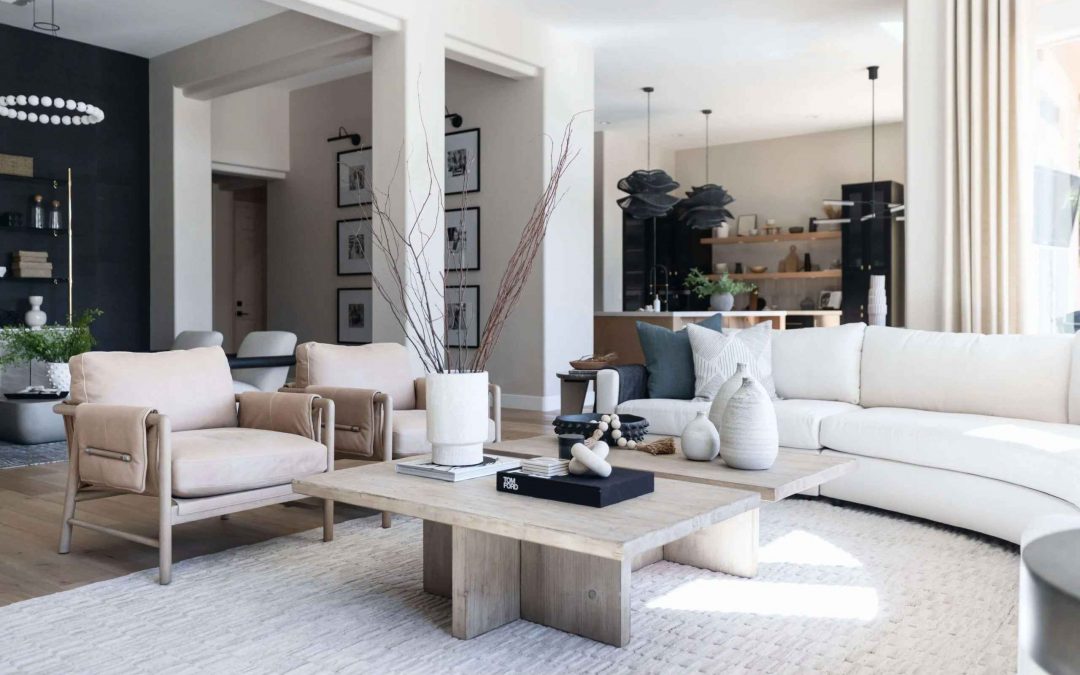
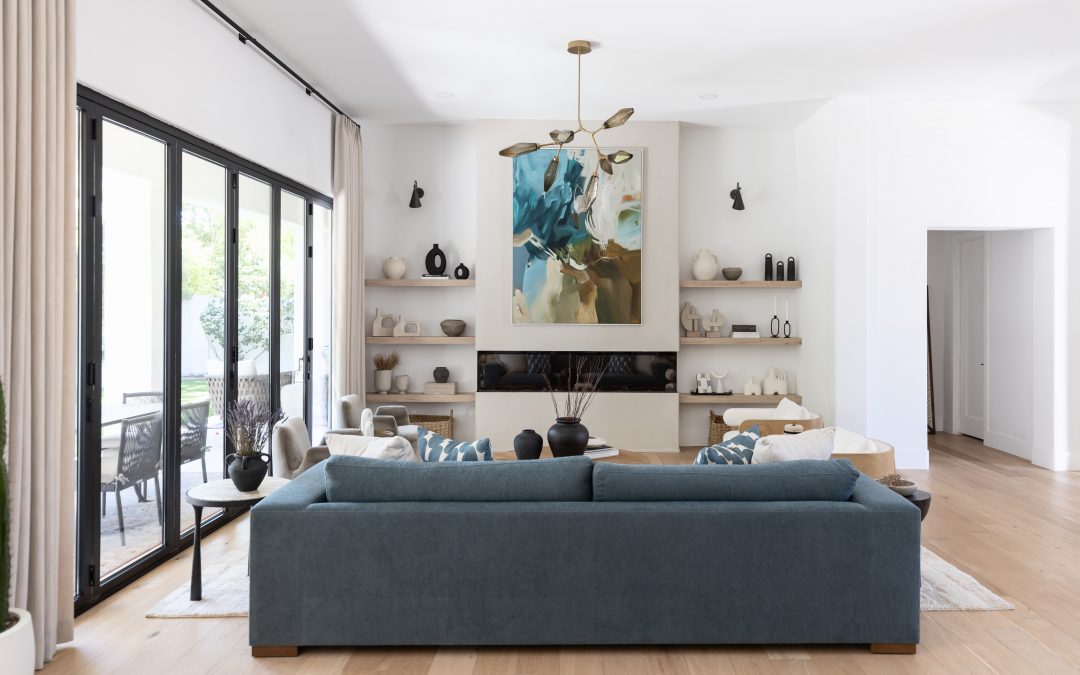
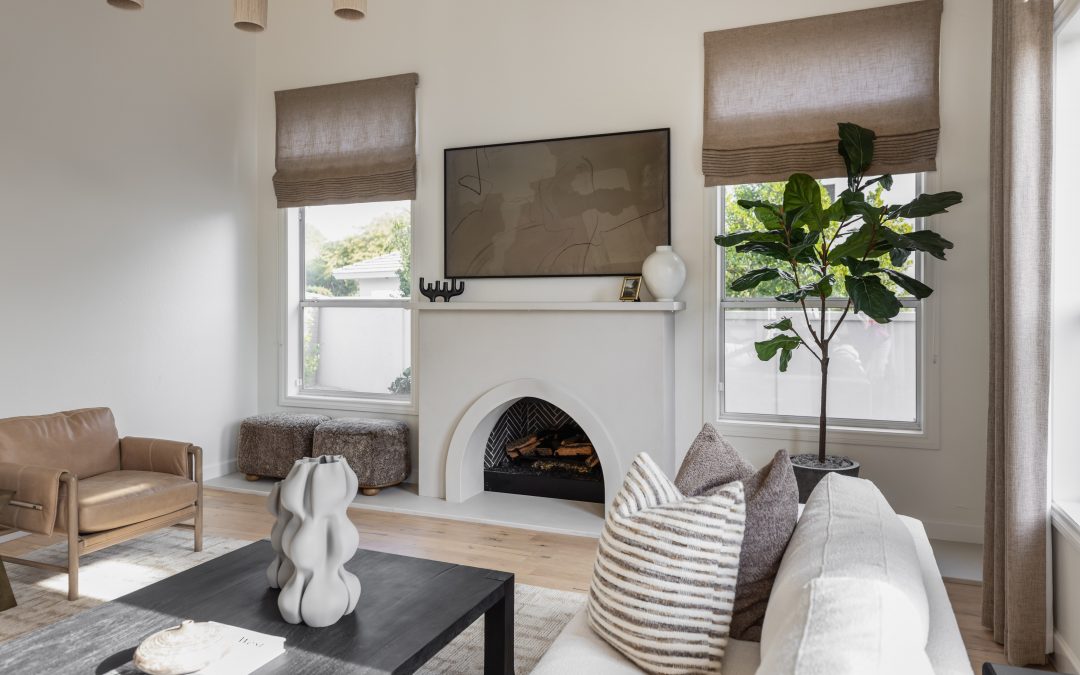
Transitional design is defined less by any single signature element and more by a consistent set of decisions across every layer of a space. The furniture tends toward cleaner silhouettes than you would see in a traditional room , no carved legs, no rolled arms , but with upholstery fabrics and proportions that read as warm rather than minimalist. Think a sofa with a tight, straight back and slope arms in a textured linen, rather than either a tufted Chesterfield or a sleek modular sectional.
Cabinetry in a transitional kitchen or bath is typically shaker style , the classic five-piece door that bridges traditional craftsmanship and contemporary simplicity. Hardware tends to be simple and geometric rather than ornate, often in brushed nickel, unlacquered brass, or matte black. The palette leans neutral: warm whites, greiges, taupes, and soft charcoals, grounded by natural materials like wood, stone, and linen rather than saturated color.
Architectural details follow the same logic. Crown molding may be present but it is simple , a clean casing rather than an elaborate dentil profile. If there is a fireplace surround, it is more likely marble slab than brick or tile mosaic. The lines are clean, but the materials are warm.
Why Transitional Works Especially Well in Scottsdale
The Scottsdale and Paradise Valley residential market has a design character that makes transitional style particularly well-suited to the region. Homes here tend toward large footprints, high ceilings, and significant indoor-outdoor connection. The landscape is warm, textured, and earthy. The architecture, particularly in North Scottsdale and the guard-gated communities, runs toward desert contemporary , clean geometry, natural stone, stucco and glass.
Transitional design bridges that architecture and the human interior beautifully. It borrows the material warmth of the desert landscape , the natural wood, the stone, the organic textures , while maintaining the clean, uncluttered geometry that the architecture demands. A fully traditional interior would fight the building it lives in. A fully contemporary interior would feel disconnected from the warmth of the setting. Transitional design finds the register that makes both the architecture and the interior feel intentional and unified.
For families with children, it also has a practical advantage: transitional interiors tend to be highly livable. The scale is comfortable, the materials are durable in a residential way (as opposed to minimalist interiors that often require precious materials to be treated carefully), and the rooms read as put-together without being untouchable.
How I Apply Transitional Design at Living with Lolo
Most of my whole-home projects in Scottsdale and Paradise Valley start from a transitional foundation, even when clients come in asking for "modern" or "warm contemporary." What they are usually describing, when I ask them to show me images they respond to, is transitional , spaces with clean lines and edited detail that still feel inviting and grounded in natural material.
My approach as a Scottsdale interior designer starts with the architecture. I look at ceiling height, natural light, the relationship between interior and exterior, and the existing material palette of the home. From there we develop a finish and material strategy that bridges the building and the client's lifestyle. The furniture selection builds on that foundation, always looking for pieces that are well-proportioned, well-made, and designed to last rather than to reflect a moment in time.
Because Living with Lolo manages both design and construction, the transitional details , the cabinetry profiles, the millwork, the built-ins , are executed by the same team that designed them. That continuity matters. Transitional design looks effortless when every detail is executed with precision. It falls apart when the construction team is interpreting drawings rather than carrying the design intent firsthand.
Transitional interior design is the style I would describe as the default language of luxury residential design in Scottsdale and Paradise Valley. Most of the homes I work on fall somewhere in this aesthetic spectrum, even when clients do not use that word. My work has appeared in Architectural Digest, House Beautiful, and Vogue, largely in spaces that live in this space between traditional warmth and contemporary clarity. , Lauren Lerner, Living with Lolo
Interested in a transitional design for your Scottsdale home?
Living with Lolo designs homes across Scottsdale, Paradise Valley, and Arcadia. A discovery call is the best way to understand what your specific project needs.
Book a Discovery CallWhy layout and flow matter more than any finish:
Frequently Asked Questions
What is transitional interior design?
Transitional interior design combines classic architectural elements and warm, traditional details with clean contemporary lines and a restrained color palette. It avoids the formality of traditional design and the starkness of minimalism, landing instead in a space that feels current, comfortable, and timeless.
What is the difference between transitional and contemporary design?
Contemporary design reflects current trends and tends toward a more minimal, cooler aesthetic. Transitional design is more enduring, layering classic proportions and warm materials with updated finishes. It is often described as the style most likely to still feel fresh 10 to 15 years after a project is completed.
Is transitional interior design popular in Scottsdale?
Yes. Transitional design is particularly well-suited to Scottsdale and Paradise Valley homes because it bridges the warmth of the desert landscape with the modern, clean architecture typical of high-end Arizona construction. It allows organic materials, natural textures, and warm neutrals to coexist with contemporary cabinetry and hardware.
How do I know if transitional design is right for my home?
If you want a space that feels polished and current without feeling cold or trend-driven, transitional design is likely a strong fit. It is also very livable, which matters in high-traffic family homes. During a discovery call, we can walk through your home and talk about which direction makes the most sense.
Ready to Transform Your Home?
Lauren Lerner and the Living with Lolo team work with clients across Scottsdale, Paradise Valley, Arcadia, and the greater Phoenix metro area.
Book a Discovery Call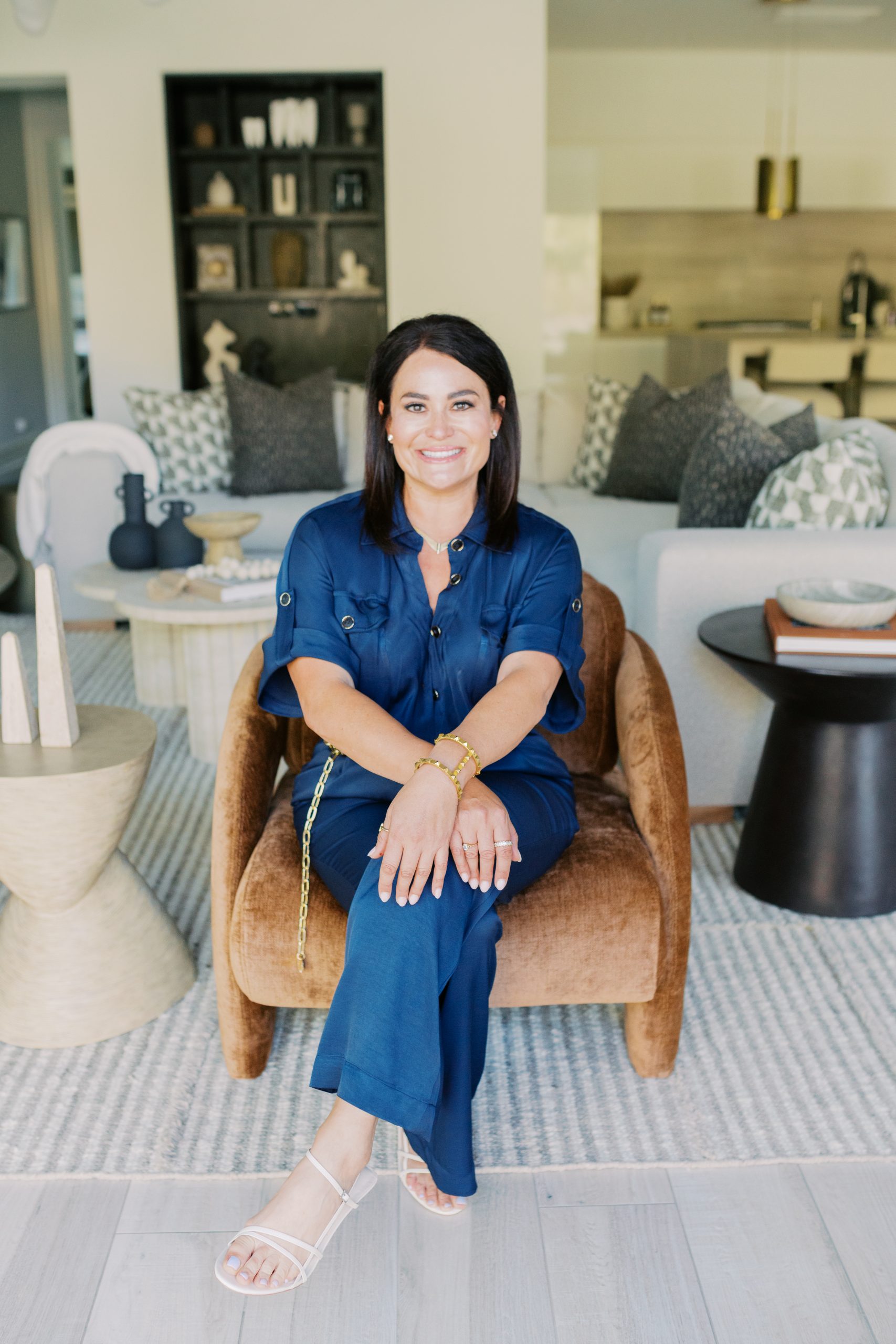
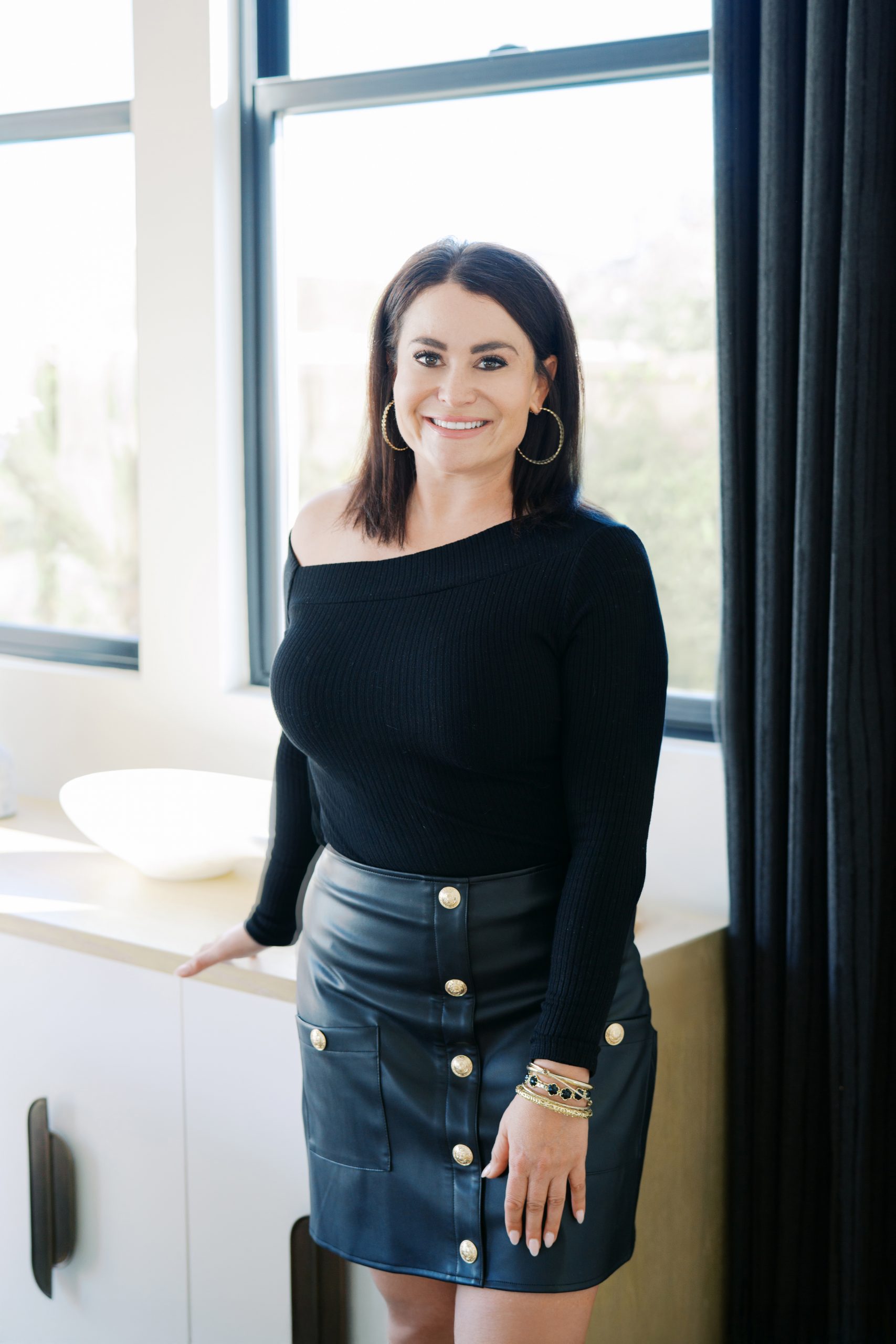
Lauren Lerner is the founder and principal designer of Living with Lolo, Scottsdale’s luxury interior design and licensed design-build firm. Named Phoenix Magazine Best Interior Design three consecutive years, Lauren leads projects from concept through construction for high-end homes in Scottsdale, Paradise Valley, and Phoenix.