What Are the Top Eco-Friendly Home Renovation Ideas?

What Are the Top Eco-Friendly Home Renovation Ideas?

More people are focusing on their carbon footprint every day. With the intense focus on global warming and natural resource depletion, it’s natural to want to focus on ‘green’ themes during a makeover. Not only are these makeovers decreasing your carbon footprint, but they reduce utility bills, increase the value of your home, and provide a healthier lifestyle

Below, we’ve compiled some of the best green makeovers that fit your dreams to live in sync with nature. What are the top eco-friendly home renovation ideas? You’re in the right place.

 Shower with gray tile and gold fixtures

Energy-Efficient Improvements 

Most green projects start with energy efficiency. Solar panels are usually the first step towards improvement for those who want to reduce their reliance on fossil fuels. As technology improves, panels have become cheaper and more efficient, which is a great long-term investment. They will save hundreds from energy use and reduce greenhouse emissions.

Insulation cannot be ignored either. Proper insulation within your home will keep it warm in winter and cool during summer, aside from also keeping your air conditioners and heating systems protected from having to labor too much. This equates to paying lower electricity bills. Sheep’s wool and soy foam spray are green materials which are used in order to insulate your home.

Smart thermostats are the pinnacle of an energy-saving home. Smart thermostats provide remote access to heating and cooling, using energy only when required. These types of thermostats adapt your routines and change temperatures automatically, making energy optimization easy.

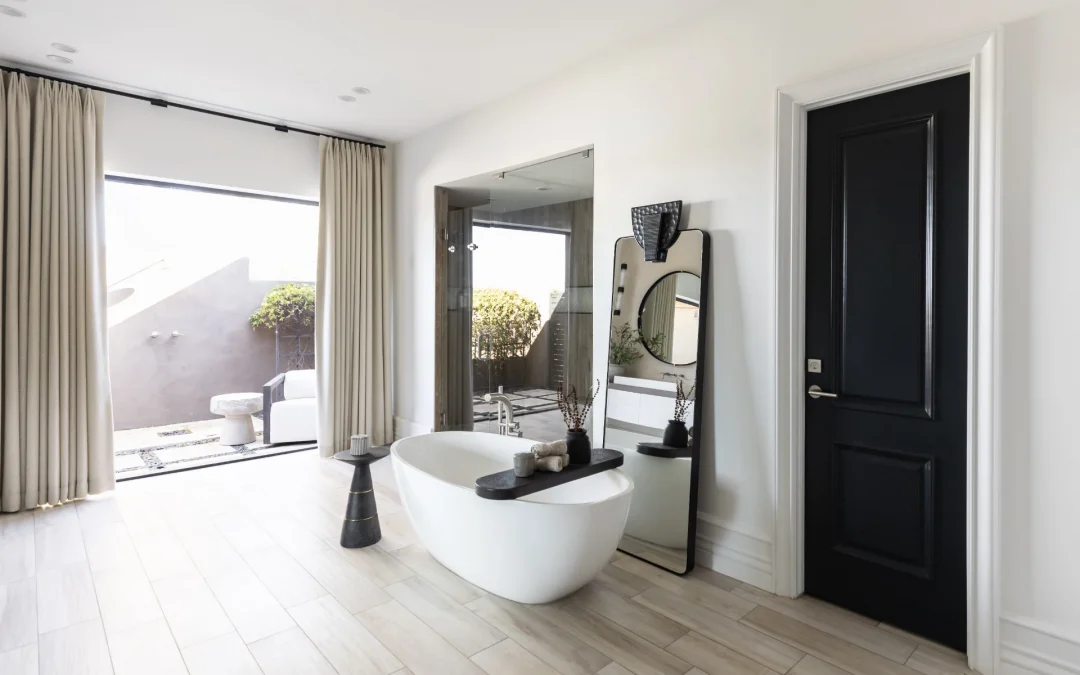
     Bright shower with glass door and stool

    Sustainable Materials 

    Those wanting to reduce their carbon footprint without sacrificing quality are in good hands. Bamboo flooring is among the most popular choices for green renovators. Bamboo is a renewable, fast-growing material that is not only aesthetically pleasing but also durable. And it is among the best choices to use in place of traditional hardwood floors.

    Recycled glass countertops in a kitchen, for example, introduce glamour and green to the space. Made of recycled glass particles glued together, the countertops minimize wastage and provide extended life. With their high-gloss, silky appearance, they command attention in any kitchen.

    Reclaimed wood is another trend on the rise. Instead of cutting down brand-new trees, reclaimed wood is recycled from aged furniture, barns, and buildings that are being torn down. It’s resilient, full of personality, and doesn’t damage already-existing natural forests. All in all, it’s ideal for floors, shelves, or accent walls.

    These eco-friendly home renovation ideas are perfect whether you’re working with a general contractor for your home or tackling projects on your own. They can also pair seamlessly with luxury home renovation ideas, as sustainability and style go hand in hand.

     Modern kitchen with wood and stone accents

    Water Conservation 

    The conservation of water should also be included in green home upgrades. Low-flow shower heads toilets, and faucets save gallons of water by performing the same task with amazingly small amounts. Adding these types of products as an extra not only saves individuals money on water but also doesn’t sacrifice anything in their day-to-day levels of comfort.

    For a still more ambitious project, research rainwater harvesting systems. These allow you to collect and store rainwater to water plants, flush toilets, or even clean. Rainwater harvesting systems save you from reliance on municipal water supplies, and they also help stormwater runoff that may be bringing pollutants into local waters.

     Cozy fireplace with decorative tiles

    Building a Healthier Home and World 

    Green home renovation is beneficial to the world, of course, but beneficial to you and your loved ones too. Green home renovation like solar panels and efficient thermostats conserve not only carbon footprints but also dollar bills. Water-saving fixtures can be handy where dry season rules.

    You’re choosing to create a home that reflects your values while contributing to the wellbeing of the planet with green renovations. Every small change helps, and together they pave the way toward a better, more sustainable future. 

    If you’re ready to take the next step, start small, plan carefully, and watch as your home transforms into a greener, more efficient haven. Looking for even more ideas for home renovation? Consider combining energy-efficient upgrades with sustainable materials for the ultimate eco-friendly home transformation.

     Discover More: Step-by-Step Home Renovation Checklist

    What Are the Top Kitchen Renovation Trends?

    What Are the Top Kitchen Renovation Trends?

    Renovating your kitchen is not just about looks, but an investment in home functionality, beauty, and value. As a homeowner, an important issue is how to stay current with fashions and designs. What are the top kitchen renovation trends? By understanding, you can create a space that’s both timeless and trendy. 2025 kitchen trends revolve around marrying smart functionality, design, and sustainability. Take a closer look at the latest top kitchen renovation trends you simply cannot afford to miss below. 

    Before we even offer any suggestions, though, keep in mind that your house is your house. It’s much wiser to pursue your dream and the fashions that you adore rather than one that you don’t simply because it’s popular. Make the room that You adore. 

     Modern kitchen with marble island

    Smart Kitchens 

    Smart technology is making cooking, cleaning, and living with our kitchens smarter and more efficient. From voice-controlled faucets to fridges that track expiration dates, kitchens have never been smarter. Homeowners now possess devices that can be synchronized with their phones, enabling them to switch lights on and off, adjust temperatures, and even control grocery lists remotely. 

    Smart ovens with recipe suggestions and cooking time scheduling are entering the mainstream, making cooking and the process itself more convenient. Low- or high-tech, a smart kitchen places your home at the forefront without compromising everyday functionality. For those seeking kitchen renovation services, incorporating smart appliances can transform your space into a modern, high-tech hub. 

       Kitchen island with wicker stools

      Green Materials 

      With increasing greener consciousness, homeowners are now more and more thinking about green materials while remodeling homes. Wood cabinetry made of recycled and reclaimed natural material or composite stone countertops such as quartz not only add beauty to the home but reduce the environmental impact of renovations too. 

      Bamboo is a popular green product for backsplashes and floors. Products with low chemicals and low VOC emissions are also popular. Designing an ecologically-designed kitchen is not only cool; it provides a healthier indoor environment by reducing indoor air pollutants. By choosing sustainable features, you can align your remodel with kitchen renovation design trends that focus on both style and eco-friendliness. 

       Dining area with leather chairs

      Bold Colors 

      While neutrals are staying around, bold colors are being put into the spotlight for 2025 kitchens. Bold jewel tones of emerald green, cobalt blue, and burgundy are used to paint cabinetry, islands, and even appliances to provide a bold splash. Terracotta and yellow mustard are trending for a nostalgic, warm color scheme. Coupled with a sharp contrasting metallic finish like brushed brass or matte black hardware, such bold color pairing creates very unique and dynamic settings. 

      For others who are not ready to commit to heavy cabinets, colored tiles in a backsplash or star-of-the-show accessories give a kick without overloading the space. Bold color choices are a versatile way to embrace kitchen renovation trends while adding a distinct personality to your home. 

       Light wood kitchen with white stone

      Creating Your Dream Kitchen 

      Homeowners can take inspiration from these trends and not take them literally as a recipe. The key is to achieve that right balance between functionality and customization that suits your needs and style. With a pinch of some sustainability, technology, and bold design, you can create a kitchen that enriches your life, and the value of your home. 


       Modern kitchen with black and gray cabinets

      From smart appliances to experimenting with green materials, to bringing bold colors, these trends ensure that your kitchen remains new and vibrant for years to come. What are the top kitchen renovation trends? Remember that a well-thought-out remodel will elevate both your culinary experience and your home’s value.

      Explore More: In What Ways Can a Kitchen Renovation Maximize Your Space?

      How Does Interior Design Affect Mental Health?

      How Does Interior Design Affect Mental Health?

      Our houses are more than where we sleep, eat, and store our belongings. They’re rooms that affect our everyday lives, moods, and even minds. From a beam of light from the windows to a carefully planned room that welcomes peace, how we plan our rooms can have an amazing interior design impact on mental health. With thoughtful interior design, homeowners can create rooms that make us healthier and happier.

       Blue sofa with black art and gold chandelier

      The Psychology of Space 

      The link between design and mental well-being comes from the way in which the brain responds to a number of different environmental stimuli. How does interior design affect mental health? Colors, for instance, are extremely potent psychologically. Red and yellow warm colors energize and stimulate, while blues and greens are said to soothe. A soothing color scheme in bedrooms is relaxing, while strong accents in living rooms have a stimulating and socializing effect.

      Lighting is another important element when it comes to our mood and mental clarity. Natural light, in particular, is found to be associated with increased serotonin levels and improved quality of sleep. Dull or artificial lighting, on the other hand, will induce lethargy and tension. Discriminating use of multi-layered lighting with natural daylight combined with warm-toned artificial lighting will reconstruct a room as an invigorating refuge.

         Modern bedroom with green accent wall

        Room layout and design matter as well. Cluttered rooms overwhelm the senses and lead to stress or anxiety. Open floor plans and uncluttered surfaces, conversely, are peaceful and welcoming. Well-designed rooms promote healthy mental energy through balance between form and function. Does interior design affect mental health? Absolutely—it plays a significant role in how we feel and function.

         Bright bedroom with textured accent wall

        Practical Tips for a Healthier Home 

        The motivating impact of deliberate interior design does not necessarily need to involve an expensive makeover; it can start with merely making small, considerate changes. Start by addressing clutter and tidiness in your rooms. Implement efficient but good-looking storage procedures that will be in charge of preventing mental overload due to disorganization. This should be coupled with furniture positioning optimizing traffic and motion flow, enabling a cozy and functional ambiance in your rooms.

        Second, consider the lighting. Add natural light through sheer curtains or reflective mirrors that bounce sunlight into the dark spots. In the evenings and dark rooms, have warm-colored, adjustable lighting sources to keep it warm but lit.

         Cozy living room with brown leather couch

        Color changes are a simple but powerful solution. Experiment with repainting walls or introducing decorative items in colors that evoke the atmosphere you wish to create in each area. Calming neutral tones are effective in creating calmness, and bold bits of color in accent pieces can establish activity in rooms. How interior design affects mental health can often be as simple as these small but intentional changes.

        Lastly, bring in the outdoors. Houseplants aren’t just air purifiers, they are also soft mood enhancers of mental well-being. Research reveals that indoor plants can decrease anxiety and increase productivity, so scattered plants throughout varying rooms can enhance your home’s mood instantly. The best interior designers in Arizona know the importance of incorporating greenery into living spaces for a calming and refreshing atmosphere.


         Minimalist bar with wooden shelves and bottles

        Interior design is not just aesthetics; it has an impact on mental health. Through the study of the psychology of space and deliberately selecting to maximize colors, lighting, and floor plans, homeowners can design an environment that fosters their mental health. The relationship between our environment and state of mind is undeniable, and designing a home that fosters balance and positivity is an investment in one’s health. This exploration helps us truly understand how interior design affects mental health.

        Read More: 7 Interior Designing Tips for Better Mental Health & Wellbeing

        Sleep Better with These 8 Interior Design Improvements Tips

        Sleep Better with These 8 Interior Design Improvements Tips

        For most of us, sadly, good sleep is but a dream. But what if bedroom design was the secret to more peaceful nights and more energetic mornings? Having your bedroom designed by a creative designer can convert your bedroom into a sleep haven. Eight easy tips here will lead you through the process of developing a bedroom that will make you sleep in style.

         Cozy bedroom with patterned pillows and textured wall

        1. Optimize Your Bedroom for Darkness 

        Light pollution is one of the big sleep interrupters. Darkness and silence in the bedroom can go a very, very long way in helping your sleep and bringing on sleep. Blackout blinds or curtains to block out outside light and low, dimmable lights to help make your bedroom cozy might be welcome features. Removing electronics like televisions and phones from the bedroom also will reduce your exposure to light so that your brain will switch off more readily. If you’re searching for help with sleeping room interior design​, this is a great place to start.

           Modern bedroom with blue paneled wall and canopy bed

          2. Invest in a Good Mattress 

          Your mattress is a basic part of your sleeping quality. A good firm mattress that will adapt to your sleeping style—firm, soft, or medium—will reduce pain and allow you to sleep throughout the night. Examine your mattress from time to time for wear and tear and change it every 7-10 years. Combine good pillows and light bedding with your mattress, and your sleeping environment is complete. To design a sleeping room​ that prioritizes comfort, your mattress choice is key.

           Neutral bedroom with patterned accent wall

          3. Choose Soothing Colors for Your Walls 

          The colors of your bedroom walls influence your mood and energy level psychologically. Use soothing colors like pale blue, lavender, or beige to create the mood for a relaxing getaway. These foster a peaceful ambiance and tell your mind to unwind. Refrain from using bright and bold colors that tend to over-stimulate your senses and clash with the calming environment for sleeping. Whether you’re considering the best sleeping room design ideas or just repainting, soft tones are essential.

          4. Declutter Your Space 

          A messy bedroom also equals a messy mind, and that little bit extra makes relaxing even harder. Being in an environment where the bedroom is tidy and free from clutter, with pretty much nothing in it, makes being in a state of orderliness and peace very easy. Utilize creative storage spaces, such as space-saving shelves or drawers under your bed, to keep your necessities nearby but not directly in your line of sight. A tidy space provides a sleep-friendly atmosphere that invites sleeping. For more sleeping room design ideas​, focus on storage solutions that maintain a clean and calm environment.


           Light bedroom with wood bed and black lamps

          5. Add Natural Elements 

          Nature also possesses the great ability to relax and calm us, even when indoors. Adding plants like houseplants or wood furniture in the bedroom gives some feeling of outside in your bedroom. Certain plants, for example, are not only beautiful, but also purify the air, making your bedroom cleaner and more calming to sleep in. If you’re looking for inspiration, searching for an ‘interior decorator near me in Phoenix’ can help incorporate natural elements into your room.

          6. Control Noise Levels 

          Sound disrupts a good night’s sleep and leaves you feeling agitated and irritable. Reduce the amount of disturbance by inserting soundproofing where possible, or by using white noise machines to provide background noise cover. Simple additions such as heavier curtains or carpets to utilize as a sound barrier can turn your bedroom into a silent sleeping sanctuary. Incorporating soundproofing techniques is a must for any sleeping room design.

           Indoor potted tree by large window

          7. Control Temperature for Better Sleep 

          Temperature has a direct influence on your sleep. Sleep professionals recommend a chilly 60-67°F (15-19°C) bedroom to sleep optimally. Keep cool with breathable bedding to avoid overheating. Include a fan or smart thermostat for highly controlled air. No matter the season, being cool enough helps us fall asleep and sleep through the night. Cooling features are often included in the best sleeping room design plans.

          8. Make Your Area Comfortable by Personalizing It 

          Lastly, but not least, your bedroom should be yours. Add your own touches like meaningful artwork, blankets, or signature scents in an attempt to render the bedroom a cozy and calming space. Having a bedroom of your own personality will find you looking forward to going to it at night to sleep and be less stressed when preparing for bed. Personal touches are vital for sleeping room design ideas​ that truly feel like home.

           Bedroom with blue wave accent wall

          Start Sleeping Better Today 

          Prioritizing intentional interior design isn’t just a matter of taste—it’s a matter of leaving space for healthier sleep and overall health. From controlling light exposure to bridging indoors and outdoors, these practices are a sleep miracle worker. Experiment with one or more of the tips above and watch your sleep transform. Sweet dreams!

          Discover More: New Home Interior Design | Top Tips – Living With Lolo

          How Does Interior Design Affect Mood?

          How Does Interior Design Affect Mood?

          Did you realize that how your interior looks has an impact on your mood? From the wall colors to furniture placement, everything your design is doing impacts your state of mind when you are at home. How does interior design affect mood? We’re going to answer this today, and provide information on how to create a well-balanced and stimulating space.

           Black console with round mirror and vases

          The Psychological Impact of Interior Design 

          Interior design is not just about looks—it’s also feeling. Studies have proven that the spaces we inhabit have a profound impact on how we feel and act. For instance, a messy space can stress and overstimulate us. Meanwhile, an open, airy space can yield serenity and concentration. Everything from interior design colors and moods to texture influences our senses and how we perceive and react to our space.

          Environmental psychologists have proposed that a well-designed environment can boost productivity, better mental health, and even closer relationships with loved ones. Whether it’s the light that comes through a strategically placed window, the sense of softness, or a sense of balance in the design of a room, mood and home interior design can induce happiness and calmness.

             Fiddle leaf fig tree by bedroom window

            Design Elements That Positively Impact Mood 

            Some design elements have been found to produce good moods. Color is one of them. Oranges and yellows are warm colors that stimulate and get your juices going, while greens and blues create a soothing and calming atmosphere. Another key element is natural lighting—spaces filled with much sunlight are more stimulating, alive, and more interactive. Mirrors, placed windows, and sheer drapes are low-cost but effective means of preserving light.

             Modern kitchen with stone backsplash

            Another mood-enhancing element is the incorporation of nature into your environment. Plants, wood and stone as natural elements, or even nature-themed paintings can be utilized to bring a sense of grounding and purity into the space. Symmetry and organization in the arrangement of furniture also create a sense of order and calm, making you feel more grounded and at ease in your own home. 

             Black chain decor on wood table

            Textures also have the ability to soothe and uplift. Velvet pillows, soft plush rugs, or a glossy wood finish give a space a sense of tactile comfort and make it welcoming. And lastly, scent counts too—adding diffusers or candles with soothing scents like lavender or vanilla adds a welcoming touch, making your home a haven.

            These simple steps can answer the question of how interior design affects mood and why certain design decisions have such a profound effect on daily life.


             Black coffee tables with modern decor

            Design Elements That Negatively Impact Mood 

            While some design choices will have a beneficial impact on mood, others will have a negative impact on mood unconsciously. Clutter is the most frequent perpetrator. An area crowded with too many extras can look like a madhouse and trigger a rise in the pace of stress and a fall in productivity and concentration. This also ties into how room designs affect your work and mood overall.

             Modern living room with stone fireplace wall

            Poor lighting is another feature that can spoil a room. Gloomy rooms are depressing and cause people to feel sad or drowsy. Furthermore, cold, bright fluorescent light is unforgiving and inhospitable, making the area less welcoming. Color errors can influence mood as well. Too busy or competing colors can be visual clutter, and too dark colors can be oppressive or claustrophobic, particularly in enclosed areas. And poorly sound-absorbing spaces or very resonant materials can be uncomfortable, particularly when someone is trying to relax.

             Modern sitting area with black accent wall

            Finally, lack of attention to personal details can make your home feel clinical or isolated. As much as minimalism is a trend now, taking it to an extreme by excluding warmth and making spaces feel unpersonal and empty doesn’t work. Hiring an interior designer in Paradise Valley can help personalize your space while avoiding these common pitfalls.

             Minimalist corner with a potted plant

            Designing for Happiness and Well-Being 

            Interior design is such a powerful method to affect our mood, it can create environments that emit optimism, comfort, and happiness. By focusing on details like light, color, and nature, and avoiding blunders like clutter and poor lighting, you can transform your home into a haven that welcomes and sustains you. Great design isn’t just a bonus for your space—it’s a bonus for your life. Ready to begin your mood-boosting makeover? Begin with small but powerful changes that respect your personality and emotional requirements.

            Read More : Unlock Stylish Living: Interior Design Ideas for Living Rooms by Living With Lolo