7 Interior Designing Tips for Better Mental Health & Wellbeing

7 Interior Designing Tips for Better Mental Health & Wellbeing

Your home is also a refuge that can actually influence your mood, attitude, and overall mental well-being. Considerate mental health design does not only look beautiful; it can encourage calmness, boost productivity, and lead to greater happiness. By deliberately altering your dwelling, you can build a home that fosters your mental health. The following are seven easy things you can do to build a home that fosters peace and optimism.

 Green sectional sofa in living room with artwork

1. Optimize Natural Light 

Natural light’s effect on mental health cannot be overstated. Natural light enhances mood, aids in sleep regulation, and even boosts productivity. Arrange your furniture so that light can freely enter your space, and keep windows unobstructed. If you’re stuck in a dark apartment or room, place mirrors to reflect light or light-colored curtains to get the most brightness. Let more of the sun’s access into the house during the day, and you’ll likely notice an improving difference in your mood. For those considering renovations, working with a remodeling contractor in Paradise Valley can help maximize natural light in your home.

     Contemporary bedroom with patterned bed and neutral accents

    2. Bring Nature In 

    Having bits of nature inside the interior can be calming and grounding. Snake plants or succulents as houseplants can make a room feel alive and also purify the air along the way. If plants just aren’t for you, turn to natural texture on furniture and decor like wood tables, bamboo shades, or stone accents. Even artwork or photographs of nature can be peaceful. Surrounding oneself with nature-related items creates a sense of harmony with the environment, which has been found to lower stress. This approach aligns with the principles of interior design for mental health by merging the natural world with your indoor space.

    Modern Faux tree and pot

    3. Declutter and Organize

    Clutter is a stressor as well, generating anxiety and a sense of overwhelm and inability to relax or concentrate in your own living space. Take the time to sort through the items not being used and provide utilitarian storage for the rest. Bins, baskets, or sleek shelving—giving things a home eliminates visual clutter. It’s not tidiness—it’s calm in the mind and a sense of mastery over your environment. When pursuing mental health designs, organization is foundational to creating a balanced and harmonious living area.

     Snake plant in blue pot on wooden bench near basket

    4. Select Soothing Colors 

    Colors are an important key in defining the mood of a room. Avoid using colors that are too bright or too dark and use softer, soothing colors like light blues, pale greens, or warm neutrals. Earthy colors, like ocean blues or forest greens, are excellent in bringing a sense of calm. If painting a whole room seems daunting, begin with small steps by introducing these colors into your space in the form of accents such as throws, cushions, or rugs, and absorb their calming influence. Thoughtful design for mental health can transform even the most chaotic spaces into serene environments.


     Modern room with open black doors and elk head mount

    5. Create a Cozy Space 

    Each home requires a cozy corner, somewhere to retreat when life gets to be too much. It might be a nook for reading, your bed corner, or a section of your living room. Furnish it with cozy furniture like pillow cushions and throws, and cap it off with considerate light like a welcoming lamp. Your cozy corner is your personal oasis, bringing ease and peace of mind when things are most challenging.

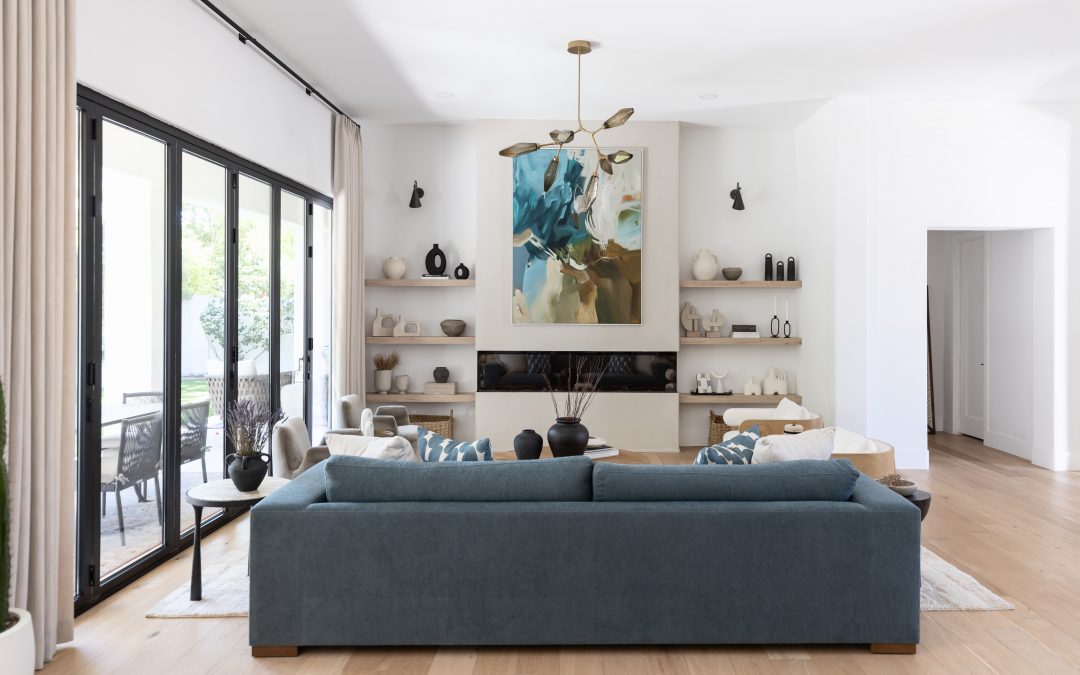
     Abstract painting between beige curtains with bench

    6. Add Personal Elements 

    Your house is an extension of you and a place you want to be. Add pieces that have special meaning, like photographs, mementos, or art. Personal elements provide warmth and comfort to your space and act as emotional anchors. Having the things in your house hold memories or stories creates a home with personality and enhances the sense of belonging.

     Modern bedroom with blue bed and cactus

    7. Improve Air Quality 

    The air quality has the power to impact physical and mental health in significant ways. Good ventilation is most crucial, so open windows regularly to bring in fresh air to your dwelling. Buy an air purifier that can destroy allergens and toxins, particularly if pets, dust, or smoke are issues. Certain plants, such as spider plants or peace lilies, will even naturally purify the air. Clean, fresh air provides a refreshing environment that revitalizes you and makes you feel refreshed.

     Plant, abstract art, black lamp

    Bring Wellness Home

    With a few small but thoughtful adjustments to your interior, you can create a space in which body and mind can unwind. Whether it’s letting sunlight into your living room or creating a cozy reading nook, these thoughtful design adjustments can foster greater mental health and wellbeing. Start with one or two adjustments that speak most to you—before long, your home will be a true sanctuary of peace.

    Explore More: How to Plan a Room Layout – Interior Design Tips

    How Interior Design Improves Daily Life

    How Interior Design Improves Daily Life

    Your home is an expression of your mood and an image of your wellness. With careful planning, interior spaces can clear away stress and create a feeling of calm in the middle of the chaos of daily life. This guide explores how careful interior design choices can transform your home into a sanctuary of peace, with practical tips on the psychology of space, minimalism, nature, and personal design.

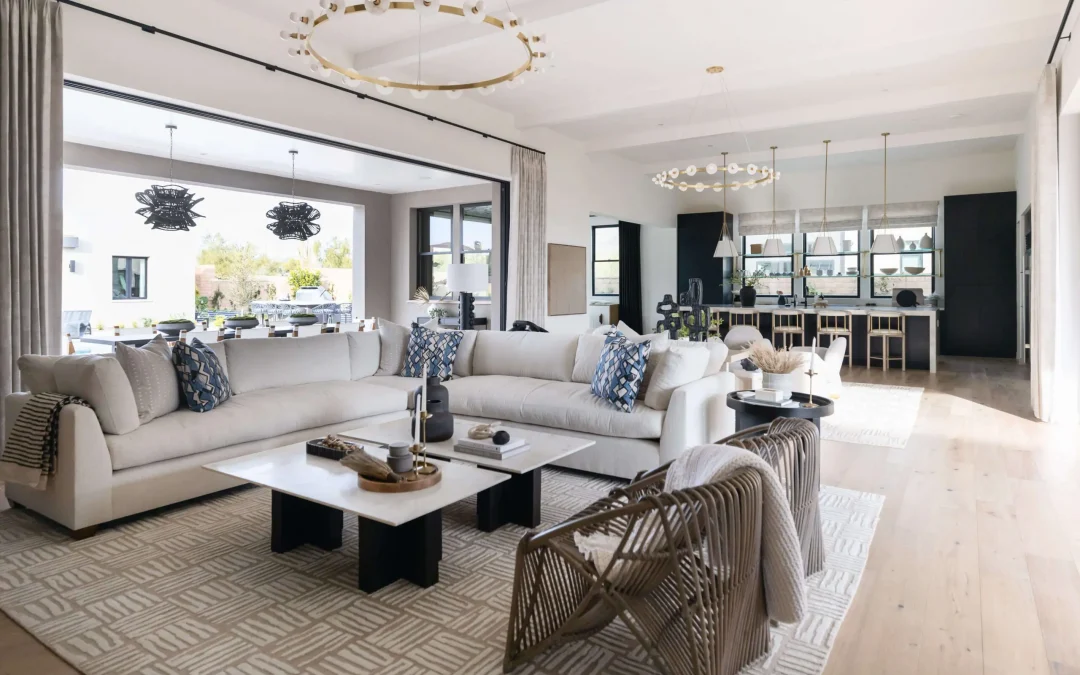
     Bright living room with modern decor

    The Psychology of Space: How Colors, Light, and Layout Influence Mood 

    Design isn’t all about style—it’s psychology. The wall paint color, the light that streams in, and the space layout can influence a great deal of your mood in the space. Calming, muted colors like pastels or terra-cotta hues will soothe you, and clashing, discordant colors will overstimulate the mind. 

       Modern chaise lounge by fireplace

      Natural light is another area in which an interior designer in Scottsdale will concentrate. Natural light has been found to enhance mood and quality of sleeping, both of which are directly correlated with the amount of stress you experience. Sheer drapes, use of mirrors, or open floor plans can provide ultimate sunlight and project an illusion of spaciousness inside the room. 

      The same holds for furniture arrangements. Crowded, haphazard positioning can burden you, but open and balanced positioning allows for freedom of movement and the sense of mastery.

         Elegant light pink bedroom with blue throw

        Decluttering for Clarity: How Minimalism Affects Mental Health 

        Mental disorganization is often a product of physical disorganization. If your space isn’t tidy, then your head follows suit. The design philosophies inherent in minimalism—”less is more” as an attitude that leads individuals to live with fewer things—can actually stop stress dead in its tracks. 

         Modern dining room with terracotta accent wall

        Minimalism keeps the extraneous to a bare minimum and centers on function to create a clear, uncluttered space. Design such as multi-function storage, pared-down furniture, and single-hued color helps reduce decision overload and is a visual calming experience. Walking into a room in which objects are assigned purposes helps one feel light and centered. 

         Bright living room with modern furniture and lounge chair

        Nature and Peacefulness: Incorporating Biophilic Design

        Nature and peacefulness go hand in hand, so it’s no wonder that biophilic design, introducing natural materials into interior space, is gaining steam. This strategy takes advantage of our instinctive love affair with nature, and comfort is ushered in by its presence inside. 

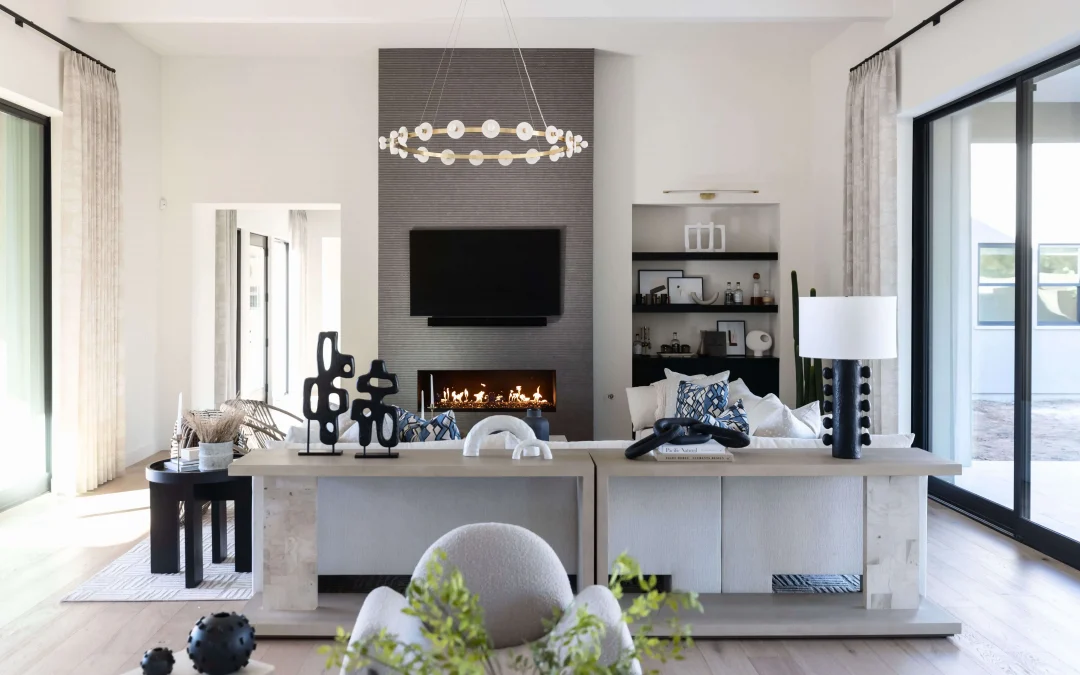
         Modern living room with gray fireplace and chandelier

        Houseplants are an easy place to begin. Perhaps it’s a low-maintenance air-purifying snake plant or pothos, but plants infuse life into any room while clearing the air. Natural textures like wood, stone, or bamboo paired with water accents or earth tones are rich in sensation and visual tranquility. 

        Even reproducing paintings of nature or adding windows to gaze out is effective in creating this type of environment, bringing with it a sense of relaxation and calmness.

         Cozy sitting area with beige chairs and fireplace

        Creating a Personalized Retreat: Crafting Spaces to Accommodate Your Needs 

        Relaxation and stress don’t hit all of us the same—and neither do they hit our homes. The key to creating a personalized retreat is to discover what makes you relax and then craft your house around it. 

        Maybe it’s a reading nook with your favorite reading chair, soft lights, and a stack of books. Maybe it’s a meditation space with soothing candles and plush pillows. 

        Textures and scents also enter into the picture while designing your retreat. Velvety, cashmere-like textures are soothing, and aromatherapy with essential oils can relieve tension. The idea is to make your space intimate to you. When you become attached to your space, it is a source of energy and a retreat where you relax, tailored to you.


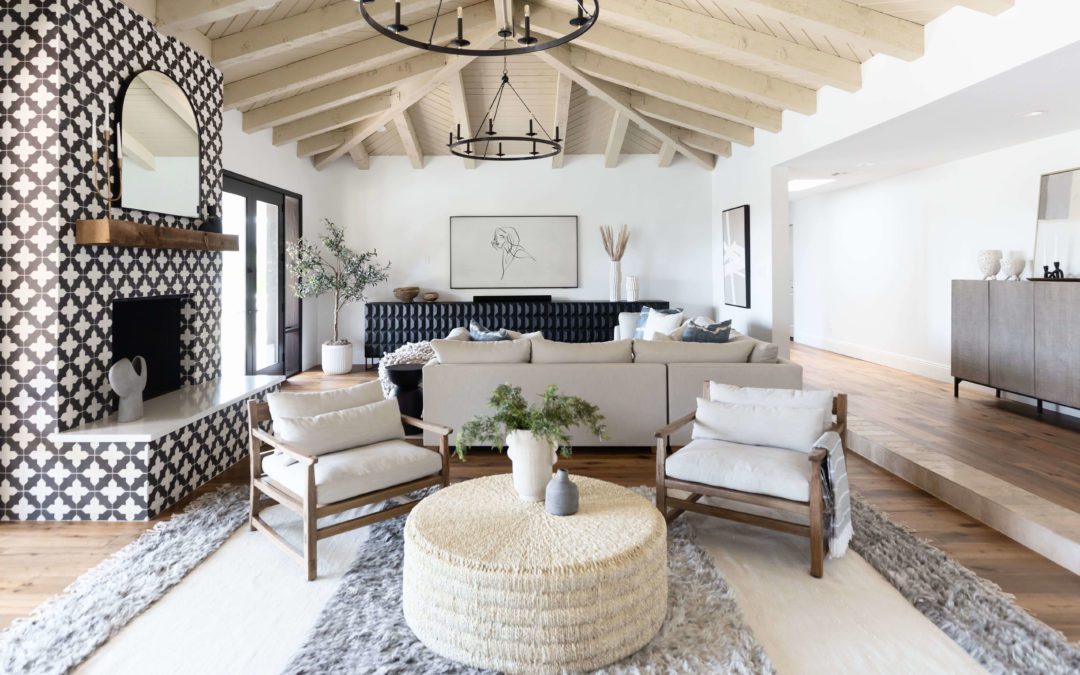
         Modern seating area with dark wood ceiling beams

        Turn Your Home into a Stress-Free Refuge 

        Smart interior design is a great partner in the war against stress and the production of well-being. Start small—paint one room in calming colors, put in some houseplants, or furnish your living room so that the area is more accessible and maps out the traffic route. 

        With knowledge of the force of space, light, and nature and applying it in your favor, you might just be able to create a comfortable haven for yourself. 

        See More Ideas: Sleep Better with These 8 Interior Design Improvements Tips

        How Interior Design Helps Reduce Stress

        How Interior Design Helps Reduce Stress

        Interior design is not simply decorating a gorgeous room—it’s creating places that make our lives better, work better, and feel incredible. Effective design really does impact your daily life, making things simpler, improving our moods, and increasing the value of your home. Discovering the benefits of custom interior design will transform your space and how you view it. The impact of interior design on our everyday life is far-reaching, proving that great design isn’t just about aesthetics—it’s about functionality and well-being.

        luxury kitchen island design scottsdale

        Improved Functionality 

        Good interior design begins with functionality. Good design makes every square inch of your house functional and easily integrates itself into your lifestyle. For instance, intelligent storage can reduce clutter, making your living areas tranquil and organized. A well-zoned open-plan area can facilitate several activities—cooking, working, or relaxing—to take place without obstructing each other, making the space more usable. If you’re considering improving your home’s functionality, working with a remodeling contractor in Scottsdale can help bring your vision to life.

          custom living room table settings scottsdale

          Space design also comes down to furniture planning. Bury the old comfort vs. appearance ethic; modern interior design couples them in excellent harmony. Well-placed sectionals in the living room coax socializing and lounging, and ergonomically placed workstations and office chairs in home offices coax working. Clever design achieves balance of use and livability so that the room really works for its users.

          Kitchen Modern Design

          Improved Mood and Well-Being 

          The environments we inhabit have a direct impact on our health and mood. Interior design in every respect, color, lighting, and space planning, is a part of how interior design impacts your life. Light blues or greens, for instance, can help with feeling less stressed and relaxed. Conversely, very intense colors like ruby red or mustard yellow can stimulate and revitalize a room and make it more vibrant.

          custom designed sofa in living area of phoenix home

          Lighting also matters. Beams of natural light can brighten the atmosphere of a space, encourage good sleep, and increase productivity. Multi-level lighting systems that blend task, accent, and ambient light work because you can turn it into various moods depending on the function. Even placing plants inside your interiors is a form of biophilic design, which soothe the senses and allow humans to feel a connection with nature.

          Discovering how interior design impacts daily life becomes clear when you consider how these elements—color, light, and natural materials—shape how we feel and function in our homes. Wellness design speaks to how all of these factors play off one another in shaping our life on a daily basis. It is not so much about flash—it is extremely human-centered.


           modern bathroom chandelier scottsdale

          Increased Home Value 

          Aside from functionality and emotional value, good interior design is a great means of adding value to your property. Well-balanced, well-designed interior looks in properties will also be most likely to command premium prices from the market. Aesthetics such as modern kitchens, spa bathrooms, or open-plan living spaces are not only trendy but timeless in their capacity to appeal to buyers.


           Spacious bathroom with double sinks

          Good design elements offer return on investment in a variety of ways. Consider, for instance, a friendly and neutral color scheme, which can make a home welcoming and feel larger to more people, a plus at resale time. Fine materials and finishes like quartz countertops, hardwood floors, or custom cabinetry convey longevity and have a luxury quality. Even minor adjustments such as replacing light fixtures or hardware can change the appearance of a room and render it irresistible to buyers.

          The impact of interior design goes beyond appearances—it’s an investment in your home and your life.


           Modern kitchen with dark cabinets

          Invest in Your Home, Invest in Yourself 

          Interior design is far more than aesthetics—it’s a way to create a balanced, functional, and inspiring life. Functional rooms simplify your everyday life, and well-crafted design details foster your emotional well-being. In the process, fine design can truly enhance your property’s financial value.

          If you’ve been on the fence about investing in interior design, now is the perfect time. Because when you refresh your home, you refresh your life.

          Read More: How Does Interior Design Affect Mood?

          How Home Design Contributes to a Healthy Lifestyle

          How Home Design Contributes to a Healthy Lifestyle

          Your home significantly impacts your holistic health. It’s not just a habitat; its design and arrangement can profoundly sway your mental, physical, and emotional health. From natural light exposure to your choice of furnishings and decor, every detail can either improve or undermine your wellness. Discover how a well-designed home can pave the way for a healthier you. A home needs to be healthy to truly support your well-being.

           Indoor tropical plant in white pot with black stand

          The Power of Sunlight 

          The health-wise benefits of sunlight in the home are undeniable. Natural light exposure has a direct correlation with enhanced moods, superior sleep rhythm, and even heightened productivity. Broad windows, carefully positioned openings and skylights permit plenty of sunlight to pour into your living quarters, providing you vital vitamin D and fostering well-being. 

          If sunlight is scarce, consider daylight-like LED lighting for a similar effect. This aspect of wellness interior design ensures your home supports your health effectively.

             Plush blue velvet armchair with patterned pillow

            Indoor Air Quality and Ventilation 

            The foundation of a health-oriented home lies in good air quality. Impaired airflow and indoor pollutants such as dust or mold can impact your respiratory health and overall energy levels. Open layouts, cross ventilation and HVAC systems with top-notch air filters ensure that your home enjoys fresh air circulation. 

            Additionally, adding indoor plants like ferns or peace lilies purify the air and enhance the aesthetics of your space. For those considering renovations, remodeling contractors in Scottsdale, AZ, can assist with creating healthier spaces tailored to your needs.

             White vase with pampas grass on a white table

            Design and Space Management 

            The organization of your living space directly influences your physical health. Furniture and layouts prioritizing ergonomics minimize the strain on your body, especially in spaces where you tend to spend more time, such as your workspace at home. Height-adjustable desks, comfortable chairs, and organized, uncluttered setups help maintain good posture and fluid movement. Well-planned spaces can also boost mental focus, facilitating relaxation and concentration. This is a perfect example of interior design for wellness in action.

             Bright living room with wooden beams and fireplace

            Infusing Personal Narratives and Storytelling

            Integration of Nature Indoors 

            Incorporating outdoor elements indoors can dramatically affect your mental and emotional health. Indoor flora, organic wood features, and water structures create a tranquil setting that links you with the natural world. Research indicates that including greenery in your home decreases stress and nurtures a sense of tranquility. Even minor additions, such as a green wall or a collection of potted herbs in your kitchen, can bring about significant changes. These healthy interior solutions are simple but impactful in promoting a peaceful atmosphere.


             Modern bedroom with blue bed and abstract wall

            Eco-Friendly and Non-Hazardous Materials 

            The materials you select for your home design are critical. Toxic chemicals in paints, flooring or furniture can emit dangerous compounds into your living environment, jeopardizing your health over time. Choose non-toxic, low-VOC paints, sustainable timber and organic fabrics for a purer, eco-conscious home. These decisions not only make your home healthier, but also benefit the larger environment, creating a sense of purpose and responsibility. This approach illustrates how home design promotes a healthy lifestyle by aligning your choices with your well-being.

             Tan leather armchair beside a small gold table

            Summary

            Every facet of home design presents a chance to foster a space that nurtures your health. By prioritizing natural light, fresh air, ergonomic structures and sustainable materials, you can transform your home from a cozy abode to a sanctuary that enhances your health and contentment. Begin making conscious design decisions today, and witness your home revolutionize your lifestyle.

            Learn More: Incorporating Mental Health Awareness Colors Into Home Design

            How Can Interior Design Impact Your Wellbeing

            How Can Interior Design Impact Your Wellbeing

            Your home stands for more than just a dwelling place; it serves as a haven where you refuel, contemplate, and rejuvenate. But have you ever thought about interior design for health and wellbeing, about your mental and physical health? Mindfully selected interiors can do more than simply look appealing—they have the power to enhance your overall health. The careful selection of colors and the arrangement of ergonomic furniture are just some of the ways the art and science of interior design can fundamentally alter your feelings in your own environment.

             Modern bedroom with canopy bed and blue paneled wall

            The Psychology of Space 

            The effects of colors, lighting, and design layout on our mood, stress levels, and work output are profound. For instance, warmer shades like yellow and orange could evoke feelings of positivity and vitality, while cooler hues like blue and green often create a soothing environment. This is why a calming blue in a bedroom can be comforting after a grueling day, or an exciting splash of yellow in your kitchen can be motivating as you whip up your morning brew. 

               Modern kitchen with light wood cabinets and island

              Lighting, also, plays a pivotal role in establishing the mood. Natural light is especially beneficial—it’s known to elevate serotonin levels and synchronize circadian rhythms, making areas appear more welcoming while fostering better sleep cycles. On the flip side, poorly lit spaces can decrease energy and lead to reduced productivity. Similar effects can be seen with your layout—a clutter-free, open floor plan can enable stress-free navigation in your home and promote mental sharpness. 

               Dining table with chairs and potted plant corner

              When each design choice caters to your psychological needs, your home turns into a space that lifts rather than burdens. Whether you’re considering a kitchen renovation in Scottsdale or a living room refresh, the impact of interior design goes far beyond aesthetics—it’s about creating a home that prioritizes your wellbeing.

              Designing for Physical Health 

              In addition to aesthetic charm, interior design profoundly influences physical health. Begin with your furniture—ergonomically constructed pieces can help decrease body strain and enhance posture, especially if you often work from home and your office and living room have merged. A suitably adjusted chair can prevent chronic issues like backaches, and the correct desk setup can minimize eye stress and repetitive strain injuries. 

               Modern sitting area with four gray armchairs

              Air quality is another aspect to weigh. Design selections like incorporating greenery indoors or opting for ventilation-friendly materials can boost indoor air circulation, reduce allergens, and create a healthier home environment. Natural elements like wooden or stone accents can not only elevate air quality, but also institute an organic, soothing ambiance that echoes your relationship with nature. 


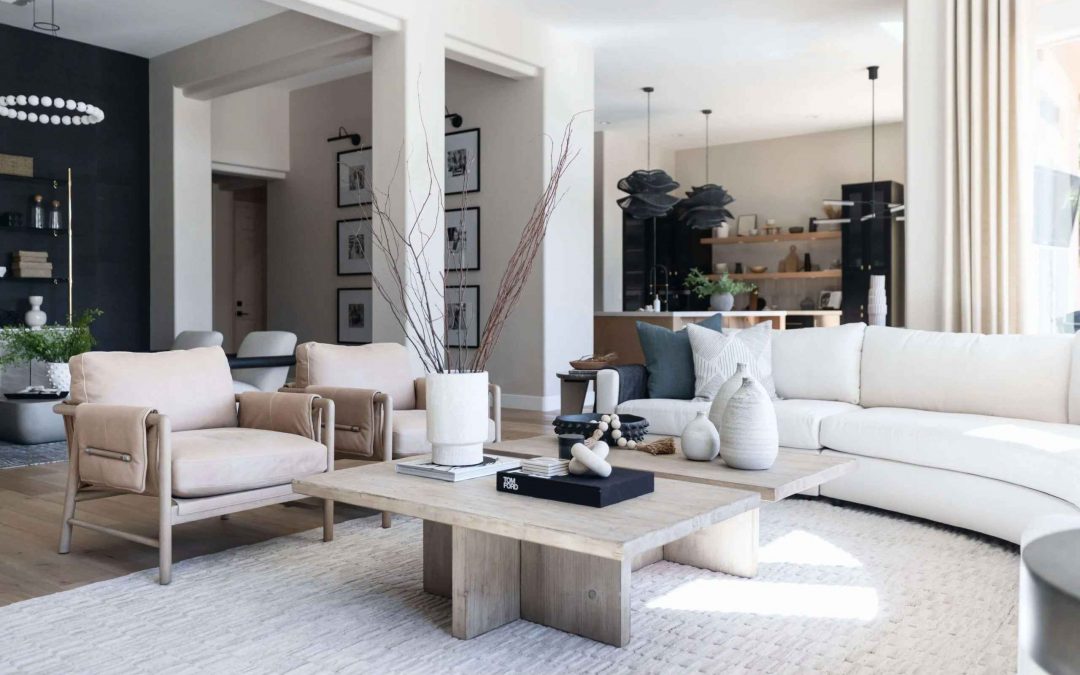
               Bright living room with white sofa and modern decor

              Finally, never overlook the influence of nature in design. Large glass windows, indoor foliage, or even the choice of natural textures can bring the outdoors inside and enhance your sense of tranquility—often referred to as “biophilic design.” These small changes are integral to design for wellbeing, ensuring that your space promotes physical and mental harmony.

               Modern office chair in front of black cabinet

              Re-Imagining Your Living Space for Wellness 

              Thoughtful interior design is more than an indulgence—it’s a crucial aspect of optimizing your living experience. By synchronizing psychological needs with physical health, your house can become a nurturing space that genuinely backs your holistic wellbeing. Whether it’s letting more sunlight into dim corners or incorporating nature indoors, interior design for wellness is an investment in your mental and physical health. 

              Review your current space and evaluate how your design decisions impact your mood and health. Keep in mind, perfection isn’t the objective; it’s building a home that caters to your unique wellness requirements—a sanctuary in which you can truly flourish.

              Keep Exploring: 7 Interior Designing Tips for Better Mental Health & Wellbeing