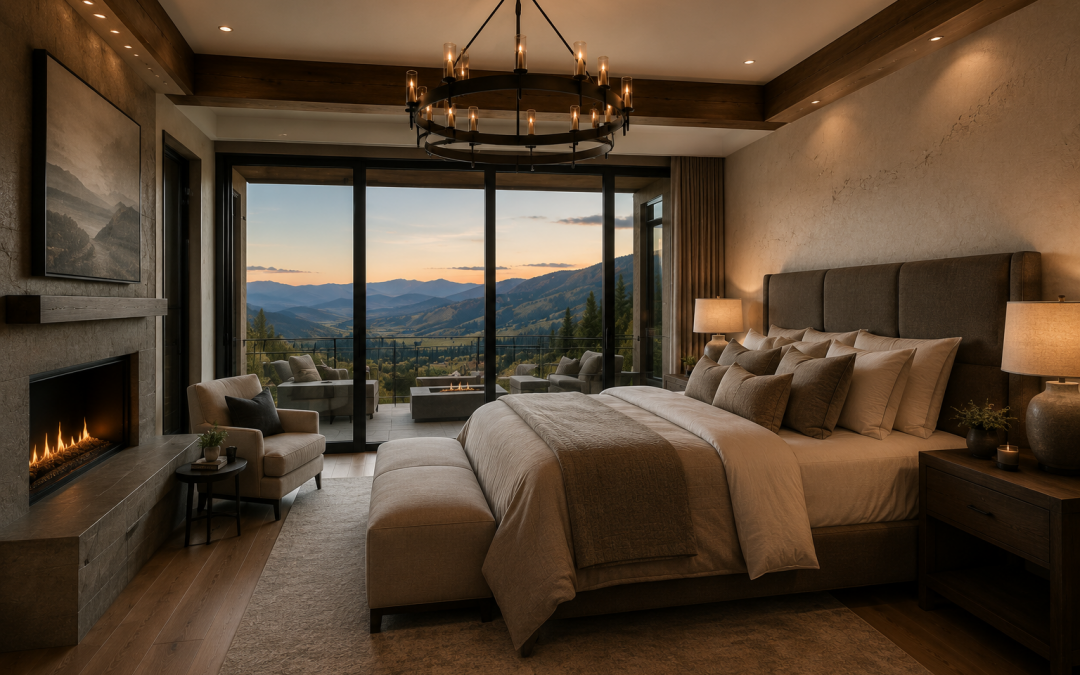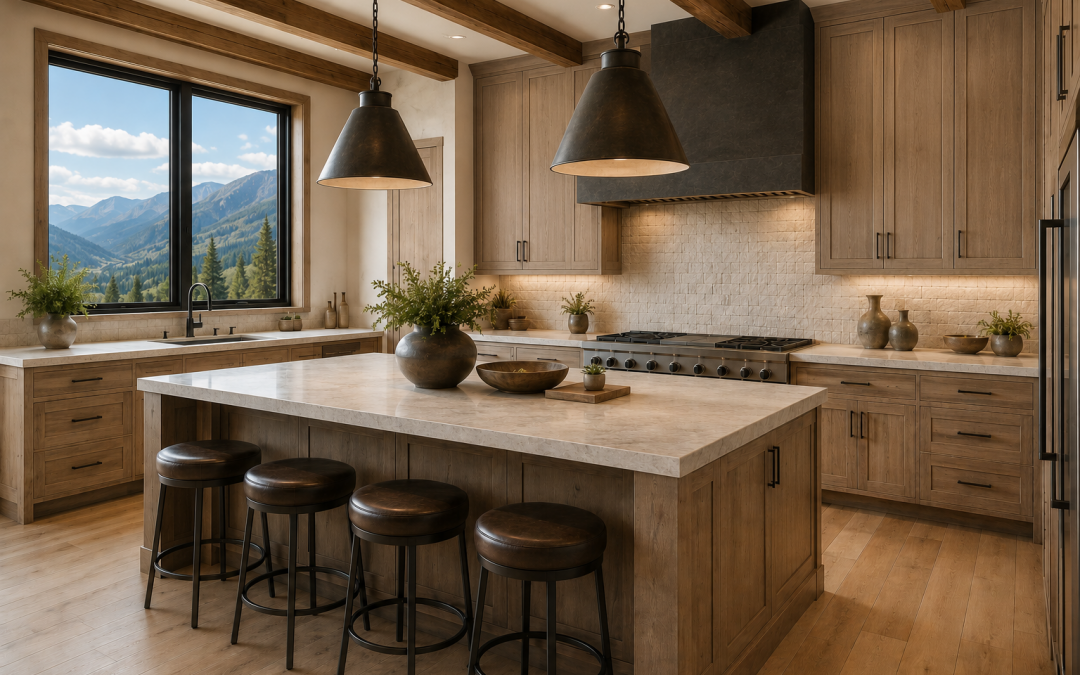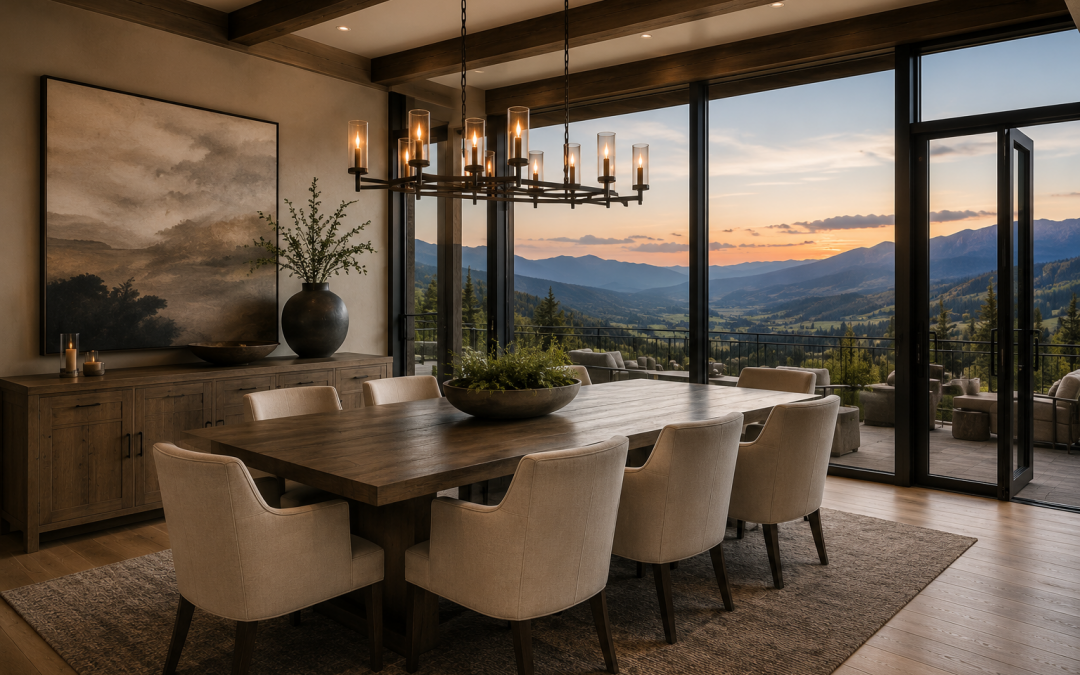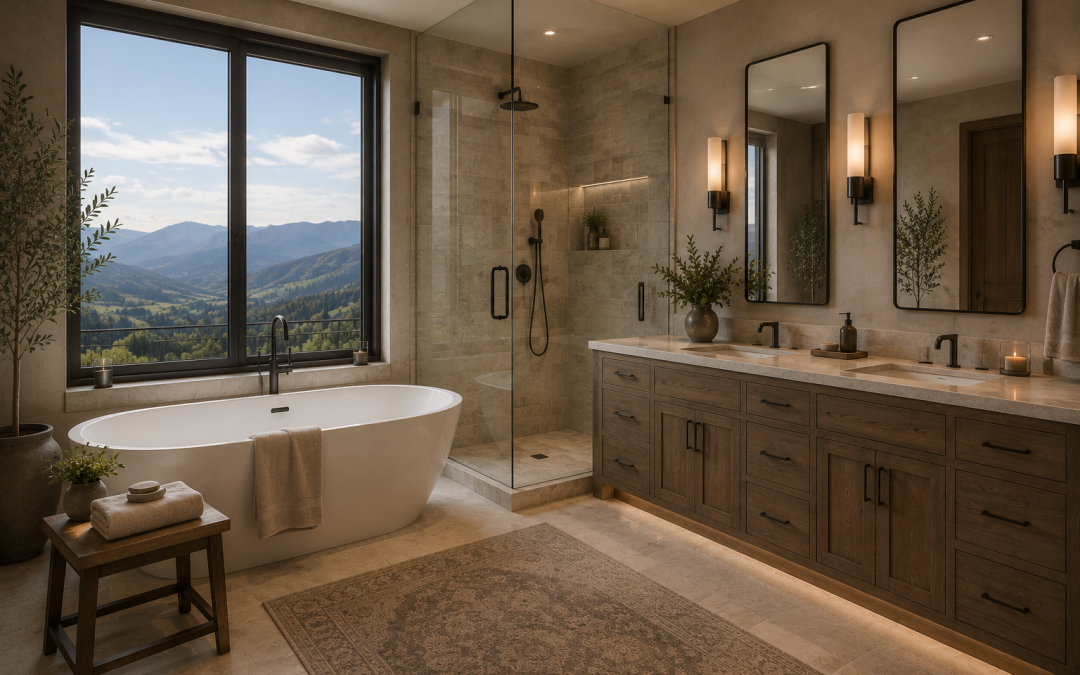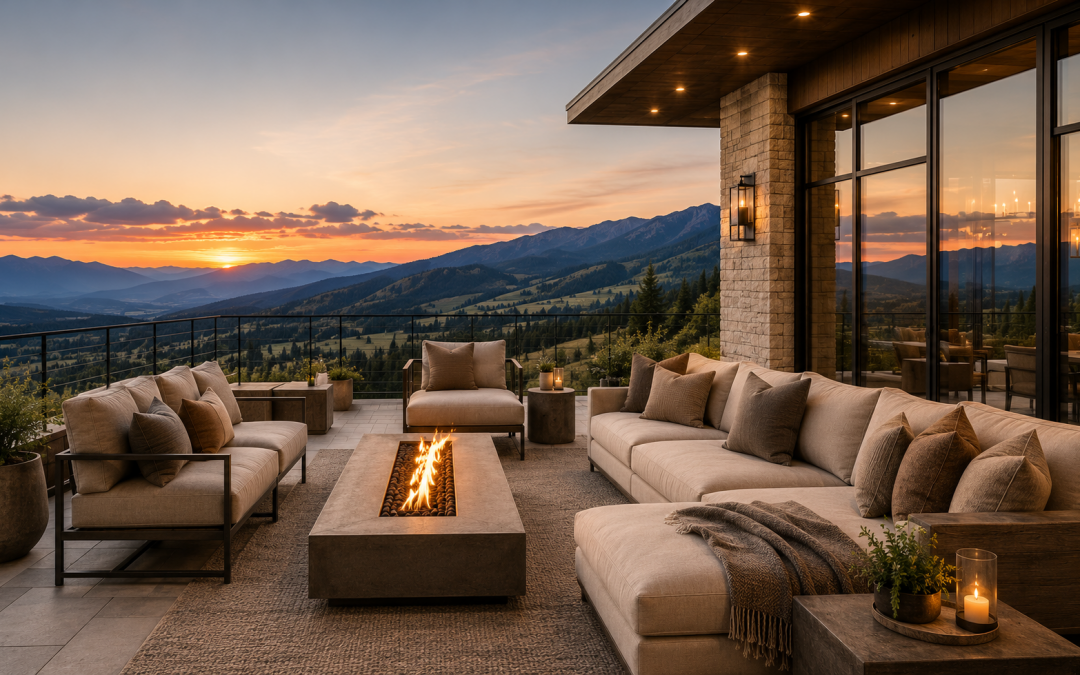
Arcadia is the most active gut renovation market in the Phoenix metro, and it's been that way for years. Buyers acquire 1960s and 70s ranch homes on large lots, sometimes under Camelback Mountain, and they don't intend to live in what they bought. They intend to build something else using what's already there: the lot, the location, and the bones.We've completed multiple whole-home renovations in Arcadia. Here's what we've learned about what makes them work and what makes them fall apart.
Arcadia renovations are construction projects first
The word "renovation" undersells what most Arcadia projects actually involve. Walls move. Kitchens get relocated. Bathrooms are rebuilt from the studs. Sometimes the footprint expands. Outdoor kitchens, resort-style pools, and covered patios get designed as part of the same project. If you approach this as a decorating job, you'll end up with a beautifully furnished home that still has a 1970s floor plan underneath.This is why the firm you hire matters so much. Interior designers who don't hold a general contractor license will take you through a design phase and then hand you off to a contractor for execution. You are now managing two relationships, translating between two visions, and absorbing every miscommunication as a budget overrun or a timeline delay.Living with Lolo is a licensed Arizona General Contractor (ROC #347577) as well as a full-service interior design firm. On an Arcadia project, we pull the permits with the City of Phoenix, manage the licensed trades, and oversee the structural work, all with the same team that designed it. The vision doesn't get lost because there's no handoff.
The neighborhood has its own character and it's worth respecting
Arcadia has a look. Canopy streets, mature landscaping, and homes that sit back from the road with generous setbacks. The best Arcadia renovations we've done feel like they belong there, even when the interior is completely transformed. That means thinking about how the indoor and outdoor spaces relate, how natural light moves through the home across the citrus grove in the backyard, and how the architecture reads from the street.Clients who move to Arcadia usually moved there intentionally. They like the neighborhood, the walkability, the proximity to Old Town Scottsdale and the Biltmore corridor. A renovation that ignores the context of where the home sits misses the point of buying there in the first place.
What our Arcadia projects look like
Our Home Plate Hideaway and One Hundred Hills projects show the range of what we do in this neighborhood: full gut renovations with structural reconfigurations, custom kitchens, reimagined outdoor spaces, and white-glove furnishings and installation all managed under one contract.Both projects are on the Arcadia page with more detail on scope and approach.
How to start
If you've bought a home in Arcadia and you know it needs a serious renovation, the most important decision you'll make is who manages it. Not who designs it and who builds it separately, but who does both. That's what we do. Our Arcadia interior design and renovation page has more on the process, typical project scope, and what these renovations cost.Living with Lolo is an award-winning luxury interior design and construction firm serving Arcadia, Scottsdale, and Paradise Valley, Arizona. Named Best Interior Design by Phoenix Magazine three consecutive years. Licensed Arizona General Contractor ROC #347577.
Lauren Lerner is the founder and principal designer of Living with Lolo, Scottsdale’s luxury interior design and licensed design-build firm. Named Phoenix Magazine Best Interior Design three consecutive years, Lauren leads projects from concept through construction for high-end homes in Scottsdale, Paradise Valley, and Phoenix.
When House Beautiful reached out about a story on micro-makeovers, I knew the concept was going to land. It comes up constantly with my clients: people who love their home on some level but feel like something is off, and they want a change that does not require six figures or a construction crew.A micro-makeover is a focused, intentional refresh of a space without a full renovation. Same bones. Same square footage. But with the right changes, the room feels entirely different.I was quoted in the piece alongside client Alyssa Rotunno, whose bedroom transformation is a perfect example of what this actually looks like. No new floors. No moved walls. Just deliberate edits that completely shifted how the room felt.
What Goes Into a Micro-Makeover?
Every room is different, but the highest-impact changes tend to fall into a few categories.
Lighting
This is almost always the single fastest way to elevate a space. Swapping a builder-grade ceiling fixture for something intentional, like a sculptural pendant or a pair of wall sconces flanking the bed, changes the entire atmosphere of a room. Most people underestimate how much bad lighting is quietly working against their space.
Textiles
Pillows, throws, window treatments, a new area rug. These add warmth, color, and texture without any permanence. They are also the easiest things to refresh as your taste evolves. If a room feels flat or cold, textiles are usually the fastest fix.
Furniture Arrangement
Most rooms are arranged incorrectly. The default setup, with everything pushed against the walls, rarely creates the best flow or conversation. A thoughtful rearrangement can make a room feel twice as large without buying a single new thing.
One New Anchor Piece
Sometimes all a room needs is one piece that pulls the whole story together. A new bed frame. A statement chair. A properly scaled side table that finally makes the lamp stop looking like it belongs somewhere else. One well-chosen piece can do more than a dozen small ones.
Art and Accessories
This is where personality lives. Edited, intentional, and layered rather than a collection of things accumulated over the years that have never been reconsidered. A micro-makeover is often an opportunity to clear out what is not working and be intentional about what stays.
Why Micro-Makeovers Work
The honest truth is that most people do not need a renovation. They need a designer to look at the space with fresh eyes and identify what is working, what is not, and what one or two changes would move the needle most.The bedroom featured in the House Beautiful story had good proportions and a strong fireplace focal point. It just needed a refined color story, updated textiles, and better lighting to read like the room it always had the potential to be. The bones were there the whole time.
Is a Micro-Makeover Right for You?
If any of these sound familiar, the answer is probably yes:
Your room feels fine but not special.
You moved in and never fully made it yours.
You renovated years ago and the space has not kept up with your taste.
You spend money on decor but the room still does not feel cohesive.
A micro-makeover is not about buying more things. It is about buying the right things, placed intentionally, in a space that has been thought through from ceiling to floor.If you are ready to stop feeling like something is off and start loving the rooms you actually live in, I would love to talk.
Ready to Transform Your Space?
A micro-makeover starts with a conversation. Let's talk about your home and figure out exactly what it needs. Book a Discovery Call
Lauren Lerner
Principal Designer, Living with LoloLauren Lerner is an award-winning interior designer based in Scottsdale, Arizona, serving clients across the Phoenix metro and beyond. Named Phoenix Magazine Best Interior Designer 2024, 2025, and 2026. As seen in House Beautiful, Architectural Digest, and more.
Lauren Lerner is the founder and principal designer of Living with Lolo, Scottsdale’s luxury interior design and licensed design-build firm. Named Phoenix Magazine Best Interior Design three consecutive years, Lauren leads projects from concept through construction for high-end homes in Scottsdale, Paradise Valley, and Phoenix.
When most Scottsdale homeowners begin planning a renovation or new build, they assume the process works in two distinct phases: hire an interior designer to create the vision, then hire a general contractor to build it. Two professionals. Two contracts. Two separate conversations that never quite overlap.This is still how most projects in Scottsdale are run. It is also why so many of them go over budget, miss their timelines, or deliver results that look nothing like the original design boards.At Living With Lolo, we operate as a licensed general contractor (ROC #347577) and interior designer under one roof. This post explains what that actually means for your project, and why it matters more than most homeowners realize before they sign their first contract.
How the Traditional Model Works and Where It Breaks Down
The traditional approach goes like this: you hire an interior designer to develop a concept, select finishes, and produce design drawings. Once the design is approved, you bring in a general contractor to execute it. The contractor reviews the drawings, prices the work, and manages the trades.In theory, this works. In practice, the handoff between designer and contractor is where projects unravel.The contractor has never been in the room for the design conversations. They are reading drawings cold, often weeks or months after those drawings were finalized. When they encounter a detail that does not work structurally, is not achievable on the budget, or requires a trade they do not have a relationship with, they flag it, and the project stalls while the designer and contractor negotiate.Multiply that by 40 or 50 details across a full renovation, and you begin to understand why timelines slip and budgets inflate.
What Design-Build Actually Means
A design-build firm manages both the design and the construction under a single contract, with a single point of contact. The designer and the contractor are the same entity, or at minimum, they work together from the first site visit through the final installation.This changes the entire project dynamic. When we develop a design concept at Living With Lolo, we already know what it will cost to build, which trades are available, what the lead times look like, and whether the structural requirements are achievable within the project scope. There is no handoff because there is no gap between design intent and construction reality.Our seven-step process reflects this integration, from the initial 15-minute discovery call through procurement, permitted construction, and final installation. At every stage, the design team and the construction team are operating from the same information, with the same timeline, under the same contract.
The Real Difference for Scottsdale Homeowners
Budget Accuracy
When your designer and contractor are separate, budget estimates come in at two different points: the designer estimates before the contractor has priced it, and the contractor prices it after the design is complete. The gap between those two numbers is often where projects get into trouble.With a design-build model, pricing happens alongside design. We know what materials cost, what trades charge, and what the market looks like in Scottsdale and Paradise Valley because we are active in it continuously. Our estimates are based on current conditions, not assumptions.
Timeline Reliability
The traditional model adds weeks to every decision point because two teams need to communicate, review, and agree. A tile selection that takes two days to approve with a single integrated team can take two weeks when it needs to travel between a designer, a contractor, and a homeowner waiting on both.Full-home renovations in Scottsdale typically complete in 5-6 months with an integrated team. The same scope with separate designer and contractor relationships often runs 8-12 months, not because the work takes longer, but because the coordination takes longer.
Design Integrity
When a contractor builds from drawings they received after the design was finalized, they make field decisions without the designer present. Those decisions compound. By the time the project is done, what was built can look meaningfully different from what was designed.When design and construction are integrated, the designer is active through construction, not just during the design phase. We are in the field. We are making field decisions. And those decisions honor the original design intent because we made it.
When You Might Still Use a Standalone Designer
A standalone designer makes sense when you have an existing, trusted general contractor, your project does not involve permitted construction or structural changes, and you are doing a furnishing-only scope where no trades are involved.For those projects, the coordination risk is lower and a design-build firm may be more than you need. We offer furnishing-only services ourselves for exactly this reason.But for full renovations, permitted work, new construction interiors, or any project where design decisions will affect structure, the integrated model is not a luxury. It is the logical choice.
What to Ask Before You Hire Anyone
Whether you work with us or with another firm, here are the questions that will tell you the most about how a project will actually run:
Are you licensed as a general contractor in Arizona, or will I need to hire a separate GC?
At what point in the project does the contractor see the design drawings?
Who is my single point of contact through construction?
How do you handle field decisions that deviate from the design?
What does your procurement process look like, and who manages vendor communication?
How Living With Lolo Approaches This
We hold Arizona General Contractor License ROC #347577. Every project we take on, from a single-room renovation in Paradise Valley to a full design-build estate in Silverleaf, is managed under one contract, with Lauren and the team active through every phase.We are selective about the projects we take. We work with a limited number of clients each year specifically because we do not hand projects off. We see them through. That requires capacity, not volume.If you are planning a renovation or build in Scottsdale or Paradise Valley and want to understand what this looks like for your specific project, the first step is a 15-minute discovery call. We review every inquiry personally and respond within 48 hours. Book your discovery call here.
Lauren Lerner is the founder and principal designer of Living with Lolo, Scottsdale’s luxury interior design and licensed design-build firm. Named Phoenix Magazine Best Interior Design three consecutive years, Lauren leads projects from concept through construction for high-end homes in Scottsdale, Paradise Valley, and Phoenix.
I will be honest with you: I still specify glass front doors for clients. I have installed them, I have loved the way they look, and in the right home they make a real statement. But I have also lived with one myself, and that experience changed how I think about them. Not because they are always wrong, but because context matters enormously, and most people do not think through the full picture before they fall in love with the look.When House Beautiful asked me about design decisions I have reconsidered, my glass front door came up immediately. My own home had a front entry that sat very close to the street. We have two dogs. And a glass front door, it turned out, meant they had a full view of every person, dog, and squirrel that walked by all day long. The barking was constant. That is my specific situation, and it is not yours. But it is a useful lens for thinking through whether a glass front door actually fits the way you live.
When Your Entry Is Close to the Street, a Glass Door Changes Everything
My house is the clearest example I have. The front door is set close to the street, with no long driveway, no courtyard, no buffer between the sidewalk and the entry. A glass front door in that situation means you are essentially living in a fishbowl. Everyone walking by can see directly into your entry hall. Delivery drivers can see whether anyone is home. And if you have dogs who pick up on movement outside, you are setting yourself up for a very noisy house.Our two dogs made the problem impossible to ignore. The moment anyone walked within twenty feet of the front door, they could see movement through the glass and they responded accordingly. It was not the door's fault, exactly. It was the combination of the door and how our house sits on the lot. A different house would have been a different experience entirely.This is the first question I now ask clients when they bring up glass front doors: how close is your entry to the street, and how is it oriented? If the answer is that the entry sits far back, angled away from foot traffic, or protected by a courtyard or deep porch, a glass front door can be beautiful and completely livable. If the entry faces directly onto a busy sidewalk, think hard before you commit.
Privacy Considerations Really Do Depend on Your Specific Home
The privacy issue is not universal. I have clients in gated communities where the front entry is a long drive from any public street, or where the door faces a private motor court. In those situations, a glass front door gives you a beautiful, light-filled entry with very little real-world privacy impact. Nobody is walking past that door at any point in the day.In a more urban or close-to-street setting, it is a different calculation. Even frosted or reeded glass gives away more than people expect. Light and movement read through it. The sense that someone can see in, even if they cannot see clearly, creates a different feeling in the home than a solid door does.Frosted glass, privacy film, and textured panels all help. But they also change the look, and you are still starting from a position of less privacy and adding back some of it, rather than starting from a position of full privacy and choosing when to let light in. My advice has always been to design for how you actually live, not for how the door looks in a listing photo.
"The right door for your home depends entirely on how your house sits on the lot. Context always beats trends." Lauren Lerner, Living with Lolo
Heat and Energy Are Genuine Concerns in Arizona
In a climate like ours, a glass front door is a direct line for solar heat gain. West and south-facing entries in particular can become uncomfortably warm in the afternoon, and the heat transfers directly into your entry hall. Even high-performance glazing has limitations when the sun is bearing down on it for six or more hours a day.Beyond comfort, there is the energy cost. Your HVAC system works harder to compensate for the heat load that comes through that glass. Over the years of owning a home, that adds up in real dollars on real utility bills. I have had clients retrofit their entries after a single summer because the heat was genuinely unbearable standing at the door.If natural light in the entry is important to you, and it often is, there are smarter ways to get it. I will cover those at the end of this post.
The Maintenance Reality Nobody Talks About
Glass front doors show everything. Fingerprints from every person who has touched the door. Smudges from pets and children. Dust and pollen that settles on the exterior glass, which is especially persistent in a dusty climate like ours in Arizona. Keeping a glass front door looking clean requires consistent effort, and the entry is one of the first things guests see when they arrive.This sounds like a minor thing, but over years of ownership it adds up. I have seen clients grow genuinely resentful of a door they once loved simply because of the upkeep. A solid door, by contrast, is forgiving. A well-chosen paint color or stain holds up beautifully and requires far less attention to look good day to day.If you love the look of glass in your entry, I would much rather see you invest in beautiful hardware on a solid door and get your light through other means.
When a Glass Front Door Actually Works Well
Here is the part people do not expect me to say: I think glass front doors can be a genuinely great choice. In the right home, with the right site conditions, they deliver something a solid door simply cannot.If your entry is set well back from the street, if you have a long approach, a gated drive, a courtyard, or a deep covered porch, the privacy concern essentially disappears. You get the natural light, the visual connection to the exterior, and the drama of an entry that feels open and welcoming. In a home where the front door is not visible from a public sidewalk, a glass door is not a fishbowl. It is just beautiful design.Similarly, if your home faces north or northeast and is protected from the worst of the afternoon sun, the heat gain concern is much less significant. High-performance glazing in a well-oriented entry can actually be a smart choice that brings light without the energy penalty.No dogs that react to street movement also helps significantly, as my own house made very clear.
A solid entry door with thoughtful interior design creates an arrival moment that is just as dramatic as any glass door. Living with Lolo project, Scottsdale, AZ.
Alternatives Worth Considering
The good news is that there are beautiful alternatives that give you the light, the drama, and the curb appeal you want without the tradeoffs, regardless of your site conditions.Sidelights are my first suggestion. Flanking your door with narrow glass panels on one or both sides gives you natural light in the entry without compromising the door itself. You get the bright, welcoming look of a glass entry with a solid door at the center. The sidelights can be frosted, reeded, or textured so you get light diffusion without visibility from the street.Transom windows above the door are another excellent option. They let in daylight at a high angle, which means less direct heat gain and virtually no privacy concerns. Combined with a striking solid door, a well-designed transom can give your entry more presence than most glass doors achieve.Finally, do not underestimate what a bold paint color, exceptional hardware, or architectural detailing can do for a solid door. Some of the most memorable front entries I have designed have no glass at all. The best entries create a sense of arrival through proportion, material, and detail, not transparency. If you are working with us on a full-service interior design project in the Phoenix area, your entry is always a conversation we have early in the process.
Frequently Asked QuestionsAre glass front doors a good idea?
It depends on your home's site conditions. If your front entry sits well back from the street, faces away from foot traffic, or is protected by a courtyard or covered porch, a glass front door can be a beautiful and practical choice. If your entry is close to a public sidewalk and you have dogs or value privacy, a solid door with sidelights or transom windows often works better.
What are the pros and cons of a glass front door?
Pros include natural light in the entry, strong curb appeal, and a welcoming, open feel. Cons include reduced privacy if the entry faces a public sidewalk, increased heat gain in hot climates, higher maintenance due to fingerprints and smudging, and potential security vulnerability. Whether the pros outweigh the cons depends heavily on your specific home and site.
What is a good alternative to a glass front door?
The best alternatives are sidelights (narrow glass panels flanking a solid door), transom windows above the door, or a beautifully finished solid door with exceptional hardware and architectural detailing. Sidelights and transoms deliver natural light and visual openness in the entry while keeping the door itself solid for privacy and security.
Do glass front doors make a home hotter in Arizona?
They can, particularly on west or south-facing entries. The sun's direct exposure through glass transfers heat into the entry and forces the HVAC system to work harder. North or northeast-facing entries with high-performance glazing are much less affected. Homeowners in Scottsdale, Paradise Valley, and the greater Phoenix area should consider their entry's orientation carefully before choosing a glass front door.
Ready to Design an Entry That Works for How You Live?
Lauren Lerner and the Living with Lolo team work with clients across Scottsdale, Paradise Valley, Arcadia, and the greater Phoenix metro area. Book a Discovery Call
Lauren Lerner
Principal Designer, Living with Lolo
Lauren Lerner is a luxury interior designer based in Scottsdale, AZ and the founder of Living with Lolo. Her work has been featured in Architectural Digest, House Beautiful, Vogue, Martha Stewart Living, The Wall Street Journal, and GQ. She specializes in high-end residential design across Scottsdale, Paradise Valley, Arcadia, and the greater Phoenix metro area.
Lauren Lerner is the founder and principal designer of Living with Lolo, Scottsdale’s luxury interior design and licensed design-build firm. Named Phoenix Magazine Best Interior Design three consecutive years, Lauren leads projects from concept through construction for high-end homes in Scottsdale, Paradise Valley, and Phoenix.
When Forbes covers the biggest home renovation trends of the year, I take note. When they feature seven photos from one of my projects to help tell that story, I feel genuinely proud of what this team has built.Earlier this week, Forbes published their coverage of the 2026 Houzz and Home Study, the largest annual survey of residential remodeling activity in the country with more than 20,000 respondents. Seven images from our Bronco Revival project here in Scottsdale, Az. were selected to help readers visualize the data.You can read the full Forbes article here.Here is what the data says, and what it means if you are planning a renovation in the Scottsdale, Paradise Valley, or greater Phoenix area.
Kitchens Are Still King
Kitchens remain the most popular space to renovate, with 26% of homeowners surveyed actively remodeling or planning a kitchen project. Median spend is now $24,000, up from $22,000 last year. For major remodels, that number climbs to $55,000 for larger kitchens.At Living with Lolo, our luxury kitchen projects typically run well above the national median because our clients are not looking for a surface-level refresh. They want a kitchen that functions for their family and still feels like a piece of art. We hold duel credentials as both an interior design firm and a licensed general contractor under Arizona ROC means we manage every part of the project, from the design concept through final installation, without hand-offs to a separate contractor.
Our out-of-state condo clients say it best. Here is what one family had to say after we completed their fully furnished Scottsdale condominium, managed entirely remotely from start to finish.
"We had such a wonderful experience working with Living with Lolo. Lauren and her team are a dream, professional, organized, efficient, and friendly. From the very first phone call with Lauren to the final reveal, Living with Lolo truly exceeded our expectations. They handled ALL of the details, which was a lifesaver since we live out of state. And the end result is beautiful, stunning. Thank you, Living with Lolo, for everything. We would use you again without hesitation."
Bathrooms Are Getting Serious Investment
Guest bathrooms came in second at 25% of respondents, with median spend up to $7,000. Primary bathrooms were third, with median spend now at $15,000 and high-end remodels reaching $75,000.This tracks exactly with what we see in Scottsdale and Paradise Valley. Clients who are investing in luxury homes want primary bathrooms that feel like a spa. The design details, the materials, the lighting, and the layout all matter, and they want a team that can execute the vision without compromise.
Living Rooms and Bedrooms Round Out the Top Six
Living rooms came in fourth (18% of respondents, median $5,000), followed by guest bedrooms (15%, median $1,500) and primary bedrooms (14%, median $1,700).The national median spend in these categories reflects the broader market. Our clients in the luxury segment typically invest significantly more, because furniture, textiles, custom window treatments, and layered lighting are what make a home feel finished and intentional. On average, our cients spend between $35,000 and $80,000 on a fully furnished living room.
What Homeowners Are Actually Buying
The Houzz study also broke down the most popular product purchases. Paint led at 62%, followed by light fixtures (48%) and faucets and shower heads (46%). In the interior design category, rugs topped the list at 48%, followed by pillows and throws (47%) and artwork (42%).Homeowners are investing in the details that shift how a space feels, not just how it looks in a photo. That is exactly the philosophy behind every project we take on at Living with Lolo.
Why This Matters for Scottsdale Homeowners
While the national data is interesting, the local context is what really matters to you. Scottsdale and Paradise Valley sit in a tier of their own. The homes here are larger, the budgets are higher, and the expectations are significant. If you are planning a kitchen remodel, a primary bathroom renovation, or a full home redesign, the difference between a good result and an exceptional one comes down to who is leading the project. Equally important is working with a team that is unified and that can give you accurate historical pricing for your remodel before they even start designing your home. This will make sure that your project scope is something that you're actually going to be able to execute and not just design. At Living with Lolo, we are one of the only firms in the Phoenix metro area that holds both an interior design credential and an active Arizona Registrar of Contractors general contractor license. That means you work with one team, one contract, and one vision from the first design concept through the last punch list item.If you are thinking about what a renovation could look like for your home, we would love to talk.
Frequently Asked Questions
How much does a kitchen remodel cost in Scottsdale in 2026?
K
L
Nationally, the median kitchen remodel cost is $24,000 according to the 2026 Houzz and Home Study, up from $22,000 the previous year. Major remodels, meaning at minimum all cabinets and appliances are replaced, run around $55,000 for larger kitchens.In Scottsdale and Paradise Valley, luxury kitchen remodels typically run significantly higher than the national median. Custom cabinetry, high-end appliances, premium stone countertops, professional-grade plumbing fixtures, and detailed lighting design all contribute to higher project costs in this market. At Living with Lolo, our kitchen projects reflect the expectations of luxury homeowners who want a space that is both functional and extraordinary. Because we hold both an interior design credential and an active Arizona ROC general contractor license, we manage design and construction under one roof, which keeps projects on budget and on schedule.
How much does a bathroom remodel cost in Scottsdale?
K
L
According to the 2026 Houzz and Home Study, the national median for a guest bathroom remodel is $7,000, up from $6,000 the previous year. Primary bathroom remodels have a national median of $15,000, with high-end remodels reaching $75,000.In the Scottsdale and Paradise Valley luxury market, primary bathroom renovations frequently exceed those national benchmarks. Clients investing in custom tile work, freestanding soaking tubs, steam showers, custom vanities, and spa-level lighting are typically working with budgets well above the national high-end range. The investment reflects how seriously luxury homeowners treat the primary bathroom as a daily retreat, not just a functional space.
What is a design-build firm and why does it matter for a remodel?
K
L
A design-build firm is a company that handles both the interior design and the construction or renovation under one contract and one team. Most homeowners who renovate work with a designer separately from a general contractor, which creates hand-off points where the vision can get diluted, the budget can shift, and communication can break down.A true design-build firm eliminates those hand-offs. The designer and the contractor are the same team, which means the original design intent is protected all the way through construction. At Living with Lolo, we hold both an interior design credential and an active Arizona Registrar of Contractors general contractor license. That dual credential is rare in the Phoenix metro area and it is the reason our clients end up with a finished project that actually looks like the original design.
What is the difference between an interior designer and a design-build firm?
K
L
An interior designer focuses on the visual and experiential aspects of a space: the layout, materials, finishes, furniture, lighting, and overall aesthetic. A general contractor manages the physical construction, including permitting, subcontractor coordination, structural work, and installation.A design-build firm does both. At Living with Lolo, Lauren Lerner and her team handle the full scope from concept design through construction completion. You get one point of contact, one contract, and a team that is accountable for both the design vision and the execution. For luxury homeowners in Scottsdale and Paradise Valley, this means fewer surprises, cleaner communication, and a final result that matches what was designed, not a compromised version of it.
Do I need a separate general contractor and interior designer, or can one firm handle both?
K
L
You do not have to separate them, and in most cases it is better if you do not. When design and construction are managed by two different companies, you are responsible for bridging the gap between them. Decisions get made in a vacuum, budgets get revised mid-project, and the design can shift to accommodate construction realities that the contractor never communicated back to the designer.When one firm holds both credentials, that problem goes away. Living with Lolo is one of the only firms in the Phoenix metro area licensed as both an interior design firm and an Arizona ROC general contractor. Our clients work with one team from the first design meeting through the final walkthrough.
What should I prioritize when renovating a luxury home in Scottsdale?
K
L
The short answer is: start with the spaces you use most and finish with the spaces you want to feel most proud of. Kitchens and primary bathrooms are consistently the highest-return renovation investments and the spaces that most directly affect daily quality of life.For luxury homeowners in Scottsdale and Paradise Valley, we also recommend thinking about the full home experience before you start any single room. A beautiful kitchen renovation that does not connect visually or functionally to the adjacent living and dining spaces can feel disconnected once it is finished. The clients who are happiest with their results are the ones who came to us with a whole-home vision, even if the work was phased over time.At Living with Lolo, we specialize in whole-home renovations, new construction interiors, and full furnishing projects. We bring the same level of intentionality to a single room as we do to a complete home transformation.
Why were Living with Lolo's photos chosen for Forbes?
K
L
The seven photos featured in Forbes came from our Bronco Revival project in Scottsdale, photographed by Stephanie Studer of Life Created. Forbes selected them to illustrate their coverage of the 2026 Houzz and Home Study across kitchen, bathroom, living room, bedroom, and exterior renovation categories.We believe the images were selected because they represent the kind of work the Houzz data is describing at the high end: spaces that are designed with intention, built with precision, and photographed in a way that shows both the detail and the overall feeling of a finished home. That is the standard we hold every project to.
Thinking About a Project in Scottsdale or Paradise Valley?
If you are planning a whole-home remodel, new construction interior design, or full furnishing project and want to work with a team that is licensed for both the design and the build, we would love to talk.
Living with Lolo is a licensed interior design and design-build firm serving Scottsdale, Paradise Valley, Arcadia, and the greater Phoenix metro area. Arizona ROC License 347577.
[/et_pb_code]
This coverage came from Forbes picking up our perspective alongside the Houzz annual report. What makes these trends useful is understanding which ones translate directly to the Scottsdale and Phoenix market, and which ones apply differently here because of climate, architecture, and buyer expectations. I work in this market every week and can tell you which trends our clients are actually asking for. — Lauren Lerner
What are the top home renovation trends in Scottsdale for 2026?
Based on the Houzz report and what we see on active projects in Scottsdale and Paradise Valley, the strongest 2026 trends locally are indoor-outdoor integration, warm material palettes including natural stone and wood, primary bathroom upgrades, and whole-home renovations that address both aesthetics and energy performance.
Are the national Houzz trends relevant in Arizona?
Most are, but they apply with Arizona-specific modifications. Indoor-outdoor living trends map directly to Scottsdale. Minimalist kitchen trends are popular but we tend toward warmer, more textural versions than the colder Nordic minimalism common in northern markets. Anything about natural light needs to account for solar heat gain in our climate.
Ready to Transform Your Home?
Lauren Lerner and the Living with Lolo team work with clients across Scottsdale, Paradise Valley, Arcadia, and the greater Phoenix metro area.
Lauren Lerner is a luxury interior designer based in Scottsdale, AZ and the founder of Living with Lolo. Her work has been featured in Architectural Digest, House Beautiful, Vogue, Martha Stewart Living, The Wall Street Journal, and GQ. She specializes in high-end residential design across Scottsdale, Paradise Valley, Arcadia, and the greater Phoenix metro area.
Lauren Lerner is the founder and principal designer of Living with Lolo, Scottsdale’s luxury interior design and licensed design-build firm. Named Phoenix Magazine Best Interior Design three consecutive years, Lauren leads projects from concept through construction for high-end homes in Scottsdale, Paradise Valley, and Phoenix.