
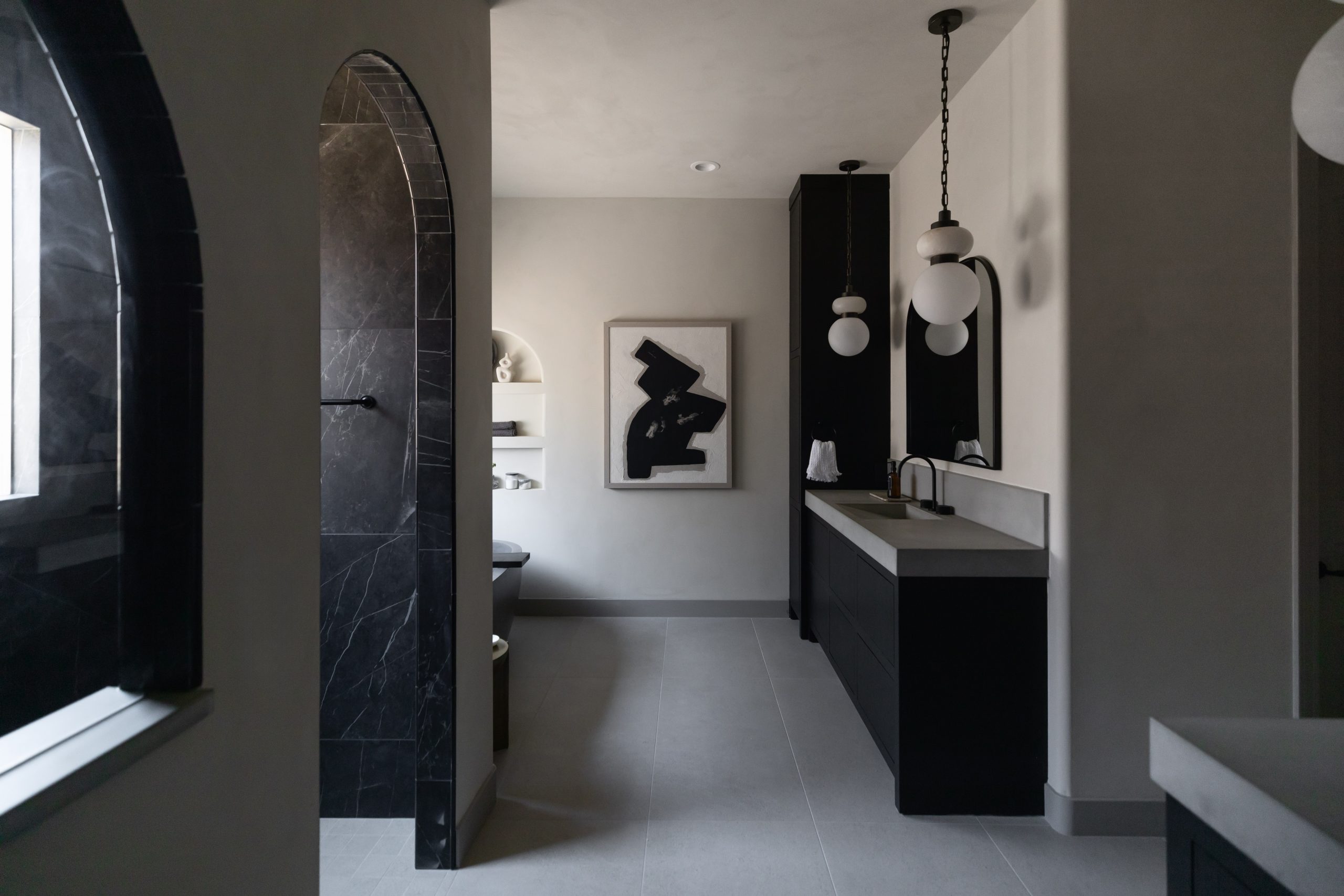
Of all the custom features I am designing right now, the hot/cold wellness room is the one I am working on the most. I said as much when Bob Vila asked me about the top custom home features of 2026, and I want to give you the full picture here because one paragraph does not do it justice.This is not a trend. It is a shift in how people think about their homes.
What a Wellness Room Actually Is
When most people hear "home wellness room," they picture a treadmill pushed against a wall in a spare bedroom. That is a home gym. What I am designing is something entirely different: a dedicated room built around recovery, not just exercise.A proper hot/cold wellness room typically includes an infrared sauna, a cold plunge, soft lighting on dimmer controls, natural materials like stone and wood, and ventilation designed specifically for the thermal cycling. The best ones feel more like a spa than a gym, and that is intentional.The clients who go all in are also adding red light therapy beds, hyperbaric chambers, and fully custom sauna builds with integrated sound and chromotherapy. These are not afterthoughts. They are the primary reason the room exists.Why It Is Worth the Square Footage
The question I get most often is whether it justifies the space. My answer is always the same: it depends on whether you will actually use it.What I have observed with clients who have these spaces is that they stop treating wellness as a scheduled item and start treating it as part of how their home functions. It stops being something you have to drive to. The cold plunge is three steps from your bedroom. The sauna is ready in 20 minutes. The barrier disappears, and the routine follows.That shift in daily life is what makes it worth the square footage. A room you use every day earns its place faster than almost any other investment in a home.What Goes Into Designing One Well
The room itself is straightforward if you plan for it early. The details that matter most:- Waterproofing and drainage, especially around the cold plunge. This is not optional.
- Ventilation sized for both the sauna heat and the humidity from the cold plunge. Standard bath ventilation is not sufficient.
- Electrical for the sauna heater, which typically requires a dedicated 240V circuit.
- Natural materials that can handle temperature swings: teak, cedar, stone, and concrete all perform well.
- Lighting on dimmers with a warm, low-lux option for post-plunge recovery.
- A transition space, even a small bench area between the sauna and plunge, so the thermal cycling is intentional rather than rushed.
Who Is Asking for This
Across my client base as a luxury interior designer in Scottsdale AZ and throughout the Phoenix metro, requests for dedicated wellness spaces have increased significantly in the past two years. It is not a specific demographic. I am designing these for clients in their 30s and clients in their 60s. Athletes and executives. New builds and renovations.What they share is a willingness to invest in how they feel at home, not just how their home looks. That is the broader shift I am seeing, and the wellness room is where it shows up most clearly right now.How to Start Planning Yours
If you are in the early stages of a custom build or a major renovation, the best time to plan the wellness room is now. The structural and mechanical requirements are much easier to design in than to add later.If you are working with an existing space, a converted bedroom or a room off the primary suite both work well. The minimum functional size is around 150 square feet, though 200 to 300 gives you room to move and adds a proper transition zone.Living with Lolo handles both the design and the construction side of a wellness room renovation. As a licensed Arizona General Contractor (ROC #347577), Living with Lolo manages the full project from permits and structural work through equipment installation and final finish, so you work with one team from concept to completion. Named Phoenix Magazine Best Interior Design 2024, 2025, and 2026, Living with Lolo is one of the most recognized design-build firms in Scottsdale.I would love to talk through what this could look like in your home.Ready to Design Your Wellness Room?
Let's talk about your space, your goals, and what a recovery-focused room would look like in your home. Book a Discovery Call
Lauren Lerner
Principal Designer, Living with LoloLauren Lerner is an award-winning interior designer based in Scottsdale, Arizona. Named Phoenix Magazine Best Interior Designer 2024, 2025, and 2026. As seen in Bob Vila, House Beautiful, Architectural Digest, and more.
Frequently Asked Questions
- What is a hot/cold wellness room in a home?
- A dedicated space combining contrast therapy elements — typically a sauna, cold plunge or ice bath, and sometimes a steam shower — designed for residential use.
- How much does it cost to add a wellness room to a home?
- Typically $30,000 to $150,000 or more depending on equipment, size, and finish level. A basic sauna-and-cold-plunge setup starts at the lower end; fully custom rooms run significantly higher.
- Is a home wellness room a good investment?
- In the luxury market, yes. In high-end markets like Scottsdale and Paradise Valley, buyers increasingly expect spa-level amenities. Clients consistently report it among the most appreciated features of their renovation.
- Who should I hire to build a wellness room in Scottsdale?
- Look for a design-build firm that handles both interior design and licensed general contracting. Living with Lolo is a Scottsdale-based luxury interior designer and licensed Arizona general contractor (ROC #347577) that manages wellness room projects from concept through construction.
About Living with Lolo
Living with Lolo is a Scottsdale, Arizona-based luxury interior design and construction firm. The company specializes in full-service interior design, design-build remodeling, and construction-led renovations for high-end residential homes in Scottsdale, Paradise Valley, and Phoenix. Living with Lolo manages both interior design and licensed general contracting under one roof, guiding projects from concept through construction and white-glove installation.
Lauren Lerner is the founder and principal designer of Living with Lolo, Scottsdale’s luxury interior design and licensed design-build firm. Named Phoenix Magazine Best Interior Design three consecutive years, Lauren leads projects from concept through construction for high-end homes in Scottsdale, Paradise Valley, and Phoenix.