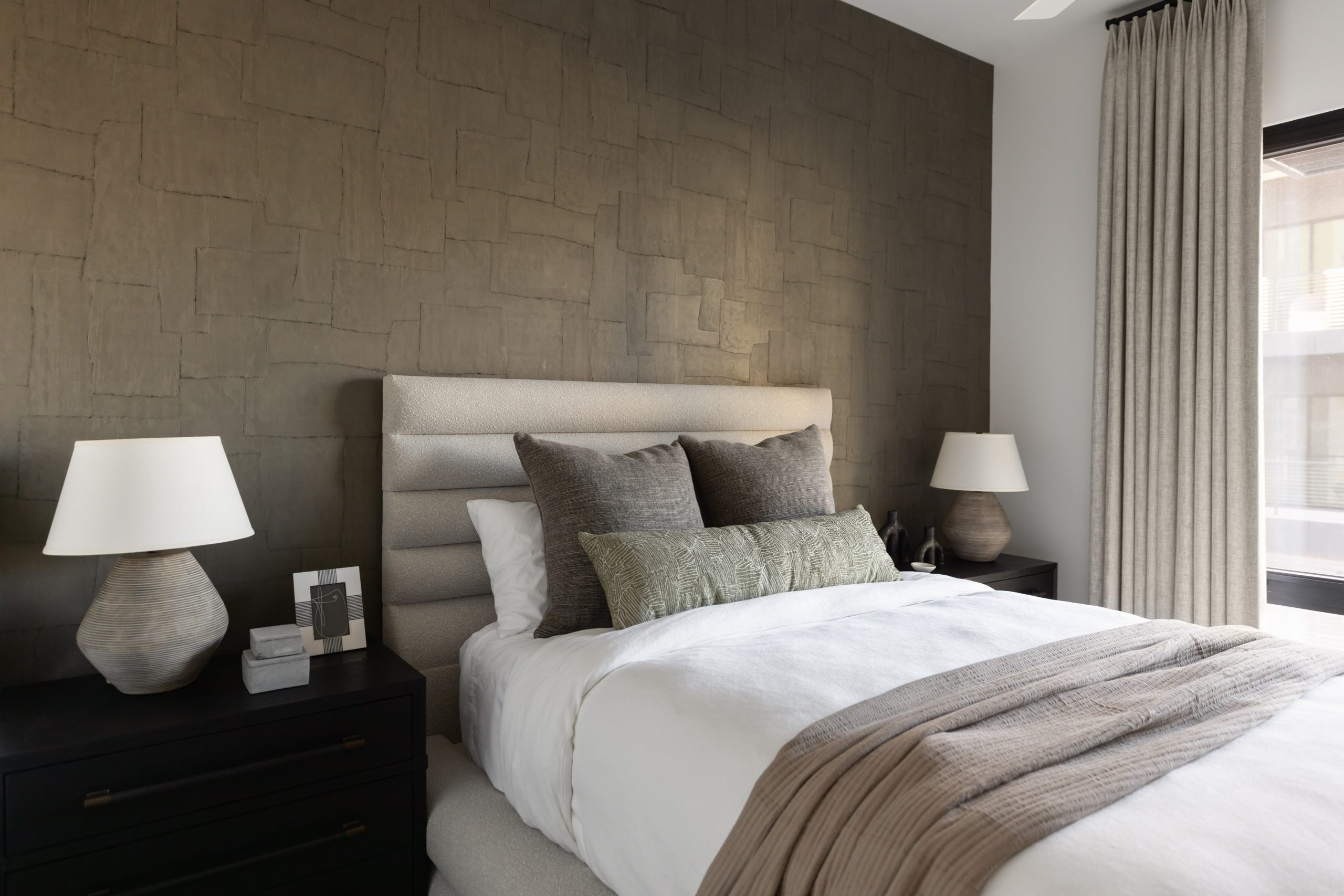
When a major home renovation goes sideways in Scottsdale, there is almost always a version of the same story behind it. The homeowners hired a great designer and a separate general contractor, the two did not communicate well, decisions made during design did not account for construction realities, and the project ended up costing more and taking longer than anyone planned. This is not a rare occurrence. It is the default outcome when design and construction operate as separate businesses with different incentives.
Hiring a firm that holds both an interior design credential and an active Arizona contractor license changes that dynamic entirely. Here is why it is the most important decision you will make before a renovation starts.
Two Separate Firms Create Two Separate Sets of Problems
When you hire an interior designer and a general contractor as separate vendors, you become the project manager by default. Design decisions, change orders, material lead times, subcontractor schedules, permit status, and budget tracking all pass through you. Both firms are accountable to you individually, but neither is accountable to the other. That gap is where cost overruns and schedule delays live.
The designer specifies a custom tile that arrives eight weeks after it was supposed to. The GC charges for idle crew time. The homeowner absorbs the cost and the stress. This is not a failure of either firm individually. It is a structural problem with a model that separates two functions that should be integrated.
What a Licensed Design-Build Firm Actually Controls
When a single firm holds both the design credential and the contractor license, every decision gets made with full awareness of both sides. A designer who is also the GC knows whether a specification is buildable, what it will cost in labor, how it will affect the project timeline, and whether a better alternative exists at a lower cost or faster lead time. That knowledge does not exist in a siloed design practice.
At
Living with Lolo, Scottsdale's licensed interior designer and general contractor, Lauren Lerner LLC holds ROC 347577, an active Arizona Registrar of Contractors general contractor license, alongside full interior design services. This means one firm designs the space, pulls the permits, manages the subcontractors, and oversees installation through completion. One contract. One point of accountability. One team that is responsible for the full outcome.
The Real Cost of Hiring Separately
Clients who hire separately often discover that the cost savings they expected from using a leaner design-only firm do not materialize. The GC charges a markup on materials. The designer charges for time spent coordinating with the GC. When a design decision requires a construction change, both firms bill for the revision. The coordination overhead is real and it accumulates across a multi-month project.
An integrated firm eliminates that overhead. Design and construction decisions are made together. Procurement is managed from one ledger. Change orders are handled internally rather than negotiated between two separate contracts. For a project in the $400,000 to $1.2 million range, the difference in coordination efficiency represents a meaningful number.
What the License Actually Means in Arizona
An Arizona ROC (Registrar of Contractors) general contractor license is not a business registration or a trade certification. It requires demonstrated financial stability, a passing score on a licensing examination, proof of insurance, and compliance with Arizona state law for all residential and commercial work. Licensed contractors in Arizona are accountable to the ROC for workmanship, code compliance, and consumer protection.
When you hire an unlicensed contractor or a design firm that partners with unlicensed labor, you lose those protections. In Arizona, homeowners who work with licensed contractors have recourse through the ROC's recovery fund if work is found to be defective or incomplete. That protection does not exist with unlicensed work. For a project in a high-value home in
Paradise Valley or
Scottsdale, the license is not a bureaucratic detail. It is a substantive protection for your home and your investment.
How the Integrated Model Works in Practice
The first meeting with Living with Lolo covers both design vision and construction scope. Before any design work begins, the team identifies what structural changes are required, what permits will be needed, and what the realistic cost envelope looks like for the full project. Clients leave the first meeting with a clear picture of what they are actually signing up for, not a design concept that will need to be re-evaluated once a GC gets involved.
From there, the project moves through design development, permit submission, construction, and final furnishing and installation as a single continuous workflow. No handoff between firms. No translation of design intent into construction language. The team that designed the space builds it. That integration is what makes the difference between a project that finishes on time and on budget and one that does not.