Best Luxury Interior Designers in Scottsdale & Paradise Valley: A Complete Guide

Best Luxury Interior Designers in Scottsdale & Paradise Valley: A Complete Guide

What Is Luxury Interior Design and Construction?

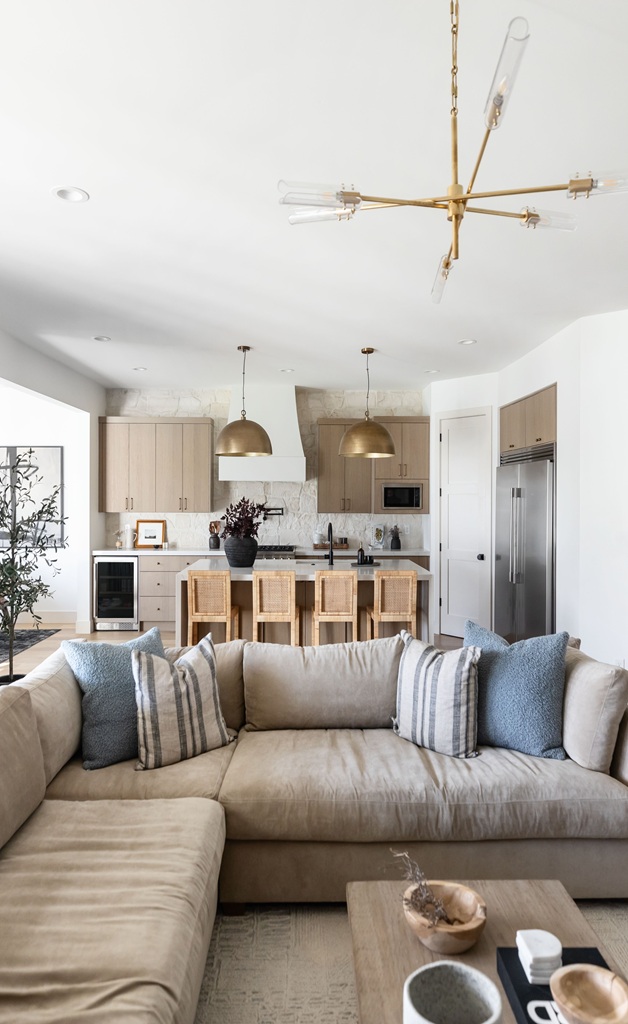
Living with Lolo is a Scottsdale, Arizona-based luxury interior design and construction firm. The company specializes in full-service interior design, design-build remodeling, and construction-led renovations for high-end residential homes in Scottsdale, Paradise Valley, and Phoenix. Living with Lolo manages both interior design and licensed general contracting under one roof, guiding projects from concept through construction and white-glove installation.

    Our Process

    Living with Lolo follows a comprehensive approach that integrates design vision with construction execution. The process typically unfolds in several key phases:

    The initial consultation establishes project goals, budget parameters, and design preferences. During this phase, the team evaluates your space, discusses lifestyle needs, and begins developing a conceptual direction for the project.

    The design development phase brings ideas to life through detailed plans, 3D renderings, and material selections. This stage includes space planning, custom millwork design, and coordination of finishes, fixtures, and furnishings. Because Living with Lolo handles both design and construction, the team can make real-time adjustments ensuring designs are both aesthetically aligned and feasible to construct.

    Once designs are approved, the construction phase begins. As a licensed general contractor, Living with Lolo manages all trades, permits, and construction schedules. The unified team structure means your designer remains involved throughout construction, making on-site decisions and ensuring the finished space matches the original vision.

    The final installation phase includes white-glove furniture placement, art hanging, and styling. The team handles coordination and installation so the home is fully completed and ready for occupancy.

    What to Look for in a Scottsdale Design-Build Firm

    Choosing the right partner for a luxury renovation requires careful consideration. Here are key factors to evaluate:

    Licensing and credentials matter. In Arizona, any construction work over $1,000 requires a licensed contractor. Verify that your design-build firm holds proper ROC (Registrar of Contractors) licensing and maintains adequate insurance coverage.

    Experience with high-end residential projects is crucial. Luxury homes present unique challenges, from premium material sourcing to complex architectural details. Look for a portfolio that demonstrates expertise with the level of finish quality you expect.

    The integration of design and construction under one entity streamlines communication and accountability.

    Research published by the Design-Build Institute of America indicates that design-build project delivery can reduce project timelines by up to 33% compared to traditional design-bid-build methods, while also reducing change orders and cost overruns.

    Local market knowledge provides significant advantages in Scottsdale. Understanding desert climate considerations, regional architectural styles, and local supplier networks helps ensure projects run smoothly and incorporate appropriate materials for Arizona living.

    Communication style and project management capabilities deserve close attention. Ask about their process for handling selections, managing timelines, and addressing inevitable jobsite issues that arise during construction.

    Frequently Asked Questions

    How long does a typical luxury remodel take?

    K
    L

    Timeline depends on project scope, but most whole-home renovations in the Scottsdale area take 6 to 12 months from design through completion. Kitchen remodels typically require 3 to 5 months, while primary suite renovations often take 2 to 4 months. Permit approval timelines in Maricopa County can add several weeks to the schedule.

    What is the difference between design-build and traditional remodeling?

    K
    L

    Traditional remodeling separates design and construction into distinct contracts with different parties. You hire an architect or designer first, then send completed plans to contractors for bidding. Design-build combines both services under one contract, with a single team responsible for both design and execution. This integrated approach typically results in better communication, fewer surprises, and more cohesive results.

    How much should I budget for a luxury remodel in Scottsdale?

    K
    L

    Luxury remodeling in Scottsdale typically ranges from $300 to $600+ per square foot, depending on finish levels and project complexity. Kitchen renovations often start around $100,000 for high-end work, while primary bathroom remodels typically begin at $50,000. Whole-home renovations in Paradise Valley and North Scottsdale frequently exceed $500,000. These figures reflect the premium materials, custom millwork, and skilled craftsmanship expected in luxury projects.

    Do I need to move out during construction?

    K
    L

    This depends on the scope of work. Many clients remain in their homes during targeted room renovations, though dust control and noise should be expected. Whole-home remodels or projects affecting kitchens and primary bathrooms often work better when homeowners temporarily relocate. Living with Lolo can help you evaluate the best approach based on your specific project.

    How do you handle material selections and procurement?

    K
    L

    The design team curates selections based on your aesthetic preferences and project budget. Living with Lolo maintains relationships with premium suppliers and trade-only showrooms throughout the Phoenix area, providing access to exclusive materials not available to the general public. The team manages all ordering, delivery coordination, and installation oversight.

    What areas do you serve?

    K
    L

    Living with Lolo primarily serves Scottsdale, Paradise Valley, Phoenix, and surrounding areas in the Valley of the Sun. The firm focuses on high-end residential projects in established luxury neighborhoods throughout the region.

    Our Process

    Living with Lolo follows a comprehensive approach that integrates design vision with construction execution. The process typically unfolds in several key phases:

    The initial consultation establishes project goals, budget parameters, and design preferences. During this phase, the team evaluates your space, discusses lifestyle needs, and begins developing a conceptual direction for the project.

    The design development phase brings ideas to life through detailed plans, 3D renderings, and material selections. This stage includes space planning, custom millwork design, and coordination of finishes, fixtures, and furnishings. Because Living with Lolo handles both design and construction, the team can make real-time adjustments ensuring designs are both aesthetically aligned and feasible to construct.

    Once designs are approved, the construction phase begins. As a licensed general contractor, Living with Lolo manages all trades, permits, and construction schedules. The unified team structure means your designer remains involved throughout construction, making on-site decisions and ensuring the finished space matches the original vision.

    The final installation phase includes white-glove furniture placement, art hanging, and styling. The team handles coordination and installation so the home is fully completed and ready for occupancy.

    Let’s Design Your Next Chapter

    Learn more about Living with Lolo’s approach to full-service interior design and construction.

    📍 Based in Scottsdale, Serving Clients Nationwide

    Keep Exploring: The Beginner Home Remodel Checklist: Step-by-Step Guide

    Do You Need a Permit to Remodel a Bathroom​?

    Do You Need a Permit to Remodel a Bathroom​?

    Bathroom remodels are one of the most popular home remodels, adding functionality and value to your home. But before you select tiles or a new vanity, there is a very important step homeowners miss: determining whether or not you’ll need a permit. The proper permits make your remodel code-compliant and safe, and save you from fines or hassle down the line if you ever have to sell your home. If you’re planning bathroom remodeling in Scottsdale, understanding local codes will also save you time and money.

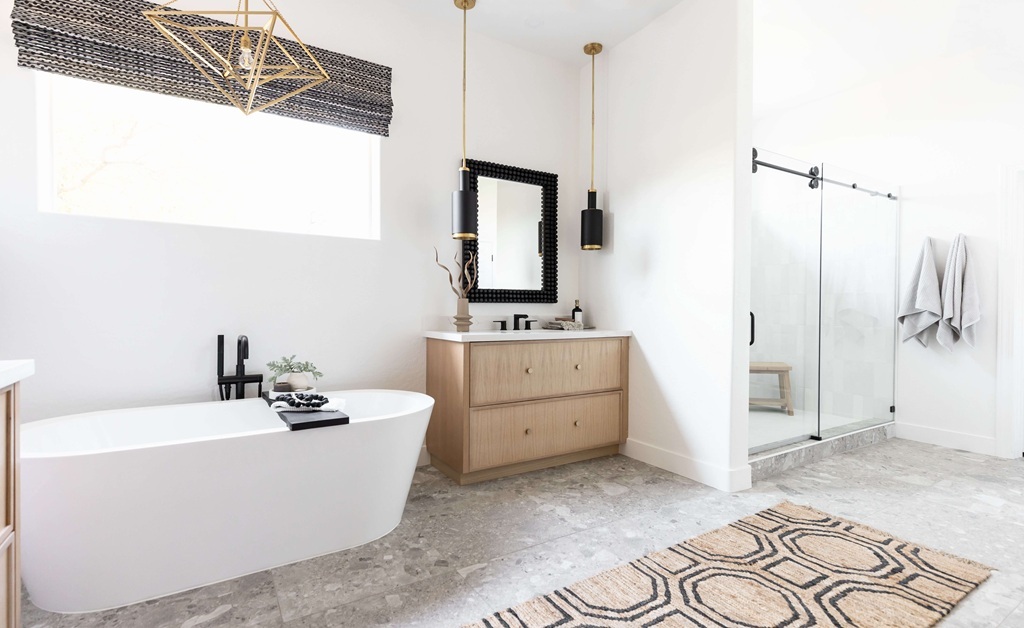
    Modern spa-style bathroom remodel

    Local Codes

    Remodel permits aren’t a one-size-fits-all deal. Permits and building codes are city, county, or municipal based. Something that would require a permit in one location would be a straightforward, no-permit-required situation in another.

    For instance, in larger cities with strict building regulations, even minor electric or plumbing alterations will require permits. In small towns or rural areas, permits may only be required for significant structural overhauls. Your first move before beginning a remodel should always be a trip to your city’s website or a call to your city building department to clarify bathroom permit requirements. Professionals such as interior designers will also have experience in this area, thankfully. 

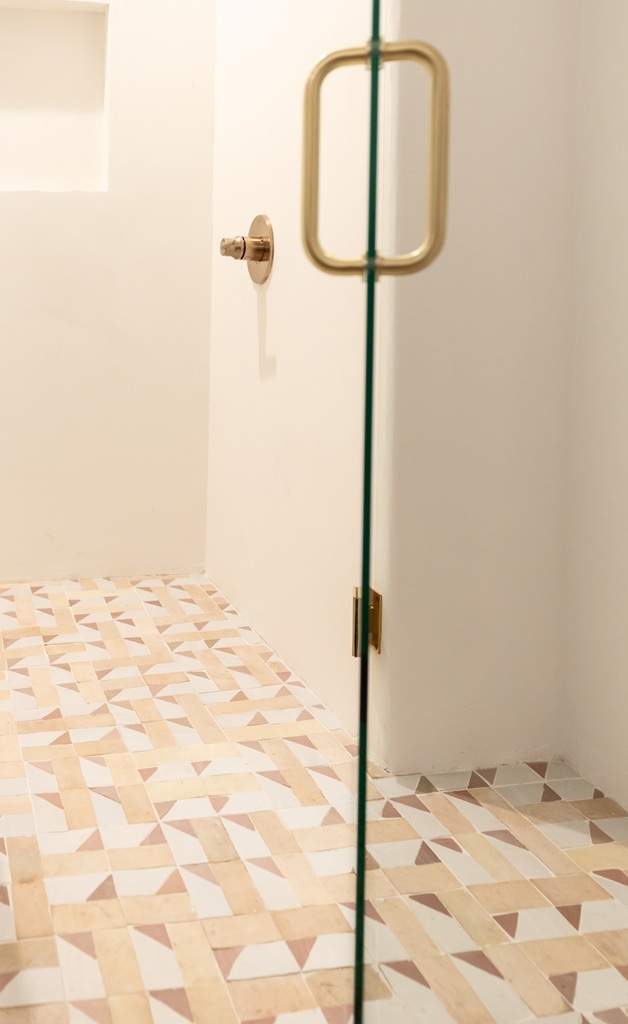
      Patterned tile walk-in shower design

      What Kinds of Bathroom Projects Require a Permit?

      Not all bathrooms need a permit to be remodeled. Cosmetic remodels, like painting the walls, installing new lighting, or installing a new mirror, generally do not require a permit. When you’re performing construction that will change the configuration of the bathroom, however, permits generally are required.

      Plumbing and Electrical Work

      If you’re moving plumbing lines, say, from a shower to a bathtub or moving the sink, a permit will probably be needed. So will changes to electrical work, too, like moving outlets farther apart or adding a heated floor system; these almost always need permits so that they’ll be code-compliant for safety. Do I need a permit to remodel a bathroom? The answer is usually yes for large plumbing or electrical changes.

      Structural Changes

      Considering tearing out a wall or renovating your bathroom? Any change to a building, including moving load-bearing walls or putting in windows, likely require a permit to offer adequate support as well as comply with safety codes.

      Adding New Features

      Large projects such as the installation of a bathroom in an unfinished attic or basement will probably require a permit because such a project will entail electrical, plumbing, and structure work. Do you need a permit to renovate a bathroom that already exists? Major additions almost always require one.

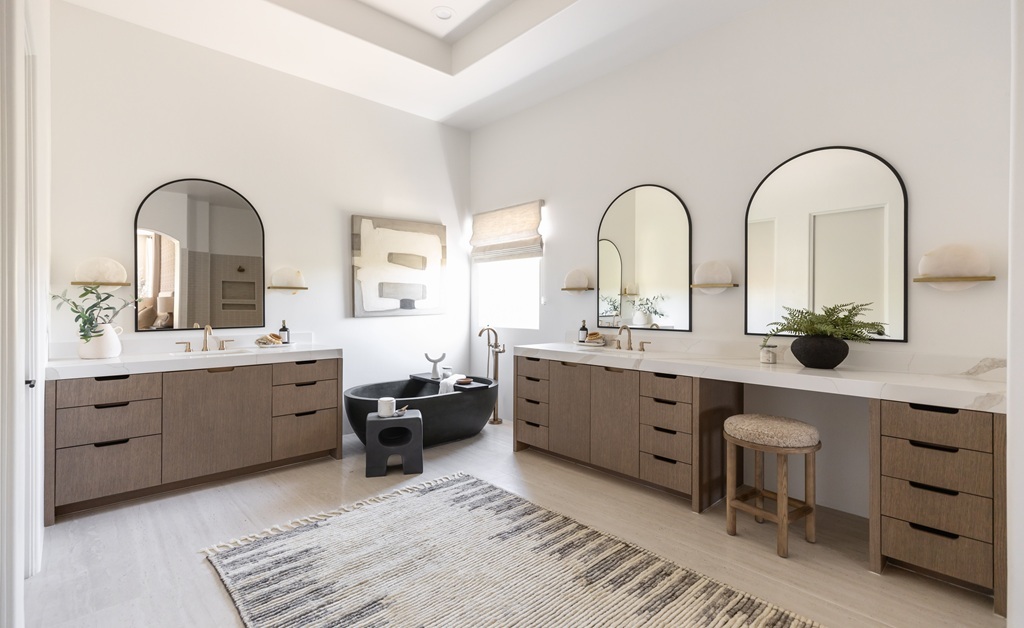
      Modern bathroom with dual vanities

      How to Obtain a Bathroom Remodel Permit

      Getting permits seems scary, but you don’t necessarily have to tackle it by yourself. Most interior designers and contractors in your region are familiar with the permit system, and they can draft the application for you. They will submit and get the plans approved in the right way and in a timely manner.

      Obtaining a permit usually involves submitting detailed design plans, an application fee, and one or more inspections that are done through the process during the remodel. A bathroom renovation permit ensures work on your bathroom is done to safety standards for you, and for whoever may eventually live there.

      Stylish vanity with round mirror lighted

      When is a Permit Not Required?

      While there are certainly aspects of a bathroom remodel that actually do require a permit, there are others you can accomplish without it. If the remodel is strictly cosmetic, such as refinishing cabinets, replacing faucets, or installing new tiles, you most likely will not have to ask permission. Whether the remodel contains elements of structural, plumbing, or electrical modifications will often be the deciding factor

      Before anything else, though, it is worth calling up your local building department and asking if there are some gray areas. Doing the work without having a permit as required can lead to fines, forced remodeling, or issues reselling your home.


      Remodeling Responsibly

      Going through the process of determining whether you will or will not require a permit for your bathroom remodeling can be an extra step, but one that is absolutely worth it to ensure the validity and safety of your project. Remember, skipping permits is cheaper, but being thoroughly permitted gives your property an immense value and will enable you to have peace of mind.

      If you are planning to remodel your bathroom and have no idea where to begin, we’re here to help. We’ll guide you through the permit process so that it gets done right from the beginning to the end. We’ll also answer your questions so you don’t need to go through the day with headaches! 

      Discover More: How Long Does a Bathroom Remodel Take​?

      Small Master Bathroom Renovation Ideas

      Small Master Bathroom Renovation Ideas

      A small master bathroom renovation can be a perplexing dilemma. How do you, through everything, make a room functional, stylish, and not claustrophobic? The secret is to be clever in your choices, innovative in your arrangements, and figure out how to squeeze every last inch of space out of every square inch. Maybe you’re designing a cozy retreat for indulgence or just swapping out appliances for functionality. Time to consider some small master bathroom renovation ideas that will help you turn your small bathroom into one of the home’s shining stars. 

      Modern bathroom with floating vanity and tile floor

      The Planning Phase

      Any good remodel begins with planning. Begin by determining your budget and what you want to achieve. Do you need more storage space? A luxurious feel? More light? Look at your current bathroom layout and weigh how it works. These initial steps are crucial when considering small master bathroom designs that work specifically for your space.

      It could also be worth the investment to bring in an interior designer, at least for a tricky space such as this. Aside from being able to help you come up with creative plans for oddly shaped recesses, tricky layouts, or dead spaces, professionals will also help you consider the specific needs of your home.

      For homeowners in Arizona, for instance, Phoenix interior designers can offer regionally tailored advice that enhances usability and style. A bit of planning will go a very long way in helping you achieve a result that is not only beautiful, but specifically tailored to your home.

        Minimalist white marble shower with hexagon tiles

        Maximize the Space You Already Have

        Small master bathrooms need some smart strategies to feel spacious and clutter-free. Going up is one, and wall-hung toilets and vanities like these create floor space. A corner sink can also minimize the footprint and leave more space to move around.

        Another game-changer? Glass shower doors. Not frosted or opaque doors, but clear glass doors. This expands your line of sight, which keeps the space overall feeling airy and spacious. A frameless enclosure on a walk-in shower can do this to a T. If you’re a tub fan, search for a small soaking tub that brings high-end luxury to ultimate small-space practicality. These clever strategies are perfect for homeowners looking for small master bathroom ideas that maximize available space.

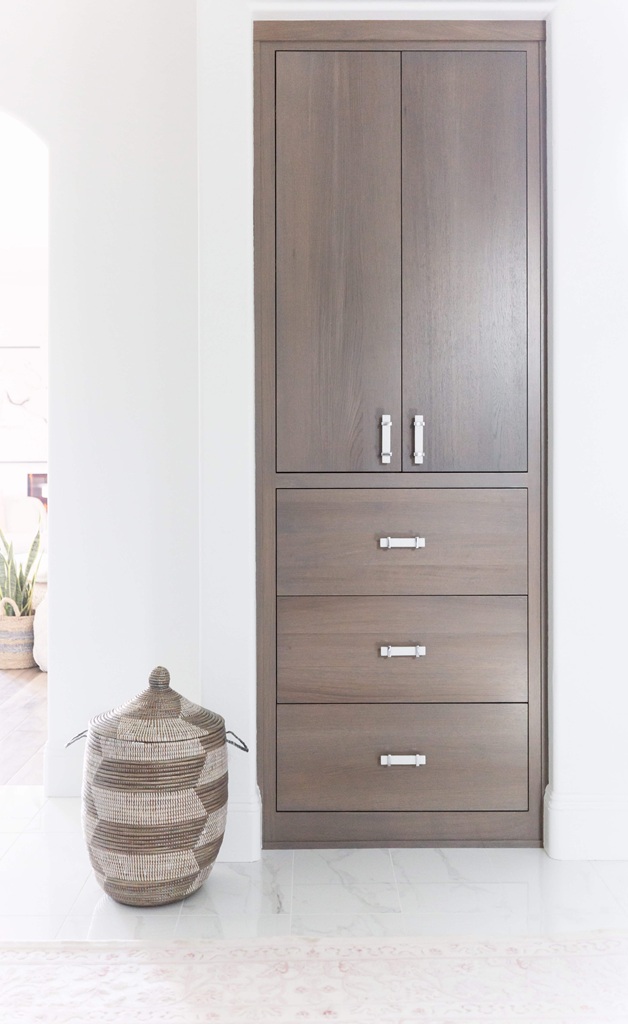
        Modern wooden storage cabinet with woven basket

        Brighten the Room for an Airy Ambiance

        Good lighting and intelligent color selection can completely change the appearance of a small bathroom. White or pastel shade is the light-reflecting color that will provide the illusion of the bathroom being larger than it really is. Pair this color with mirrors that are well-placed to bounce artificial or natural light, and your bathroom will feel open and airy instantly.

        For illumination, layered lighting is best. A combination of recessed ceiling lights, vanity lights, and accent lights not only illuminates the space but also gives character. In case your bathroom just happens to not have a window, install daylight-style LED lighting so that it doesn’t end up feeling cramped. These lighting techniques are an essential part of any small master bathroom remodel.

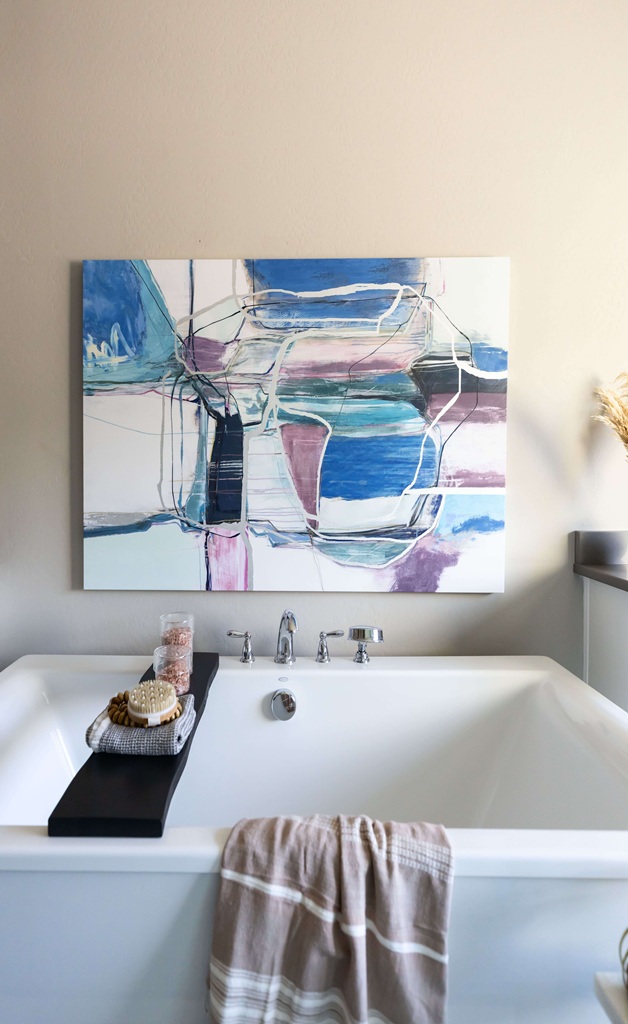
        Modern bathtub with abstract wall art decor

        Storage Space with Style

        Storage will likely be the biggest obstacle in a master bathroom the size of a small room, but there are plenty of options for functional storage in innovative ways without crowding the space. Recessed shelves in the walls offer easy access to toiletries without sacrificing precious inches of space. Storage units over the toilet are another great option for maximizing vertical space without sacrificing organization.

        Look for vanities with hidden compartments and organizers. A slim vanity with pull-out drawers can provide ample room for essentials like towels, makeup, and razors. And they won’t look too bulky. Stackable shelves or sliding baskets can transform even deep storage closets into useful space. These practical small master bathroom remodel ideas will help you minimize clutter while staying organized.


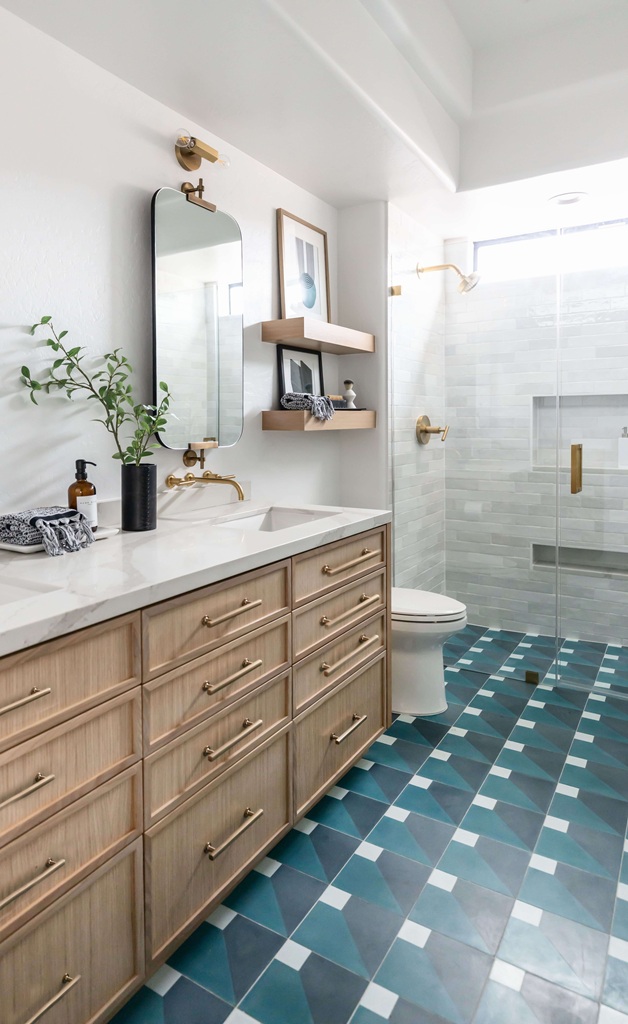
        Bright bathroom with patterned tile and wooden vanity

        Choose an Appropriate Design Style

        Your design has the ability to make your small master bath look spacious. Minimalist design has clean lines and uncluttered surfaces. And it looks stunning in tiny bathrooms. Opt for a clean, modern look with smooth finishes like concrete or brushed metal and a monochromatic color scheme. When planning your small master bathroom remodel, a cohesive design style can make all the difference in creating a functional and beautiful space.

        Read More: How to Design a Spacious Luxury Master Bathroom

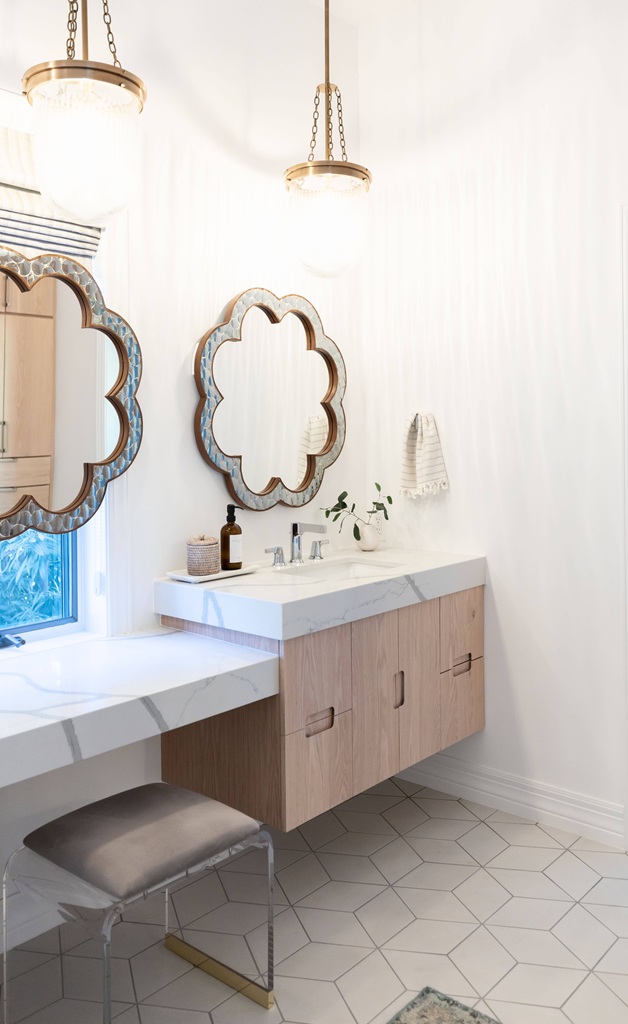
        Modern bathroom vanity with flower-shaped mirrors
        Choosing a Living Room Design – Modern vs Traditional

        Choosing a Living Room Design – Modern vs Traditional

        Your living room is the hub of your home, where you spend your life in comfort with your friends and family members, and it is a reflection of your personality. These last few decades saw two schools of thought dominating interior design: classic elegance and minimalist modernity. Both are excellent, but making a choice between them is a challenge. 

        This guide includes both styles, so that you can choose which will work best for your lifestyle and aesthetic sense. We’ll also touch on a compromise that might just work for you! 

        Modern living room with stylish furniture

        What Defines Contemporary Living Room Design? 

        Contemporary design employs the concept that less is more. Less is more was a design of the early 20th century that is continuously evolving with the times. 

        Clean lines dominate in modern spaces. Sofas are in the shape of geometric forms without the intricate details. Imagine straight-line sofas, geometric coffee tables, and geometric light fixtures. They get the visual equilibrium by keeping it simple. 

        Neutrals provide the background of contemporary rooms. Whites, grays, blacks, and beiges create a soothing background. Dark colors are reserved for artwork or throw pillows to create focal points without dominating the room.  

          Modern living room with round wooden table

          Open floor plans maximize light and space. Living rooms in newer homes usually blend into one large room with the kitchen or dining area. Large windows, minimal window treatments, and careful lighting maximize the sense of openness. 

          Steel, glass, and concrete add industrial touches. Wooden or stone adornments add warmth without breaking the sleek appearance. A transitional modern living room often borrows elements from this style, blending them with more traditional accents. 

          Bright modern living room with marble tables

          What is Classic Living Room Style? 

          This style is inspired by the European interior of the 17th to 19th century. Traditional design is all about comfort, quality, and ageless beauty. 

          Period pieces are characterized by opulent details. Upholstery that is tufted, wooden legs, and moldings evoke masterful craftsmanship. Sofas feature rolled arms and rich upholstery materials like velvet and brocade. 

          Warm color palettes provide warmth and elegance. Forest greens, navy blues, rich burgundies, and warm golds are repeated in the room. The colors seem to blend together in harmony with brass tones and wood tones. 

          Elegant living room with modern chandelier

          Symmetrical layouts create visual balance. Two lamps on a table balance a sofa, and identical chairs are placed facing each other in a room. This formal method provides a sense of formality and order. 

          Layering of textures introduces depth and interest. Silk drapes, Persian rugs, and wallpaper with patterns all give a rich feel when combined in layers. Various patterns can be used together if they have the same color scheme. 

          Modern sitting area with neutral tones

          Transitional Design: The Best of Both Worlds

          Many homeowners now prefer transitional living room design, a combination of modern and conventional. It is adaptable without sacrificing stylish sophistication. 

          Transitional spaces may feature a modern sectional sofa blended with an antique coffee table. The walls, being neutral, are the background where modern works of art and traditional works coexist. Living room transitional interior design allows you to add treasured items from many different periods without creating visual confusion. 

          Cozy chair by large window with natural light

          The key to successful design transitioning is balance. Limit yourself to one statement piece of each design style in a room. Tie together disparate pieces with unifying color schemes. If you’re unsure how to achieve this balance, consider consulting a transitional interior decorator to help create a cohesive look. 

          Bright living room with beige sofas and plants

          Deciding on Your Perfect Home Style

          Each style has its advantages. Contemporary rooms are soothing with simplicity and practicality. Traditional rooms are cozy in terms of texture and timeless style which stands the test of time. 

          Think about your lifestyle in coming to this conclusion. Young children might enjoy the simplicity and strength of materials that are used in modern design. People who enjoy entertaining might enjoy the formal sophistication and conversational seating that is characteristic of traditional design. 


          Cozy beige sofa with kitchen in background

          Most importantly, your own taste matters the most. Browse design magazines, showrooms, and take note of photos that you like. Find a pattern in your selection to make your decision. 

          Remember that design principles are there to be deliberately broken. The loveliest living rooms do more to tell you about themselves than adhere to design dicta. No matter whether modern simplicity, classical formality, or middle-ground blend is your taste, create a space that is yours.

          Read More : Living Room Transitional Interior Design Ideas

          Can a General Contractor Do Plumbing​ Work?

          Can a General Contractor Do Plumbing​ Work?

          When it’s a home renovation, homeowners often wonder, “Can a general contractor do plumbing work?” In order to answer that correctly, you must be aware of the difference between a general contractor and a licensed plumber and what level of legality and capability each has. The following is what you have to know in order to make the best decision for your next project. 

           Pacific Palisades general contractor

          The Law of Contracting and Plumbing 

          General contractors and plumbers do have some distinct roles, and their licensing is usually also distinct in this sense. General contractors oversee and coordinate entire plumbing work in building construction projects. What’s more, general contractors can subcontract and oversee specialists, such as electricians and HVAC technicians, to perform some aspect of a project. Licensed plumbers are specialized and licensed to perform work on water, pipe, and drain systems only. 

          There are different legal requirements state by state and even municipality by municipality. Some general contractors can perform minor plumbing such as repairing some leaks or installing fixtures in certain areas, but anything more is usually reserved for a licensed plumber. Installation of new piping systems, sewer line repairs, or even fixing hazardous materials such as gas lines is where the licensed plumber comes in. 

          Homeowners have to ensure that they are in accordance by checking local ordinances as performing plumbing work without the appropriate license can result in fines or even denied claims on their insurance. 

            Modern Sink and Faucet

            Plumbers and General Contractors Scope of Work 

            Understanding what each specialist does will point homeowners in the right direction. A general contractor is useful while doing complex projects, for instance, multiphased projects, like house renovation or house additions. Their main work is project management, for instance, planning, costing, hiring subcontractors, as well as quality control. 

            While they might have an entire list of different trades that they are skilled in, general contractors are not plumbers. Some may do plumbing work, but they are not licensed plumbers and are hence not allowed to do as much as they would be otherwise. A contractor will oversee and manage orders from vendors, but they would not do any work that would have them cutting into water lines or repairing a leak in a master water supply line. 

            Professional plumbers do have the training and specialized equipment to handle complicated plumbing issues. Professional plumbers are taught to find, diagnose, and repair problem issues quickly and in a way that is safe and meets building codes. Beyond minor repairs, calling a professional plumber isn’t just worth it financially; it’s crucial to the safety and life of plumbing in your home. 

            Modern Powder Room Mirror

            Finding the Proper Expert 

            If work is being done at your home that includes plumbing, you need to determine the scope of the work and hire the proper professionals. In most large projects, you will probably need to hire both a licensed plumber and a general contractor. If you are, say, incorporating kitchen plumbing and remodeling, your general contractor can do the design, cabinetry, and electrical fixture work, while the plumber can get all pipes and fixtures in and up to code. 

            Always check credentials, licenses, and experience from potential plumbers or contractors. Professionals will provide you with proof of credentials and even walk you through permits and inspection that you need to perform to legalize and make your project safe. 

            Modern Bathroom sidetable

            The Ideal Solution for Your Property 

            General contractors are incredibly useful as a project manager on large projects, but they are actually there to direct the work of a specialist professional and not do it themselves. Plumbing is a specialist job, and it is a job that is best left to a licensed plumber who has the technical expertise and licensing to do the job right and safely. 


            best home renovation

            Whether you’re hiring a Pacific Palisades general contractor for a major renovation or looking for a general plumbing contractor, the right professionals make all the difference. No matter if you are completing a low-budget remodel or a high-end project involving plumbing construction, the right experts will, in the long run, save you time, frustration, and money. If unsure, hire qualified, licensed professionals to do your plumbing properly and in the proper manner.

            Explore More: What Does a General Contractor Do? Key Roles Explained