

What Transitional Interior Design Actually Means

Claire and Robert N.
"We knew we did not want anything too modern or too traditional but we could not put a name to what we were looking for until Lauren described transitional design. It was exactly us. She pulled together a home that feels warm and collected without being heavy or fussy. Every room has that quality where it feels like it has always been there, which is the hardest thing to achieve and Lauren makes it look effortless."
The Key Characteristics of Transitional Interior Design
- A neutral but warm color palette. Transitional spaces tend to anchor in warm whites, soft taupes, greiges, warm grays, and creamy off-whites. These backdrops are calm and flexible, allowing furniture and materials to carry the visual weight without competing with a bold wall color. Accents tend to be muted rather than saturated. Think dusty blues, aged brass, warm terracotta, and natural linen rather than cobalt, chrome, or neon.
- Clean lines with soft edges. Furniture silhouettes in transitional spaces are simplified compared to traditional styles. No carved cabriole legs or tufted medallion backs. But they are also not the hard, rectilinear forms of strict contemporary design. A transitional sofa has a straight profile but a generous seat cushion. A transitional dining chair has a simple frame but an upholstered seat in a textured fabric.
- Mixed materials with cohesion. Transitional spaces layer materials thoughtfully. Wood, stone, metal, and textile all live together, but they are chosen with a unifying thread. Warm-toned woods pair with unlacquered brass. Honed stone pairs with linen. Aged leather pairs with a shagged natural rug. The materials feel curated rather than matched.
- Texture over pattern. Where traditional design relies heavily on pattern, transitional design relies on texture. A lumpy bouclé, a ribbed velvet, a chunky knit throw, a hand-knotted rug with a tone-on-tone weave. Pattern is used sparingly and subtly, often in a geometric or organic form rather than a floral or historical motif.
- Layered lighting. Transitional spaces use lighting as a design element. A statement chandelier that nods to classic form but has a simplified silhouette. Sculptural table lamps in ceramic or stone. Recessed lighting kept minimal and supplemented by layered sources at different heights. Lighting in a transitional space is never purely functional.
- Timeless over trendy. This is perhaps the most defining characteristic of transitional interior design. It is explicitly designed not to look dated in five years. The choices are deliberate and grounded in quality and proportion rather than what is trending on social media. Clients who choose transitional design are often those who want to invest once and live with it for a long time.
Transitional Interior Design in the Scottsdale
Amanda and Chris W.
"Lauren designed our Paradise Valley home in a transitional style that perfectly matches how we actually live. It is sophisticated without being untouchable. Our kids use every room. Our guests always ask who designed it. The balance she strikes between clean lines and warmth is something I have not seen another Scottsdale designer pull off at this level."
What Transitional Interior Design Looks Like Room by Room
- The living room. A transitional living room anchors with a large, tailored sectional or a sofa and chair arrangement in a warm neutral. The coffee table is substantial, often in wood, stone, or a combination. Lighting comes from a statement overhead fixture and at least two table or floor lamps. A large-scale area rug grounds the seating area, ideally hand-knotted or natural fiber. Art on the walls is edited, with one or two large-scale pieces rather than a crowded gallery wall. We completed a living space in this direction on the Bronco Revival project in Scottsdale. The palette was warm cream and natural oak with organic shapes in the accessories, grounded by a large-scale abstract piece above the fireplace. The result reads as contemporary in its restraint but warm in its materiality. That is transitional at its best. See the Bronco Revival project →
- The kitchen. Transitional kitchens balance clean, shaker-style cabinetry in a warm white or soft greige with natural stone countertops and hardware that has some patina or warmth. Unlacquered brass, aged bronze, or matte black all work. The backsplash tends toward a simple tile with some texture, a handmade ceramic subway or a honed stone slab, rather than a dramatic pattern. Open shelving, if used, is edited and styled rather than loaded with objects.
- The primary suite. The bedroom in a transitional home is a study in calm. An upholstered bed in a textured fabric, a pair of nightstands in a warm wood or lacquer, layered bedding in linen and cotton, window treatments that soften the light. Nothing should feel precious or fussy. The goal is a space that feels like exhaling. On the Oasis Retreat project in Scottsdale, the primary suite direction was elevated southwest with organic luxury. The bed was upholstered in a warm greige performance fabric. The nightstands were a natural cerused oak. The lighting was aged brass with linen shades. It is a textbook transitional approach adapted to the Arizona context. See the Oasis Retreat project →
- The dining room. A transitional dining room often features a rectangular or oval table in natural wood or a stone-topped frame, paired with upholstered chairs in a durable fabric. The overhead fixture is a moment, often a linear or round statement piece in metal with some warmth to it. A sideboard or buffet grounds one wall. Window treatments and a rug complete the space.
- The bathroom. Transitional bathrooms use clean-lined cabinetry, natural stone tile, and fixtures in a warm metal finish. Freestanding tubs work well in transitional spaces. So do walk-in showers with large-format tile and frameless glass. The hardware and fixtures unify the palette throughout.
How Living with Lolo Approaches Transitional Design
Patricia G.
"I had worked with two other designers before Lauren and both pushed me toward something too contemporary for my taste. Lauren listened and came back with a transitional concept that immediately felt like home. Natural stone, soft textures, warm wood tones, clean architecture underneath all of it. Scottsdale homes were made for this style and Lauren understands that better than anyone."
Frequently Asked Questions
What is transitional interior design?
How much does transitional interior design cost in Scottsdale?
Is transitional design the same as contemporary?
How do I know if my home suits transitional interior design?
Is Transitional Interior Design Right for Your Home?
If you find yourself drawn to spaces that feel relaxed and livable but also feel intentional and elevated, transitional is likely your direction.
It works particularly well for whole-home projects where you need a cohesive thread that can carry through every room without feeling repetitive. It works for clients who want their home to feel welcoming to guests but also genuinely comfortable for daily life. And it works for the Scottsdale market in a way that feels authentic rather than imposed.
If you are planning a remodel, new construction project, or full furnishing in Scottsdale or Paradise Valley and want to talk through what a transitional direction could look like for your specific home, we would love to connect.
Book a complimentary discovery call →
Transitional interior design is the style I would describe as the default language of luxury residential design in Scottsdale and Paradise Valley. Most of the homes I work on fall somewhere in this aesthetic spectrum, even when clients do not use that word. My work has appeared in Architectural Digest, House Beautiful, and Vogue, largely in spaces that live in this space between traditional warmth and contemporary clarity. — Lauren Lerner, Living with Lolo
Interested in a transitional design for your Scottsdale home?
Living with Lolo designs homes across Scottsdale, Paradise Valley, and Arcadia. A discovery call is the best way to understand what your specific project needs.
Book a Discovery CallWhy layout and flow matter more than any finish:
Frequently Asked Questions
What is transitional interior design?
Transitional interior design combines classic architectural elements and warm, traditional details with clean contemporary lines and a restrained color palette. It avoids the formality of traditional design and the starkness of minimalism, landing instead in a space that feels current, comfortable, and timeless.
What is the difference between transitional and contemporary design?
Contemporary design reflects current trends and tends toward a more minimal, cooler aesthetic. Transitional design is more enduring, layering classic proportions and warm materials with updated finishes. It is often described as the style most likely to still feel fresh 10 to 15 years after a project is completed.
Is transitional interior design popular in Scottsdale?
Yes. Transitional design is particularly well-suited to Scottsdale and Paradise Valley homes because it bridges the warmth of the desert landscape with the modern, clean architecture typical of high-end Arizona construction. It allows organic materials, natural textures, and warm neutrals to coexist with contemporary cabinetry and hardware.
How do I know if transitional design is right for my home?
If you want a space that feels elevated and current without feeling cold or trend-driven, transitional design is likely a strong fit. It is also very livable, which matters in high-traffic family homes. During a discovery call, we can walk through your home and talk about which direction makes the most sense.
Ready to Transform Your Home?
Lauren Lerner and the Living with Lolo team work with clients across Scottsdale, Paradise Valley, Arcadia, and the greater Phoenix metro area.
Book a Discovery Call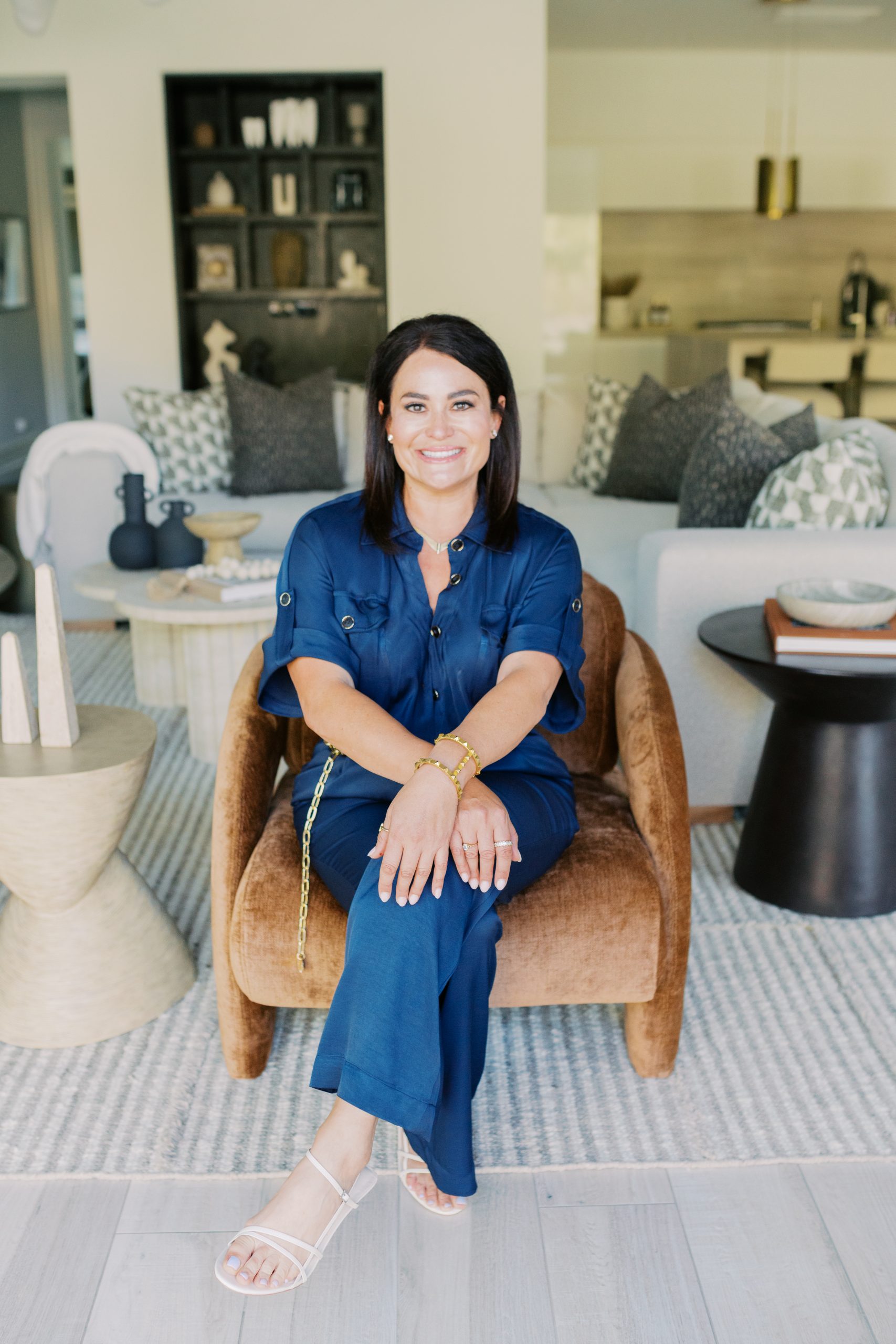
Lauren Lerner is the founder and principal designer of Living with Lolo, Scottsdale’s luxury interior design and licensed design-build firm. Named Phoenix Magazine Best Interior Design three consecutive years, Lauren leads projects from concept through construction for high-end homes in Scottsdale, Paradise Valley, and Phoenix.